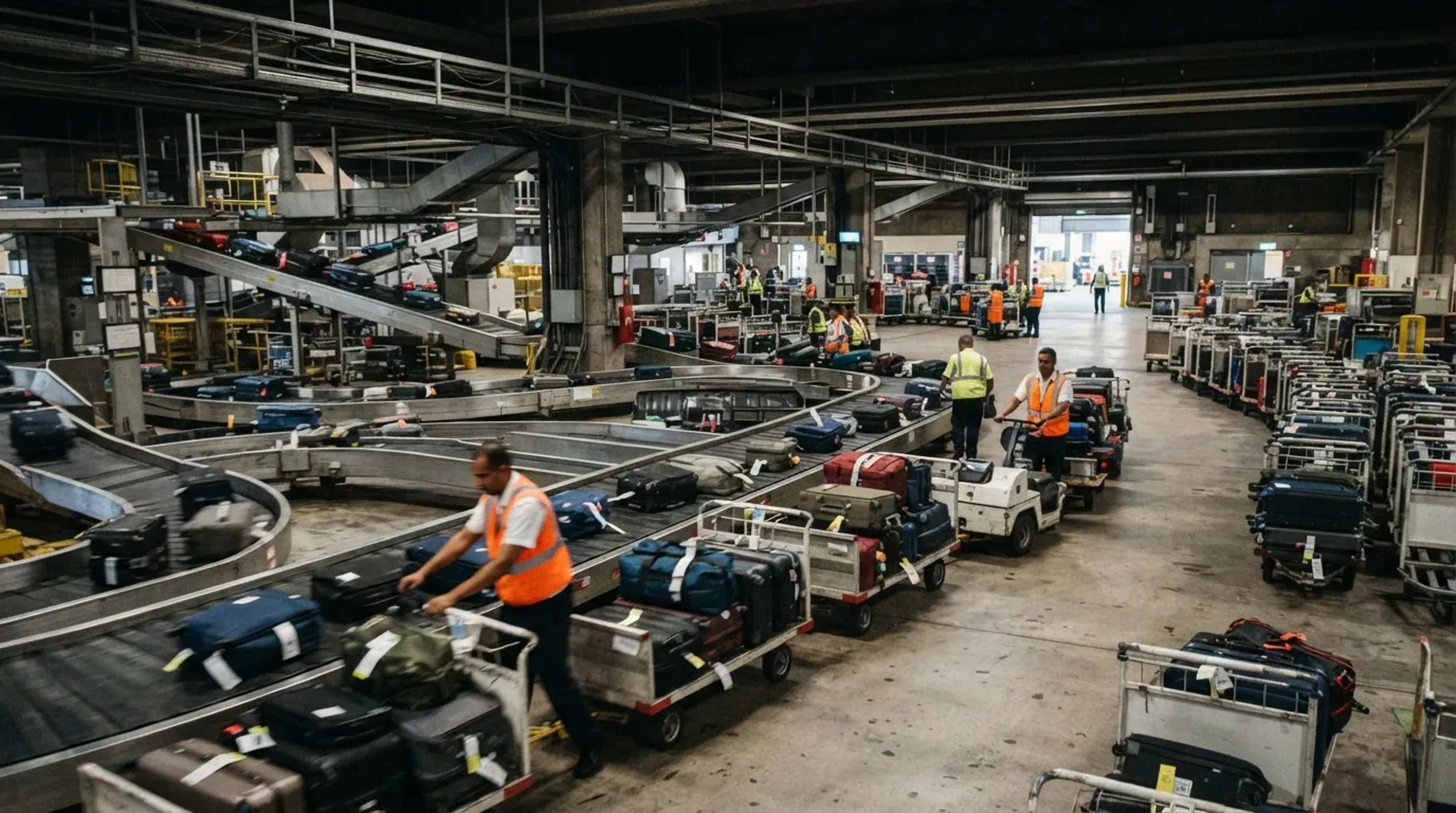
Most passengers assume a delayed pushback means someone forgot to do their job. In reality, the ramp crew standing under your window is usually the only reason the flight moves at all, fighting a dozen invisible problems at once while you stare at your phone wondering why the plane hasn’t budged.
What actually happens between “doors closed” and “wheels up” is messier, riskier, and far more procedural than anyone in seat 14C ever realizes. Here’s what ramp crews are actually juggling every single time your flight sits at the gate a little too long.
#26 – The Clock Starts Before Anyone Notices You’re Late
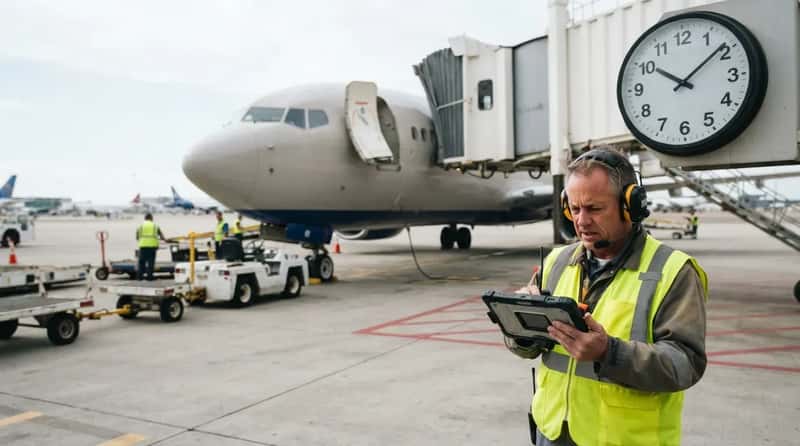
Airlines start counting delay minutes the second the scheduled door-close time passes, not when passengers actually feel stuck. That means ramp crews are already “behind” before a single bag has even been mis-scanned or a tug has rolled into position.
The pressure begins in silence, long before an announcement is made. Ground teams are often racing an invisible clock that has nothing to do with what’s happening at the gate counter.
#25 – One Late Bag Can Undo an Otherwise Ready Aircraft
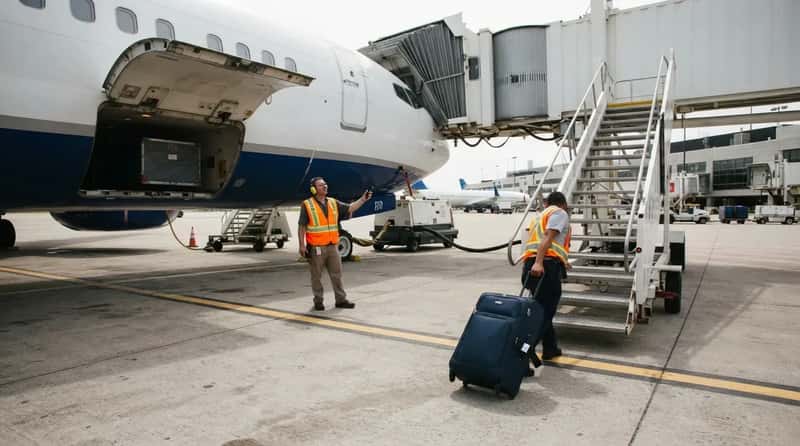
Pilots can’t move hydraulics or start the real pre-departure sequence until every door is confirmed shut, and that includes cargo. Last-minute bags frequently arrive after all the passengers have boarded, and airline procedures usually don’t allow pilots to bring the hydraulic systems to life until every door has been closed.
So a single suitcase sprinting down the jet bridge can hold an entire aircraft hostage. It’s rarely the headline reason for a delay, but it’s one of the most common quiet ones.
#24 – The Headset Connection, Not the Gate Agent, Is the Real “Go” Signal
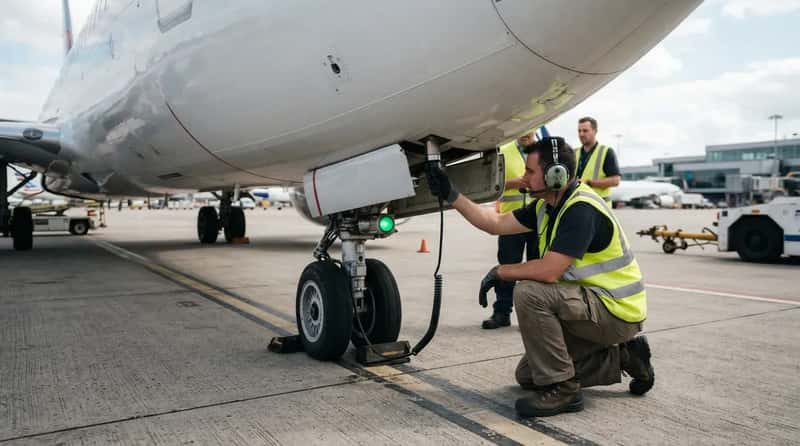
Ground crews normally connect a headset jack near the plane’s nosewheel, and most commercial aircraft have an indicator light in this same area that shows when the pilots have disengaged their ability to steer the plane and have released the parking brake.
Until that headset clicks in, nothing moves. Passengers assume boarding completion equals departure readiness, but the actual go signal happens down at wheel level, out of sight and completely disconnected from what’s happening in the cabin.
#23 – A Single Bypass Pin Decides Whether the Plane Can Move at All
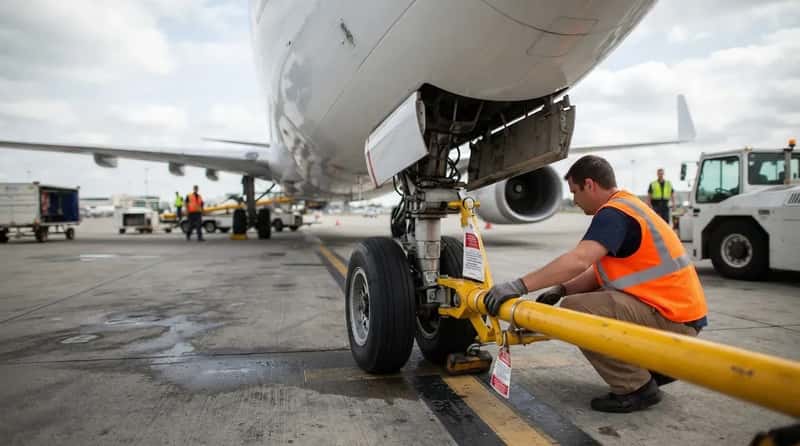
Preparing the nose gear requires an approved steering-bypass device or aircraft-specific isolation procedure where required. Without it correctly inserted, the aircraft simply cannot be pushed.
This tiny piece of hardware effectively controls a multi-million-dollar aircraft. Restoring steering means the bypass pin or other isolation device is removed as prescribed, and ground staff normally show the removed pin to the pilots before leaving the area. Miss that show-and-tell step, and the whole operation stalls out for a recheck.
Fast Facts
- Pushback tugs typically move at just 5 to 10 km/h, slow enough for wing walkers to keep pace on foot
- A bypass pin or isolation device must be removed and physically shown to pilots before ground crew clears the area
- Steering has to be disengaged and the parking brake set before any tug can safely connect
#22 – Wing Walkers Are Watching for Threats You’d Never Notice
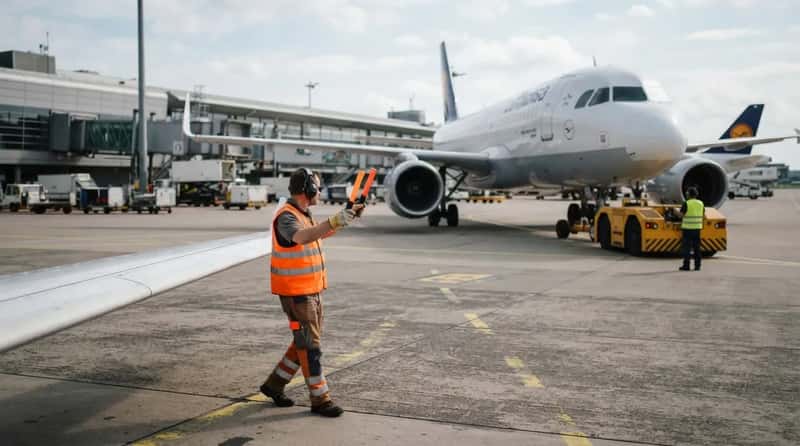
Wing walkers monitor the wingtips, engines, tail and nearby equipment where space is restricted during every single pushback, not just the tricky ones.
The tug typically reverses the aircraft at 5 to 10 km/h so personnel can keep pace, while wing walkers use illuminated wands or batons to signal any hazards and the headset operator relays directional adjustments to the cockpit. A stray catering cart or another aircraft’s wingtip is often closer than anyone in the terminal realizes.
#21 – The Tug Driver Almost Never Sees the Pilot’s Face
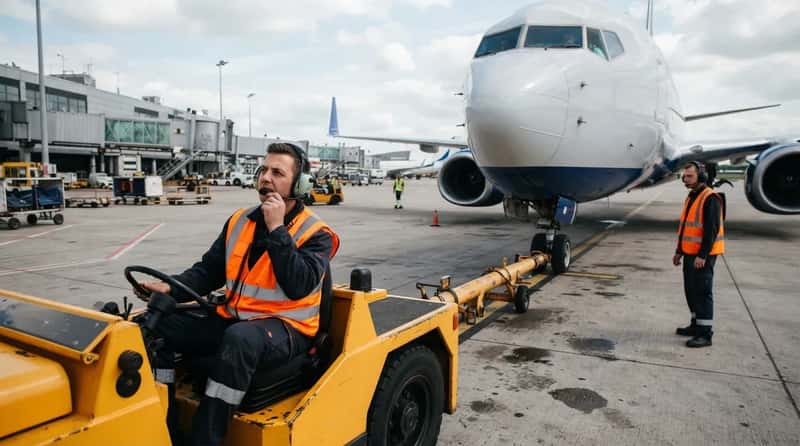
Despite steering a plane worth tens of millions of dollars, the tug driver is usually working entirely off audio cues.
The tug driver physically controls the direction of the aircraft, usually while a separate headset operator communicates with the flight crew. That means split-second decisions are made through a chain of voices instead of eye contact, and any breakdown in that chain, even briefly, freezes the whole push.
#20 – Every Pushback Has a Legal Weight Ceiling
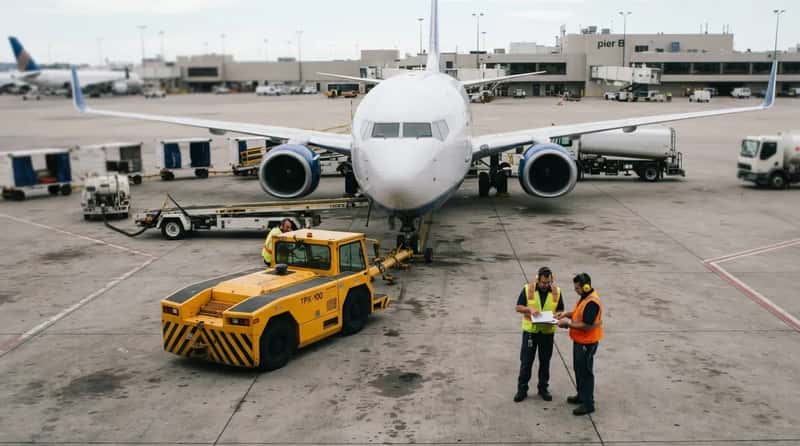
Most travelers assume any loaded aircraft can be pushed. It’s not that simple. The aircraft’s weight must be below its Maximum Ramp Weight to conduct a pushback at all.
If fueling or catering pushes total weight past that threshold before departure sequencing catches up, crews have to pause and recheck numbers before touching the tug. It’s a paperwork problem that becomes a very physical delay.
#19 – Ramp Control Sometimes Overrules Everyone at the Gate
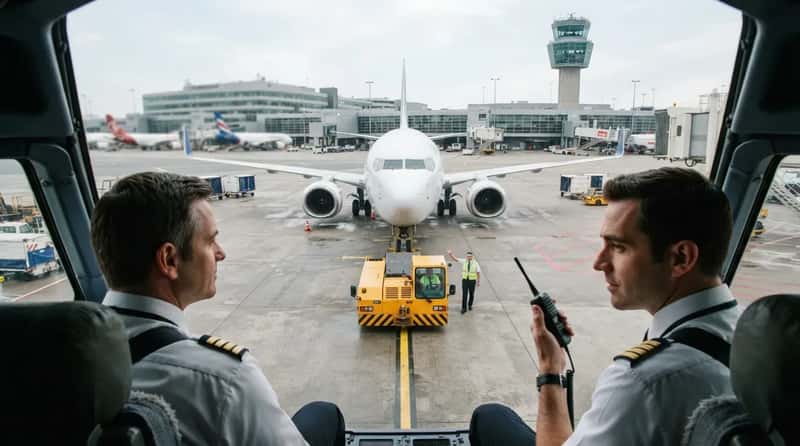
At larger airports, the pilot isn’t actually the one giving final movement approval. Large airports have ramp controllers that issue push and start clearances to pilots, and after the captain and tug driver confirm each other is ready, the first officer has to call the ramp tower for clearance.
So a fully ready aircraft, fully ready crew, and fully ready ramp team can still sit motionless waiting on a controller juggling a dozen other departures at once.
#18 – Engine Start Timing Is a Hidden Fuel and Time Gamble
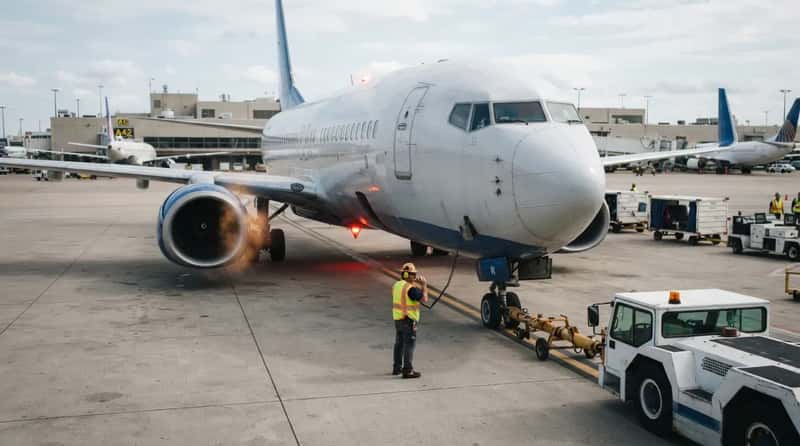
Engine start usually occurs during the pushback itself to save time, a technique sometimes called a “power-out.”
But some airports and airlines actually forbid engine starts during pushback for safety reasons, and when engines are allowed to start mid-push, the go-ahead always has to come from ground staff. That single policy difference between airlines can add real minutes to a turnaround without anyone in the cabin ever knowing why.
#17 – A Jammed Towbar Can Turn Routine Into a Standoff
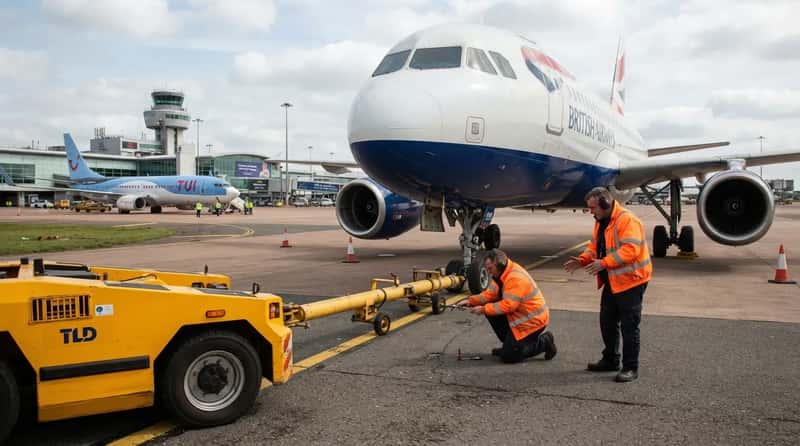
Equipment failure mid-pushback isn’t rare fiction, it’s happened at major airports with real consequences. In one Birmingham Airport incident, a headset failure forced the crew to use hand signals, and everything went normally until the tractor had to be disengaged, because the towbar simply couldn’t be disconnected.
The fix wasn’t quick. Another aircraft needed the same taxiway, the pilot waited to see if the crew could resolve it, and when they couldn’t, the aircraft had to be towed back to the ramp it started from. One faulty pin, one full restart.
#16 – Wind, Ice, and Heat Quietly Reset the Clock
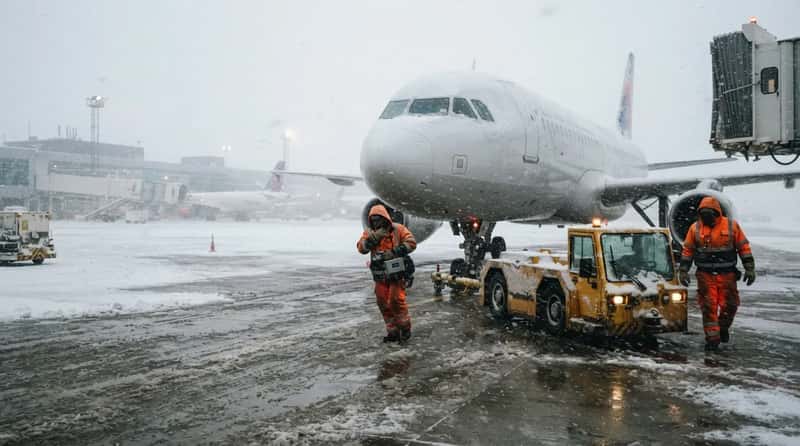
Ramp crews don’t get a snow day. Working outdoors in scorching heat, torrential rain, freezing cold, or heavy snow demands adaptability and durability from every ramp employee on every shift, delayed or not.
Ice on wing surfaces, high crosswinds during the push, or heat warping ramp equipment all slow down a process that’s supposed to take minutes. None of it shows up as “weather delay” on the departure board, but it’s happening at ground level regardless.
Worth Knowing
- Ice on wing surfaces can force a full recheck even after a pushback has already started
- Crosswinds near an aircraft’s towing-angle limit can pause a push mid-maneuver
- Ramp crews face the same outdoor extremes passengers see through the window, minus the option to step back inside
#15 – Wrong Frequency, Total Silence
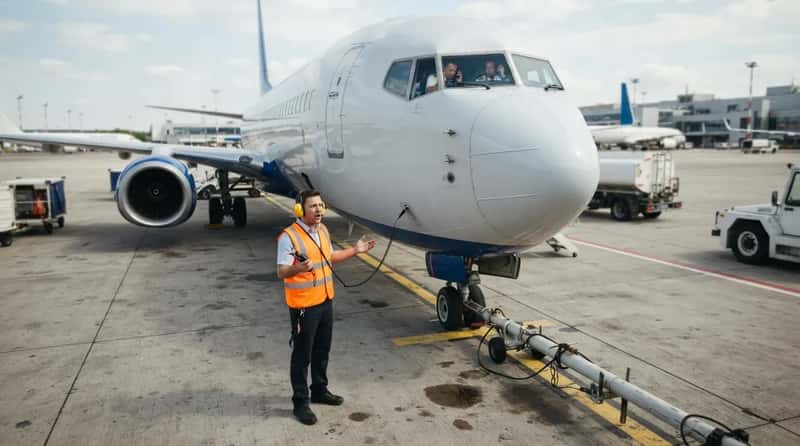
Communication is everything on the ramp, and it fails more often than airlines advertise. NASA’s aviation safety reporting system has documented recurring communication problems between flight crews and ground crews during pushback operations, with training gaps, language barriers, and procedural noncompliance as common threads.
In one reported case, a Boeing 737 captain was temporarily stranded when a push crew tried to solve a ramp traffic jam, and poor procedural compliance with no communication left the flight crew isolated, though fortunately no damage occurred.
#14 – “No Seat, No Rider” Sounds Small But Is Taken Seriously
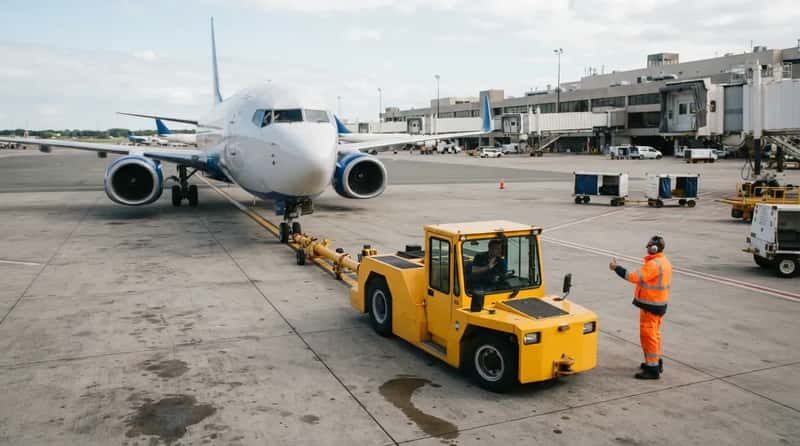
Ramp culture has strict, almost military-grade rules that outsiders never see. The pushback driver and guide agent, abiding by the “no seat, no rider” rule, only proceed back to the terminal after receiving a wave, salute, or taxi light flash indicating “all clear” from the flight deck crew.
It looks like a small procedural quirk. In practice, it’s one of dozens of tightly enforced rituals designed to prevent a single miscommunication from becoming a runway incident.
#13 – A Missed Chock Can Be Invisible and Catastrophic
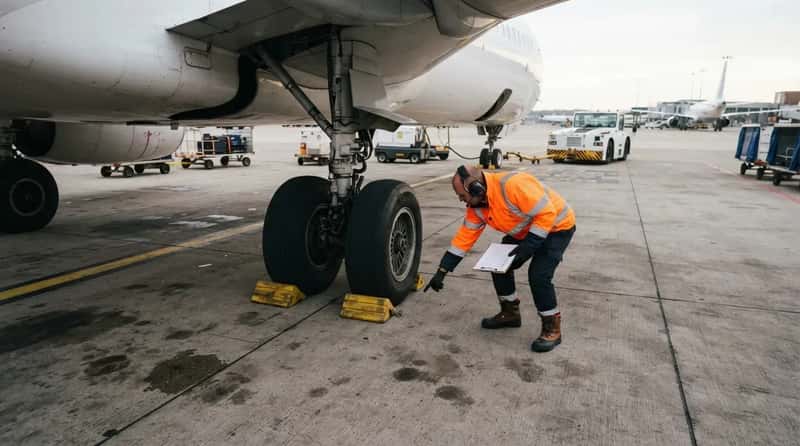
The pre-pushback walkaround exists for exactly this reason. A visual inspection ensures nothing looks abnormal, for example, cargo doors may not be properly closed, or one chock from the rear landing gear wheels may not have been removed.
Most passengers never even know a walkaround happened. It’s small details like these that matter a lot in ramp safety, and a simple walkaround by a trained person with an eye for detail goes a long way in preventing incidents. Skip it, and the risk multiplies instantly.
#12 – Staffing Shortages Ripple Across an Entire Gate
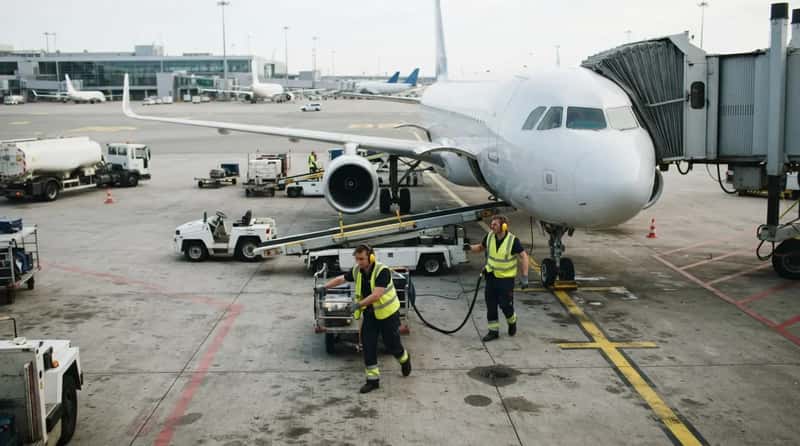
Post-pandemic ramp operations never fully returned to their old rhythm. Industry roundtables on ramp safety have repeatedly flagged staff turnover, a lack of experienced staff, and time pressures for the ramp crew as ongoing, unresolved problems.
One missing position on a four-person crew doesn’t just mean slower bag loading, it means every downstream step, from fueling coordination to the final pushback signal, gets stretched thinner than it should be.
#11 – Ramp Workers Can Legally Stop a Pushback, No Pilot Required
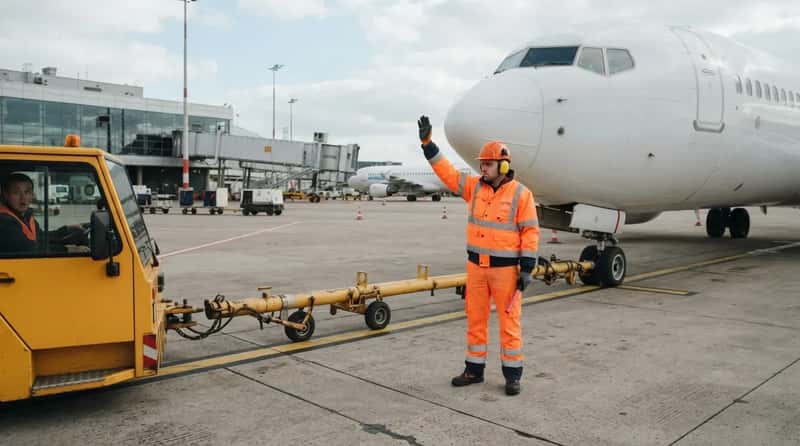
This surprises most travelers: ground staff have real authority, not just instructions to follow. All ramp employees are empowered to stop operations whenever injury or damage is imminent.
And it’s not informal. The employee who stops the operation has to inform station leadership and complete a formal irregularity report, triggering an investigation into whether communication with affected employees or customers is needed. A ten-minute delay is often that safety net working exactly as designed.
#10 – Late Catering Trucks Are the Ramp Crew’s Quiet Nightmare
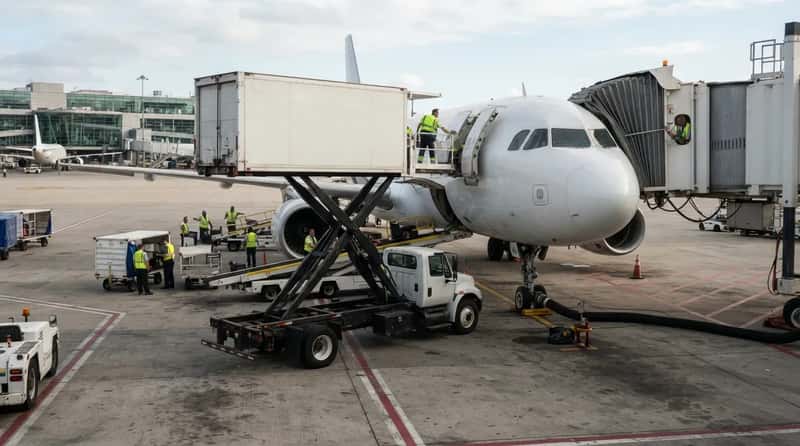
Nobody blames catering for a delay, but ramp crews privately do. Ground operations delays happen when baggage loading, fueling, catering, or aircraft cleaning runs behind and the door can’t close on time, and a short-staffed ramp crew or a late catering truck can push departure back long enough to blow a tight connection.
Worse, these ground operations problems don’t show up in weather forecasts or ATC advisories, which makes them the hardest reason for a flight delay to predict. That’s why the “reason” on your delay notice is often maddeningly vague.
#9 – That Little Indicator Light Is the Unsung Hero of Every Push
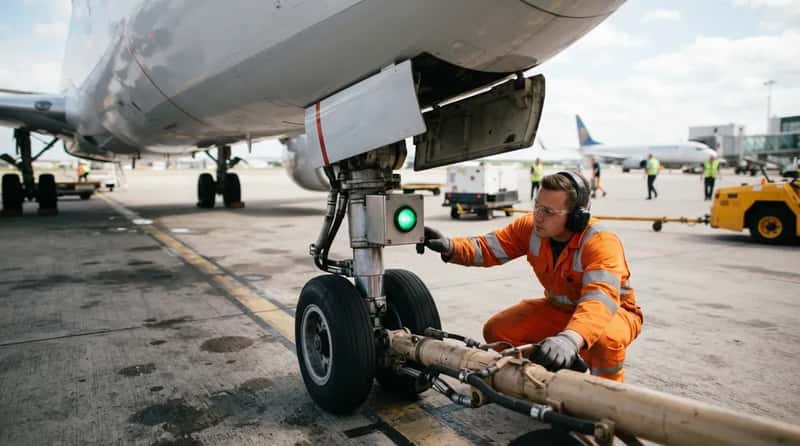
It’s the size of a coin, but nothing moves without it. Most commercial aircraft have an indicator light near the nosewheel showing when pilots have disengaged steering and released the parking brake, and both are requisite items for a ground crew to push a plane.
Skip verifying it and the consequences are immediate: if the crew tried pushing a plane back without steering disengaged or the parking brake set, there would almost certainly be damage to the nosewheel assembly. One overlooked light, one very expensive mistake.
#8 – Sometimes the Fix Is Towing the Plane Right Back Where It Started
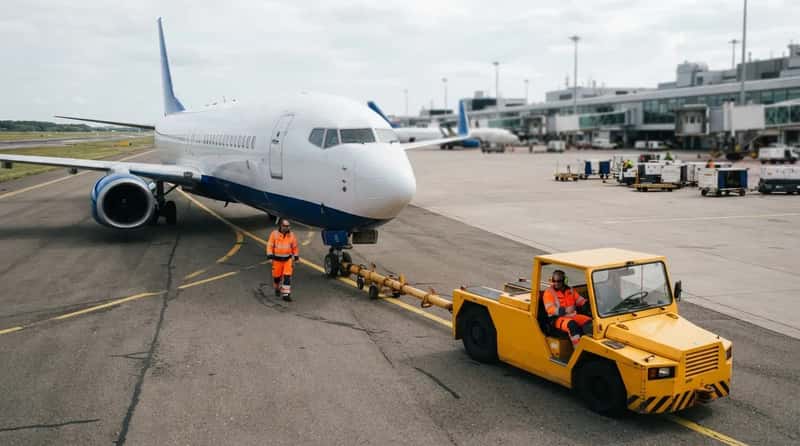
Not every pushback problem gets solved in place. As shown in real incident reports, when a mechanical issue can’t be resolved on the taxiway, the pilot may decide the aircraft has to be towed back to the ramp from where it was originally pushed.
That’s a full reset, not a quick fix. Passengers see it as “returning to the gate for no reason.” Ramp crews see it as the only safe option left after equipment refuses to cooperate mid-maneuver.
#7 – A Dangerous Goods Delivery Can Undo a “Ready” Aircraft in Seconds
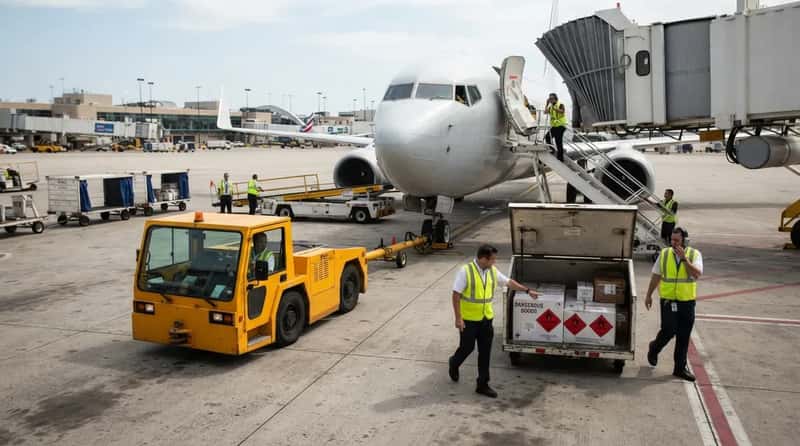
Cargo classified as dangerous goods (DG) follows its own strict timeline, and it doesn’t care about your boarding schedule. One NASA-reported incident describes a scenario where two pieces of DG arrived close to departure time after the aircraft was already closed up, prompting a supervisor to authorize a brake release before the load was properly secured.
The oversight was caught, but only after the plane was pushed out with urgency to protect the on-time departure, and another ramp agent had to report the issue, forcing the aircraft back to the gate to secure the cargo properly. Speed and safety don’t always agree.
#6 – Towbarless Tugs Are Faster, But Far From Universal
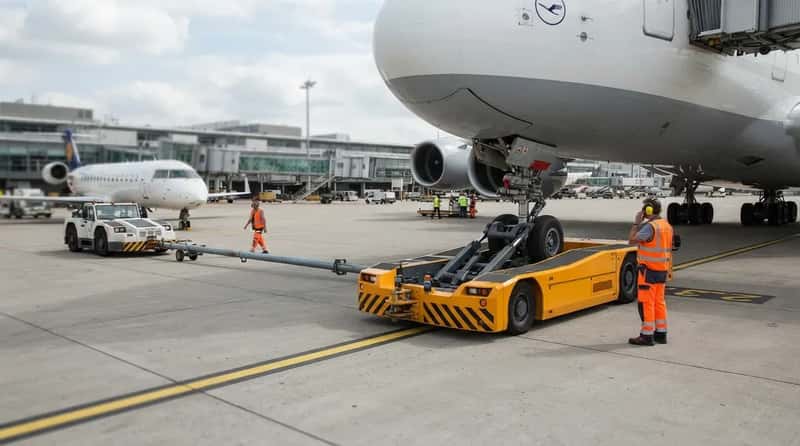
Not every airport or aircraft gets the newer technology. Towbarless pushback tugs lift and cradle the nose wheel directly, connecting faster and seeing wide use on aircraft like the A380 and B777.
Older equipment or smaller regional aircraft often still rely on conventional pushback, where a towbar is physically attached between the tug and the nose gear, still the most common setup worldwide. That older method simply takes longer to connect, disconnect, and troubleshoot.
Quick Compare
- Towbarless tugs: lift and cradle the nose wheel directly, connect faster, common on wide-bodies like the A380 and 777
- Conventional tugs: use a physical towbar attached to the nose gear, still the most common setup worldwide
- Bottom line: newer tech saves minutes, but most of the world’s fleet still relies on the older method
#5 – Ramp Agents Get Blamed for Delays They Didn’t Cause
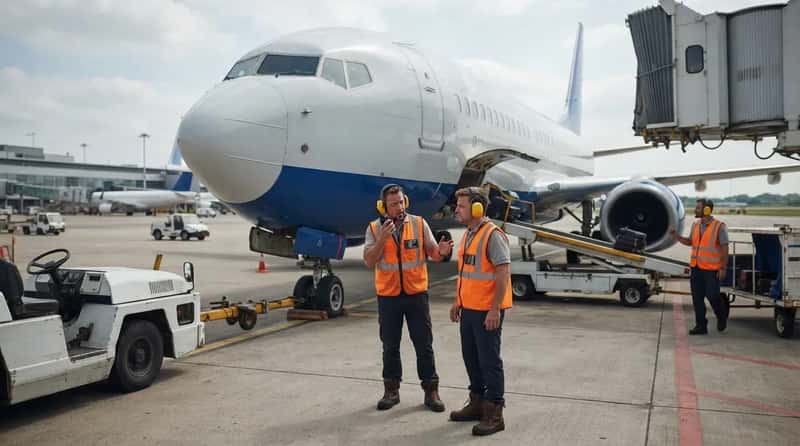
The physical and mental load on this job is heavier than most travelers assume. Every task is time-critical, a delay in baggage loading or aircraft pushback can impact flight schedules across the globe, creating immense pressure to perform quickly and accurately.
Add in an incredibly noisy work environment where shouted instructions can be misheard in seconds, and it’s easy to see how a single miscommunication from another department gets pinned on the crew standing closest to the aircraft.
#4 – Weather Doesn’t Need to Be Severe to Freeze the Ramp
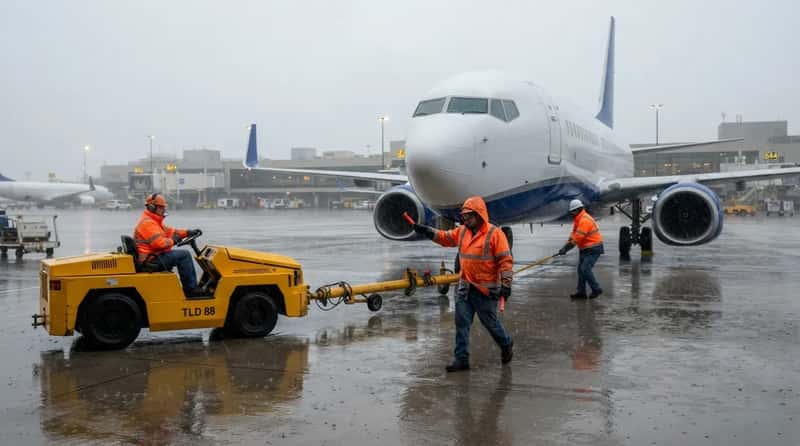
A light drizzle or moderate crosswind rarely makes headlines, but it still slows crews down. Combine that with the reality that prolonged standing, lifting heavy items, and constant movement already require significant physical conditioning on a normal day, and any weather at all adds friction to an already demanding process.
Many travelers assume only snowstorms or hurricanes cause ground delays. In practice, plain old wind gusts near the towing-angle limit are enough to make crews slow down and double-check every step.
#3 – The “All Clear” Signal Is a Full-Body Ritual, Not a Casual Wave
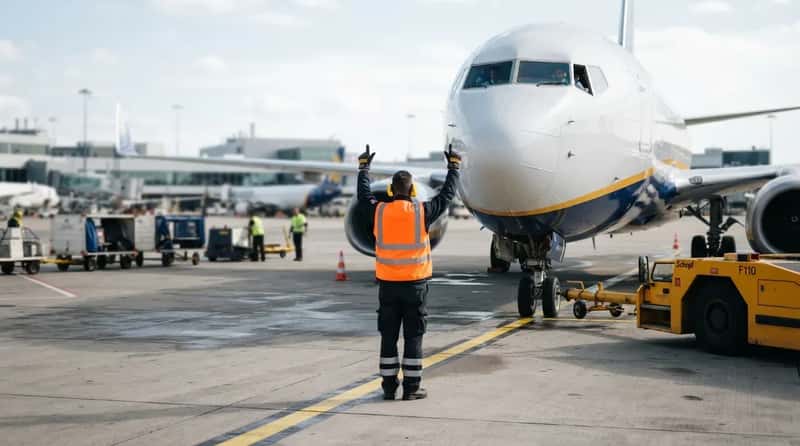
What looks like a friendly wave goodbye is actually a formal safety checkpoint. Once correctly positioned, the tug stops and the ground operator instructs the pilots to set the parking brake, and the towbar or towbarless tug is disconnected only after that brake is confirmed.
Only after that sequence does the crew step back and give the true “clear” signal, and ground crew gives the crew a “clear” signal before dispersing to a safe distance, never the other way around, no matter how much of a rush the flight is in.
#2 – One Controlled Abort Can Cost Minutes That Cascade for Hours
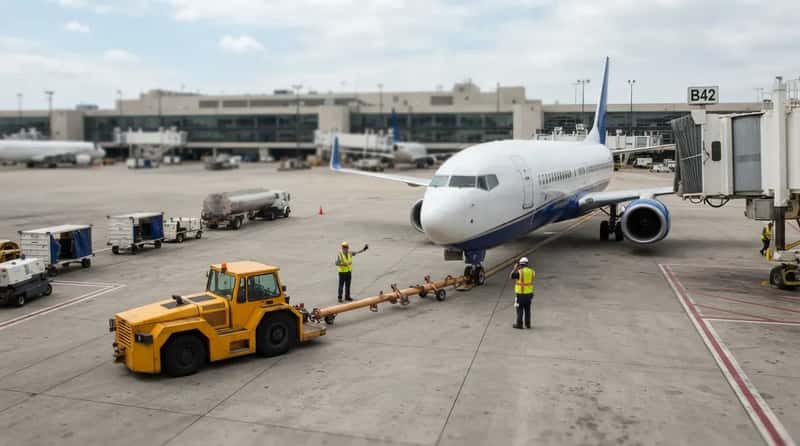
A single interrupted pushback rarely stays contained to just one flight. A single flight delay can ripple through an entire airport’s schedule, especially at busy hubs where gates and ground crews are shared across multiple departures.
The domino effect is the real cost, not the original delay itself. A five-minute pause to re-secure cargo or recheck a bypass pin at one gate can quietly push back three or four unrelated flights waiting on the same crew or the same piece of equipment later that hour.
#1 – Behind Every “Ground Delay” Is a Crew Fighting the Clock in Silence
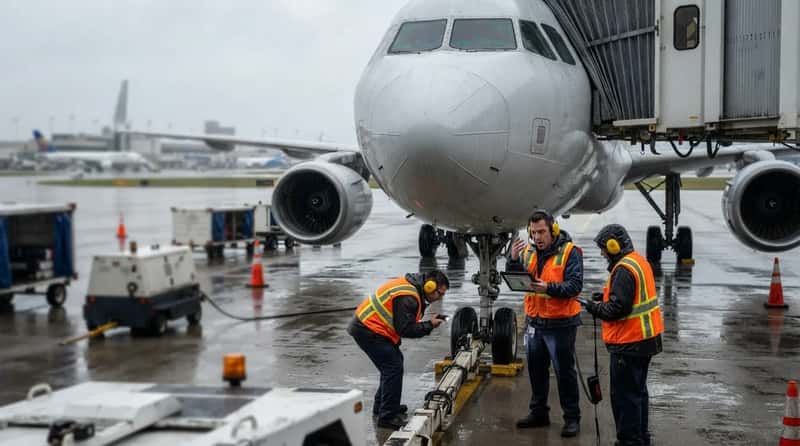
This is the reality nobody announces over the intercom: roughly a quarter of U.S. domestic flights ran late in 2024, and ground operations delays fall under the controllable, carrier-side category, but they’re rarely explained until the door should already be shut.
Behind that vague gate announcement is almost always a small team juggling weight limits, weather, broken equipment, missing signals, and short staffing, all at once, all outdoors, all under a clock they didn’t set. The success of every flight turnaround hinges on clear, concise, and immediate communication among the ground crew, pilots, and everyone else involved, and when even one link in that chain slips, the whole airport feels it minutes later.
At a Glance
- Roughly 1 in 4 U.S. domestic flights ran late in 2024
- Ground operations delays are classified as controllable, carrier-side issues, not weather or air traffic control
- A single 5-minute ramp pause can ripple into delays for 3 or 4 unrelated flights sharing the same gate or crew
None of this makes a delay less annoying to sit through. But it does mean the ramp crew outside your window almost certainly isn’t the reason your flight is late, they’re usually the reason it’s leaving at all.
From bypass pins to dangerous goods to a single stubborn towbar, the margin for error out there is thinner than most travelers will ever realize.