Here’s the myth: train station staff exist for one job only, checking your ticket and pointing you toward a platform. Ask for anything more, and you’ll get a shrug or a rulebook. Most travelers believe this so completely that they never even open their mouth.
Here’s the reality, according to the people who actually work the counters, the platforms, and the baggage carts every single day: passengers ask for almost nothing, and staff have far more room to say yes than anyone expects. What follows are 26 of the most surprising ones, counting down to the request that staff say saves entire trips.
#26 – They’ll Hold Your Bags Long After the “Quick Drop-Off” You Assumed Was the Limit
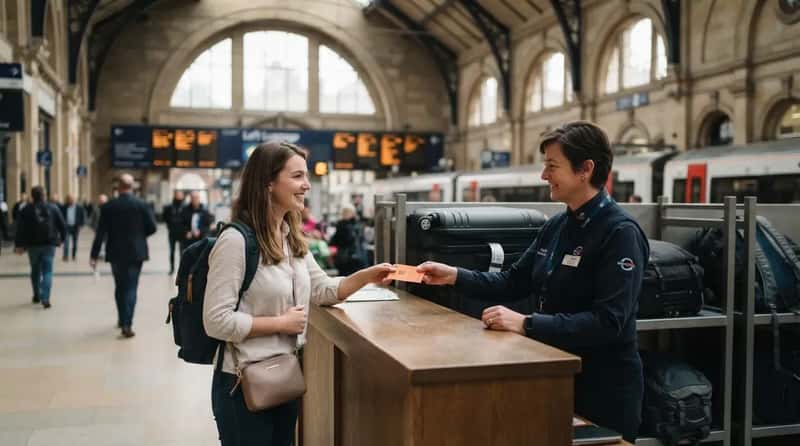
Most travelers picture luggage storage as a five-minute favor right before boarding, not a real service. That’s not how it works at bigger stations, where a dedicated parcel counter can hold your bags for a full day or more.
The Parcel Check service, where available, can store luggage for at least 24 hours for as little as $10 with a valid ticket, or $20 without one. That’s less than a single locker rental at most airports, and it buys an entire day of walking a city hands-free. Staff will usually walk you straight to the counter if you simply ask early.
Fast Facts
- Storage runs at least 24 hours per session
- $10 with a valid ticket, $20 without one
- Available at larger, staffed stations
- No advance reservation typically needed
#25 – A Wheelchair Shows Up With Zero Paperwork, Zero Advance Notice
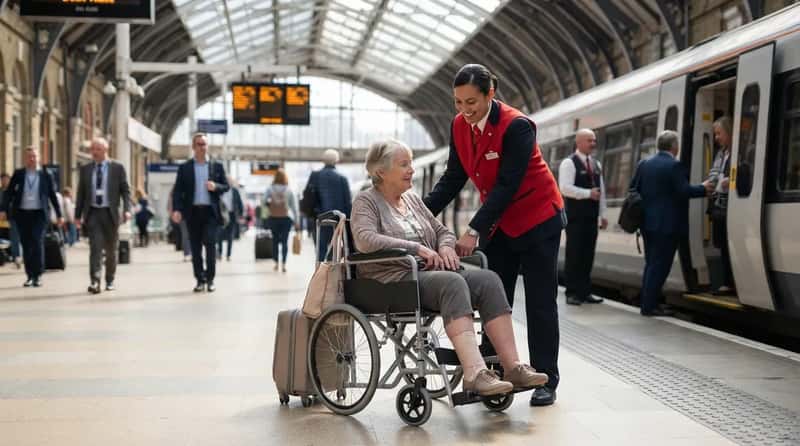
People with a sprained ankle or a bad knee often assume mobility equipment is locked behind medical forms and advance bookings. Station staff push back on that assumption constantly, because it’s simply not true in practice.
Red Cap staff are trained to operate wheelchair lifts and ramps at stations across the country, and getting a loaner chair for the walk to your platform is usually as easy as flagging down someone in uniform. No form, no appointment, just a request made in person. The travelers who wait until they’re limping through boarding are the only ones who miss out.
#24 – Your Forgotten Jacket Gets Mailed Home Without You Lifting a Finger
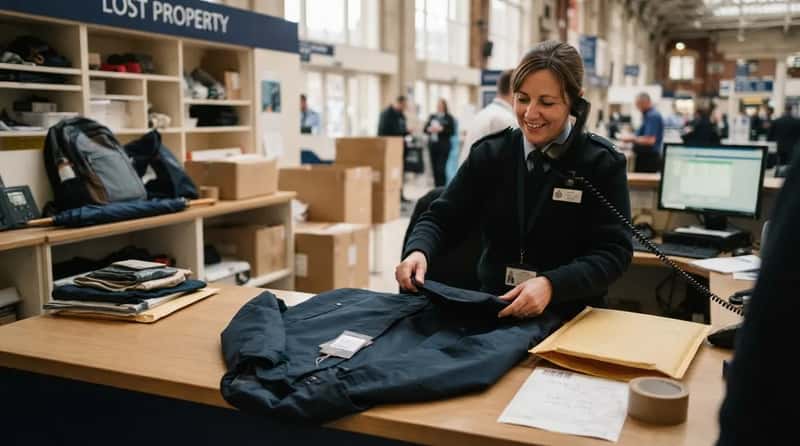
Leaving a phone charger or a jacket on a train feels like a lost cause, so most people never even call to check. Lost-and-found desks handle this far more often than passengers realize, and the process is friendlier than the word “lost” suggests.
Staff typically log a description, hold the item, and coordinate getting it mailed back once ownership is confirmed. It costs nothing but a phone call and a bit of patience. The real mistake is assuming it’s gone the moment the doors close.
#23 – A Friend Can Pick Up Your Ticket Even Though Their Name Isn’t on Theirs
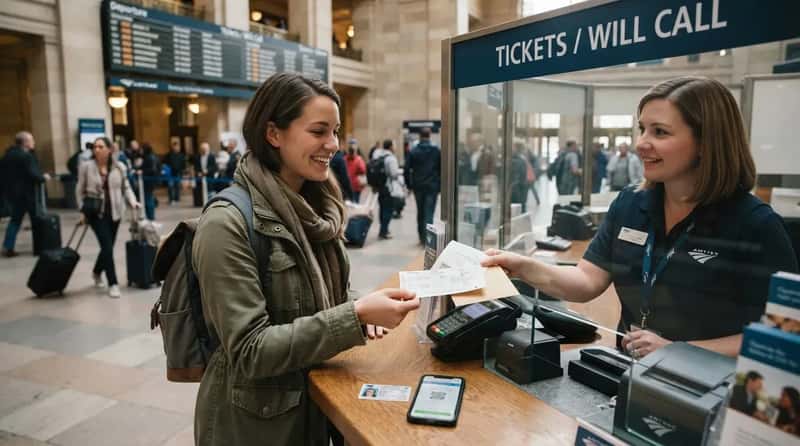
Plenty of travelers assume will-call tickets are locked to the exact name on the reservation, and they panic when plans shift at the last minute. In reality, agents can often release a ticket to a friend or relative once the right confirmation details are provided.
This becomes a lifesaver for surprise visits, sudden business trips, or picking up a ticket for an elderly parent who can’t make it to the counter. A quick phone call ahead of time smooths the whole handoff. Most people never think to ask until they’re already stuck.
#22 – Fees Quietly Disappear the Moment a Storm Shows Up on Radar
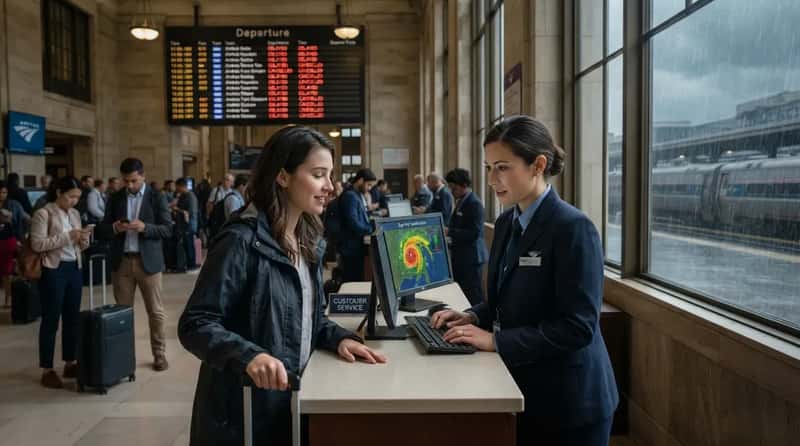
Weather-related disruptions terrify travelers who assume they’ll eat the cost of a canceled trip no matter what. Station and customer service teams tend to be far more flexible than the printed fare rules suggest once severe weather enters the picture.
Fee waivers and free rebooking windows are common during major storms, even on tickets marked non-refundable. The catch is that nothing happens automatically. Passengers who politely ask about storm policy get relief that silent ticket-holders simply never receive.
#21 – A Connection Gets Held a Few Extra Minutes for a Visibly Panicked Passenger
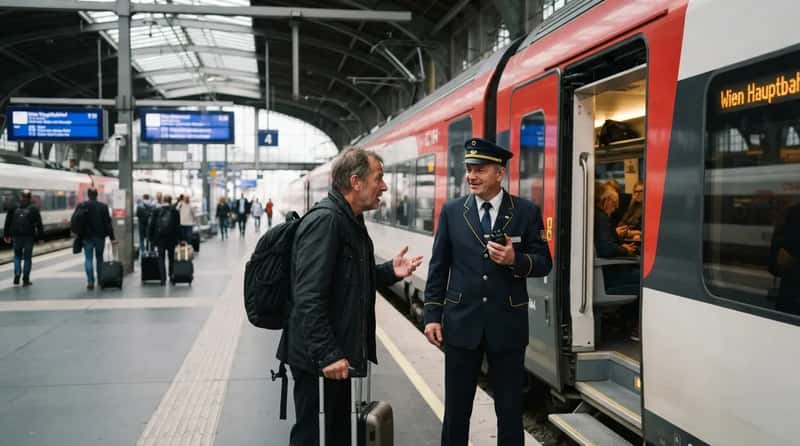
Sprinting through a station convinced your connection already left is one of the most stressful moments in travel. Conductors and station staff communicate more than passengers assume, and short holds for known late arrivals happen more than people expect.
It’s never guaranteed and it’s never advertised, but staff who spot a rushing passenger with a confirmed connection will often radio ahead. A calm, direct ask at the platform door makes a real difference. Panic rarely helps; a clear request usually does.
#20 – Every Bag Gets Handled for Free, Regardless of What Class You’re Riding
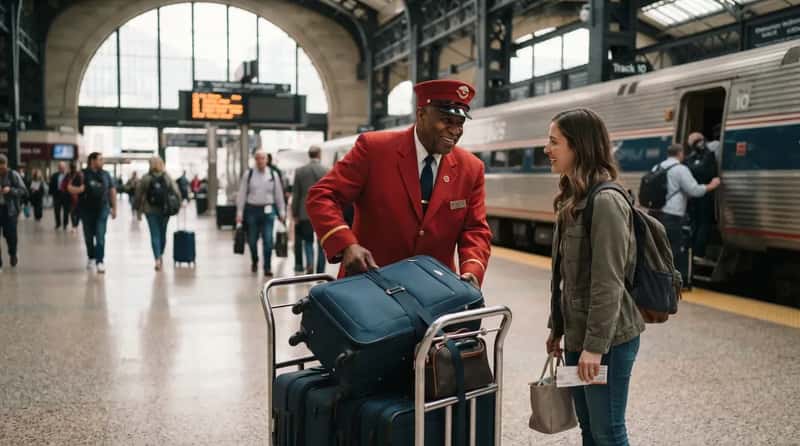
Passengers routinely assume baggage assistance is a paid perk reserved for premium tickets. That belief keeps thousands of travelers hauling suitcases up stairs alone every single day for absolutely no reason.
Red Cap service offers dedicated staff for free baggage handling at select stations, regardless of what class of ticket a rider holds. Every ticketed passenger is eligible, no upgrade required. The service costs nothing, yet most coach passengers never even look for the uniforms.
Why It Stands Out
- Free for every ticketed passenger, any class
- No upgrade or membership required
- Staff are easy to spot in uniform near entrances
- Available at select larger stations nationwide
#19 – Non-Ticketed Family Can Still Walk You Right to the Platform
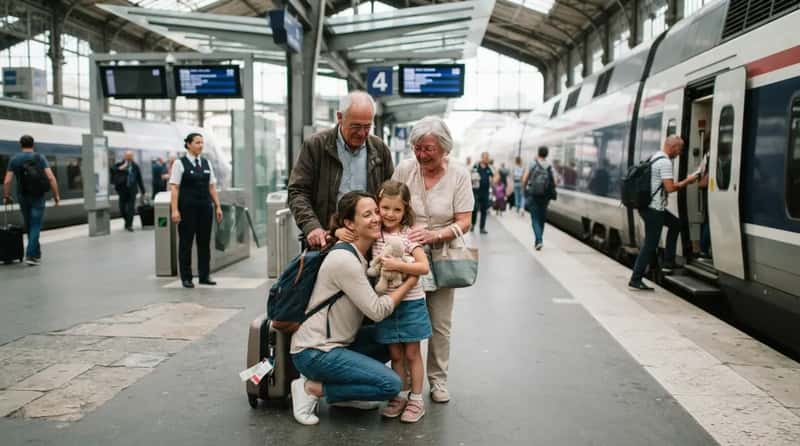
Saying goodbye at the door feels final to most travelers, who assume only ticketed passengers can go near the tracks. Depending on the station and its security level, staff will sometimes issue a short-term platform pass for family members seeing someone off.
This is especially common for military departures, elderly travelers, or families with small children who need extra hands during boarding. It’s never guaranteed, but a polite ask at the gate desk opens doors that the signage suggests are closed. The worst possible outcome of asking is simply hearing “no.”
#18 – A Quieter Seat Materializes the Second You Ask for One
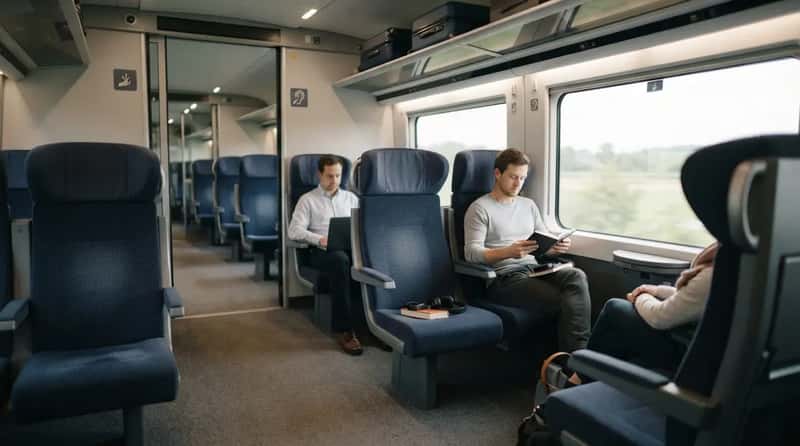
Riders assume seat assignments are locked the moment a ticket prints, so they suffer through noisy sections in silence. Conductors and gate agents reseat people constantly, especially when someone politely requests a quiet car before boarding.
Business travelers who need to work, parents managing a sleeping toddler, and anyone sensitive to noise all benefit from this. Staff would rather move one passenger than manage a car full of complaints later. A five-second request at the gate desk is often all it takes.
#17 – First-Timers Get Walked Straight to Their Seat, No Judgment Attached
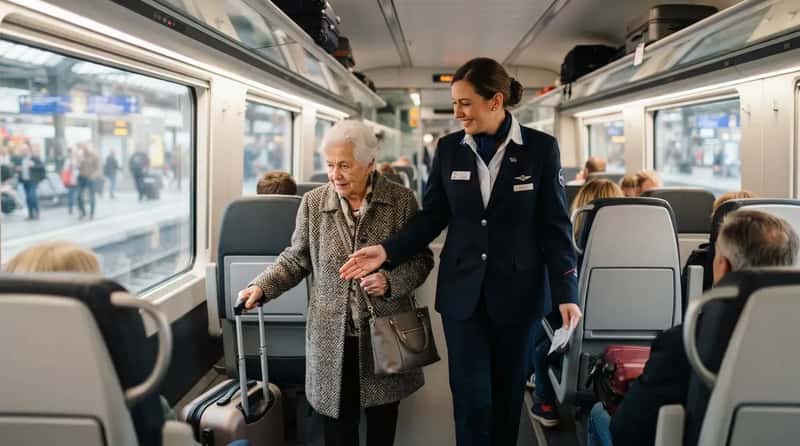
First-time train riders often freeze at busy stations, terrified of boarding the wrong car or missing an announcement entirely. Station staff notice this hesitation constantly and step in far more warmly than nervous travelers expect.
A simple admission of “I’ve never done this before” tends to get someone escorted directly to their seat instead of just pointed toward a platform number. It isn’t official policy so much as basic instinct among staff who see the same confusion every day. Travelers who stay quiet out of embarrassment miss out entirely.
#16 – Unaccompanied Kids Get Escorted Door to Door, Not Just Paperwork to Paperwork
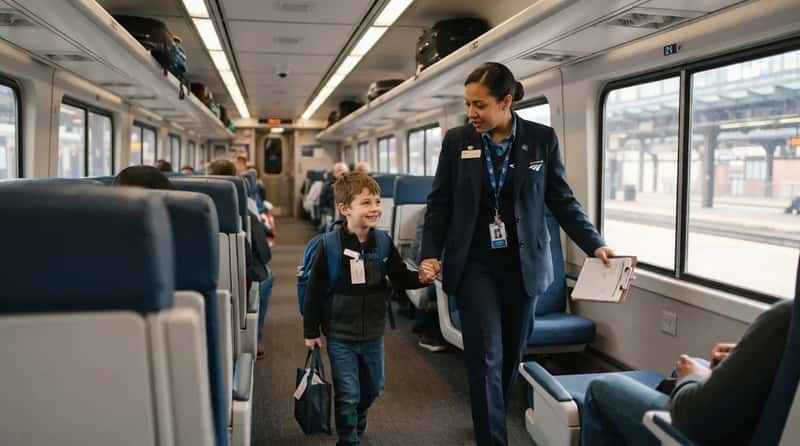
Parents sending a child on a train alone assume the process is cold and transactional, handled purely through forms at a counter. In practice, staff supervising unaccompanied minor programs tend to personally walk kids from the waiting area to their exact seat.
Families who ask detailed questions ahead of time, about timing, transfers, and pickup verification, get far more hands-on communication than the standard paperwork suggests. Staff will often double-check ID at pickup without being asked twice, because they’ve seen what happens when they don’t. The extra attention is real, but it only shows up when parents actually ask for it.
#15 – A Phone Call Can Untangle a Multi-Leg Trip Before You Ever Reach the Station
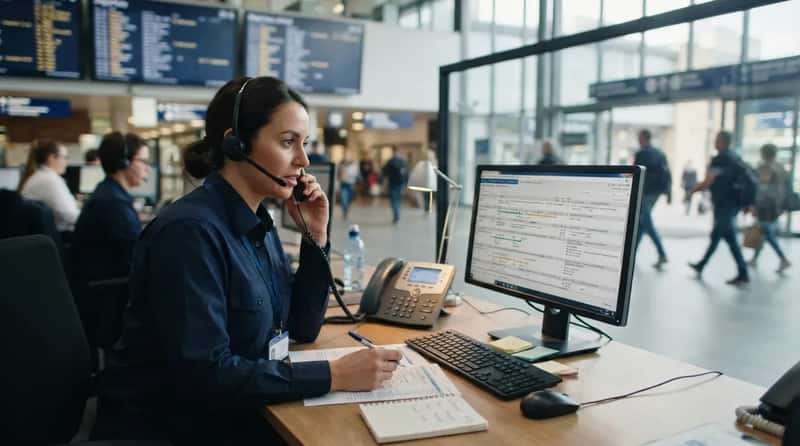
Travelers with connecting cities or accessibility needs often assume phone support can only answer basic scheduling questions. Experienced agents actually enjoy untangling complicated routes, and they’ll spend real time mapping a full journey before anyone sets foot in the building.
Calling ahead instead of showing up cold means arriving with a plan already confirmed. Staff can flag accessibility needs, connection risks, and seating requests in the system in advance. Most people skip this step entirely and pay for it in confusion later.
#14 – There’s a Quiet Corner for Your Nervous Pet That Never Shows Up on Any Map
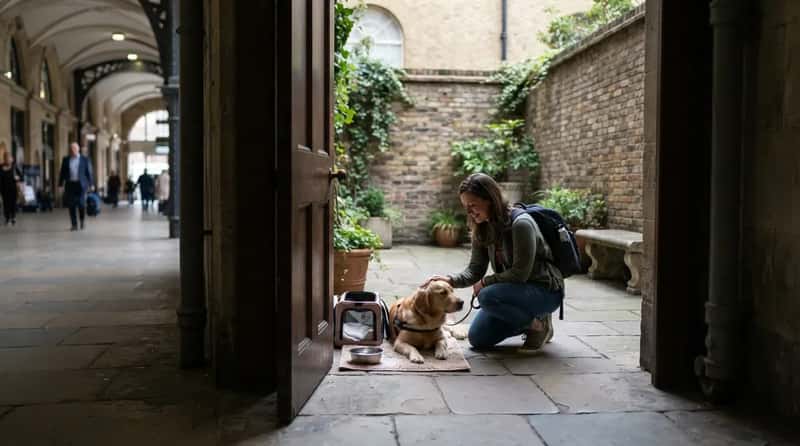
Pet owners traveling with service animals or small carriers often assume there’s nowhere appropriate to let an animal out before a long trip. Many station teams know exactly where a quiet, low-traffic spot exists, even if no sign ever points to it.
Asking staff directly, rather than wandering the terminal alone, spares both a stressed pet and an equally stressed owner. This kind of local knowledge almost never makes it onto a station map. It only surfaces when someone actually asks the person standing at the desk.
#13 – A Long Delay Can Quietly Turn Into a Free Meal
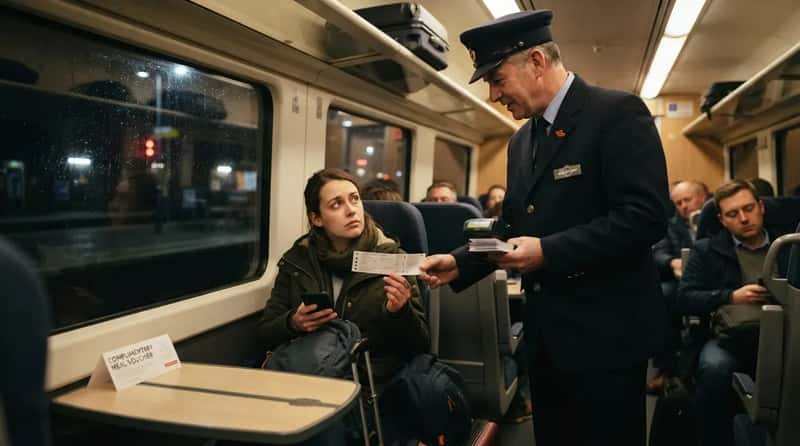
Passengers stuck on a delayed train assume they’re simply out of luck and out of a meal. Station and onboard staff frequently have discretion to issue food vouchers once a delay crosses a certain length, even without any official announcement.
It isn’t printed on the ticket and it isn’t guaranteed, but staff who see visibly hungry, frustrated passengers will often offer a voucher before being asked. Travelers who raise the issue calmly after a long delay get results more often than those who just complain online instead. A direct, polite question to a conductor can turn a miserable delay into a free dinner.
Worth Knowing
- Vouchers are discretionary, not automatic
- Typically triggered by longer delays
- Best offered directly by conductors or station staff
- A calm, direct request works better than a complaint
#12 – A Dead Phone Gets Revived at the Info Desk Without an Outlet in Sight
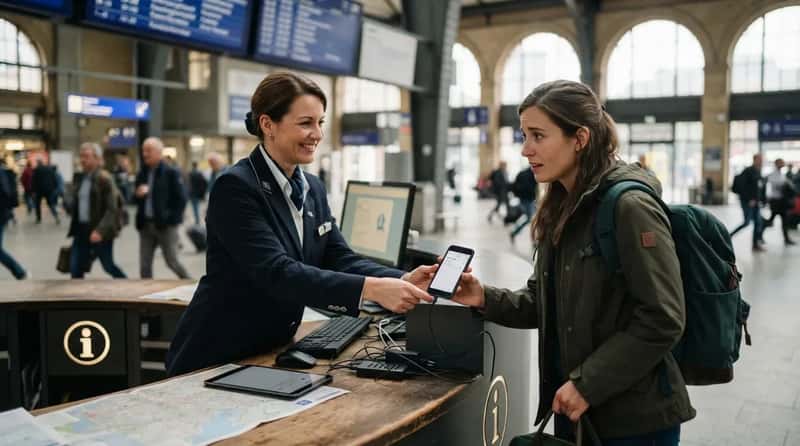
A dead phone in an unfamiliar station feels like a minor crisis, especially when a ticket or confirmation code lives only in an email. Information desks routinely keep a charging cable on hand specifically for this exact situation, whether or not a public outlet is nearby.
Staff would rather lend a five-minute charge than deal with a passenger who can’t board because their ticket won’t load. It’s a small favor that saves everyone time. Most travelers never think to ask until they’re already panicking near the gate.
#11 – Staff Know the Building Better Than Any Map Bolted to the Wall
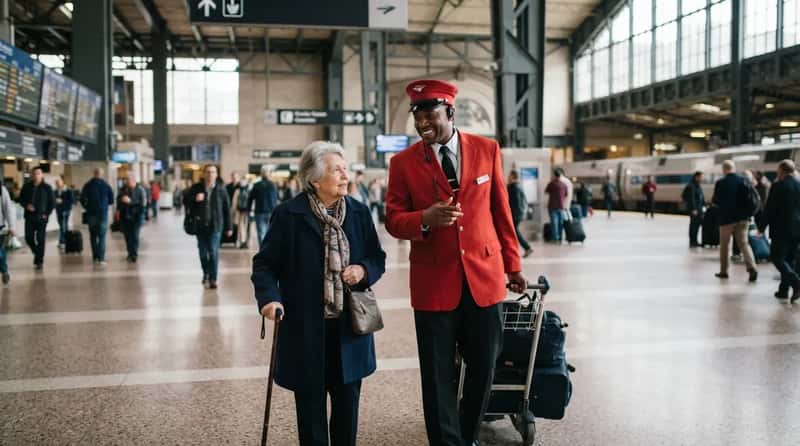
Massive terminals confuse even frequent travelers, and most people assume staff only know train-related directions. In reality, employees who work a station daily know the building better than any posted map, right down to which bathroom line moves fastest.
Red Cap staff do more than carry luggage; they help passengers with disabilities and large groups navigate the entire station, since sometimes even the restrooms are genuinely hard to find. That level of local knowledge is rarely posted anywhere official. Asking a uniformed staff member beats wandering for ten extra minutes every time.
#10 – A Better Seat for a Sore Back Requires Nothing More Than Saying So
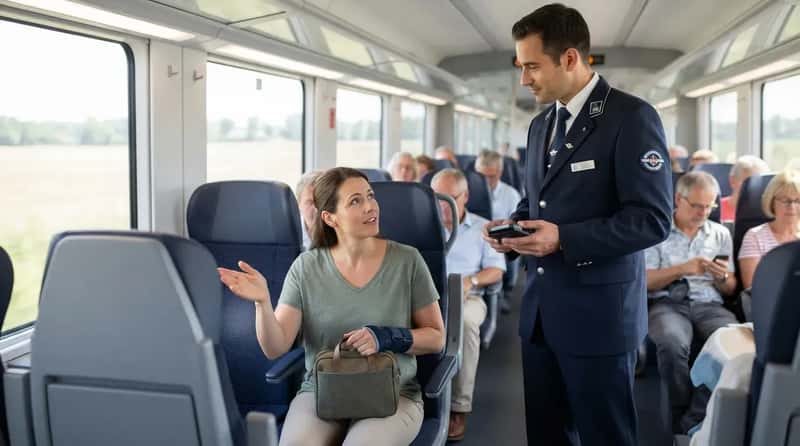
Riders with joint pain, pregnancy, or other medical concerns often assume they need a doctor’s note to request a better seat. Conductors regularly reseat passengers on the spot for comfort reasons, based on nothing more than a polite verbal explanation.
This is especially common for aisle access, extra legroom, or seats closer to a restroom. Staff would rather solve the problem quietly than deal with a passenger in distress later in the trip. The request works far more often than the paperwork-heavy assumption suggests.
#9 – Veterans Get Flexibility the Website Never Advertises
Military families often assume discounts only apply automatically through a booking website, missing out on flexibility available directly at the counter. Station staff frequently have room to waive change fees or adjust bookings for active duty and veteran travelers who explain their situation in person.
This matters most around deployment schedules, where official timing can shift with little warning. A calm explanation at the desk tends to earn more flexibility than a rigid online change ever will. Most veterans never realize how much wiggle room exists until they simply ask.
#8 – An Extra Bike Box Squeezes On When the Train Isn’t Full
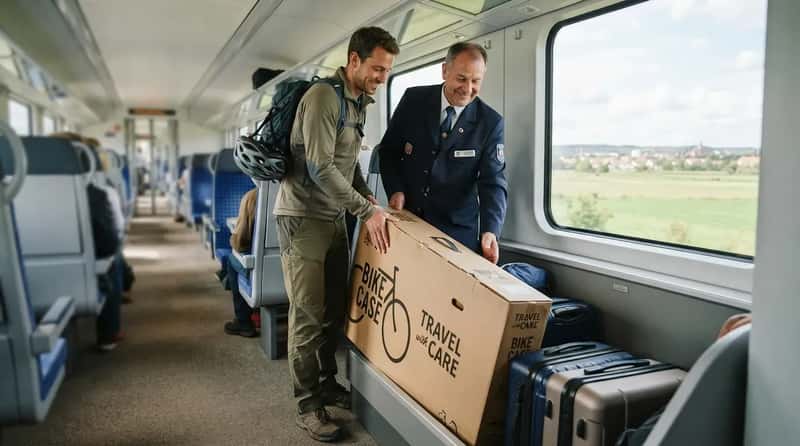
Cyclists traveling with bike boxes often assume space is rigidly capped no matter what, based on printed booking limits. On trains running below capacity, staff frequently make room for an extra bike box that was never part of the original reservation.
This isn’t advertised on the ticketing page, since available space genuinely shifts day to day. Staff who see a lightly booked train have real incentive to say yes rather than turn away a paying customer. Asking at the counter, instead of assuming rejection, is the only way to find out.
#7 – Language Barriers Dissolve Faster Than Nervous Travelers Expect
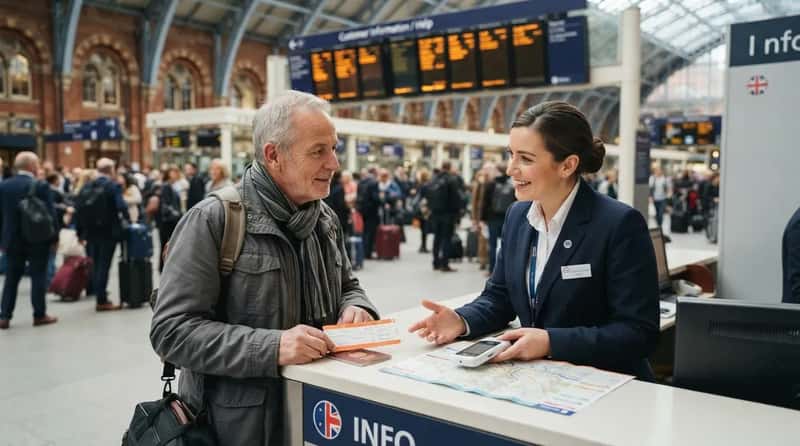
Travelers unfamiliar with English-heavy signage often assume a missed connection means a frantic, language-barrier-filled scramble. Larger stations frequently have multilingual staff or translation tools ready specifically for this kind of situation, even if it isn’t obvious from the counter.
Staff have handled this exact scenario more times than passengers realize, and most genuinely want to help rather than rush someone along. The willingness to slow down and communicate clearly is far higher than nervous travelers expect. A visible effort to communicate almost always gets a patient response in return.
#6 – The Lounge Door Opens Even When You’re Not Sure You Qualify
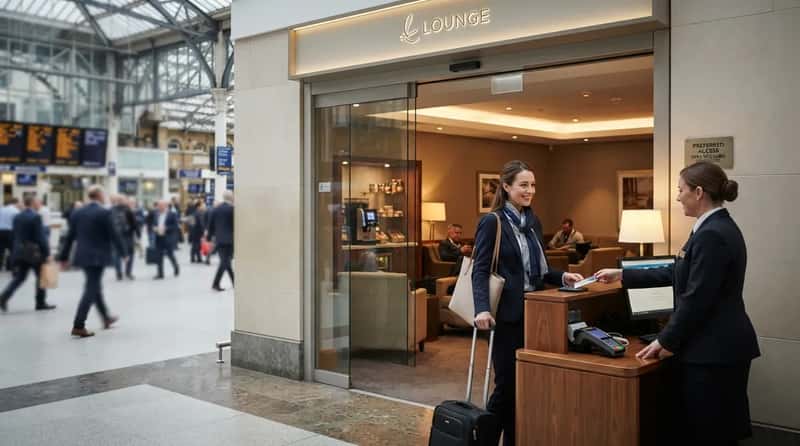
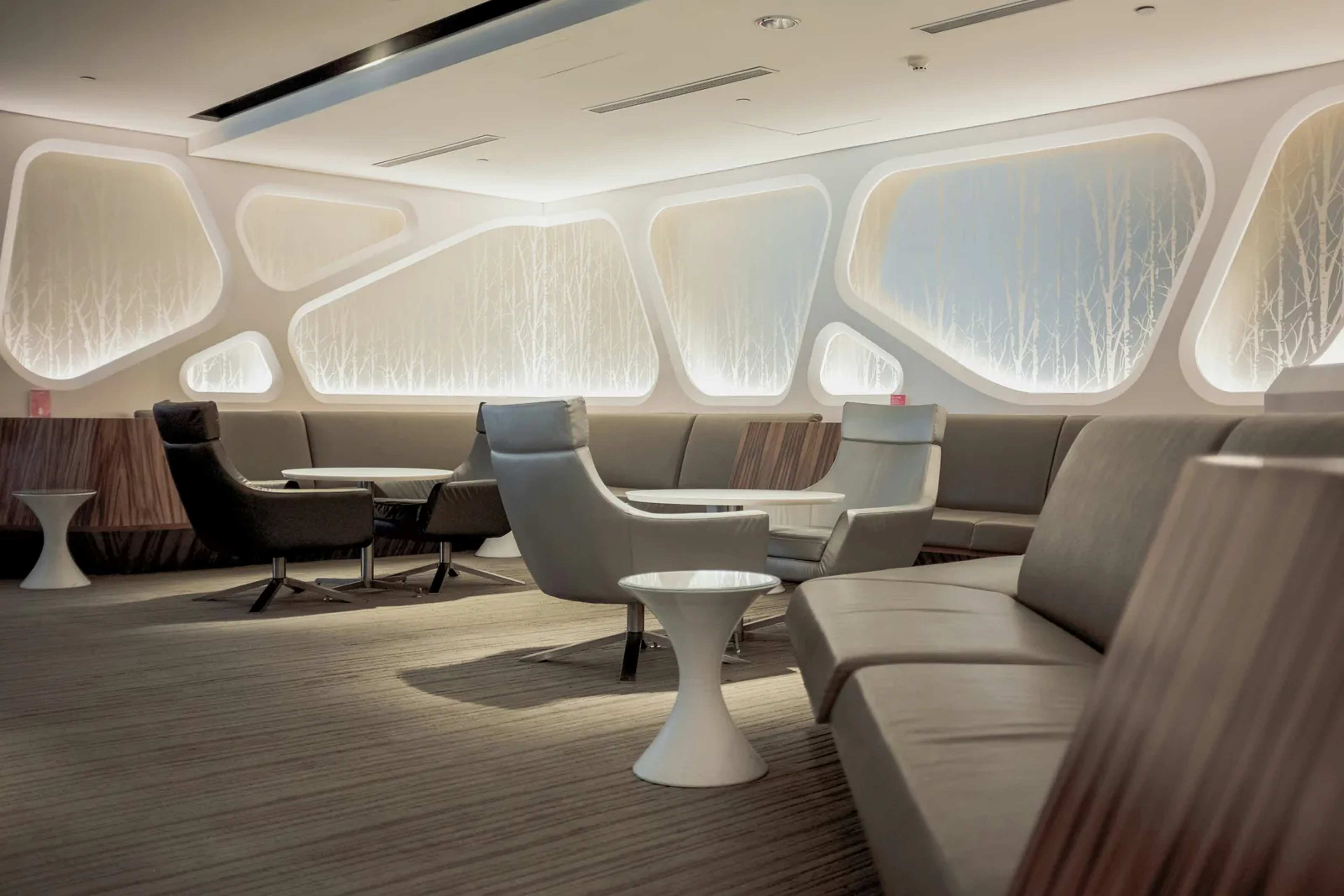
Passengers assume lounge access is strictly locked to specific ticket types, so many never even ask at the door. Available at major stations, these lounges offer comfortable seating, a dedicated agent, and complimentary non-alcoholic drinks, snacks, and WiFi.
Staff at the entrance sometimes have more discretion than the official eligibility chart suggests, particularly during long delays or connection trouble. A polite question at the door costs nothing and occasionally opens it anyway. Most travelers walk right past without ever testing that assumption.
At a Glance
- Comfortable seating away from crowded platforms
- A dedicated agent for questions or rebooking
- Complimentary non-alcoholic drinks and snacks
- Free WiFi for working or streaming
#5 – Early Boarding Isn’t Just for Sleeper Car Passengers
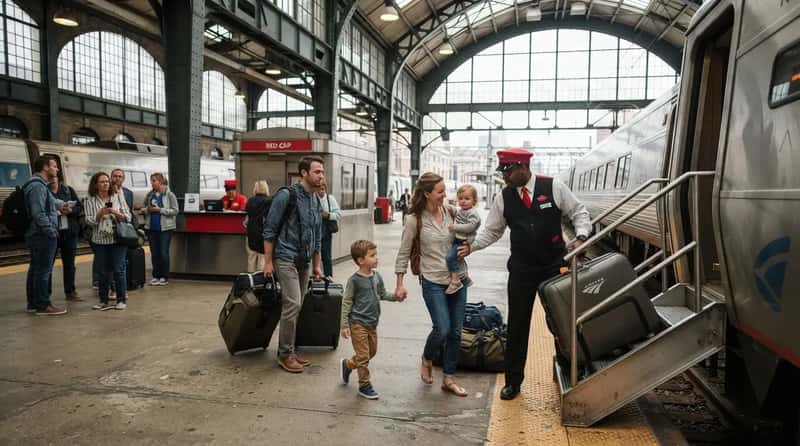
Ticket holders in sleeper cars typically get complimentary priority boarding, but Red Caps can help other passengers board early too, settling them into their seat quickly. Most coach passengers assume this perk is completely off-limits without a premium ticket.
Families with small children, older travelers, and anyone visibly struggling with bags get pulled aside for early boarding more often than people realize. The service is free and open to far more people than the signage implies. Standing near the Red Cap area and simply asking is usually all it takes.
#4 – Staff Spot the Frozen, Confused Look Before You Even Ask for Help
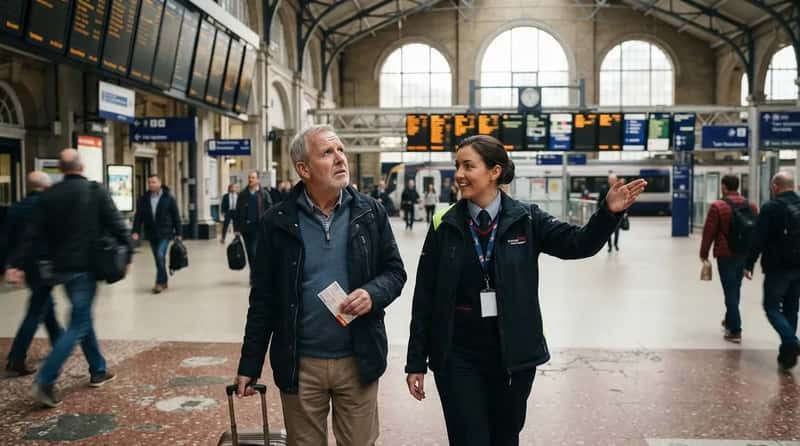
Huge stations intimidate first-time visitors who assume they’ll have to figure everything out on the departure board alone. Staff are trained to spot the particular kind of frozen, scanning-the-signs look that confused travelers get, and many step in before being asked.
Depending on the station, agents might personally walk passengers to their train, especially at smaller-staffed locations. That instinct to help exists even where it isn’t officially advertised anywhere. A confused face at the information desk gets faster help than most people assume.
#3 – Proposals and Milestone Photos Get a Quiet Blind Eye

Couples planning a surprise proposal, or families marking a milestone trip, often assume grand terminals are too strict for anything sentimental. Station staff have seen enough proposals, farewells, and reunions that many are quietly willing to give a couple a few extra minutes near a platform or a scenic corner of the concourse.
This isn’t official policy anywhere, but a heads-up conversation with staff beforehand tends to earn real cooperation instead of a rushed interruption. Staff would rather help a moment happen smoothly than police it strictly. Asking ahead of time changes the entire experience.
#2 – The Wheelchair Lift Moves the Second Someone Flags It Down
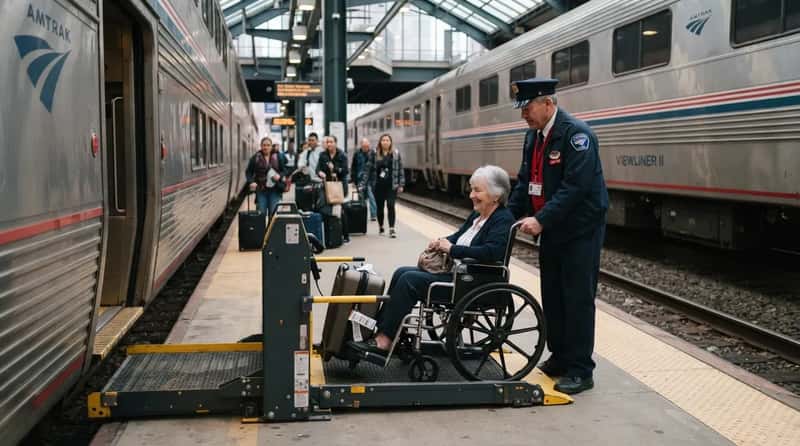
Riders with mobility needs sometimes assume they need to book lift assistance far in advance or risk being left behind. Red Cap agents can help ensure wheelchair lifts are in place for whoever needs them, along with any other accessibility needs that come up.
Passengers are encouraged to accept assistance only from uniformed Red Cap agents, and any baggage handled this way is protected by a claim check. The lift itself is rarely the bottleneck; knowing to ask early is. A quick flag-down at the entrance is usually enough to get equipment moving fast.
#1 – Doors Hold a Few Extra Seconds for Someone Sprinting Down the Platform
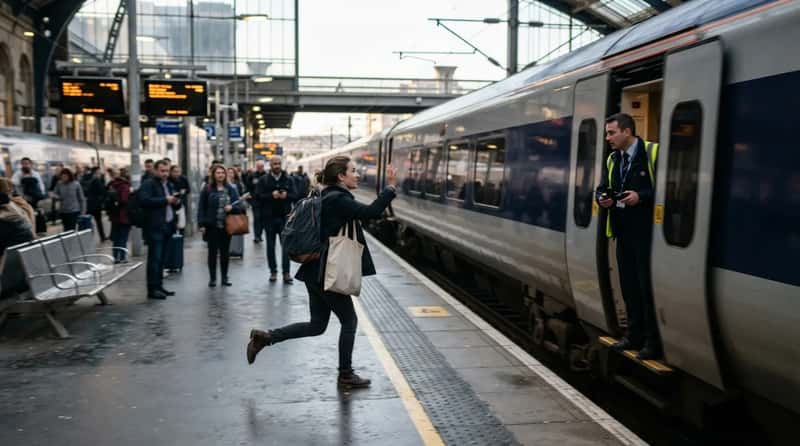
Nothing feels more final than watching train doors close while sprinting down a platform, and most passengers assume that moment is simply unrecoverable. Conductors and platform staff make split-second judgment calls constantly, and a visibly running passenger with a confirmed ticket often buys exactly the few extra seconds needed.
This is never guaranteed, and staff won’t risk safety for it, but the instinct to help a clearly panicked, clearly ticketed traveler is more common than the strict schedule suggests. It’s the single most repeated story from station staff: how often a little patience saved someone’s entire trip. Waving an arm and making eye contact works better than most people expect.
None of this is secret policy buried in fine print. It’s simply what happens when people treat station staff like the resourceful problem-solvers they actually are, instead of ticket-scanning robots standing behind a counter.
Time and again, the real gap isn’t in what stations are willing to do. It’s in how rarely passengers ever bother to ask.