Most people assume tour guides are just narrators with a microphone and a flag. Turns out, the real job description is closer to hostage negotiator, wildlife referee, and unpaid therapist rolled into one. Guides rarely say what they’re actually thinking out loud, but their stories eventually leak out anyway.
What follows isn’t a list of harmless quirks. These are the real, recurring moments that make professional guides grit their teeth, bite their tongue, and quietly wonder how some people made it through airport security. Here’s what tour guides actually say happens behind the scenes, once the group walks away and the stories finally come out.
#26 – Grabbing “Do Not Touch” Art Like It’s a Petting Zoo
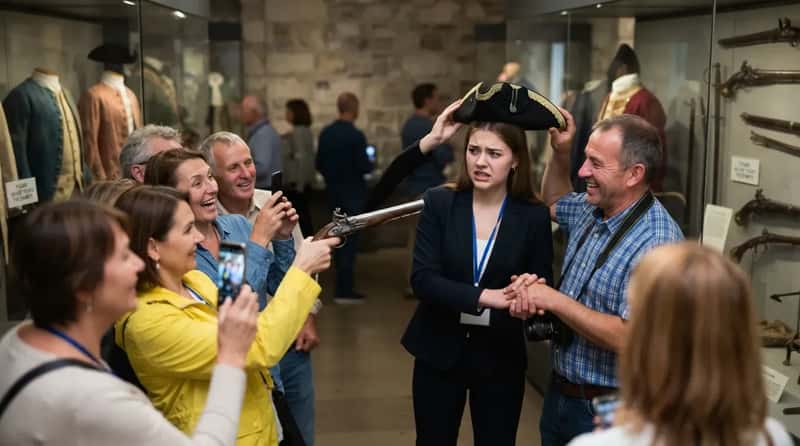
One museum intern’s tour turned into a slow-motion disaster when a group started treating priceless artifacts like party props. Half the group snapped photos while the other half tried to get a display hat onto the guide’s head. The guide had to physically step in and remove the items before continuing.
It didn’t end there. The moment the guide turned away to handle it, the group grabbed the pieces again and kept trying to dress the guide up for a photo. It escalated fast enough that a supervisor eventually had to step in just to keep the tour from being cancelled entirely.
#25 – Insisting “Good American Money” Solves Everything
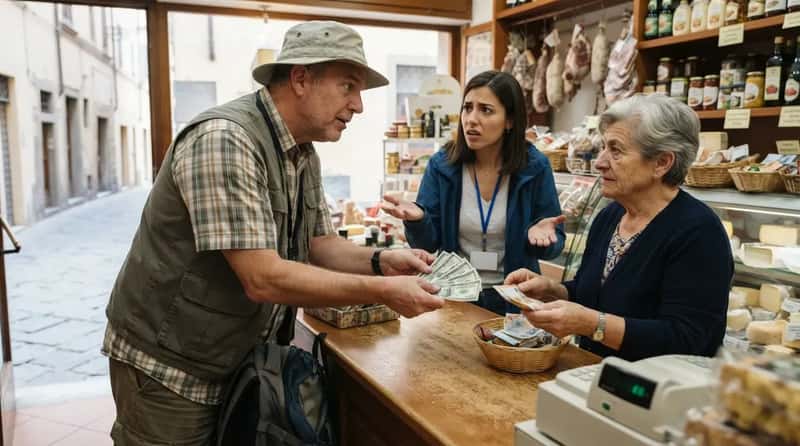
Some travelers treat US dollars like a universal currency every country should gratefully accept. International visitors sometimes try to “help” local shopkeepers by insisting on paying in dollars in countries that use the euro, arguing that “good American money” is basically doing the vendor a favor. It rarely goes the way they expect.
This forces guides into the role of awkward mediator between a stubborn tourist and a frustrated clerk, since most businesses have strict policies and simply cannot accept foreign cash. A five-minute currency exchange before the trip would have solved the entire standoff before it started.
#24 – Turning the Tour Bus Stop Into a Trash Can
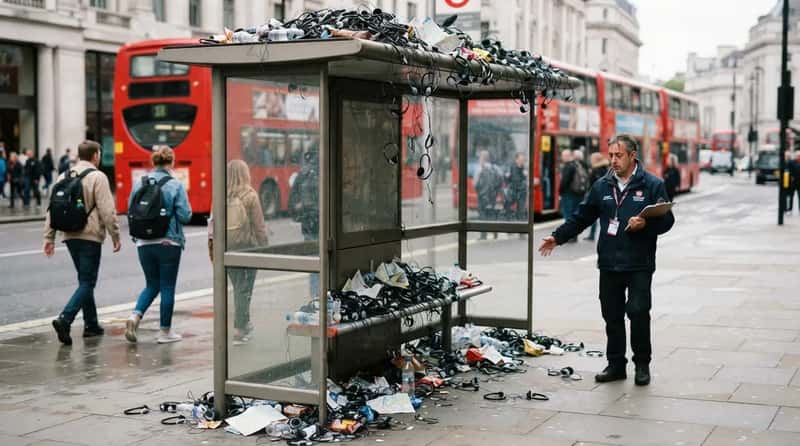
After a long day of sightseeing, some tourists apparently decide cleanup is somebody else’s problem. One widely shared example showed hundreds of double-decker bus tourists in London dumping their rented headphones directly on top of a bus stop instead of returning them properly. Guides often spend the last ten minutes of a tour just picking up after the group.
It’s a small thing individually, but multiplied across an entire tour’s worth of guests, it becomes a genuine logistics headache. Guides say the cleanup habit says more about a traveler’s mindset than almost anything else on the trip.
#23 – Interrupting With Half-Remembered “Fun Facts”
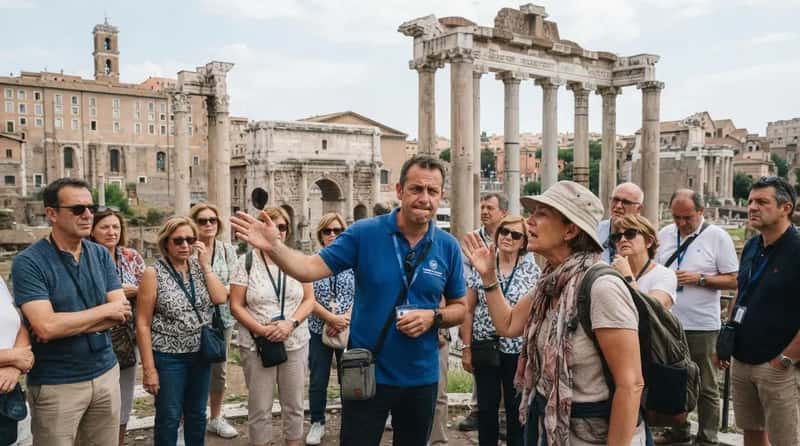
Every group seems to have one person who did a late-night Wikipedia deep dive and can’t wait to prove it. There’s always somebody jumping in mid-sentence while the guide is explaining the significance of a 400-year-old structure, correcting details that don’t even need correcting. It derails the story almost every single time.
A half-remembered factoid rarely adds anything, especially when narrating the story correctly is literally the guide’s job. Most guides spend years building a narrative arc for their tour, and a random tangent can knock the entire group off rhythm in seconds.
#22 – Playing Amateur Translator Mid-Tour
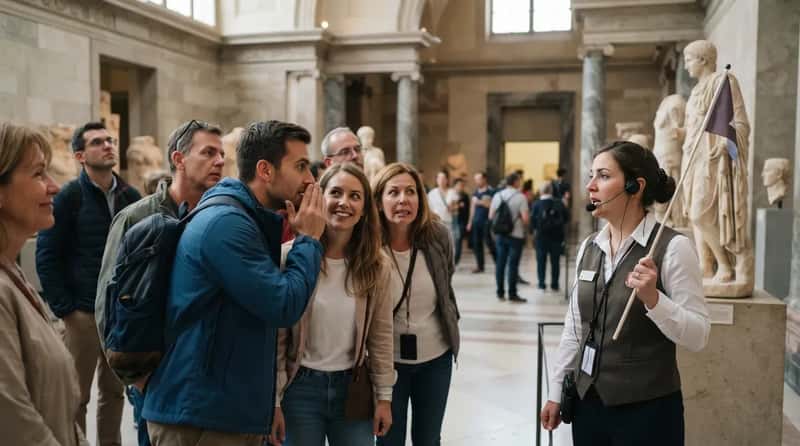
Bilingual travelers sometimes think they’re being helpful by whispering translations to non-English speakers in the group. It seems thoughtful right up until two separate conversations are happening at once, and the guide loses control of the room almost instantly.
By the time the guide notices, half the group is lagging on a completely different track. Most professional guides can manage multilingual groups just fine, if only somebody actually tells them about the language gap in advance.
#21 – Appointing Themselves the Group’s Unofficial Drill Sergeant
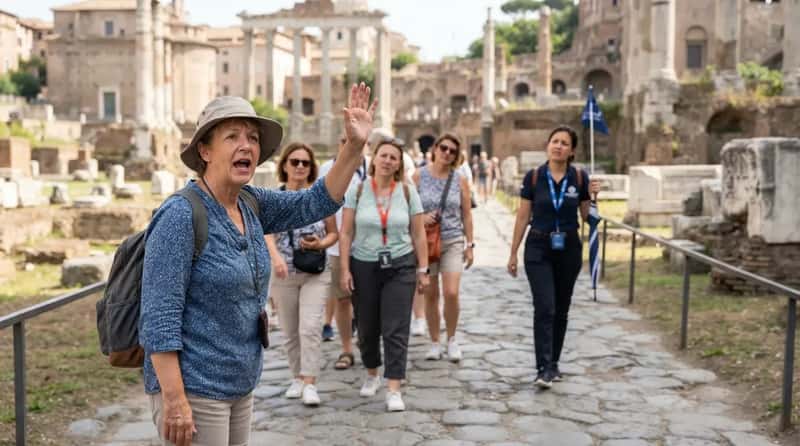
There’s always one guest who decides the tour needs a volunteer enforcer. Certain tourists appoint themselves the unofficial marshal, hanging back to wave people forward and loudly announce “Come on, keep up!” to strangers who didn’t ask for the reminder. It sounds helpful, but guides say it almost never is.
Most professional guides already use a structured system where one leads and another sweeps the rear, so the self-appointed wrangler ends up disrupting that rhythm instead of helping it. The irony is that the “helper” usually slows the group down more than the stragglers ever did.
#20 – Wearing Shiny Jewelry on a Wildlife Tour
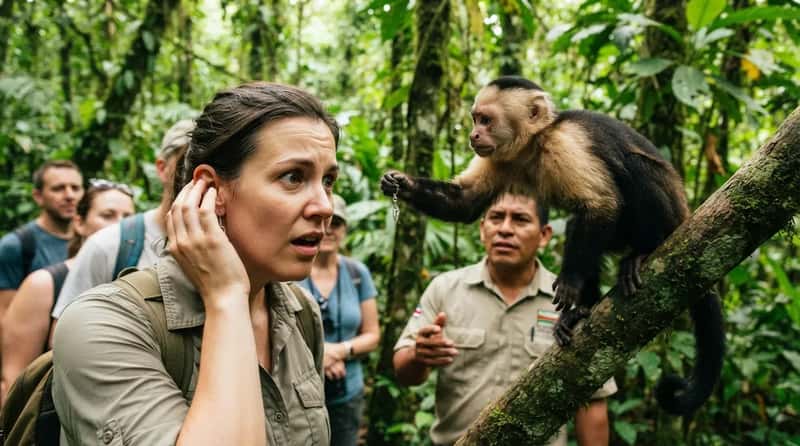
Guides warn guests about wildlife behavior for a reason, and sometimes the warning gets ignored anyway. One woman on a jungle tour insisted on wearing shiny earrings despite being told they attract monkeys, and predictably, the local primates snatched the jewelry right out of her ears minutes later.
Guides say this is one of the most common “I told you so” moments in the business. Wildlife tour dress codes exist for practical, tested reasons, not aesthetics, and ignoring them almost always ends with a lost earring, a scratched arm, or a much shorter photo op than planned.
Worth Knowing
- Wildlife guides typically ask visitors to skip loose jewelry, dangling earrings, and anything shiny before entering monkey habitats.
- Bright colors and reflective sunglasses can also draw unwanted attention from curious primates.
- Zippered pockets and secured bags are usually recommended over open totes or slung purses.
- Once an item is snatched, guides say it’s almost impossible to get back safely.
#19 – Asking the Guide How Much Money They Make
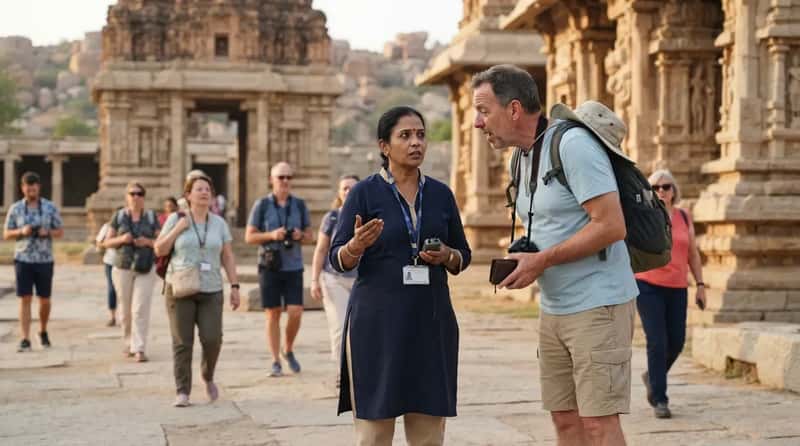
Personal questions land very differently depending on where you’re standing in the world. Many cultures find it deeply impolite to ask “Do you have a real job?”, “Are you married?” or “How much money do you make?”, and these questions can run from mildly annoying to outright risky for the guide answering them.
Official tours in China are heavily regulated, so personal questions can put guides in a genuinely uncomfortable spot, and in parts of India or Eastern Europe the same questions can come across as invasive and brash. Guides say the safest rule of thumb is simple: save personal curiosity for the end of the tour, never the middle of a historical explanation.
#18 – Demanding the Itinerary Bend Around Them
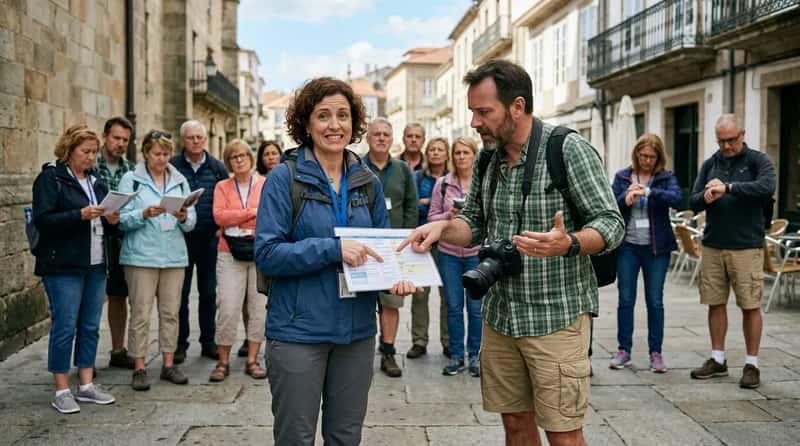
Some guests treat a fixed group schedule like a personal suggestion box. Guides describe constant pressure to skip stops, extend lunch, or rearrange an entire day because one person changed their mind halfway through. It sounds like a small ask, but it ripples through the whole group’s experience.
What guides actually resent isn’t flexibility itself, it’s the assumption that bending the schedule costs nothing. Every rearranged stop means less time somewhere else, and somebody in the group always ends up shortchanged without realizing why.
#17 – Sitting on Museum Exhibits Like It’s a Photo Booth
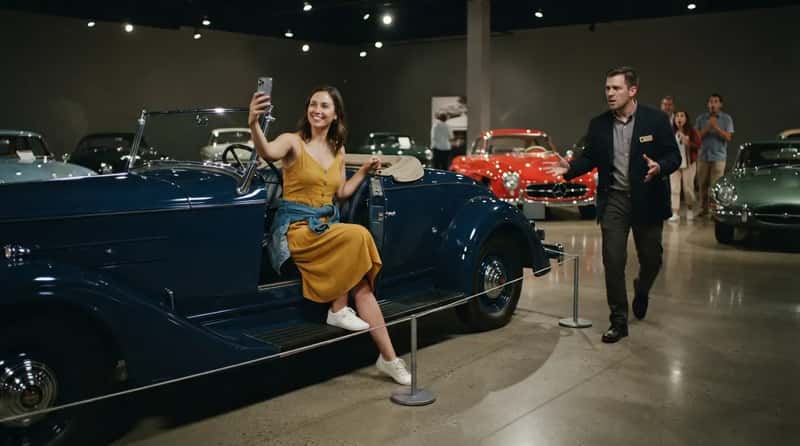
Museums are full of objects that look sturdier than they actually are, and some visitors treat that as an invitation. One museum visitor was documented climbing onto a classic car that was literally on display for preservation, just to get a photo, and had done it on multiple cars, more than once, before staff finally intervened.
Guides say “just one quick photo” is the most common excuse they hear right before something gets damaged. Museum pieces are often far more fragile than they look, and a single careless pose can undo decades of preservation work in seconds.
#16 – Calling Spanish “Mexican” and Refusing Correction

Language mix-ups happen, but some tourists dig in when corrected instead of just accepting it. On a family trip to Spain, one tourist kept asking why everybody was speaking “Mexican,” and despite the guide and the rest of the group repeatedly explaining it was Spanish, he kept doing it anyway, all week long.
Guides say moments like this aren’t really about language at all, they’re about a stubborn refusal to update an assumption once it’s already been proven wrong. It’s a small mistake that somehow keeps repeating itself trip after trip, group after group, country after country.
#15 – Ignoring Dress Codes at Sacred Sites

Religious sites around the world post dress codes for a reason, and plenty of visitors treat them as optional. Guides regularly have to turn guests away at the door, hand out spare scarves, or delay an entire group while someone runs back to change clothes. It’s an entirely avoidable delay that happens almost every day at major cathedrals, temples, and mosques.
What frustrates guides most isn’t the mistake itself, it’s that the dress code is usually posted clearly at the entrance, in the confirmation email, and often on the tour company’s own website. The rule is rarely a surprise, yet it derails the schedule constantly anyway.
Quick Compare
- Catholic cathedrals: shoulders and knees covered, no sleeveless tops.
- Buddhist temples: shoes off before entering, legs covered past the knee.
- Mosques: head coverings for women, loose-fitting clothing for everyone.
- Orthodox churches: scarves often required for women, shorts discouraged across the board.
#14 – Feeding Wild Animals Their Lunch
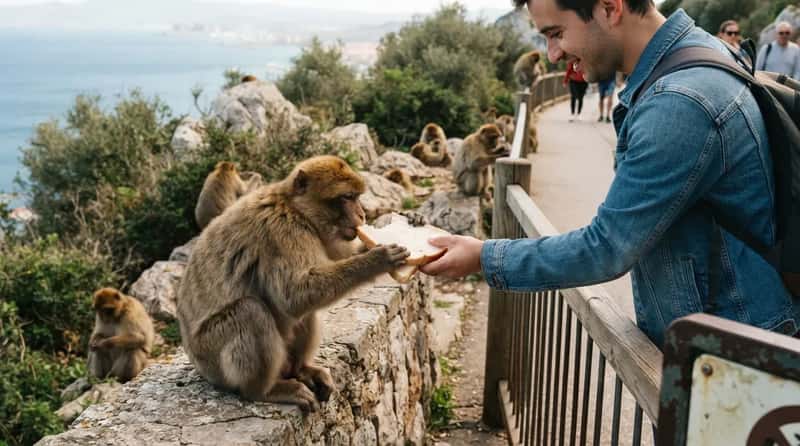
Sharing a sandwich with a wild animal feels generous in the moment, but guides know exactly how it usually ends. Visitors often think they’re being kind by sharing snacks at primate sanctuaries or near penguin colonies, ignoring posted “no entry” signs just to get closer for a feeding photo.
These interactions can lead to real aggression, a bite from a hungry monkey or a lunge from a protective penguin. The animal isn’t being cruel, it’s simply responding exactly the way a wild animal is supposed to respond to being fed by strangers.
#13 – Leaving One-Star Reviews for Acts of Nature

Some complaints genuinely leave guides speechless. One tourist gave Yellowstone a one-star review for being closed, describing a “dream road trip of a lifetime” and “thousands of dollars invested,” without ever mentioning the closure was caused by historic, record-breaking flooding.
Guides say reviews like this reveal a deeper misunderstanding of how national parks actually work. A flood, a wildfire, or a landslide isn’t a service failure, and no amount of advance planning changes that. Yet the one-star review lands on the guide’s rating anyway, fair or not.
Fast Facts
- Flooding, rockslides and mudslides caused heavy damage and forced evacuations on June 10-13, 2022.
- About 10,000 visitors and 2,200 concession employees were evacuated from the park.
- The entire park was closed on June 13, with the west, south and east entrances reopening nine days later.
- Park officials refer to the natural disaster as a 500-year flood event.
#12 – Scattering a Loved One’s Ashes on the Wine

Tributes are meant to be personal, but some go sideways fast. At one winery, a visitor scattered a relative’s ashes over the merlot vines as a personal tribute. The gesture came from a good place, but the outcome created a real, practical problem.
Placing human remains on food-producing plants can violate sanitation regulations, and incidents like this force guides to explain the rules and manage an incredibly awkward moment mid-tour. What was meant as a beautiful gesture turned into a compliance conversation nobody wanted to have.
#11 – Letting Kids Treat Priceless Artifacts Like a Jungle Gym
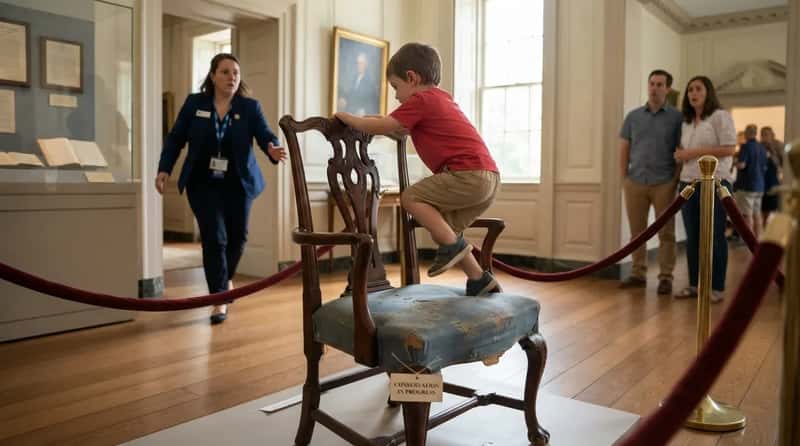
Museum staff say the worst incidents almost always start with an unsupervised kid. In one group, parents let their child run wild inside a museum holding priceless pieces once owned by George Washington, including a chair flagged for restoration but still on display.
Staff repeatedly asked the parents to calm the child down, but they just nodded and did nothing, until the kid finally threw himself into the chair. Predictably, something gave way, and a historically significant piece was damaged over a completely preventable moment of inattention.
#10 – Showing Up Late, Then Blaming the Guide
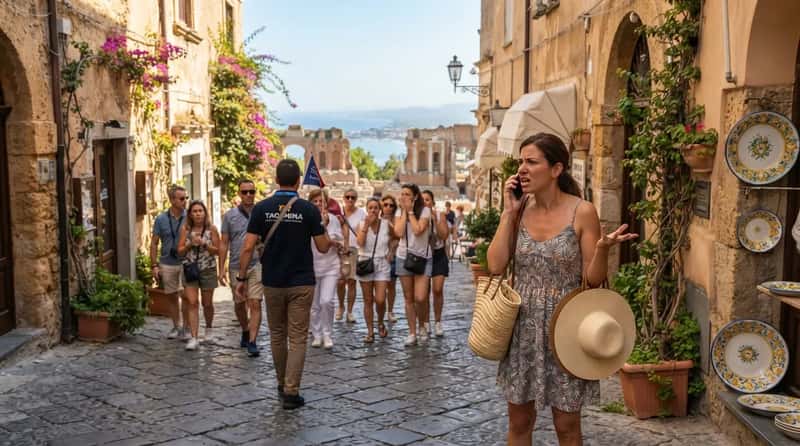
Some guests treat a group departure time as more of a rough estimate. One guide leading a group through Sicily said one woman repeatedly failed to show up on time, despite printed pamphlets with the schedule and clear written and verbal reminders about departure.
When the group finally left without her, the fallout was immediate. She called the guide furious, insisting she’d been cheated out of her money, then told the rest of the group the guide had “abandoned” her and left a scathing review. Commenters overwhelmingly sided with the guide, but the hit to their professional reputation still stung.
#9 – Lecturing an Entire Country About Their Own Culture

Few things frustrate a local guide more than a visitor explaining their own culture back to them, incorrectly. In one widely shared example, a tourist at a café confronted several dog owners about pet etiquette, and when asked to move tables after the confrontation grew heated, complained that others simply lacked empathy for her viewpoint.
Guides say this kind of cultural override happens constantly, whether it’s dogs in cafés, tipping norms, or how a queue is supposed to work. The country doesn’t need a lecture on its own customs, and guides are usually the ones left smoothing things over afterward.
#8 – Poking Farm Animals With Sticks
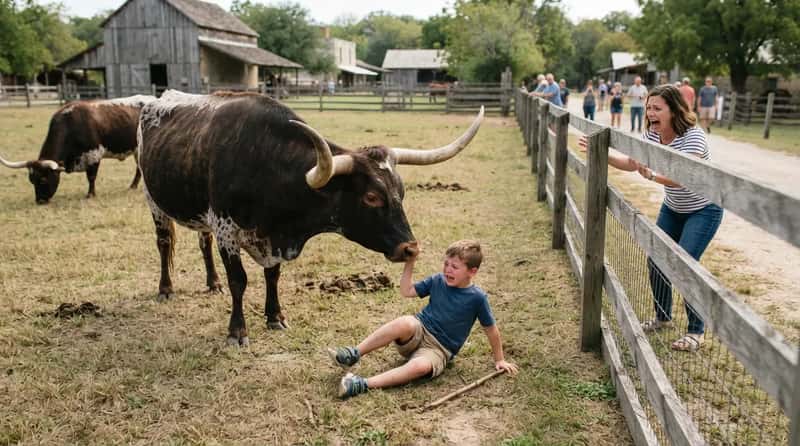
Living history and farm tours run on one basic rule: don’t provoke the livestock. At one living history farm museum, a kid spent an entire tour climbing on exhibits, and afterward was caught climbing into a field with longhorn oxen and trying to poke them with a stick.
The consequence was immediate and entirely predictable. The ox turned its head and knocked the kid flat with one horn, sending him into a full meltdown while his mother panicked nearby. Kid and mother were both promptly removed from the museum, a consequence guides say was fully deserved.
#7 – Insisting Their Vacation Outranks Everyone Else’s Emergency
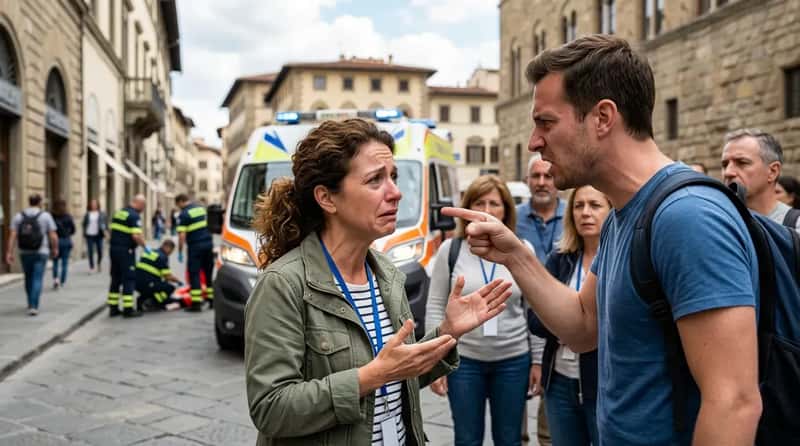
Somewhere along the way, a small number of travelers convinced themselves that a paid vacation trumps everything else happening around them. One tourist-to-be was documented ranking their vacation as more important than someone else’s actual, real-life emergency. Guides say this attitude tends to surface the moment any small delay happens.
It’s a mindset that puts guides in an impossible position: they can’t control weather, traffic, medical emergencies, or airport delays, yet they’re expected to absorb the blame anyway. The vacation matters, but so does everyone else’s actual life, and guides are often the ones stuck explaining that difference in real time.
#6 – Trying to Haggle at a Government Museum Counter
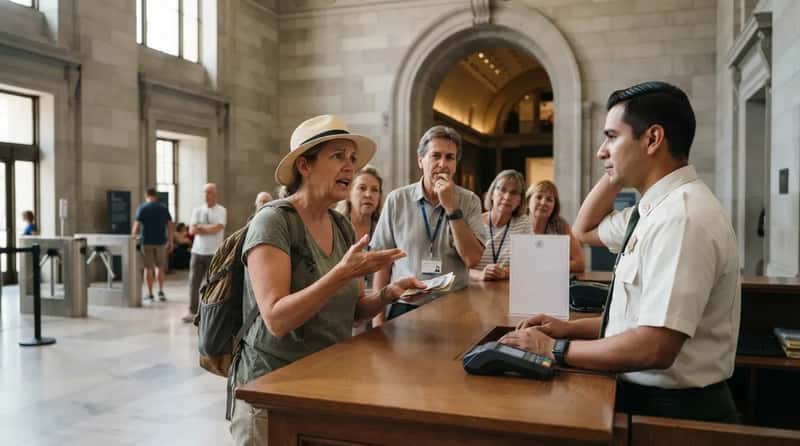
Bargaining is part of the fun in some markets, but plenty of tourists apply it everywhere, including places with fixed, government-set admission prices. Guides say it’s one of the most common awkward moments of a day tour, watching a guest try to negotiate a museum entry fee the same way they’d haggle over a souvenir scarf.
The clerk can’t budge, the guide can’t intervene, and the guest usually walks away irritated anyway. Fixed prices exist for a reason, and no amount of charm changes a government fee schedule. It’s a five-minute delay that plays out on nearly every group tour, somewhere, eventually.
#5 – Demanding to See the “Real” Version of a Scripted Tour

Some travelers assume every official tour is hiding something more “authentic” just out of view. Official tours in some countries are heavily regulated by the government, and pushing a guide for unscripted access or off-the-record commentary can put that guide in a genuinely risky position.
Guides say the request usually comes from a good place, curiosity, but it puts them in a legal and professional bind they never signed up for. What feels like an adventurous question to the tourist can mean real consequences for the person actually leading the tour.
#4 – Complaining Every Foreign City Isn’t Just Like Home
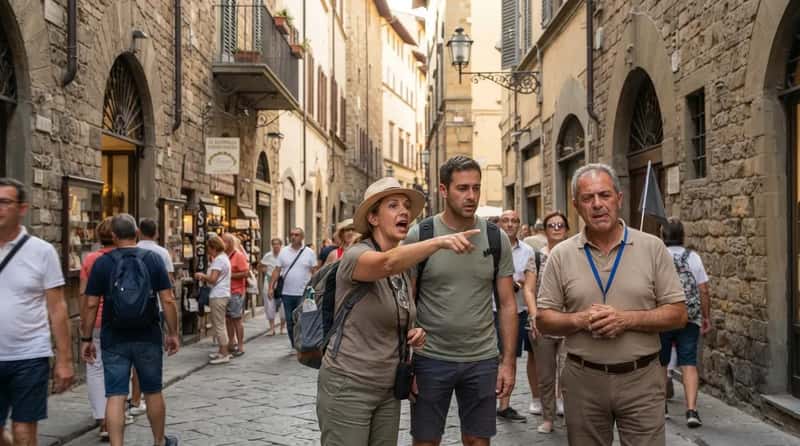
Guides hear a version of this complaint on nearly every international trip: the streets are too narrow, the shops close too early, the coffee is served wrong. It’s less about the destination and more about an expectation that the whole world should mirror one traveler’s hometown.
What guides find most frustrating is that the “problem” is usually the exact thing that made the destination worth visiting in the first place. A centuries-old city wasn’t built around modern convenience, and pointing that out repeatedly rarely lands the way the complaining guest hopes it will.
#3 – Comparing Every Price to What It “Should” Cost Back Home
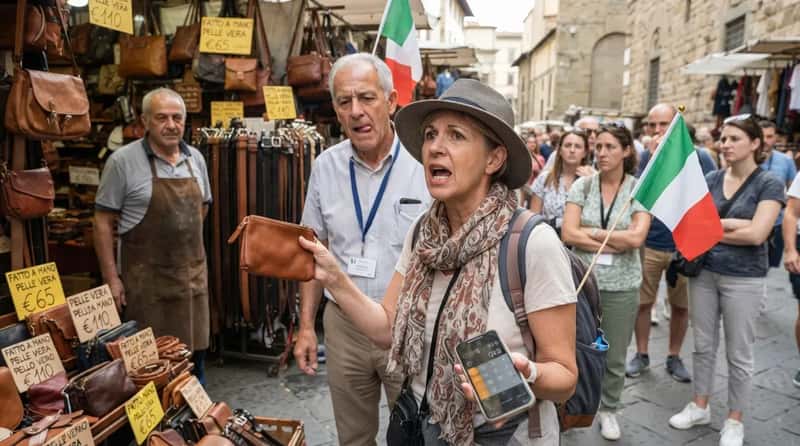
Currency conversion sends some travelers into a spiral of running commentary on every single purchase. Guides describe guests loudly recalculating the price of a coffee, a taxi ride, or a museum ticket back into home-country dollars, out loud, for the entire group to hear.
The habit isn’t just tiring, it can come across as genuinely insulting to local vendors trying to make a living. Guides say the constant math rarely reflects actual cost-of-living differences anyway, and it turns a relaxing outing into an ongoing, unwanted economics lecture.
#2 – Provoking Wild Animals for the Perfect Photo
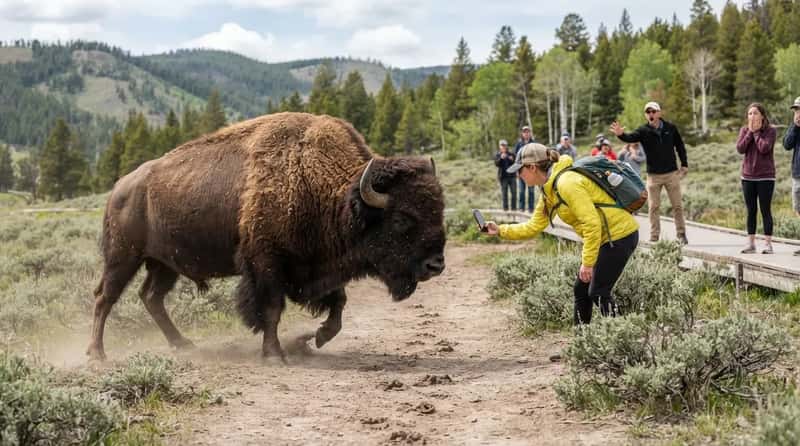
Wildlife encounters bring out a strange kind of confidence in some tourists, the belief that a camera makes them immune to consequences. Guides across the world describe watching guests approach, poke, or corner animals purely to get a better angle, ignoring safety briefings given minutes earlier.
It almost never ends the way the tourist imagined it would. Guides say the pattern repeats constantly: a warning is given, the warning is ignored, and the animal reacts exactly the way wild animals are supposed to react. The photo rarely turns out to be worth what follows.
At a Glance
- Park regulations require visitors to maintain at least 25 yards of space from bison, elk, moose, bighorn sheep, deer and coyotes.
- Male bison can reach up to 2,000 pounds and run up to 30 miles per hour.
- Roughly half of bison attacks happen when a tourist attempts to take a photo with the animal.
- There have been at least 8 bison gorings in Yellowstone since 2022.
#1 – Plucking Feathers Off a Live Peacock for a Souvenir
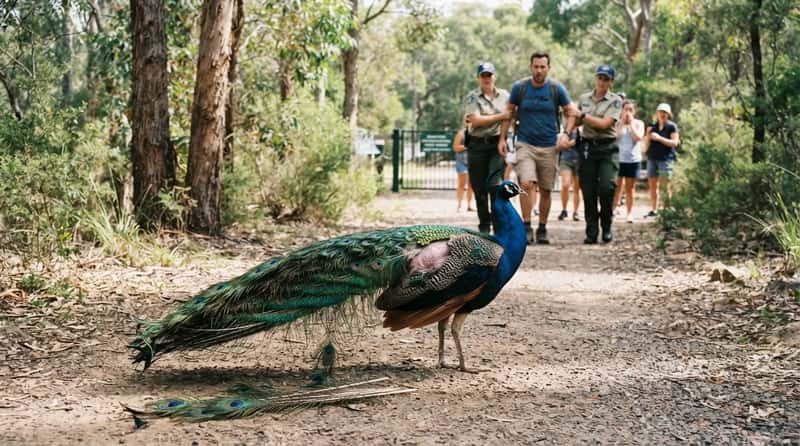
Some stories stick with tour staff for years, and this is the one guides bring up most. On a tourist island in Australia, one visitor yanked a huge handful of feathers from an unsuspecting peacock, a moment staff described simply as cruel.
The peacock was already used to being gawked at by hundreds of tourists daily, and now had a bald patch to show for it. Staff had the good sense to immediately escort the tourist off the island, and guides say it remains the single most baffling souvenir attempt they’ve ever witnessed, right up there with trying to chip off a piece of a historic monument.
None of these moments are rare exceptions. Guides across continents describe nearly identical stories, just with different landmarks and different animals involved. The common thread isn’t malice, it’s a mix of overconfidence, distraction, and a genuine belief that the rules apply to everyone else’s group but their own.
Guides keep quiet in the moment because that’s the job, but the stories they save for after-hours drinks tell a very different truth. What’s the most ridiculous thing you’ve personally witnessed on a tour? Guides everywhere would probably say they’ve already seen it.