You walk up, the door swings open, someone says “welcome” – and you assume that’s where the reading of you begins. It’s not. By the time you reach the front desk, a quiet report has often already made it there ahead of you, carried by people you barely noticed.
Valet attendants, doormen, and bellhops routinely flag the front desk before a guest ever says a word at check-in – tone, posture, luggage, even how you handle your phone. What follows is the actual checklist, the small stuff that gets clocked in the first ten seconds, long before anyone asks for your name.
#26 – The Way You Treat Staff Before You Ever Reach the Desk
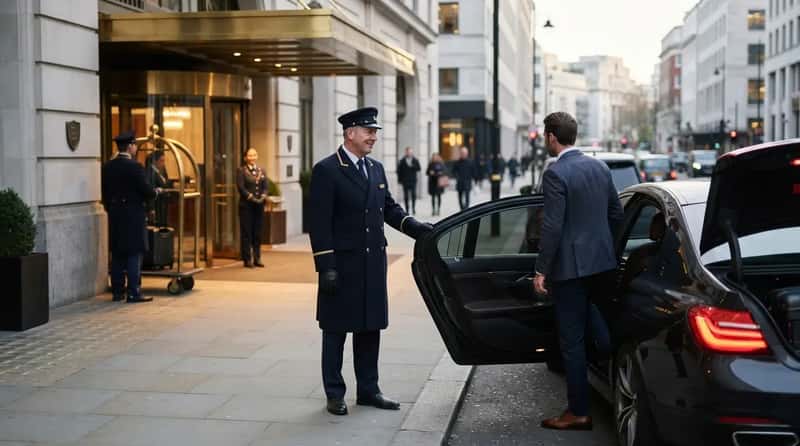
Your reputation gets built outside the building, not inside it. Staff describe this relay as constant during busy arrival windows, not occasional gossip between shifts – a single exchange with a doorman can set the tone before you ever say your name at check-in.
This isn’t paranoia or office gossip, it’s an actual operational habit. Whether it’s the valet, the doorman, or the bellhop, word travels fast among staff. Most guests have no idea how much weight those first ten seconds carry.
#25 – Whether You Actually Acknowledge the Person Holding the Door
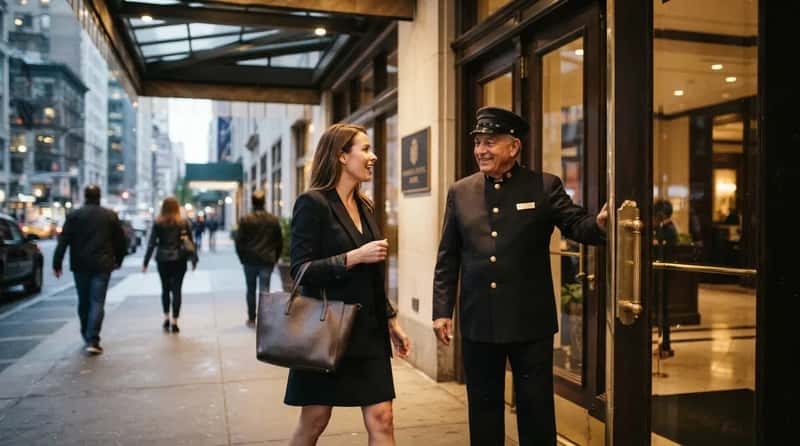
Small gestures get logged more than most guests expect. The guest who barely glances at the doorman often becomes the one making unreasonable demands later, while the person who takes two seconds to smile and say thanks is usually the easiest to work with all week.
It’s not about wealth or status, it’s basic courtesy. Staff say the pattern holds regardless of what someone’s wearing or carrying. A rushed “thank you” still counts for more than silence ever will.
#24 – How You Treat the Doorman Versus How You Treat the Manager
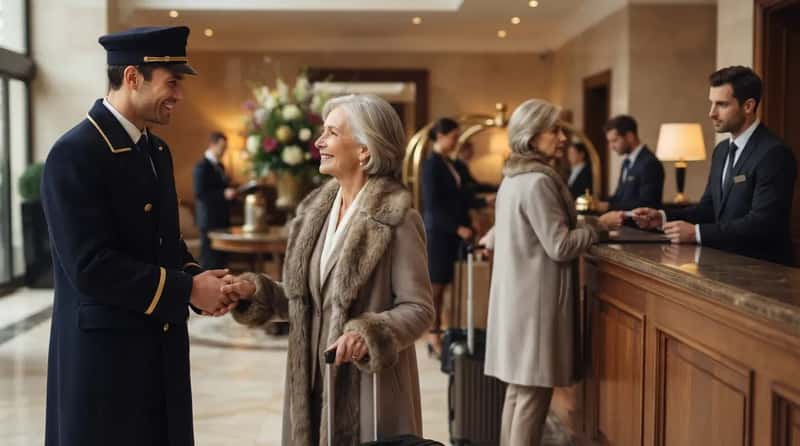
Doormen notice who’s performing kindness and who actually means it. A guest who’s gracious to everyone reads as genuinely kind, while a guest who saves the charm for whoever controls the upgrades reads as someone putting on a show – and that contrast is one of the fastest character reads in the whole arrival process.
Staff compare these moments constantly, even when guests assume no one’s paying attention. A warm word for the doorman followed by a cold shoulder to the desk clerk rarely goes unnoticed, and it rarely gets forgotten either.
Fast Facts
- The pre-desk read usually forms within the first 10 to 15 seconds of arrival
- Doormen, valets, and bellhops often compare notes before a guest reaches the counter
- Tone toward frontline staff is one of the most consistent signals mentioned by staff
- One kind or dismissive moment can quietly shape service tone for an entire stay
#23 – Whether Your Body Language Is Open or Closed Off
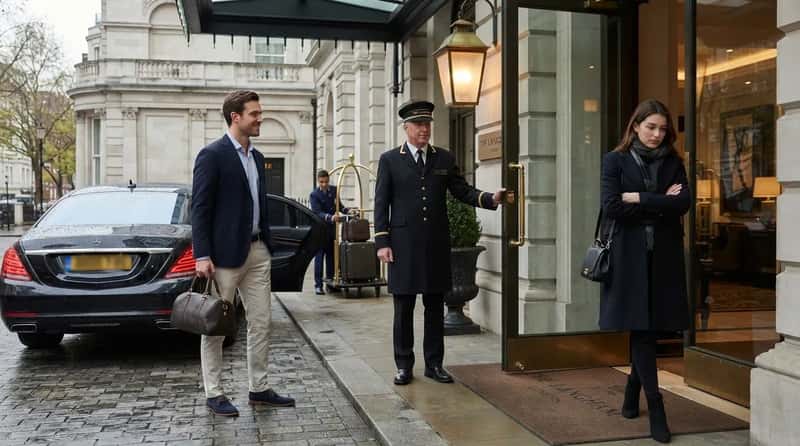
Posture speaks louder than most guests realize. An open stance, feet and shoulders facing forward, arms uncrossed, reads as someone interested and easy to approach. Doormen pick this up the instant a guest steps out of a car or through the entrance.
The opposite read carries just as much weight. Crossed arms and a turned-away shoulder register instantly, and staff say it changes how receptive a guest seems to any offer at all – a closed posture can quietly shape the whole tone of a stay before anyone says hello.
#22 – Whether Your Mouth Is Tense Before You Say a Word
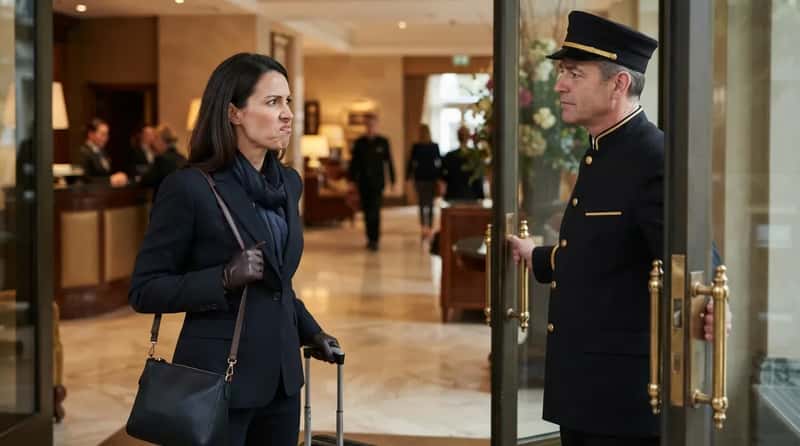
Faces betray stress long before words do. A tight mouth is one of the fastest tension signals in the book – pursed lips often mean a guest is unhappy but not ready to say why yet. Doormen use this to brace for a harder interaction before it even starts.
This isn’t mind-reading, it’s pattern recognition built from repetition. Staff who work the same entrance every day start noticing these micro-expressions almost automatically. A tense jaw can trigger a gentler tone before a single complaint gets voiced.
#21 – Whether You’re Frantically Checking Your Phone or Ignoring It Completely
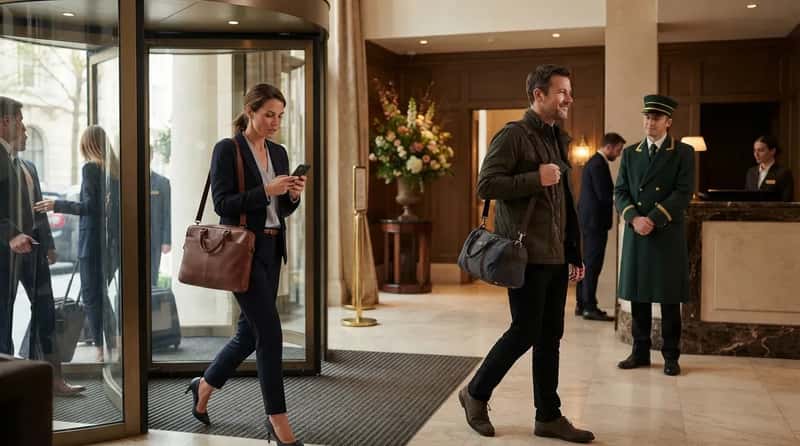
Your device says more about your mood than your outfit does. Staff notice if you’re frantically texting, snapping lobby photos, or keeping the phone tucked away entirely – each version tells a different story about who just walked in.
A phone tucked away often signals someone here to unwind. A phone glued to a hand often means business travel or stress. Neither gets judged as good or bad, it simply changes the pace staff choose to match.
#20 – How Exhausted You Actually Look
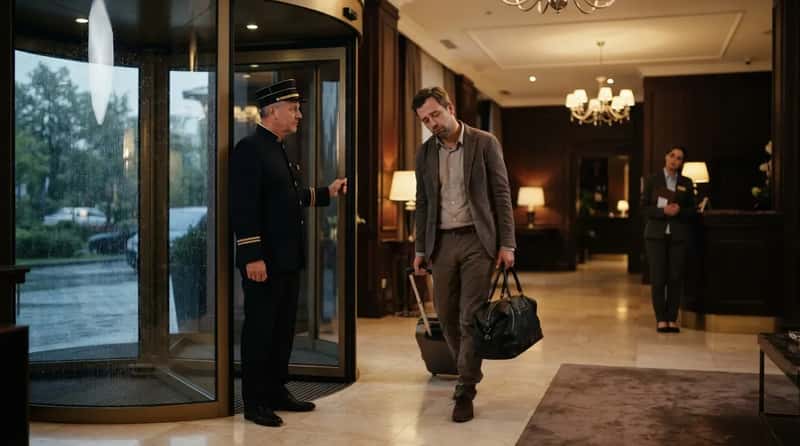
Fatigue rarely stays hidden, no matter how composed a guest tries to seem. Staff are trained to read posture, pace, and facial expression within seconds, because anticipating a need before it’s spoken is a core training goal at many properties. Doormen often flag this before a guest even reaches the lobby doors.
That early read can quietly change small details of a stay. A visibly wiped-out guest may get moved closer to the elevator without ever asking. Most people never realize why their room ended up so conveniently close.
#19 – Whether You Walk In Like You Own the Place or Look Completely Lost
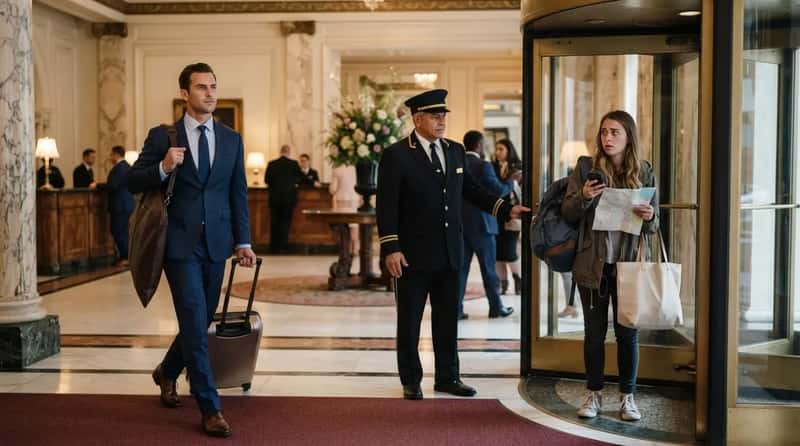
Confidence and confusion both broadcast instantly. Hotel staff can spot an anxious first-timer from across the lobby, and they recognize the traveler who’s done this fifty times just as fast. Doormen use that read to decide how much guidance to offer without waiting to be asked.
Neither style is wrong, but they trigger very different service instincts. A first-timer often gets extra explanation nobody asked for out loud, while a seasoned traveler gets a quicker, quieter handoff. It’s less judgment, more efficiency.
#18 – Whether You Beeline for the Concierge Desk
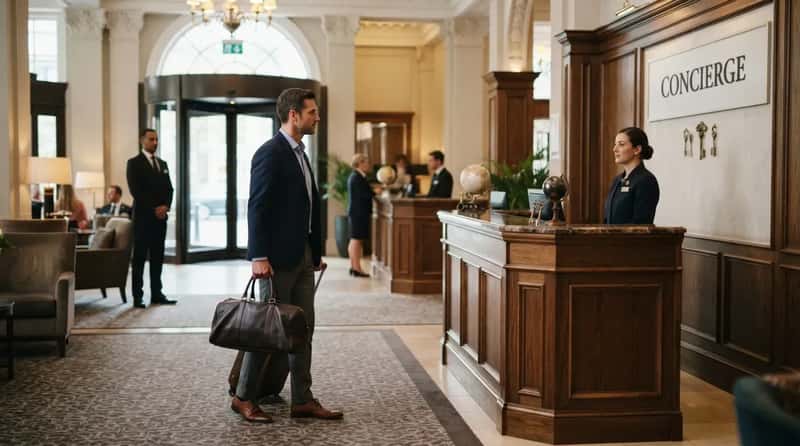
Some guests give away their priorities before they even check in. Staff especially watch for guests who immediately look for the concierge desk, since those folks usually tip well and appreciate curated service. That single glance can shape how proactively staff offer recommendations later on.
It’s a small tell, but a consistent one. Guests who scan for concierge services early tend to want an experience, not just a room. Doormen often mention this upward before the front desk has even seen a face.
#17 – Whether You’re Still on the Phone While Trying to Check In
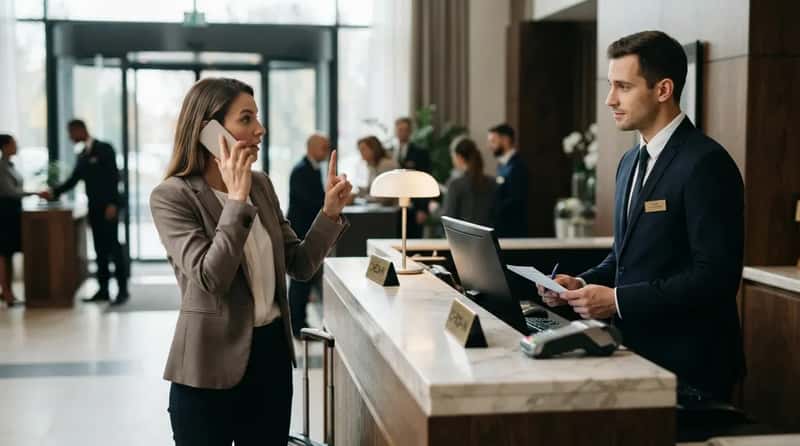
Multitasking at the counter rarely goes unnoticed. Staff notice guests who approach the desk mid-call, holding up a finger to the clerk – yeah, they notice, and they remember. The same instinct kicks in at the door, where doormen clock it first.
This doesn’t necessarily hurt service, but it does shape tone. Staff tend to go more transactional and less conversational with guests who signal they’re mentally elsewhere. It’s a subtle shift most people never consciously register.
#16 – Whether Your Luggage Is Streamlined or Total Chaos
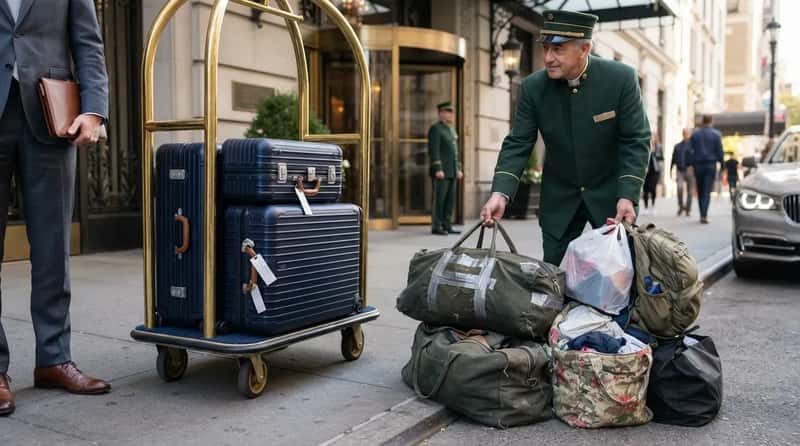
Your bags genuinely speak before you do. Hotel workers say seasoned travelers tend to pack light and tidy, while loose shopping bags and overstuffed carry-ons suggest a less practiced packer. Doormen absorb all of this in seconds while grabbing bags at the curb.
There’s no shame in either style, but a streamlined arrival quietly signals familiarity, and staff tend to skip the beginner explanations for those guests. A duffel bag held together with tape gets a noticeably gentler, more hands-on level of guidance than a matching hardside set.
Quick Compare
- Streamlined luggage: matching bags, packed tight, moves fast – often read as a seasoned traveler
- Overstuffed or mismatched luggage: loose bags, taped zippers – often read as someone who needs more guidance
- Minimal luggage: a single backpack or carry-on – often read as a quick business trip
#15 – Whether You’re Wrestling With Bags That Won’t Zip Shut
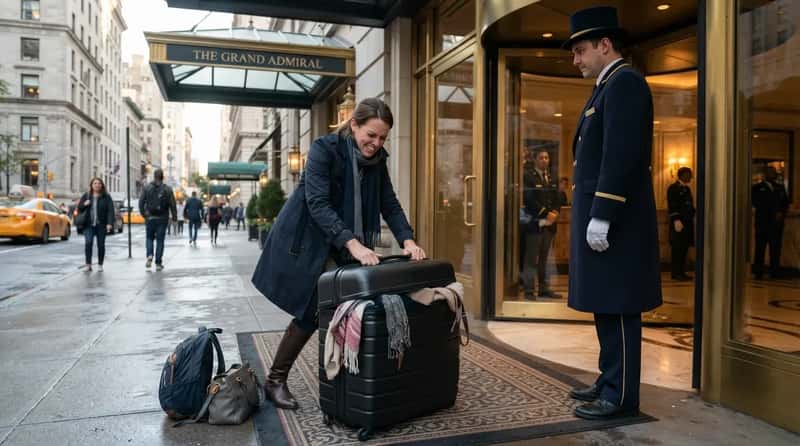
Struggling with luggage tells its own story before a greeting happens. Staff notice if you’re fighting an overpacked bag, rolling in with just a backpack, or arriving with oddly shaped cases for equipment. Each version suggests a different reason for the trip entirely.
An overstuffed suitcase might mean a first vacation in years. A single backpack might mean a routine business trip. Doormen use these visual cues to guess the purpose of a visit long before it’s ever confirmed at the desk.
#14 – Whether You Match the Energy of the Person Helping You
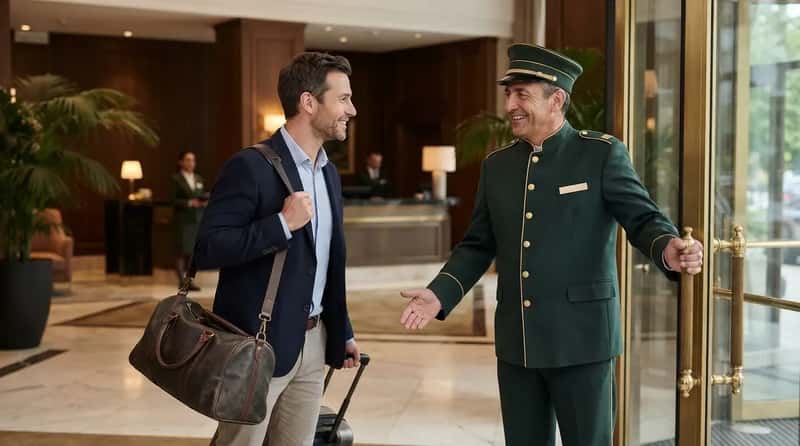
Energy transfer works both ways, and doormen watch closely how guests respond to warmth. Staff are increasingly trained to mirror a guest’s tone, but the reverse happens too – guests who match a calm, friendly greeting tend to get read as easygoing.
Guests who stay flat or clipped despite a warm welcome get read as guarded or exhausted instead. This mirrored exchange happens in seconds and quietly shapes the emotional tone of an entire stay. Nobody plans this reaction, which is exactly why it’s so revealing.
#13 – Whether You Say Thank You to the Person Actually Carrying Your Bags
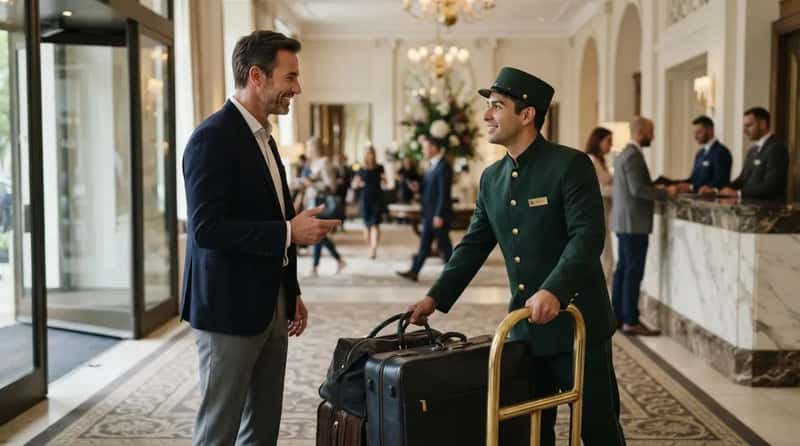
Gratitude toward bag handlers gets noticed more than most guests expect. The instinct that matters most is treating the person handling your suitcase with the same respect as the person in the suit behind the desk. Doormen and bellhops remember exactly who skips this small courtesy.
This single habit often becomes shorthand for how a guest treats every other staff member during their stay. A guest who thanks the bellhop typically thanks the housekeeper too. The pattern almost never breaks once it starts.
#12 – Whether You Arrive by Rideshare, Cab, or Your Own Car
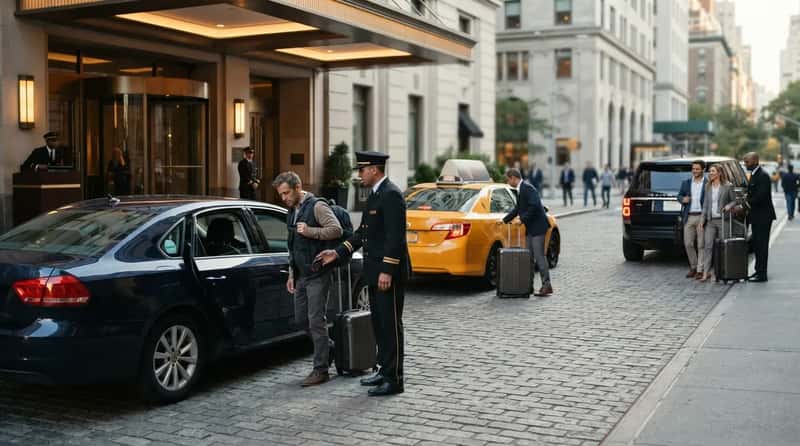
Mode of arrival quietly sets an early tone. A guest stepping out of a rideshare after a long flight looks nothing like one pulling up in a personal vehicle mid-vacation. Doormen use this detail alongside luggage and posture to build a fuller picture before conversation even starts.
None of it determines how a guest gets treated, but it does inform pacing. A frazzled rideshare exit might prompt a quicker check-in offer. A relaxed personal-car arrival might prompt a slower, more social greeting instead.
#11 – How Loud or Quiet Your Voice Is Before You Even Reach the Door
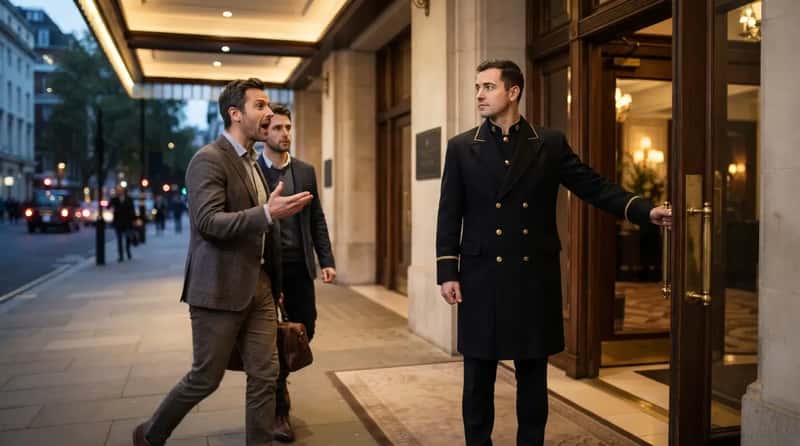
Volume carries information doormen instinctively catalog. A booming voice from twenty feet away often signals a big personality or a group ready to socialize. A hushed, clipped tone often signals someone who wants minimal interaction and a fast path to their room.
Staff adjust their own approach based on that volume cue almost immediately. It’s a small, near-automatic calibration most guests never notice happening to them – but it changes everything from greeting length to eye contact duration.
#10 – Whether You Make Eye Contact or Avoid It Entirely
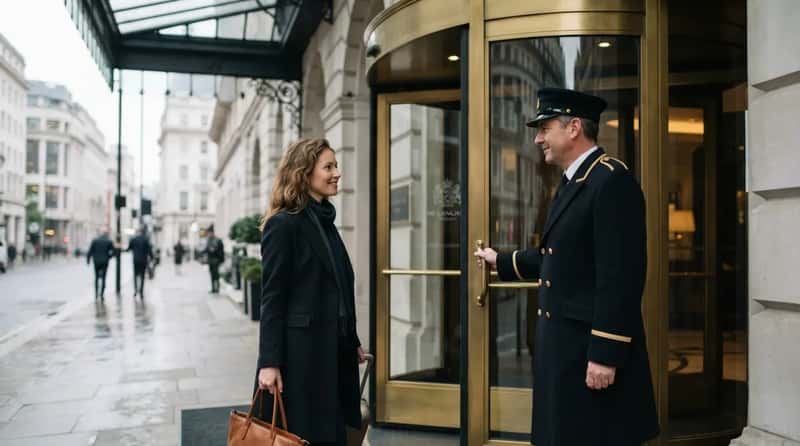
Eye contact is one of the fastest emotional read-outs available. Staff at high-end properties are trained to use it to read guest emotions – a skilled concierge can often tell from a guest’s eyes whether they’re stressed from travel, excited, or frustrated. Doormen apply the same instinct before a guest even reaches the lobby doors.
Avoided eye contact doesn’t automatically mean rudeness, sometimes it just means exhaustion. But staff use it as an early flag either way, adjusting warmth and pacing accordingly. A guest who looks up and smiles tends to get a longer, friendlier exchange.
#9 – Whether You’re Traveling Alone, as a Couple, or Leading a Whole Group
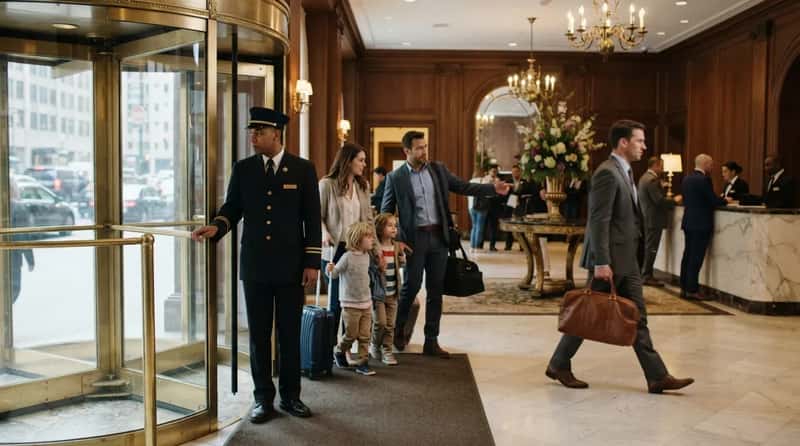
Group dynamics get sorted almost instantly. Doormen watch to see who leads a group, who lags behind, and who’s quietly organizing everyone else’s logistics. That “organizer” often becomes the default point of contact for questions later, whether or not they wanted the job.
Solo travelers get read completely differently than families or friend groups. A single guest walking briskly usually gets a business-traveler assumption. A slower-moving group with kids or elderly members usually triggers quieter, more careful door-holding.
Worth Knowing
- Group organizers get flagged fast and often become the default point of contact
- Solo travelers moving briskly are frequently assumed to be on business
- Families and larger groups usually trigger slower, more careful door-holding
- Doormen adjust pacing based on group size before any names are exchanged
#8 – Whether Your Shoes Are Built for a City Walk or a Beach Chair
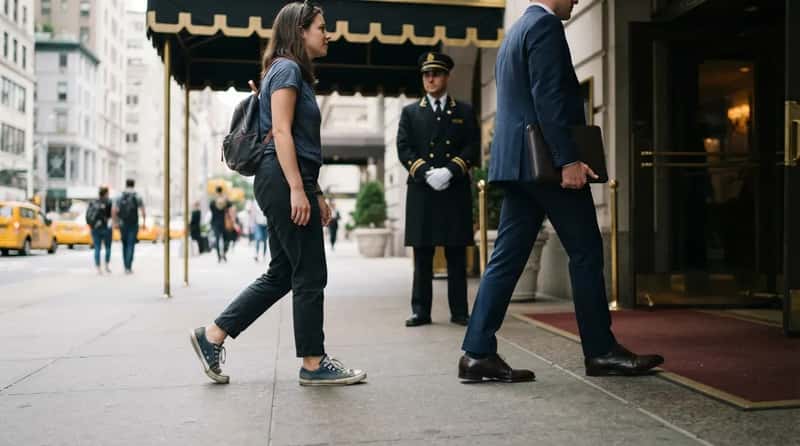
Footwear is an underrated tell doormen quietly rely on. Worn sneakers and practical shoes usually signal a guest planning to explore on foot. Dressier, less practical shoes usually signal someone headed straight to a car, restaurant, or event.
This detail shapes the kind of recommendations a doorman might casually offer later, from walking routes to quick transportation options. It’s a small visual cue, but one that gets read within the first few steps toward the entrance.
#7 – Whether You Know the Doorman’s Name or Bother to Ask
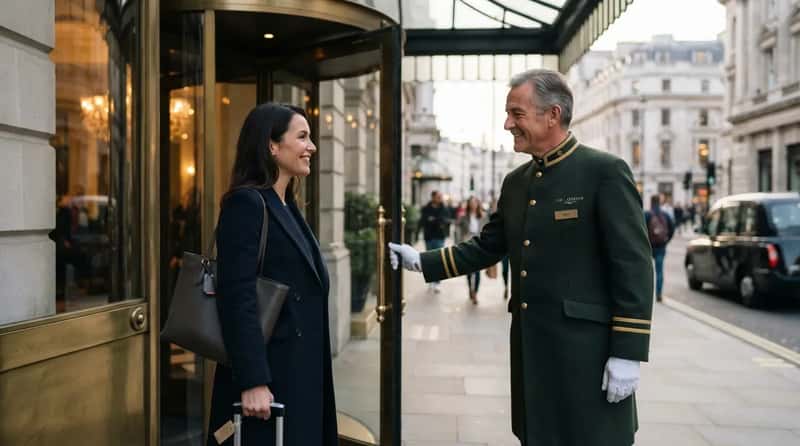
Names change everything about how an interaction unfolds. Doormen are often trained toward what’s called “approachable formality,” using a guest’s name once or twice in each exchange. Guests who return the gesture and use the doorman’s name back get remembered – and treated warmer – far faster.
This tiny reciprocity is rare enough that it stands out immediately. Most guests never bother learning who’s holding the door for them. The few who do tend to get noticeably better service for the rest of their stay.
#6 – Whether You Move Like You Know the Building or Look Completely Lost
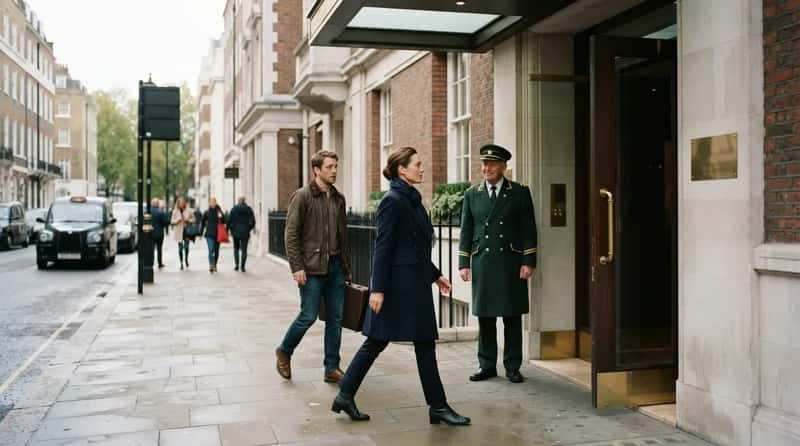
Familiarity with a building or neighborhood shows up in tiny hesitations. A guest who pauses, looks around, or asks “which way” signals a first visit. A guest who walks straight past the doorman toward a known entrance signals a returning face.
Doormen often store these details for future visits, especially at residential buildings and long-standing hotels. Recognizing a returning guest before they even say a name is considered a mark of genuinely excellent service.
#5 – Whether You’re Dressed for the Weather or Clearly Caught Off Guard
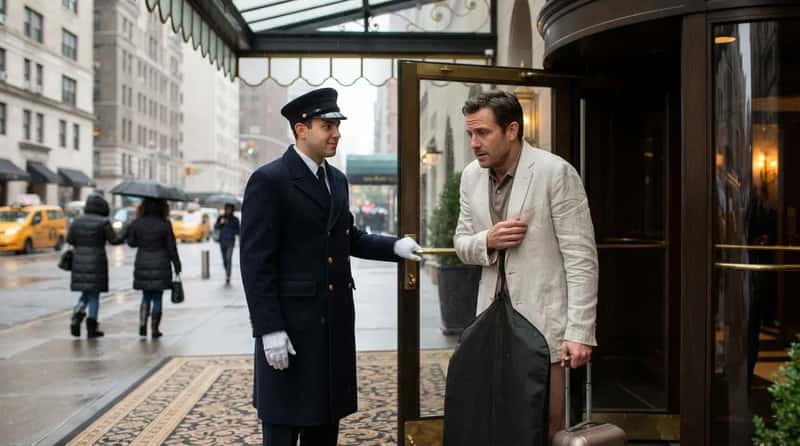
Weather-appropriate clothing quietly signals travel experience. A guest shivering in summer clothes during a cold snap, or sweating in a heavy coat during a warm spell, usually signals someone unfamiliar with the local climate. It becomes an easy, low-pressure conversation starter doormen use to break the ice.
It’s also a subtle marker of how far someone has traveled or how last-minute the trip was. Doormen sometimes use it to offer small, unsolicited advice about the day ahead, from umbrella tips to nearby coat check options.
#4 – Whether You Hesitate Before Handing Over Your Bags
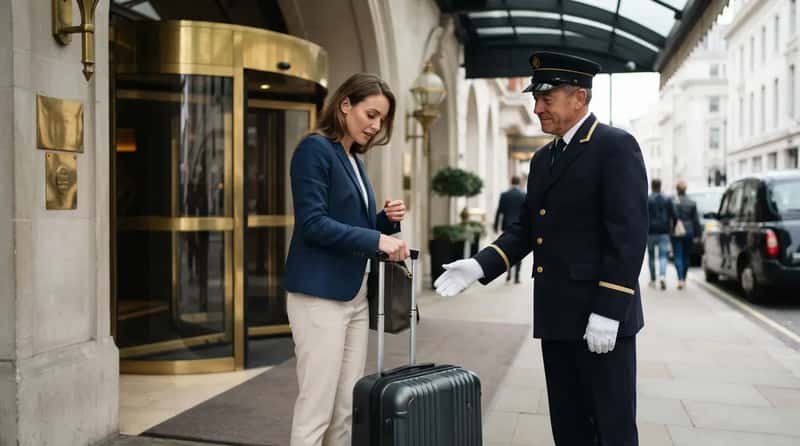
Trust, or the lack of it, shows up in tiny hesitations. A doorman isn’t just a greeter, they’re a trained observer watching for suspicious behavior and keeping track of who’s entering the building. Guests who pause before handing over luggage or glance around nervously get quietly noted as more security-conscious than average.
This isn’t treated as a red flag against the guest, it’s simply logged as personality. Some travelers are naturally more careful with their belongings, and experienced doormen recognize the difference between caution and genuine distress almost immediately.
#3 – Whether You Walk In Distracted or Fully Present
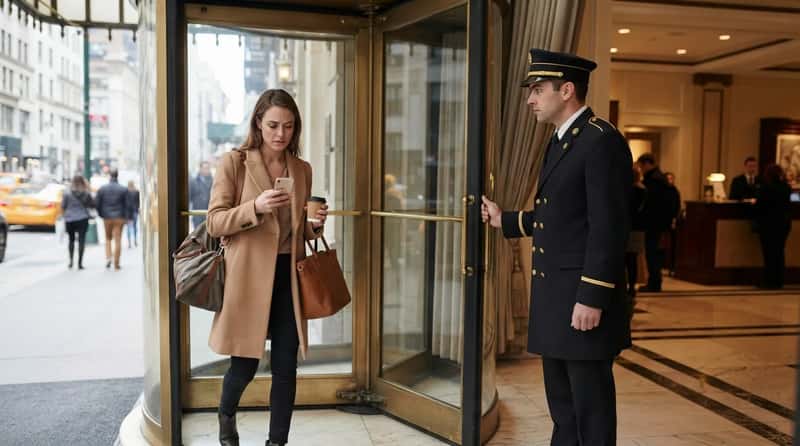
Presence, or the visible lack of it, is one of the clearest signals doormen pick up on. Guests often walk in carrying more than what’s in their hands, and staff are watching from the second someone steps through the door. A scattered, distracted arrival usually means a guest is mentally still somewhere else entirely.
Doormen use this read to decide how much information to offer upfront versus later. A distracted guest usually gets shorter, simpler instructions first, with details filled in once they’ve settled. It’s a small kindness most guests never realize they’ve received.
Why It Stands Out
- Presence is one of the few signals guests can consciously control
- A scattered arrival often gets shorter, simpler instructions upfront
- A calm, attentive arrival often gets fuller information right away
- Staff read this cue before a single word of conversation happens
#2 – Whether Your Body Language Matches the Words Coming Out of Your Mouth
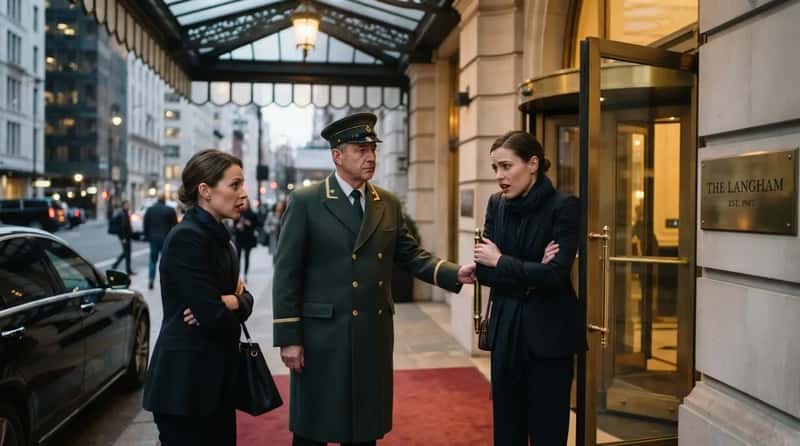
Mismatched signals are almost impossible to hide from a trained eye. Staff at some properties, from bellhop to concierge, receive dedicated body language training, since experts estimate roughly 80 percent of communication is nonverbal. Doormen are often the first line of that training in action.
“People will forget what you said, people will forget what you did, but people will never forget how you made them feel.”
Maya Angelou
A guest saying “I’m fine” while visibly tense sends a very different message than the words alone suggest. The more astute staff are at catching that gap, the faster they can adjust service on the spot. This mismatch is one of the most reliable tells in the entire arrival process.
#1 – Whether You Treat the First Hello Like It Actually Matters
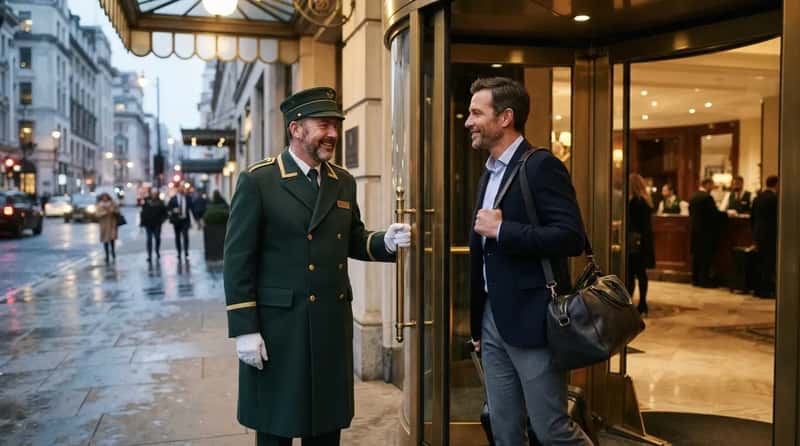
Everything on this list quietly funnels into one final, decisive moment: the first hello. By the time a guest says their name at the counter, the doorman, bellhop, and elevator attendant have often already fed the front desk a preview of what kind of guest is coming, all triggered by a single interaction outside.
A genuine greeting at the door outweighs almost every other signal on this list combined. Staff describe it as the true tone-setter for an entire stay, more than clothing, luggage, or even mood. It’s the one detail entirely within a guest’s control, and the one most people never think twice about.
None of this is about judgment. It’s pattern recognition built from years of watching thousands of arrivals unfold the same handful of ways, and doormen aren’t trying to catch anyone off guard, they’re trying to anticipate a need before it has to be spoken.
The most surprising part isn’t that they’re watching. It’s how much they already know before a single word gets said – and how easily the whole read can shift with nothing more than a smile and a name.