Most travelers assume airline fees are carved in stone, a flat menu of charges nobody can touch. But agents have more discretion than they let on, and the difference between paying $200 and paying $0 usually comes down to one thing: how you ask, and who you ask.
Gate agents, phone reps, and elite-desk staff waive fees every single day for people who simply knew the right words, the right timing, or the right status to mention. Here’s what actually gets these charges erased, counted down to the one waiver that stunned even seasoned points-and-miles experts.
#27 – The Same-Day Change Fee That Elite Flyers Never Pay
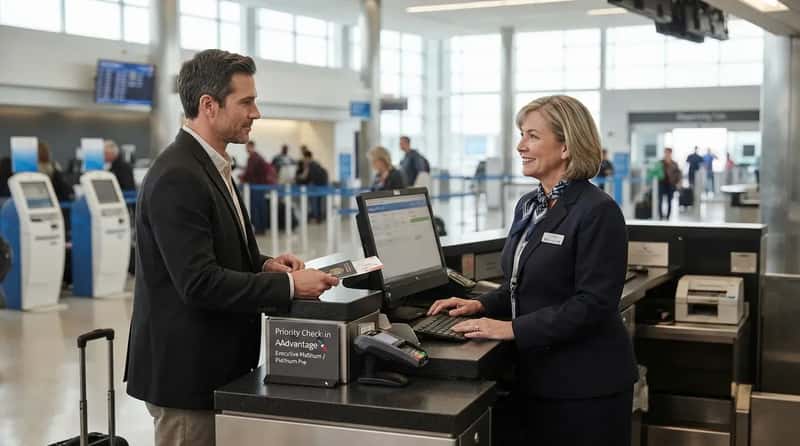
Top-tier frequent flyers rarely pay to switch to an earlier or later flight, and most travelers have no idea this benefit even exists. American offers free same-day confirmed changes for AAdvantage Executive Platinum and Platinum Pro status, plus companions booked on the same reservation. Regular economy travelers get charged the standard fee for the exact same request.
Agents can sometimes extend a one-time courtesy waiver to non-elite passengers, especially if the original flight is delayed or oversold. The single biggest lever here is status, not politeness, but a calm, specific request still beats a vague one every time. That’s nothing compared to what we found about #26.
#26 – The Storm Waiver Nobody Tells You to Ask For
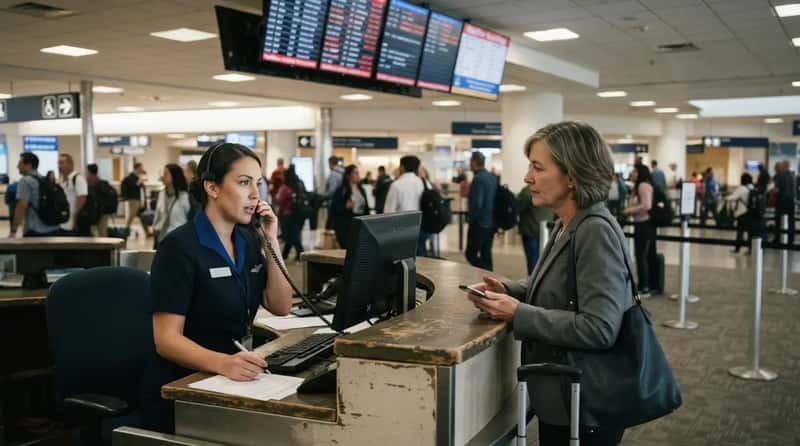
When bad weather is forecast, airlines quietly open a fee-free rebooking window days before anyone official announces it. U.S. carriers waived fare differences and change fees for more than a dozen airports ahead of an incoming coastal storm in October 2025. Most passengers never check for this and pay full change fees purely out of habit.
These waivers usually live on a buried “travel alerts” page, not anywhere near the booking flow. JetBlue and other airlines have waived change and cancel fees, and often fare differences too, for travelers affected by storms. The fee tends to disappear entirely once you mention the specific storm advisory by name, a level of specificity most callers skip completely.
#25 – The Government Shutdown Refund Most Flyers Missed

During the 2025 shutdown-related flight cuts, airlines waived fees on a scale rarely seen outside of a pandemic. United, American, Delta, and Southwest offered a refund or travel waiver to customers with trips planned in the coming days who chose not to travel, whether or not their trip was actually affected.
Even stranger, restricted tickets got the same treatment as flexible fares. Several major airlines let customers holding basic economy tickets claim a refund even when their flight never got canceled, a move one travel expert called well beyond any flexible waiver seen since the pandemic. Most travelers who qualified never even asked.
#24 – The Basic Economy Cancellation Fee That Isn’t Always Final

Basic economy sounds like a one-way door: buy it, and you’re stuck. That’s mostly true, but there’s a narrow exception agents rarely volunteer. Basic economy fares are non-cancellable and non-refundable after the 24-hour risk-free window, and normally no trip credit or refund follows a cancellation after that.
The workaround is involuntary circumstances, like a major schedule change by the airline, an airline-caused disruption, bereavement, or military orders. Most flyers never mention bereavement or military orders because they don’t realize those are the magic words, but documentation-backed requests get quietly approved far more often than people expect.
Worth Knowing
- The 24-hour risk-free window applies to every fare, including basic economy
- Major schedule changes made by the airline can unlock a credit or refund
- Documented bereavement or military orders often bypass the “final sale” rule
- Weather and airline-caused disruptions count as involuntary changes too
#23 – The Fare Difference Airlines Absorb During Disruptions
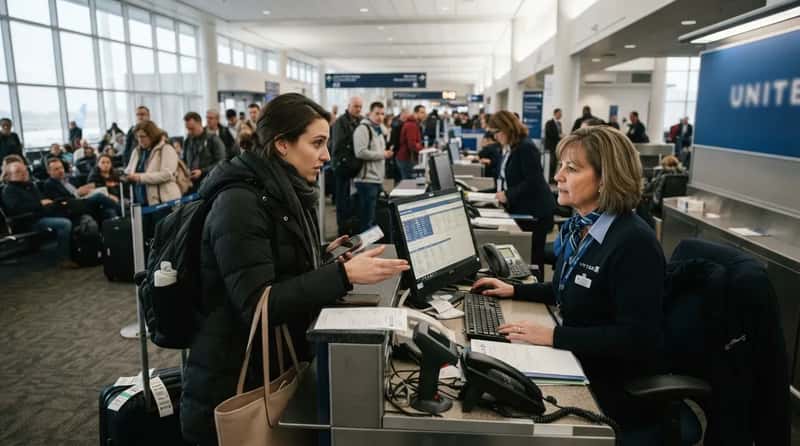
Here’s a distinction almost nobody understands: the change fee and the fare difference are two completely separate charges, and only one usually gets talked about. Many carriers have dropped the change fee to zero on standard fares, but that price gap between your old ticket and your new one is a separate line item entirely.
That means even a “waived” fee can leave you owing real money, unless a weather or operational waiver specifically absorbs the fare difference too. United’s storm advisories, for example, let travelers rebook and waive both the change fee and the fare difference, as long as the new flight departs within six days of the original date either way. That six-day window is rarely mentioned unless you ask directly.
#22 – The Award Ticket Change Fee Elite Members Skip Entirely
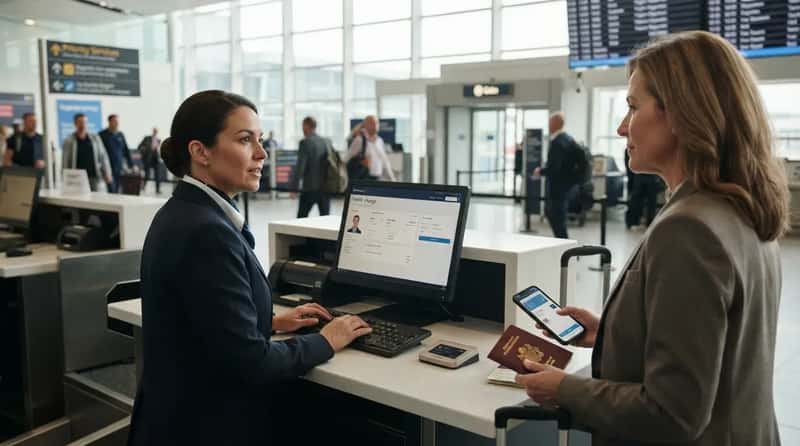
Frequent flyers cashing in miles usually assume change fees apply equally to everyone. They don’t. Change and cancellation fees on award tickets are waived outright for elite status members on many loyalty programs.
On some carriers, this protection extends surprisingly far down the tier ladder, covering Silver, Gold, and even Diamond members. The waiver almost never applies to companions on the same reservation, though, even if they’re sitting right next to an elite member, a detail that frustrates families constantly.
#21 – The Companion Exception Buried in the Fine Print

Just when you think elite status covers your whole itinerary, one specific program breaks the pattern. Fees are waived for Gold and Platinum elites on tickets in their own name, but tickets for companions on that same reservation get charged the standard fees anyway.
Most travelers assume status is a group benefit. It almost never is. Some flyers work around it by booking each traveler under a separate confirmation number tied to the elite account, though that trick isn’t guaranteed to work on every airline.
#20 – The Standby Fee That Disappears With the Right Ticket Type
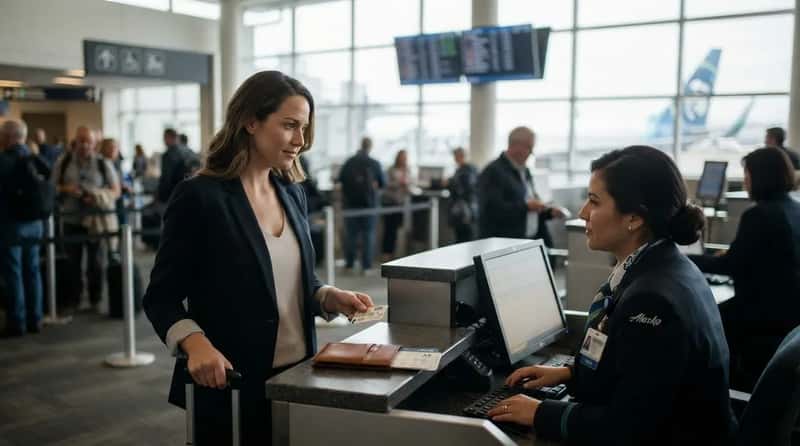
Standby used to be free everywhere. Now it’s a paid add-on almost everywhere, except in a few specific, rarely mentioned cases. Alaska offers standby at no cost if your travel meets certain conditions, including a refundable First Class or Main Cabin ticket, or MVP Gold Mileage Plan status.
Refundable fares quietly unlock free standby on routes most people never realize qualify, including a handful of shorter regional hops. Asking “does my fare class include free standby” is a completely different question than “can I get on standby,” and it gets a completely different answer.
#19 – The Pet Fee Waiver Reserved for Active Orders
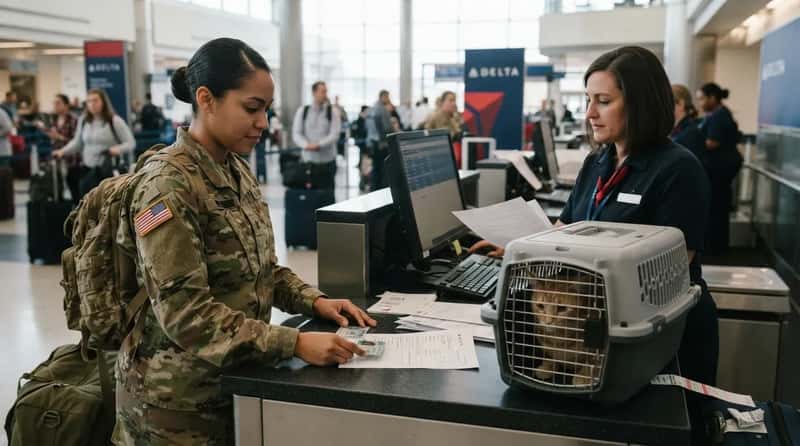
Flying with a pet usually means a fee no matter what, unless you’re on official military transfer orders, in which case the math changes entirely. Delta accepts pets as checked baggage for active U.S. military members or active State Department Foreign Service Officers with transfer orders, at a reduced $200 one-way rate on most routes, provided you book at least 48 hours ahead.
That’s a discount on the standard cargo pet fee, not a full elimination, which surprises people who expect the whole charge to vanish. Still, it’s a meaningful cut that most PCS-moving families never think to ask about upfront.
#18 – The Oversize Bag Fee Military IDs Erase Instantly
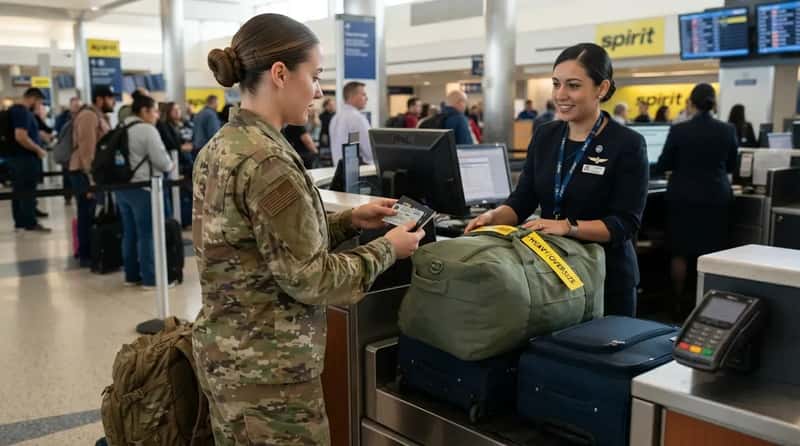
Oversize and overweight bags are some of the most punishing charges in air travel, sometimes topping $150 per bag. But one ID at the counter changes everything. Oversize and overweight baggage fees get waived, on top of the first two free checked bags, for qualifying military members.
This isn’t limited to one airline either. Spirit exempts qualifying military members from oversize baggage charges entirely, layered on top of free checked and carry-on bags. Even on ultra-low-cost carriers famous for nickel-and-diming everyone, this waiver holds firm.
#17 – The Fare Discount You Can Only Get by Calling

Some of the best fee waivers aren’t available online at all. They exist exclusively behind a phone line. Southwest’s military pricing discount is unpublished, and travelers have to call a specific number just to book at that rate.
American Airlines runs an identical playbook, with military fares available only through phone bookings after a call to check rates. Most people give up the second a discount isn’t visible on the website, and that’s exactly the mistake that costs them money.
#16 – The Lounge Fee Waived for Uniformed Travelers
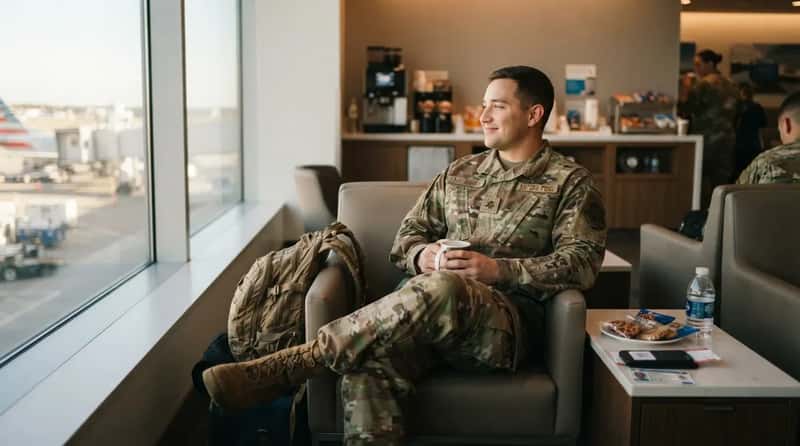
Day passes to premium lounges routinely run $50 to $100, but there’s a uniform-only exception many flyers walk right past. American Airlines offers free Admirals Club access to active military members in uniform on the day of travel, including seating, Wi-Fi, snacks, and drinks.
The catch nobody mentions is that it typically requires being in uniform, not just showing ID. Civilian-clothed service members are often turned away or charged the standard rate, a strange technicality that generates real frustration among veterans online.
#15 – The Checked Bag Fee Killed by a Credit Card Swipe
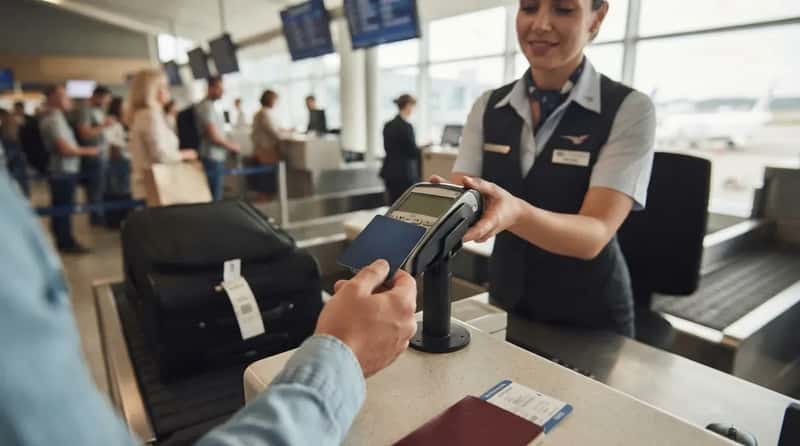
You don’t need status or orders to erase a $35 baggage fee. You need the right piece of plastic in your wallet. The Delta SkyMiles Amex, United Explorer, and American Airlines cards all waive the first bag fee for you and up to eight companions on the same reservation.
The math is almost embarrassingly simple: three round trips with one checked bag saves $210, which covers most annual fees on its own. Most cardholders forget they even have this perk and pay the fee anyway at the kiosk.
Quick Compare
- One round trip, one bag saved: roughly $70 back in your pocket
- Three round trips: about $210 saved – often covers the card’s annual fee
- Coverage can extend to up to eight companions on the same reservation
#14 – The Seat Selection Fee That Vanishes at Check-In

Paying $15 to $60 to pick a seat feels unavoidable, until you learn the timing trick that skips it entirely. Set an alarm for exactly 24 hours before your flight and check in the moment that window opens.
Airlines assign remaining seats automatically at check-in, often at no charge, especially on flights that aren’t full. Most travelers pay the fee weeks in advance out of pure anxiety, when waiting would have cost them nothing. It’s not guaranteed on every route, but it works often enough to be worth setting the alarm.
#13 – The Ticketing Fee Waived for the Right Booking Channel

Small processing and ticketing fees sneak onto international bookings constantly, and the amount depends entirely on how you book. Ticketing fees of roughly $15 to $38 can apply depending on the channel you use.
Booking directly through the airline’s own call center, instead of a third-party site, frequently avoids this charge entirely. It’s one of the few fees where the fix is simply switching who you call, not what you say, and agents rarely volunteer that unless asked directly.
#12 – The Premium Cabin Change Fee Getting Sneakier
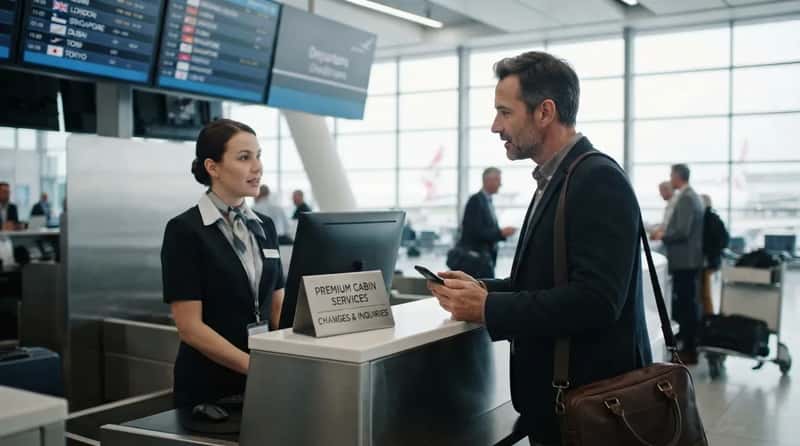
Business class used to mean total flexibility. That’s quietly changing, and most travelers haven’t noticed yet. Business and first class saw real unbundling in 2025 and 2026, with several carriers introducing entry-level premium tiers that carry change restrictions that never used to exist in that cabin.
The fix is asking specifically whether your fare code is the flexible or restricted premium tier before you fly, not after you try to change it. Corporate travel programs that still assume every premium fare is flexible are getting caught off guard by this shift.
#11 – The Name Change Fee Waived for Simple Corrections
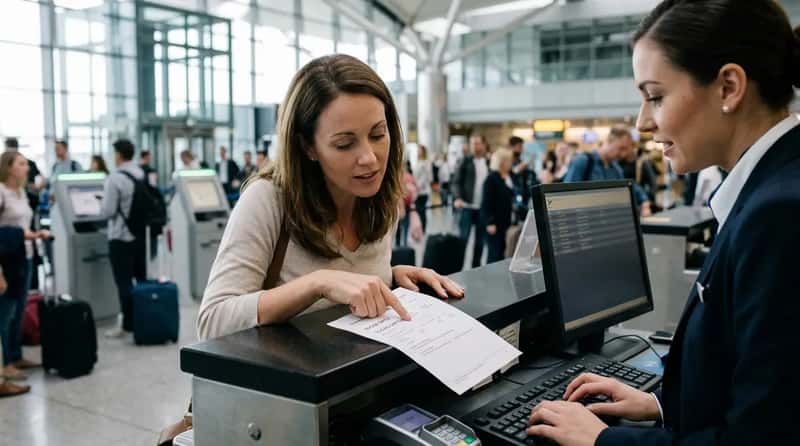
A full name change usually triggers a fee close to the price of a new ticket. But a minor typo correction gets treated completely differently by most desks. Airlines generally distinguish between fixing a misspelled name and transferring a ticket to a different person entirely, and only the second one gets charged.
The trick is calling it a “correction” instead of a “change” when you speak to an agent, since those two words trigger different internal processes. Most travelers use the wrong word and get quoted the higher fee purely by accident.
#10 – The Redeposit Fee Skipped With the Right Timing

Canceling an award ticket at the wrong moment can cost real money in redeposit fees, but the window to avoid it is wider than most flyers assume. Some elite tiers waive award change and cancellation fees entirely, provided you act at least 72 hours before departure.
Miss that window by even an hour and the fee snaps right back on. Most travelers cancel too close to departure simply because they never realized a 72-hour buffer even existed.
#9 – The No-Show Fee Erased by One Documented Excuse
No-show fees are among the harshest penalties in air travel, sometimes topping $200 per passenger. On some award programs, that no-show charge runs $200 for first class and $100 for every other cabin.
Documented emergencies, jury duty notices, or airline-side irregular operations frequently get this waived, but only if you call before the flight departs, not after. Waiting until after a missed flight to explain almost always fails, while calling ahead almost always works.
Fast Facts
- No-show penalties can run up to $200 per passenger on some award tickets
- First class no-shows are commonly charged $200; other cabins run closer to $100
- Calling before departure works far better than explaining after a missed flight
- Jury duty notices and documented emergencies are commonly accepted excuses
#8 – The Unaccompanied Minor Fee Cut for Military Families
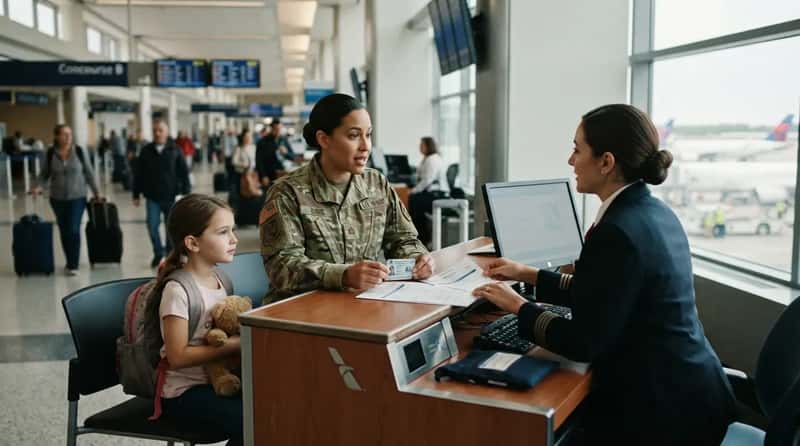
Sending a child to fly alone typically costs a flat fee no matter the route length. Military and government-connected families sometimes see this reduced or bundled into broader baggage and fare waivers tied to official orders, though policies vary a lot by carrier and route.
The fee rarely disappears completely, but bundling the request with an active-orders discount call often shaves it down. Most parents book the unaccompanied minor service as a totally separate transaction, missing the chance to combine waivers into one call.
#7 – The Companion Fare Bundled Into a Single Discount Code
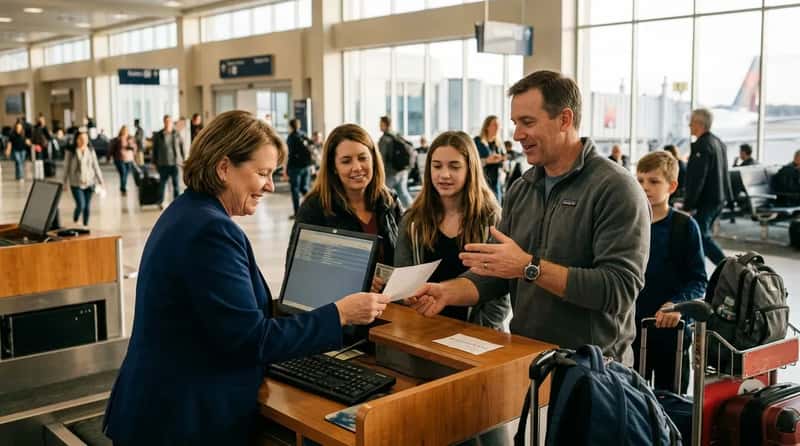
Group and companion fares often hide inside military and veteran discount programs that most travelers never think to search for. One veteran program offers a 5% fare discount for groups of up to six people traveling together.
That percentage sounds small until you’re booking six seats, and then it’s real money. Most families book each ticket separately online instead of calling in as a group, missing the bundled rate entirely.
#6 – The Group Baggage Cap Nobody Reads Closely
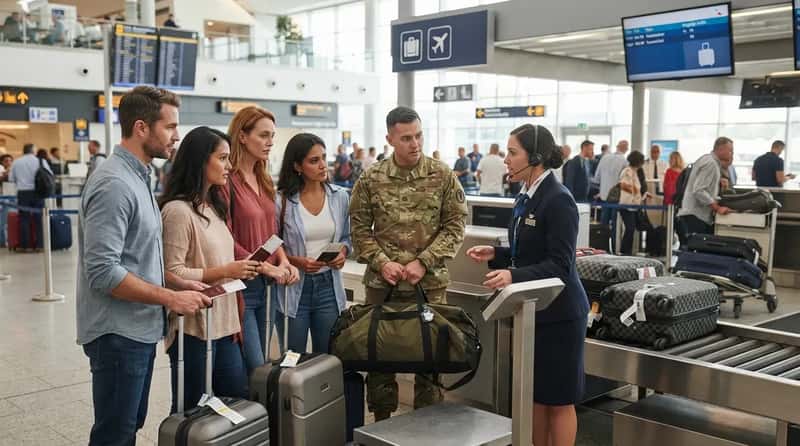
Large groups traveling together assume baggage limits multiply cleanly per person. On some carriers, there’s a hard per-flight ceiling that catches people off guard. The baggage limit for all passengers, military members included, gets capped per flight regardless of any individual allowances.
Knowing that cap exists before check-in prevents a scramble at the counter. Agents can sometimes redistribute allowances across a group’s confirmation numbers if asked before bags are tagged, but almost never once they’ve already been checked.
#5 – The Reservation Booking Fee Killed by Skipping the Phone

Booking military or government fares almost always requires a phone call, but that same call can trigger its own service fee on some carriers if you’re not careful. These fares simply aren’t sold online, so the ticket has to go through a phone agent.
Asking directly whether a phone booking fee applies before confirming the ticket often gets it waived outright, since many carriers reserve phone fees for non-military bookings only. Skipping that one question is the single most common way flyers overpay by $25 for nothing.
#4 – The Priority Boarding Fee Waived With ID, Not Purchase
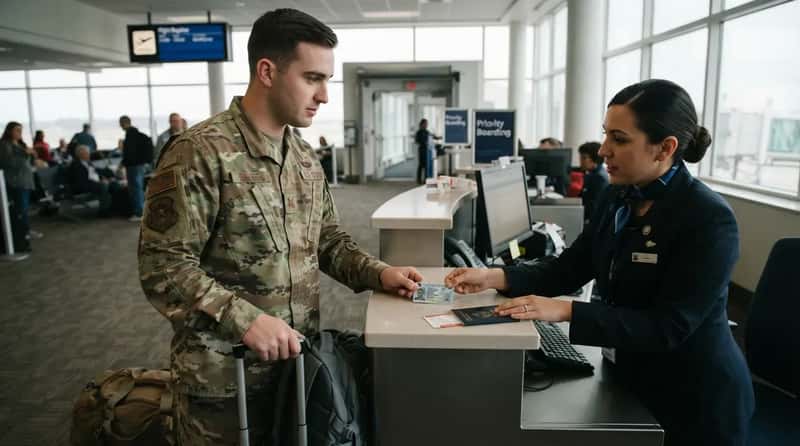
Priority boarding is sold as a paid add-on to nearly everyone, except a specific group that gets it automatically. Active duty military members receive free checked bags and board in the first boarding group without paying extra.
Most eligible travelers still pay for priority boarding anyway because they never mention their status at the counter. The benefit isn’t printed on the boarding pass by default; it has to be requested and verified with ID before boarding begins.
#3 – The “Non-Refundable” Fee That Isn’t Actually Final
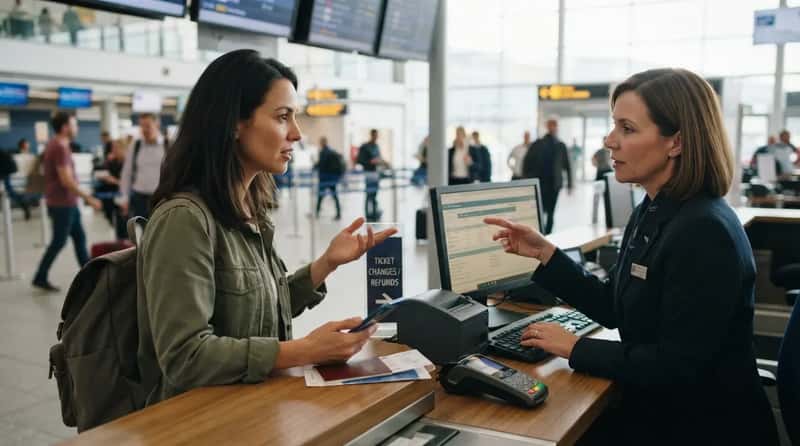
Non-refundable sounds absolute, but the reality inside most airline systems is far messier. For most main cabin and higher fares, canceling before departure still gets you a flight credit for the unused value, or a full refund if you originally booked a refundable ticket.
Most travelers hear “non-refundable” and simply give up, forfeiting credit they were entitled to claim all along. The distinction between a refund and a travel credit is exactly the kind of fine print that gets lost in a rushed phone call, but asking specifically for “the credit option” almost always works.
#2 – The Automatic Cash Refund Airlines Used to Avoid
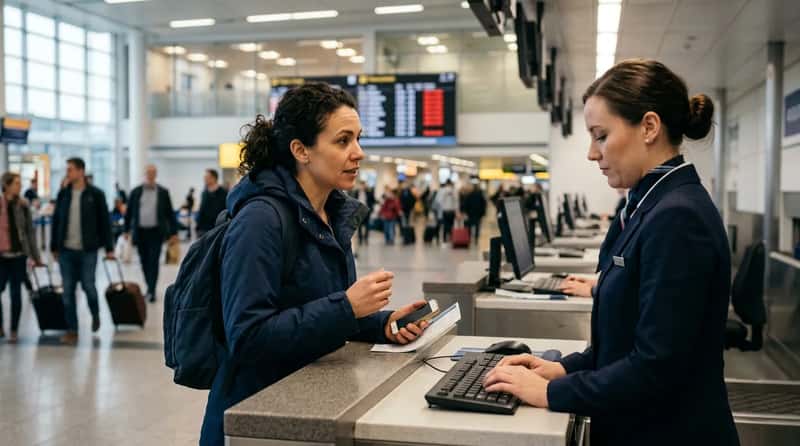
For years, airlines pushed travel vouchers instead of cash whenever a flight was canceled, and most passengers accepted it without pushing back. That changed with new federal rules. Updated 2024 and 2025 Department of Transportation regulations now require airlines to issue automatic cash refunds when passengers decline a canceled flight’s rebooking option.
Airlines will now be required to promptly provide passengers with automatic cash refunds when owed.
U.S. Department of Transportation
Before those reforms, airlines had broad room to limit fee waivers and push vouchers first. Most flyers still don’t ask for cash by name, and default to whatever the app offers up front.
#1 – The Basic Economy Refund Nobody Expected in 2025
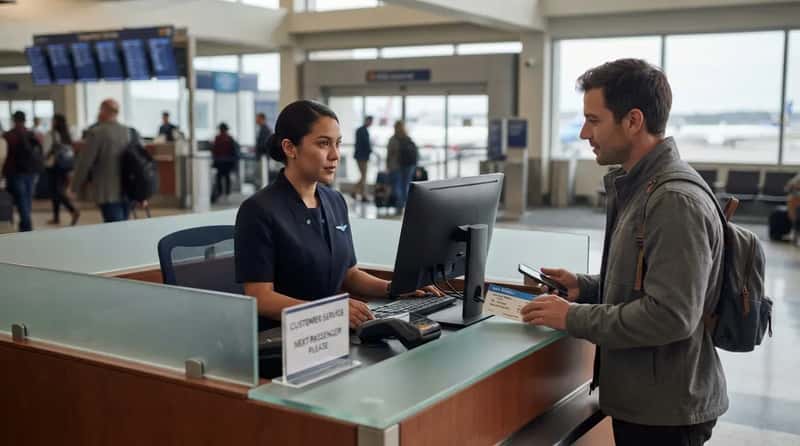
This is the fee waiver that stunned even seasoned points-and-miles experts. During the 2025 shutdown-driven flight cuts, airlines broke their own rulebook entirely. Several major carriers allowed basic economy passengers to claim a refund even when their flight was never canceled, a move described as well beyond any flexible travel waiver seen since the pandemic.
The single most restrictive fare class in modern air travel, the one built specifically to prevent refunds, got refunded anyway. It happened because of extraordinary circumstances, not routine policy, which is exactly why so few travelers thought to ask. It’s proof that even the fees marked “final” aren’t always final when the moment is right.
Why It Stands Out
- Basic economy is the fare class designed specifically to prevent refunds
- Even points-and-miles veterans called this waiver unprecedented
- It only happened because of extraordinary circumstances, not routine policy
- Most eligible travelers never even filed a claim
Across all 27 of these, the pattern holds: fees aren’t fixed prices, they’re negotiating positions dressed up as policy. Elite status, military orders, storm advisories, the right credit card, or simply the right word choice on the phone can turn a $200 charge into a $0 one. Airlines rarely advertise this because their business model depends on most people never asking.
The travelers who consistently dodge these fees aren’t lucky. They just know which words unlock which waiver, and they ask before the charge hits, not after. Which one of these surprised you the most?