A hotel engineer with ten years on the job doesn’t need to see your luggage, your shoes, or your credit card tier to know how many nights you’ve actually spent on the road. Give them ninety seconds inside your room, and they’ll know. It’s not a guess. It’s a pattern they’ve watched repeat itself thousands of times, and most guests have no idea they’re broadcasting it.
The tell isn’t what you’d expect. It’s not confidence, or attitude, or how neatly you unpack. It’s a string of tiny, almost unconscious habits, the kind nobody teaches you and nobody notices themselves doing. Maintenance crews notice all of it, and here’s exactly what gives a road-worn traveler away before they’ve even said hello.
#27 – They Jiggle The Deadbolt Before They Even Unpack
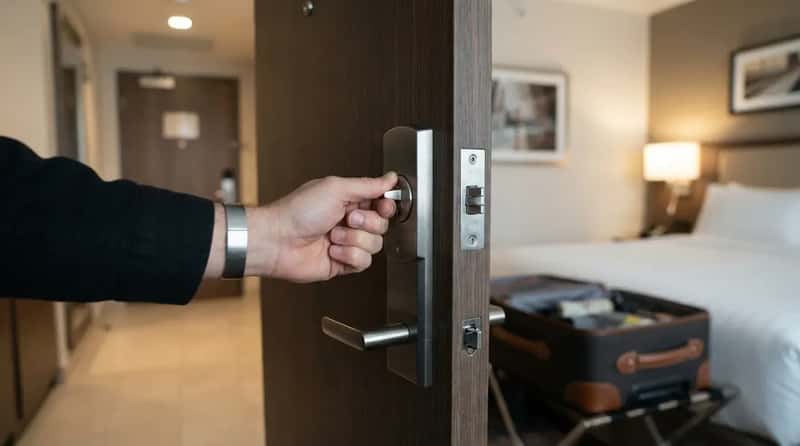
Experienced travelers test the lock mechanism the second the door closes behind them. They’re not paranoid, they’re just aware that budget renovations sometimes leave deadbolts slightly misaligned. Maintenance teams say this single motion instantly signals someone who’s stayed in hundreds of rooms.
Casual guests almost never do this. They toss their bag on the bed first and worry about security later, if at all. Engineers say the lock-check habit isn’t nervousness, it’s muscle memory built from one too many nights spent troubleshooting a jammed door at midnight.
#26 – They Find The Thermostat Before They Find The Bathroom
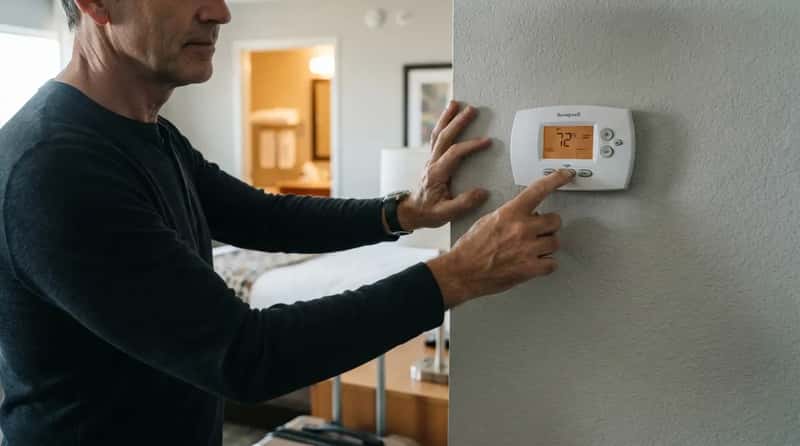
Seasoned guests head straight for climate control, because they know hotel HVAC systems vary wildly in responsiveness. Some units take twenty minutes to shift even two degrees, and frequent travelers have learned that lesson the hard way.
Maintenance staff say this habit is one of the clearest tells of experience. Guests who’ve dealt with broken units before immediately test the range, not just the current setting, checking whether the system can actually reach comfortable extremes before deciding whether to call for help.
#25 – They Never Set Luggage Directly On The Bedspread
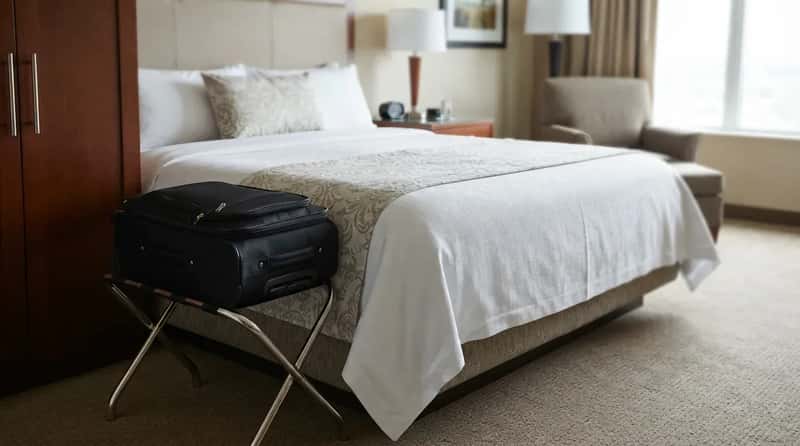
This one surprises newer staff, but engineers who’ve worked hospitality for years notice it constantly. Frequent travelers instinctively use the luggage rack, a chair, or the floor near the closet, treating the bedspread as off-limits territory.
It’s a habit rooted in awareness that bedspreads are cleaned far less often than sheets. Housekeeping teams have quietly confirmed this concern for years, and the guests who already know it are almost always the ones who’ve logged serious time on the road.
#24 – They Request Rooms Away From Ice Machines Without Being Asked
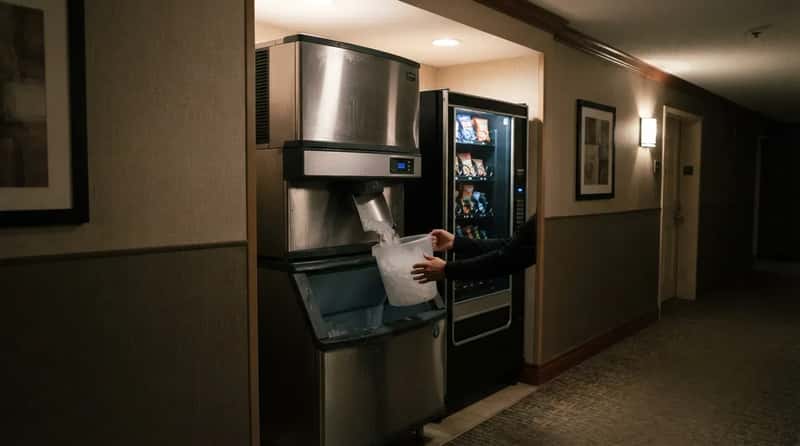
Ask any engineer about noise complaints, and ice machines top the list almost every time. Compressors kick on at odd hours, and the sound travels through walls far more than hotels advertise.
Experienced guests know this before booking, which is why they specifically request rooms far from vending alcoves and ice stations. Front desk staff say this single request is one of the strongest indicators of a road veteran, since casual travelers rarely think to ask.
Worth Knowing
- Ice machines and vending alcoves are consistently flagged as top sources of overnight noise complaints in hotels.
- Compressor cycles run unpredictably, often kicking on well after midnight.
- Many properties will happily move a guest before check-in if asked in advance.
- Rooms near ice stations are frequently the last ones to sell out for a reason.
#23 – They Carry Their Own Door Stop Or Travel Lock
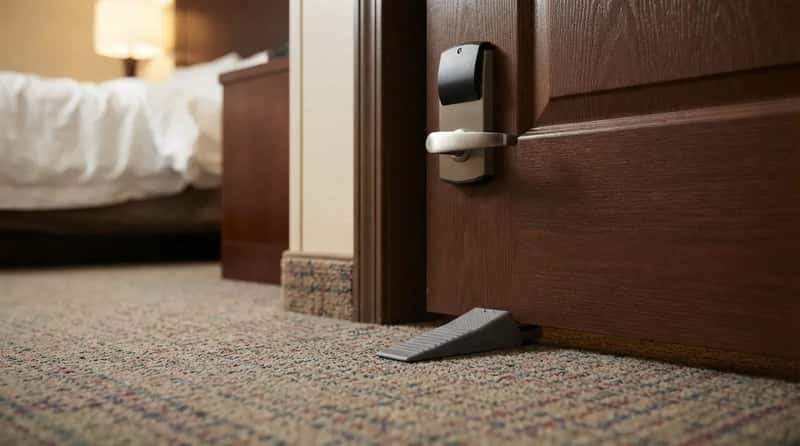
It sounds excessive until you’ve stayed in a property with a door that doesn’t fully latch. Frequent guests learn to carry a small rubber wedge or portable lock, not out of fear, but out of practicality built from experience.
Maintenance teams say this habit isn’t about distrust of the property. It’s about eliminating one more variable that could interrupt sleep, especially for guests who’ve had a door pop open on its own in the middle of the night at least once before.
#22 – They Test Every Lamp Before They Sit Down
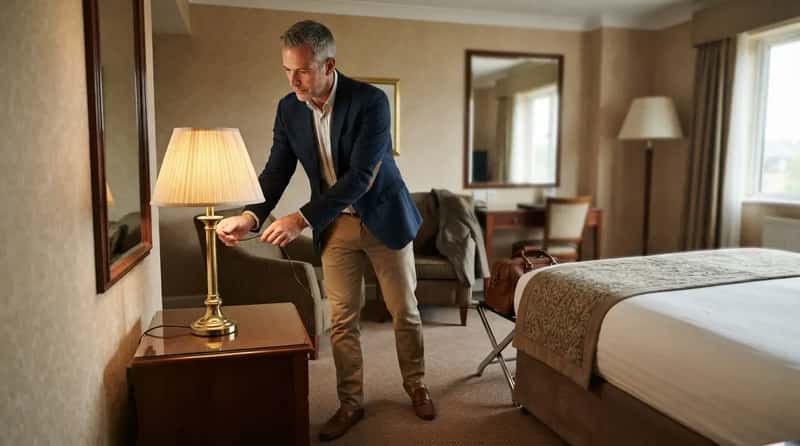
New guests unpack first and worry about lighting later. Veteran travelers flip every switch immediately, because dead bulbs and finicky outlets are more common than most people assume in older hotel wiring systems.
Engineers say this quick sweep saves everyone time. Guests who report a dead lamp within the first five minutes almost always turn out to be frequent travelers, since they’ve learned that waiting until nightfall to discover a problem only delays the fix.
#21 – They Call Engineering Directly Instead Of The Front Desk

Most guests assume every request has to funnel through reception. Seasoned travelers, especially those who’ve stayed at the same chain repeatedly, often know the property has a direct maintenance extension listed on the phone or in the guest directory.
This shortcut shaves real time off repair requests. Maintenance teams say guests who use it tend to be far more patient and specific about the actual issue, because clear, direct communication gets problems solved faster than vague complaints filtered through a third party.
#20 – They Notice Water Pressure Before Anyone Mentions It

Frequent guests run the shower for a few seconds before fully settling in, just to gauge pressure and temperature stability. It’s a habit built from experience with older plumbing systems in mid-range and budget hotels.
Engineers say this quick check often catches issues housekeeping would never notice during a routine turnover. Weak water pressure is one of the most common maintenance tickets in hospitality, and experienced guests have simply learned to flag it early rather than suffer through a lukewarm shower.
#19 – They Know Which Side Of The Bed Has The Outlet
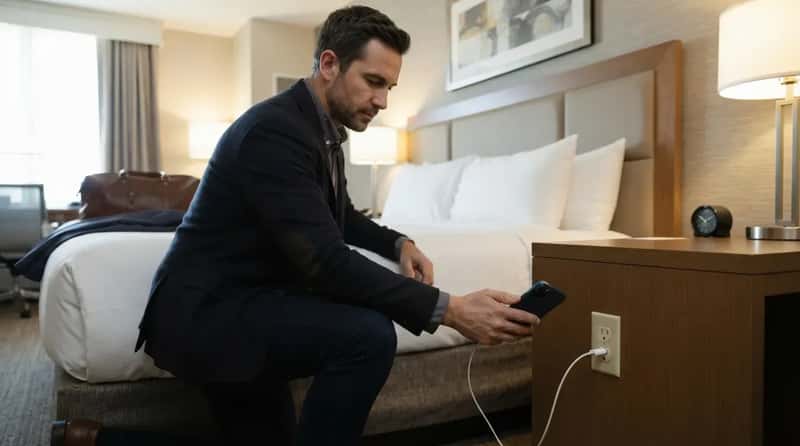
This tiny detail says a lot. Veteran travelers scan for outlets before deciding which side of the bed to claim, since charging a phone overnight is non-negotiable for most road-heavy schedules.
Maintenance staff notice this because it changes how guests interact with the room entirely. Guests who ask about outlet placement before unpacking are almost never first-time visitors, they’re people who’ve been burned by a dead phone battery on a work trip before.
#18 – They Check The Peephole And Chain Lock Together
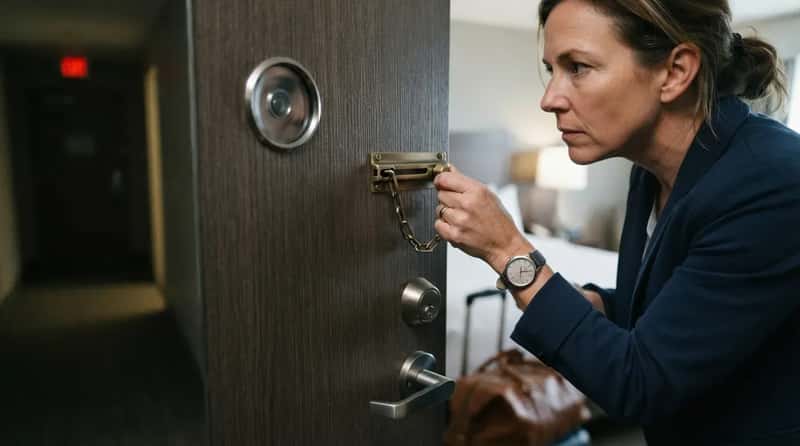
It’s a two-second habit, but it’s telling. Experienced guests check both the peephole clarity and the secondary chain lock as a pair, treating them as one security system rather than separate features.
Younger or less frequent travelers tend to check one or neither. Security consultants who work with hotels have noted that guests who verify both are typically the ones who’ve had a genuinely uncomfortable experience at some point during years of travel, and they’ve adjusted their instincts accordingly.
#17 – They Report Loose Grab Bars Immediately
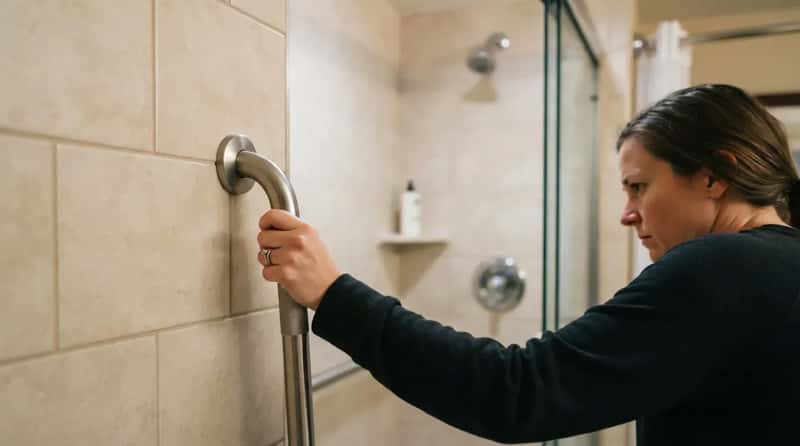
This habit isn’t about complaining, it’s about safety awareness built from experience. Frequent travelers know that a wobbly grab bar in a shower is a liability, not a minor annoyance, and they report it the moment they notice it rather than waiting until checkout.
Maintenance teams say this specific report is a strong signal of an experienced guest. Casual travelers almost never test grab bars at all, while frequent guests treat that quick tug as second nature, almost like checking a seatbelt.
#16 – They Avoid Corner Rooms Near Elevator Shafts
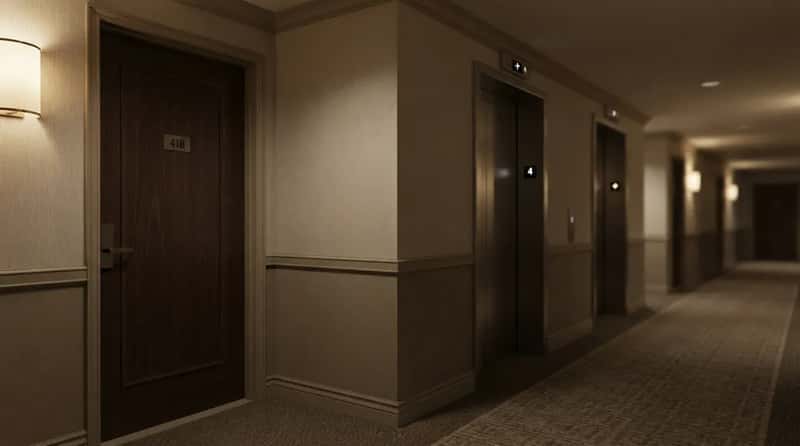
Elevator mechanical noise travels farther than most guests expect, and veteran travelers have learned to ask about room location relative to elevator banks before ever stepping foot on the property.
Engineers confirm that corner rooms near shafts generate a disproportionate share of noise complaints. Guests who specifically request distance from elevators, without being prompted, are almost always people who’ve suffered through a sleepless night caused by mechanical hums in the past.
#15 – They Know The Difference Between DND Signs And Phone Requests
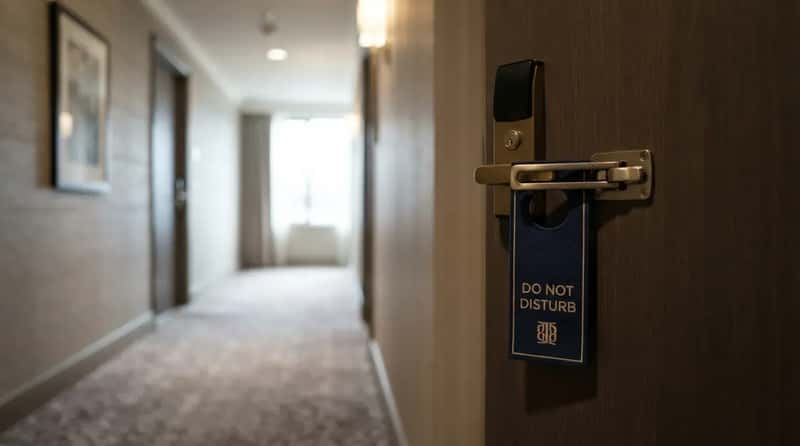
Do Not Disturb signs are more reliable than verbal requests, and experienced travelers know it. They hang the sign physically rather than relying on a note left with the front desk, because staff turnover and shift changes can cause requests to fall through the cracks.
Housekeeping supervisors say this habit reduces interruptions dramatically. It’s a small piece of hospitality knowledge that frequent travelers pick up quickly, while occasional guests often assume a phone call alone is enough to guarantee privacy.
#14 – They Test The Safe With A Trial Lock Before Storing Anything Valuable
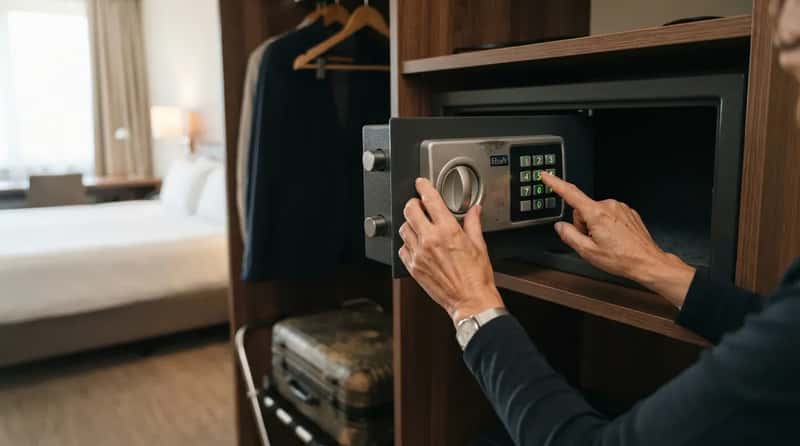
Room safes fail more often than hotels like to admit, particularly older keypad models. Seasoned travelers run a quick open-and-close test with nothing inside before trusting it with a passport or laptop.
Maintenance teams say this habit prevents a surprisingly common problem: guests locked out of their own safe. Frequent travelers test first specifically because they’ve either experienced or heard about a jammed safe ruining someone’s checkout morning.
#13 – They Check Blackout Curtains For Light Gaps
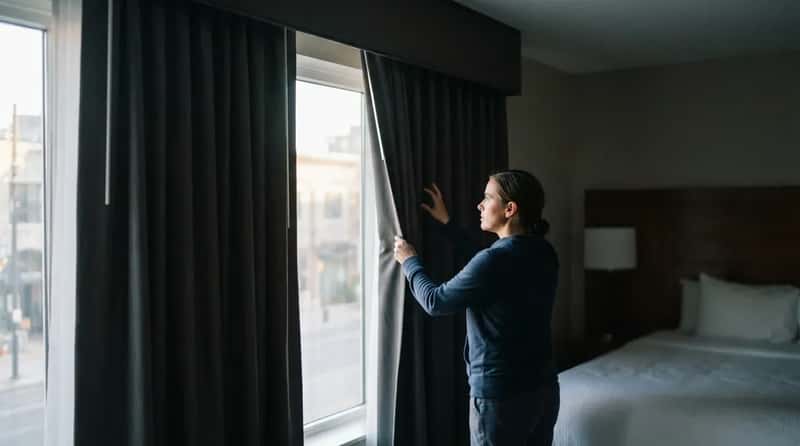
Nothing ruins a recovery day like sunlight leaking through a curtain gap at 5 a.m. Experienced guests close the curtains fully and check for edge gaps immediately, adjusting clips or requesting a room change if the seal is poor.
Hotel engineers say this habit correlates strongly with shift workers, frequent flyers, and long-haul travelers who depend on sleep schedules that don’t match daylight hours. It’s a small ritual, but it’s one of the clearest signs of someone who travels often enough to have learned the hard way.
#12 – They Notice Minibar Hum Before It Becomes Annoying
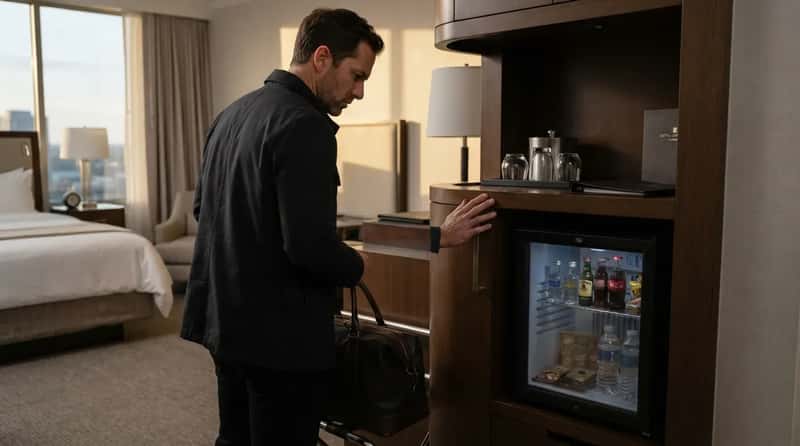
Older minibar compressors can be surprisingly loud, and frequent travelers pick up on the hum within minutes of entering a room. Rather than tolerating it overnight, they ask staff to either fix it or temporarily unplug the unit.
Maintenance teams say this is one of the more common late-afternoon requests from repeat guests specifically. Casual travelers often don’t notice the sound until they’re already trying to fall asleep, by which point the fix becomes a bigger interruption.
#11 – They Know Which Floors Tend To Be Quietest
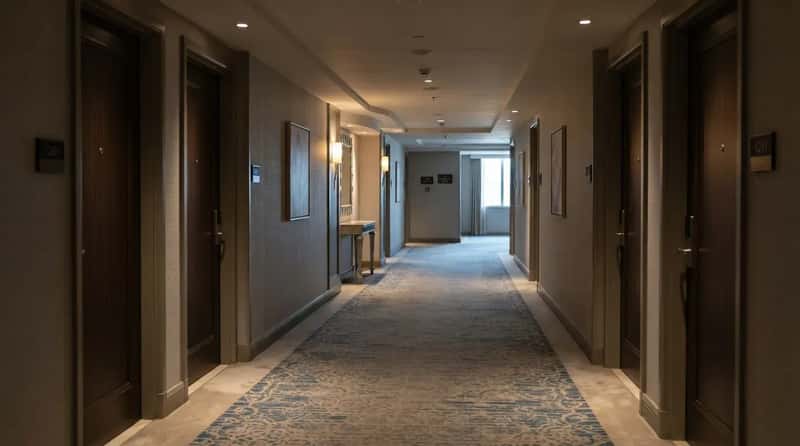
Ground floors near lobbies and pool decks tend to be noisier, and middle floors often strike the best balance between elevator access and distance from mechanical systems. Experienced travelers know this instinctively and request accordingly.
Front desk staff say this preference shows up constantly with frequent guests, especially business travelers. Requesting a specific floor range, rather than just “high floor” or “low floor,” is one of the clearest signals of someone who has stayed in dozens of similar properties.
Quick Compare
- Ground floor: easiest access, but closest to lobby chatter and pool-deck traffic.
- Middle floors: the sweet spot between elevator convenience and distance from mechanical rooms.
- Top floor: quieter hallways, though sometimes nearer rooftop HVAC units.
#10 – They Tip Housekeeping On Day One, Not The Last Day
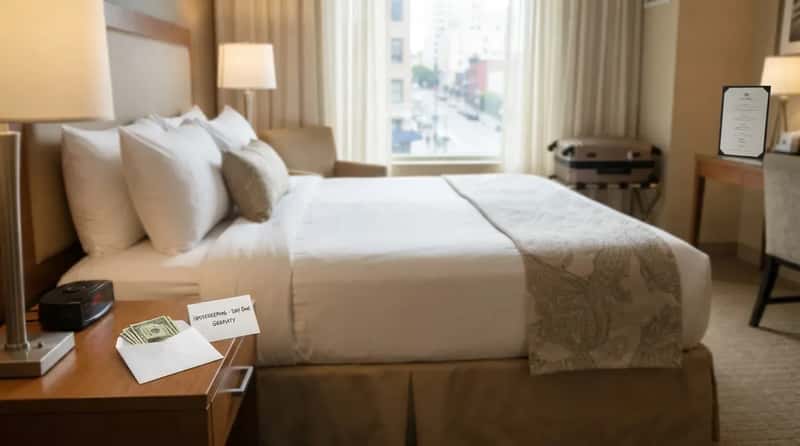
This habit surprises a lot of first-time travelers, but it’s common knowledge among frequent guests. Tipping early, rather than waiting until checkout, tends to result in more attentive service throughout the stay, according to numerous hospitality industry reports.
Maintenance and housekeeping staff both notice this pattern. Guests who tip on arrival are almost always repeat travelers who understand that hospitality work runs on goodwill, and that a small early gesture often gets remembered for the rest of the visit.
#9 – They Know Exactly Where The Nearest Fire Exit Is
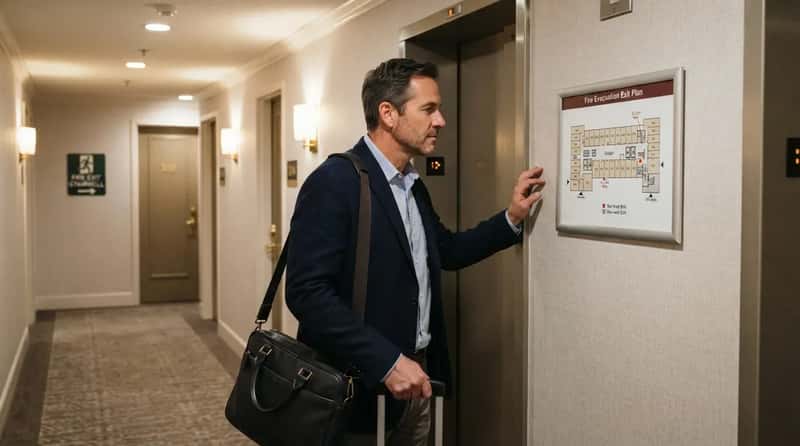
It sounds excessive, but experienced travelers glance at the posted evacuation map near the elevator, not out of anxiety, but out of habit built from years of unfamiliar buildings. They count doors between their room and the stairwell almost automatically.
Safety experts consistently note that most guests never look at evacuation information at all. The guests who do are almost always frequent travelers who’ve simply internalized it as part of checking into any unfamiliar space, hotel or otherwise.
Fast Facts
- Evacuation maps near elevators are standard in nearly every U.S. hotel, yet rarely glanced at by first-time guests.
- Frequent travelers often count doors between their room and the nearest stairwell within minutes of arrival.
- Stairwell proximity is one of the most overlooked factors when guests pick a room.
#8 – They Recognize A Recently Renovated Room Within Seconds
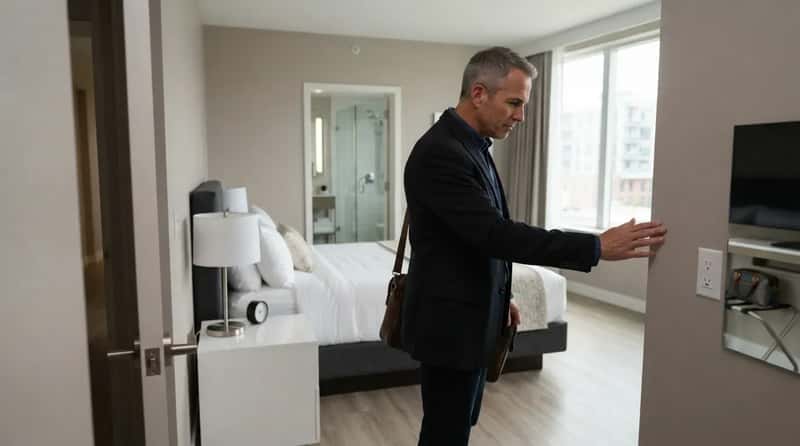
Frequent travelers can tell almost instantly whether a room has been refreshed, based on smell, paint sheen, and outlet style. It’s a small but telling skill built from having stayed in hundreds of rooms across dozens of renovation cycles.
Maintenance engineers say this recognition often comes with specific follow-up questions, like asking whether the bathroom fixtures were updated too. It’s a subtle habit, but it reveals someone who pays close attention to detail because they’ve learned that older infrastructure tends to fail first.
#7 – They Notice A Mismatched Thermostat Display Immediately
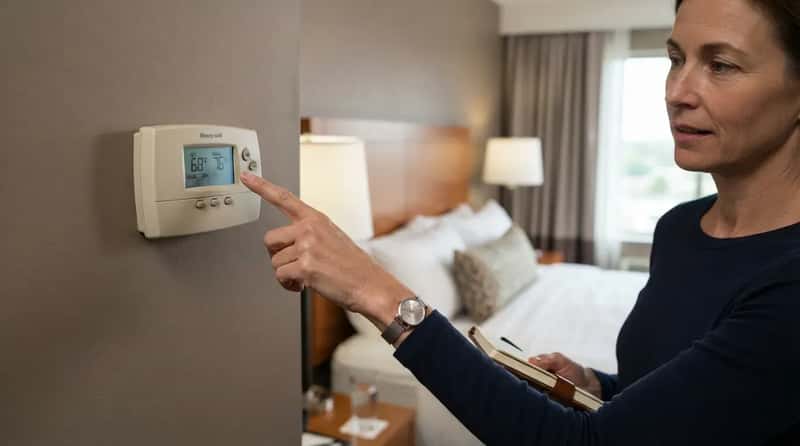
When the displayed temperature doesn’t match how the room actually feels, frequent guests catch it fast. It’s a common calibration issue in older HVAC systems, and experienced travelers know the fix is usually a quick maintenance visit rather than a lost cause.
Engineers say this specific complaint, phrased with detail rather than vague frustration, is a strong signal of travel experience. Casual guests tend to just assume the room is broken and give up, while frequent travelers push for a resolution because they know it’s fixable.
#6 – They Ask About Wall Thickness Before Booking Adjoining Rooms
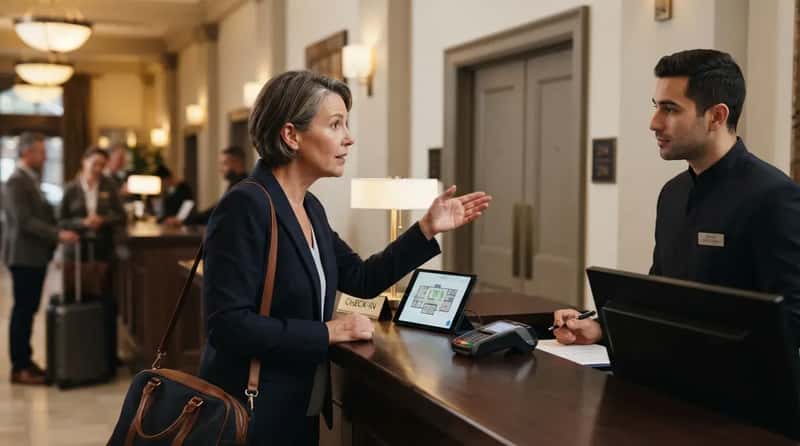
Guests traveling with family or colleagues sometimes need connecting rooms, and experienced travelers know to ask about wall construction before assuming privacy. Older hotel buildings often have thinner walls between connecting units than newer construction.
Front desk teams say this question rarely comes from first-time guests. It usually comes from someone who has, at some point, overheard far more from a neighboring room than they ever wanted to, and has since learned to ask upfront.
#5 – They Recognize The Signs Of A Recently Fixed Leak
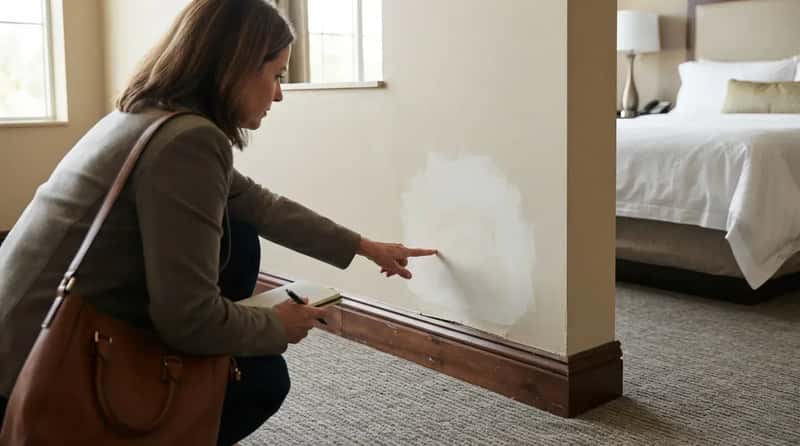
Water stains, fresh paint patches, or a faint musty smell near baseboards are subtle, but frequent travelers notice them. It’s not paranoia, it’s pattern recognition from years of staying in properties of varying age and maintenance quality.
Maintenance staff say guests who point out these details tend to be remarkably specific, often noting the exact location and asking clarifying questions. This level of observation is almost exclusively found in travelers who’ve logged significant time in hotels across different regions and price points.
#4 – They Know How To Politely Escalate A Recurring Problem

When a fix doesn’t hold, casual guests often get frustrated and give up. Experienced travelers know the difference between a first request and a second one, and they escalate calmly but firmly, often asking for a supervisor or engineering lead directly.
Hotel staff say this escalation pattern is one of the clearest signs of someone who travels constantly for work. They’ve learned that staying calm and specific gets faster results than frustration, and that persistence, not anger, is what actually moves a maintenance ticket up the priority list.
#3 – They Notice When A Room Smells Like Recent Deep Cleaning
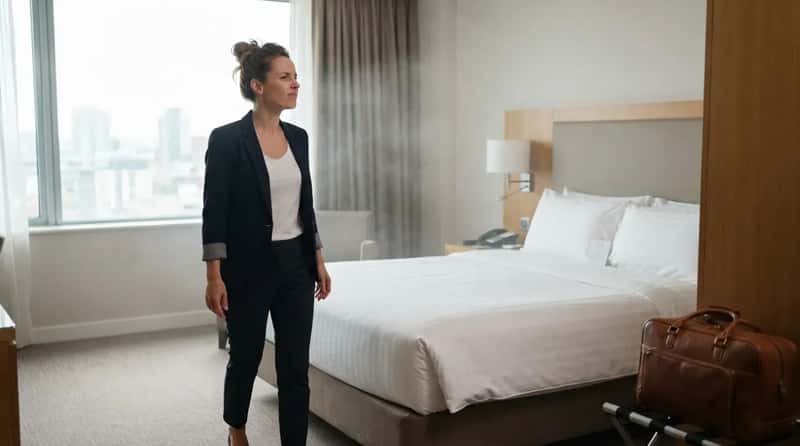
There’s a specific, sharp scent that lingers after a deep clean or bedbug treatment, and frequent travelers pick up on it almost immediately. It’s not something most casual guests would even register.
Pest control and hospitality maintenance teams confirm this smell is distinct from standard housekeeping products. Guests who ask about it directly, rather than ignoring it, are almost always people who’ve either experienced or closely followed hospitality industry issues related to pest treatments.
#2 – They Can Tell When A Property Is Understaffed From The State Of Common Areas
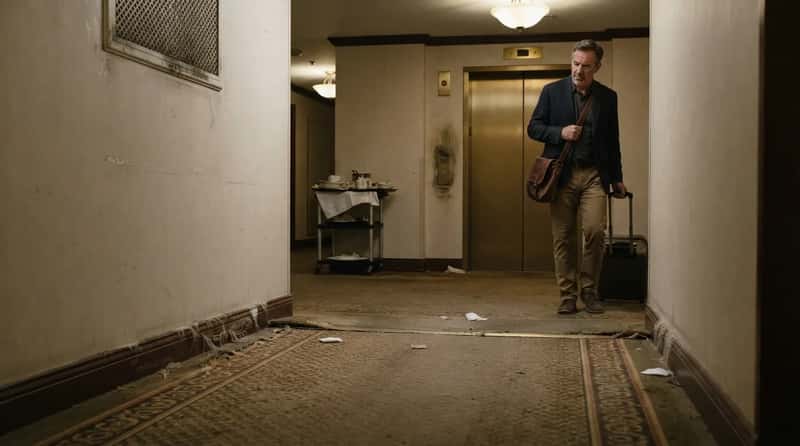
Long before anything breaks in their room, experienced travelers read the lobby, the elevator landings, and the hallway carpets for signs of neglect. Worn carpet edges, dusty vents, or slow-to-respond staff often hint at deeper maintenance backlogs.
Hospitality insiders say this instinct is remarkably accurate. Guests who mention staffing concerns before ever filing a complaint about their own room are almost always seasoned travelers who’ve learned to read a property’s overall health at a glance.
#1 – They Treat Maintenance Staff Like Problem-Solvers, Not Servants
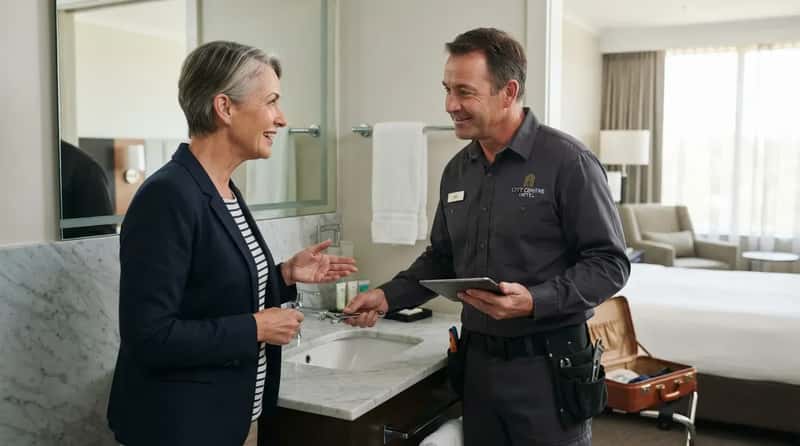
This is the habit engineers mention most often, and it’s the strongest signal of genuine travel experience. Frequent guests greet maintenance workers by name when possible, explain issues clearly, and treat repairs as a collaborative fix rather than a personal inconvenience.
Maintenance teams across the hospitality industry consistently say this respect translates into faster, better service. It’s not about being nice for the sake of it, it’s a habit built from understanding that the person fixing a leaky faucet at 11 p.m. is the same person who can make the rest of the stay far smoother.
Why It Stands Out
- Clear, specific descriptions of a problem cut diagnostic time for maintenance crews.
- Guests who stay calm and courteous tend to get faster callbacks on repeat requests.
- Respectful interactions are often remembered and can lead to small perks on future stays.
- Treating repairs as teamwork, not confrontation, is the single trait engineers bring up unprompted most often.
None of these habits are secrets exactly, but stacked together they tell a story most guests never realize they’re writing. Maintenance teams see the same tells every single day, and they’ll tell you it’s rarely about money, status, or luggage brand. It’s about attention, calm communication, and small routines built from too many nights spent figuring out what actually works.
So which one is yours? Somewhere on a maintenance team, someone’s already clocked it.