Most people picture grandparent travel as a slower, softer version of a family vacation – extra snacks, extra patience, extra photos. That picture isn’t wrong, exactly. It’s just missing the real story.
The grandparents who’ve done this dozens of times aren’t operating on patience alone. They’re running a playbook built from missed flights, meltdown-filled museum visits, and a few scares that taught them exactly what actually works – and what almost never does. Here’s what separates a first-timer from a seasoned pro, one habit at a time.
1. They Book “Skip-Gen” Trips Instead of Waiting for the Whole Family

Experienced grandparents don’t wait around for everyone’s schedules to align. Skip-gen vacations – grandparent and grandchild only, no parents – have quietly become one of the biggest trends in family travel, especially as families spread farther apart geographically.
Recent surveys show roughly three quarters of grandparents have traveled with a grandchild in just the past year, and skip-gen trips are the fastest-growing version of it. The parents stay home, the grandkid gets undivided attention, and the trip becomes something entirely its own – not a smaller version of a family vacation, but a different experience altogether.
Fast Facts
- About three in four grandparents traveled with a grandchild in the past year
- Skip-gen trips are the fastest-growing style of multigenerational travel
- Most skip-gen trips leave parents home entirely, by design
2. They Let the Grandchild Help Plan the Trip – On Purpose

New grandparents tend to plan everything themselves, down to the last dinner reservation. Experienced ones know that’s actually a mistake.
Kids who help choose the trip and shape the itinerary show up more engaged once they’re actually there. So seasoned grandparents hand over a map or a shortlist and let the child pick the one “must-do” stop. It sounds small, but it changes the entire tone of the trip – the kid isn’t a passenger anymore, they’re a co-pilot.
3. They Pay for Everything – And Don’t Treat It Like a Sacrifice

Ask a rookie grandparent about the budget and you’ll get anxiety. Ask a veteran and you’ll get a shrug.
Grandparents often cover half the cost of multigenerational trips, and on skip-gen trips, roughly 90 percent foot the entire bill themselves. Most don’t see it as generosity. They see it as the whole point of the trip existing at all.
4. They Tie the Trip to a Milestone Birthday

Random summer trips are for beginners. Experienced grandparents pick a number and build around it.
Many families anchor skip-gen getaways to milestone birthdays – a grandchild turning 10, 12, or 16 – treating the trip as a way to mark a real life transition instead of just another vacation. A tenth birthday becomes a national park trip. A sixteenth becomes a first trip abroad. The milestone gives the trip a story the child will retell for decades.
5. They Book Through Specialty Tour Companies Instead of Winging It

First-timers Google hotels and hope for the best. Veterans call a company that’s done this thousands of times already.
Road Scholar alone offers more than 150 trips built specifically for grandparents and grandchildren, from a Tanzanian safari to snorkeling in Florida. These outfits handle the logistics that trip up new travelers – pacing, meals, downtime – so the grandparent gets to focus on the relationship instead of the spreadsheet.
Quick Compare
- Winging it: flexible, but risky pacing and no built-in kid activities
- Specialty tour groups: pre-planned pacing, meals, and age-appropriate excursions
- Cruises: onboard kids’ clubs give built-in breaks for both generations
6. They Split the Group for Part of Every Day
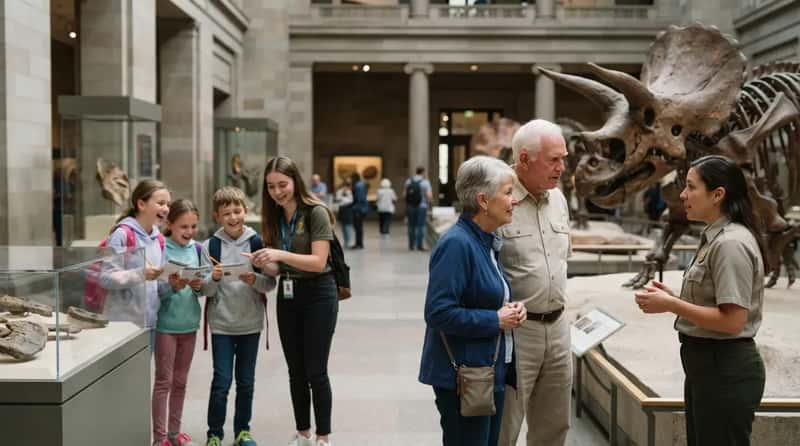
Here’s a trick most new grandparents never think to try: separate on purpose, even for just an hour.
On specialty trips, guides will sometimes send kids off on a scavenger hunt while adults join a slower, docent-led tour. Experienced grandparents copy this move even without a tour guide around, giving both generations a short break that makes the time back together feel fresh instead of forced.
7. They Deliberately Leave the Parents at Home

This one sounds harsh until you understand why it works so well.
Without parents in the middle, the dynamic shifts completely. Grandparents consistently report feeling closer to a grandchild once mom or dad isn’t standing there refereeing every conversation. It’s a controversial move to some parents, but grandparents who’ve tried it swear the child opens up in ways that simply don’t happen otherwise.
8. They Pick Fewer Destinations and Stay Longer in Each One
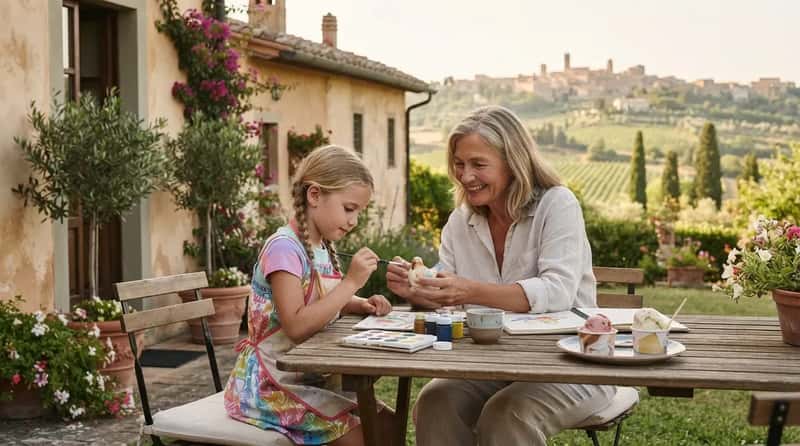
Rookies try to cram in a whole continent. Veterans slow everything down instead.
Instead of hopping cities every two nights, experienced grandparents pick one or two bases and let the grandchild actually settle in. It cuts down on exhaustion for both generations and leaves room for the unplanned moments – the second gelato, the extra hour at the pool – that end up being the memories that stick. The itinerary gets shorter, not longer, with experience.
9. They Build In “Nothing” Days on Purpose

New grandparents pack every hour of the day. Seasoned ones protect blank space on the calendar like it’s sacred.
A full rest day in the middle of a trip isn’t laziness – it’s damage control. Jet lag, sunburn, and plain overstimulation hit kids and grandparents differently, and a day with zero plans keeps small grumbles from turning into a full-blown meltdown. They’ve learned the hard way that one empty afternoon prevents more fights than any activity ever could.
10. They Pack Snacks Like It’s a Survival Mission
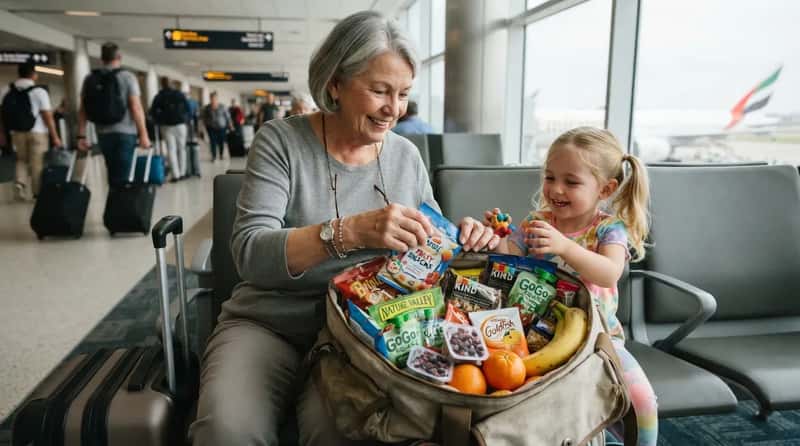
This isn’t a stereotype. It’s strategy, refined over years of trial and error.
Veteran grandparents travel with a bag that looks disproportionately large for a simple day trip, and it’s almost entirely food. They’ve learned that a hungry grandchild in a foreign airport is a completely different, far more difficult person than a fed one. The snack bag isn’t an afterthought – it’s the single most-used item in the whole suitcase.
11. They Throw the Schedule Out the Window When Needed
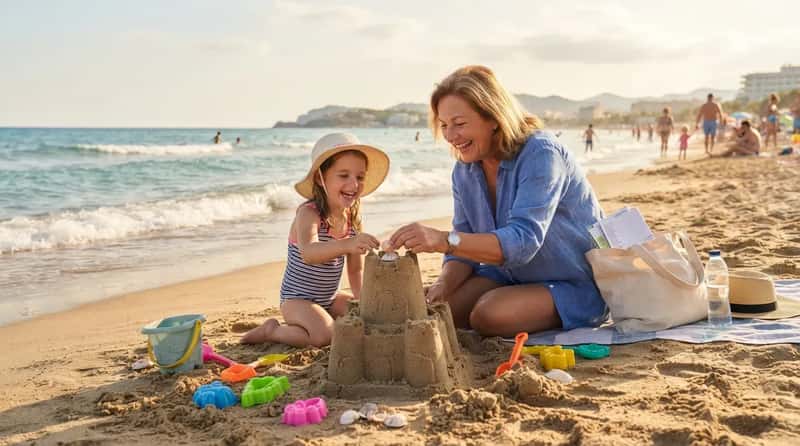
New grandparents cling to the itinerary like it’s law. Experienced ones treat it as a rough draft, nothing more.
If the museum is a bust after ten minutes, they leave. If the beach day needs an extra hour, they stay. Flexibility isn’t a personality trait here – it’s a skill built from years of watching rigid plans collapse the second a child gets tired or bored.
12. They Set “Grandparent Rules” That Don’t Match Home Rules

Bedtime at home doesn’t always survive contact with vacation, and experienced grandparents have made peace with that.
They negotiate a separate, temporary rulebook with parents before the trip even starts – a little more screen time, a later bedtime, one extra dessert. It isn’t about spoiling the child; it’s about avoiding a two-week power struggle over rules that don’t matter as much on the road.
13. They Document Everything – Not Just for Instagram

The photo-taking habit isn’t vanity. It’s insurance against forgetting.
Veteran grandparents know a child’s memory of a trip fades fast, so they treat photos, journals, and even saved ticket stubs as tools to keep the experience alive for years afterward. Some hand the grandchild a disposable camera or a small notebook, turning documentation into part of the adventure itself.
14. They Choose Slower Transportation on Purpose
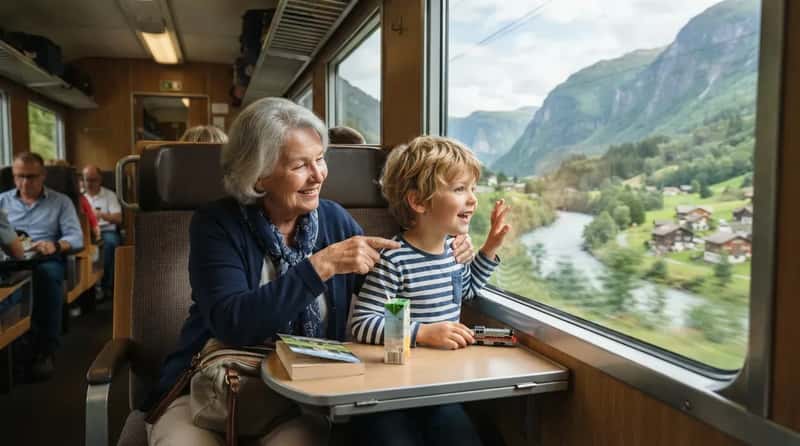
Trains and cruise ships beat rushed flights, and experienced grandparents know exactly why.
A train window or a ship deck gives a restless child somewhere to look and something to do that isn’t a screen. It also removes the stress of tight connections, which matters more with a grandchild in tow than most first-timers ever realize. Slower travel isn’t a compromise here – it’s often the actual highlight of the trip.
15. They Resist the Urge to Overpack the Itinerary

New grandparents want to show the grandchild everything, all at once. Veterans know less is more.
A day with three attractions crammed in usually ends in tears – and not always the child’s. Experienced travelers pick one meaningful thing per day and let it breathe, rather than treating the trip like a checklist to clear. They’ve learned that the memory comes from depth, not distance covered.
16. They Know the Tantrum Triggers Before They Happen

This is the difference between reacting to a meltdown and preventing one entirely.
A grandparent who’s done this before can spot the warning signs – low blood sugar, no nap, too much noise – long before anything actually starts. They build the day around avoiding those triggers instead of scrambling to fix the fallout afterward. Prevention, not damage control, is the real skill here.
Worth Knowing
- Low blood sugar often shows up as sudden crankiness, not hunger complaints
- Skipped naps or shifted time zones magnify small frustrations fast
- Loud, crowded spaces can overwhelm a child well before tears start
- Catching one trigger early usually heads off the other two
17. They Book Shorter Trips Than They Originally Want To
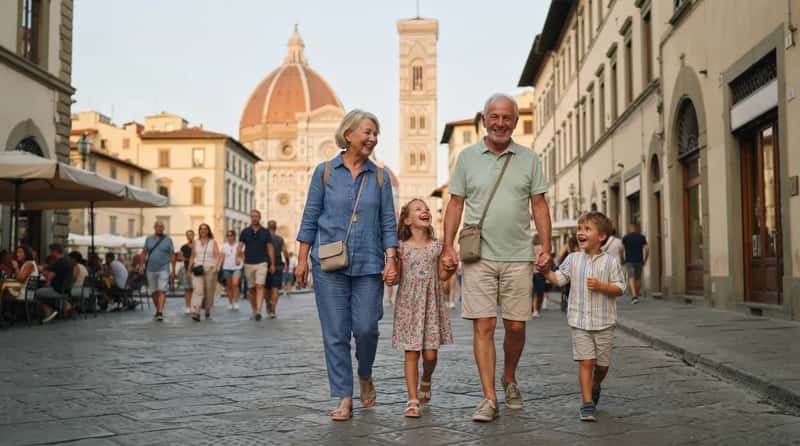
Everyone assumes longer is better. Experienced grandparents disagree, and they’ve got the receipts to prove it.
A five-day trip that ends on a high note beats a two-week trip that limps to the finish line exhausted and cranky. Veterans have learned to end while the child is still asking for more, rather than pushing until everyone is silently counting down the hours to home.
18. They Scout Bathrooms and Rest Stops Before They’re Needed
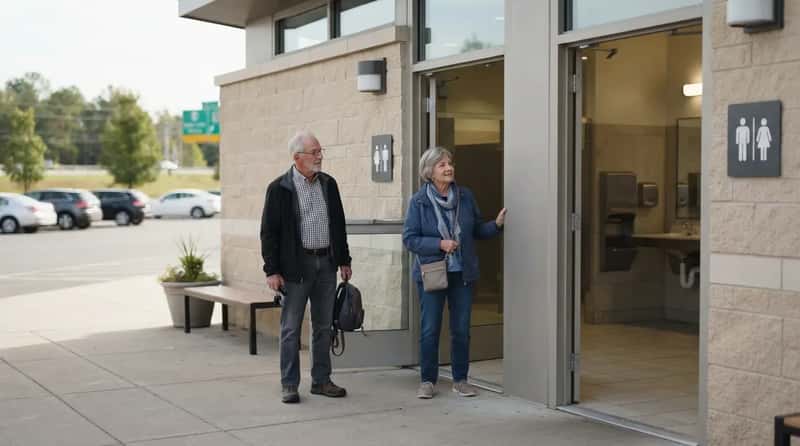
It sounds unglamorous because it is – and that’s exactly why it matters so much.
Long car rides, plane rides, and city walks all come with the same quiet risk, and experienced grandparents plan around it instead of hoping for the best. They already know which rest stops, cafés, or museum lobbies have clean, accessible bathrooms along the route. It’s the least Instagrammable skill on this list and arguably the most useful.
19. They Buy Travel Insurance Every Single Time
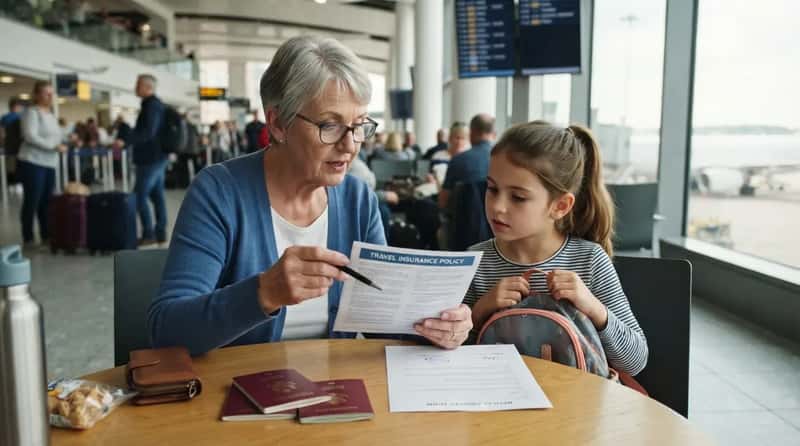
New travelers skip it to save a little money. Experienced grandparents never do.
Traveling with a minor who isn’t your own child adds a layer of medical and legal complexity most people never think about until something goes wrong. Veteran grandparents treat travel insurance and a signed medical consent letter from the parents as non-negotiable paperwork, not an optional add-on – usually because of a scare that turned out fine but easily might not have.
Fast Facts
- A signed medical consent letter from parents can speed up care abroad
- Travel insurance can cover trip interruptions, not just medical costs
- Grandparents traveling without the child’s parent face extra legal paperwork in some countries
20. They Pack the One “Comfort Item” From Home Without Being Asked

It’s never the itinerary that saves a rough night. It’s the stuffed animal.
Experienced grandparents know a strange hotel bed feels a lot less scary with one familiar object from the grandchild’s own room. They quietly pack it themselves, or remind the parents to, long before anyone even asks. This tiny habit prevents more homesickness than any pep talk ever could.
21. They Negotiate a Screen Time Truce Instead of a Screen Time Ban

Fighting the tablet is a losing battle, and smart grandparents don’t bother trying.
Instead of banning devices outright, veterans set specific windows – during flights, during downtime – where screens are fine, and protect the rest of the day for real-world moments. It avoids the constant tug-of-war that exhausts everyone before the trip even really starts. A truce beats a ban almost every time.
22. They Let the Grandchild Pick One Splurge – No Questions Asked

One indulgence, fully approved, can change the entire mood of a trip.
Whether it’s an overpriced souvenir, a fancy dessert, or an extra ride at the theme park, experienced grandparents let the child choose one thing to go big on without a single negotiation. It costs little in the grand scheme and buys enormous goodwill. The trick is picking just one – not letting every request become the splurge.
23. They Know How to Draw Out a Shy or Quiet Grandchild
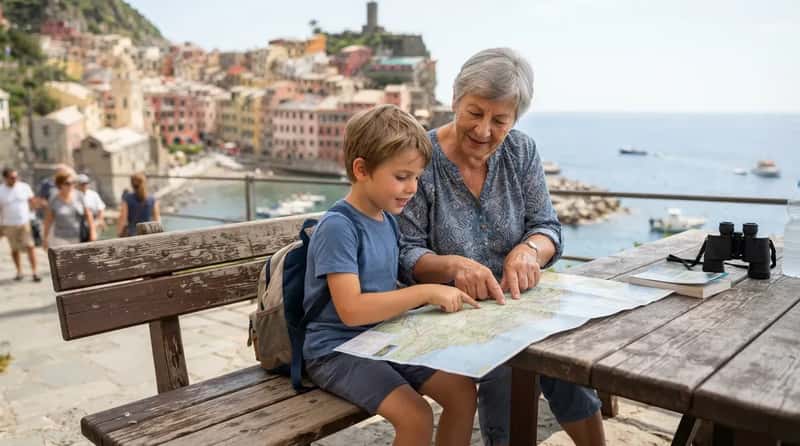
Not every grandchild arrives ready to bond on command, and forcing it almost never works.
Veteran grandparents have learned that pushing a quiet child to talk backfires, while shared tasks – cooking, map-reading, spotting wildlife – open them up naturally. They let the activity do the talking instead of forcing the conversation. The bond often shows up sideways, never head-on.
24. They Always Carry a Small Stash of Cash for Emergencies
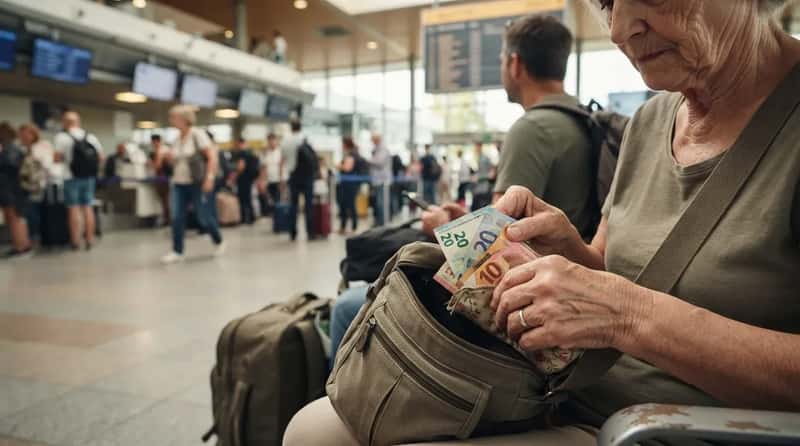
Cards fail. Wi-Fi drops. Cash never does.
Experienced grandparents keep a hidden, separate stash of cash specifically for the moment a card gets declined, a taxi won’t take plastic, or a quick bribe is needed to head off a meltdown in a crowded place. It’s a habit built from at least one past trip where the backup plan quietly saved the day.
25. They Sneak “Boring” Errands Into the Fun

The grocery store becomes an adventure when a veteran grandparent frames it right.
Picking out snacks in a foreign supermarket, hunting for a specific souvenir, or navigating a local market all double as cultural experiences disguised as chores. Experienced grandparents use these low-stakes errands as breathing room between the bigger, more exhausting activities. The “boring” parts often end up being a grandchild’s favorite memory, oddly enough.
26. They Refuse to Compete With the Parents
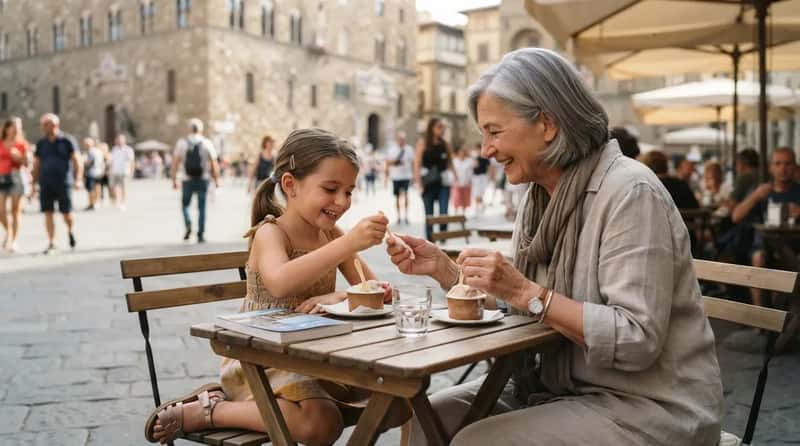
This one comes with age, and a little humility.
New grandparents sometimes try to outdo mom and dad – bigger treats, looser rules, more indulgence. Veterans know that backfires and creates tension at home once everyone’s back. Instead, they focus on being a different kind of presence rather than a better one.
27. They Treasure Every Trip Because They Know the Window Is Short

This is the habit that quietly powers every other item on this list.
AARP has found that 60 percent of grandchildren felt closer to their grandparents after taking a trip together, and 89 percent of grandparents say time with grandchildren directly boosts their own mental, social, and physical well-being. Experienced grandparents have watched wide-eyed travel buddies turn into busy teenagers with no time at all, and they know that window doesn’t stay open forever.
Grandchildren are God’s way of compensating us for growing old.
Mary H. Waldrip
None of this comes from a manual. It comes from years of missed naps, small disasters, and quietly figuring out what actually matters once the suitcases are packed and the flight is booked. The grandparents who’ve done this again and again aren’t more patient by nature – they’ve just learned, trip by trip, exactly where the real value was hiding all along.