Picture a summer Tuesday in 1974. The kids left the house after breakfast and nobody knew exactly where they were until the streetlights came on. Dinner was on the table at six whether you wanted it or not. The TV had three channels and went off at a set time. No one was staring at a phone. And somehow, nobody thought any of this was remarkable. That was just family life.
Some of what follows will make you laugh out loud. A few will genuinely unsettle you. But at least two or three will hit somewhere you weren’t expecting – not because the past was better, but because the distance between then and now is so much wider than most people realize. Here are all 27, counting down to the one that cuts deepest.
#27 – Riding in the Back of the Station Wagon With Zero Seat Belts
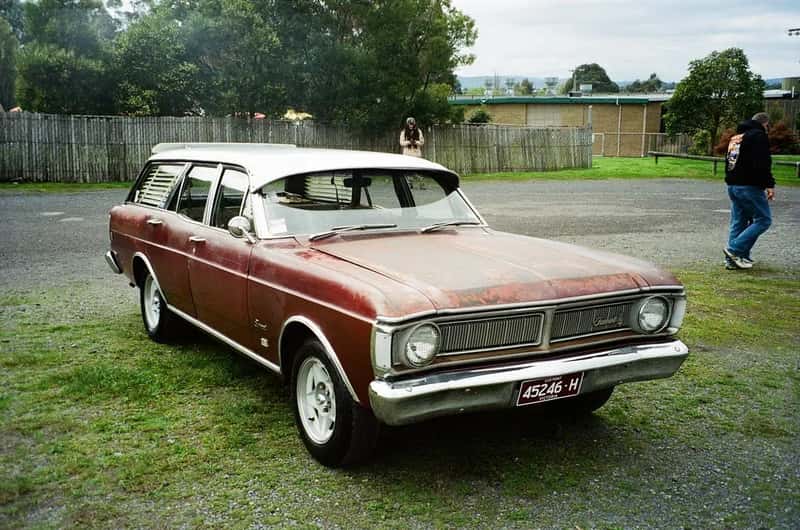
Children in the 1970s routinely rode in the back of station wagons sprawled across bench seats without a seat belt in sight. Car seats were primitive at best and largely optional. Kids rolled around in the cargo area like loose luggage at highway speed, and parents genuinely didn’t bat an eye. It was just how you traveled.
Although empirical evidence supporting child restraints existed in the early 1970s, not all 50 states required them until 1986. Today, regulations are so specific they dictate seat type by age, weight, and height. The station wagon free-for-all is not just gone – it’s now illegal in every corner of the country.
Fast Facts
- No U.S. state had a mandatory child car seat law until Tennessee passed the first one in 1978.
- All 50 states had child restraint laws by 1986 – a full decade after many families considered the lap of an older sibling “good enough.”
- Modern laws specify seat type by weight, height, and age – often three separate stages before a child moves to a standard belt.
- The rear-facing cargo area of a 1970s station wagon had no structural protection in a rear collision.
#26 – Letting an 8-Year-Old Babysit the Younger Kids

An eight-year-old in charge for the evening wasn’t a crisis – it was just Tuesday. Mom and Dad headed out, the eldest kid held down the fort, and there was no emergency contact list pinned to the fridge, no neighbor on standby, no check-in call scheduled. Early responsibility was considered a feature of childhood, not a gap in parenting.
Today, organizations like the American Red Cross recommend children be at least 12 before babysitting, and even then only with proper training. The shift isn’t just legal – it’s cultural. The idea of an eight-year-old running the household for a night now triggers genuine alarm rather than quiet pride.
#25 – Playing Lawn Darts in the Backyard

Lawn darts – sold under the brand name Jarts – were a staple of the 1970s backyard. The game involved hurling large, heavy, metal-tipped projectiles through the air to land inside a plastic ring on the grass. Kids played alongside adults, nobody considered this remarkable, and the set lived in the garage right next to the badminton net.
The numbers behind the ban are stark. Between 1978 and 1987 alone, lawn darts sent an estimated 6,100 people to hospital emergency rooms, with roughly 81 percent of victims under 15 years old. After the death of seven-year-old Michelle Snow in April 1987 – struck by a dart that hit with an estimated force of 23,000 pounds per square inch – her father mounted a relentless campaign in Washington. The CPSC voted to ban all lawn darts outright effective December 19, 1988. The fact that a toy this lethal spent years being marketed as wholesome family fun tells you everything about how differently risk was understood back then.
#24 – Drinking Straight From the Garden Hose

On a hot summer day, no 1970s kid ran inside for a glass of water. They grabbed the nearest garden hose and drank from it. The water tasted faintly of rubber and heat, it was lukewarm after sitting in the sun, and it was completely normal. Nobody handed you a filtered bottle with an electrolyte packet.
Today, many garden hoses sold in the U.S. carry labels warning against drinking from them due to the plasticizers and stabilizers used in manufacturing. Modern families are also far more attuned to water quality in general. The casual hose drink – one of the purest sensory memories of 1970s childhood – now comes with an actual safety warning.
#23 – Sending a Five-Year-Old to Walk to School Alone

Walking to school alone at age five or six was unremarkable in the 1970s. Kids across America would lace up their sneakers, grab a lunch box, and cover several blocks without an adult anywhere near them. It wasn’t neglect – it was independence, and it was expected. The route to school was your daily adventure, not a liability.
Today, carpools, school buses, and supervised walking groups have replaced the solitary school walk almost entirely. A 2005 study found that 71 percent of adults reported walking or biking to school as children, but only about 20 percent of children were doing so in 2005 – and the number has continued falling since. A routine that shaped a generation is now treated as an edge case.
#22 – Letting Kids Roam the Entire Neighborhood Unsupervised All Day

Kids in the 1970s left the house after breakfast and came back when hunger struck or the parent whistle sounded. The whole neighborhood was the playground. No GPS app, no scheduled activities, no check-ins. Parents trusted that kids would figure it out – and they mostly did, with scraped knees as the primary consequence.
Only 6 percent of American children ages 9 to 13 play outside unsupervised today. U.S. children have also lost roughly 12 hours of free time per week compared to the late 1970s, including a 50 percent decrease in unstructured outdoor activities. That single comparison – an entire 1970s childhood spent outside from morning until dark versus half of nothing – is the starkest number in this whole list.
#21 – Taping a Dime to Your Kid’s Shoe for Emergencies
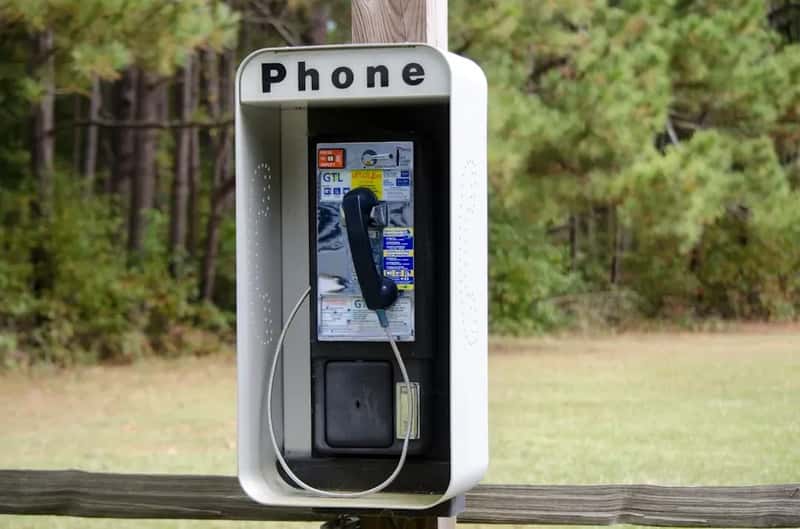
Before kids carried phones, parents taped a dime to the inside of a shoe or the lining of a lunchbox so their child could use a pay phone in an emergency. It was the original safety net – low-tech, practical, and just enough. The dime was a quiet signal that said: you’re old enough to handle this, but we’re still here.
That ritual is now physically impossible. Pay phones have nearly vanished from American streets, and most children carry smartphones before they reach middle school. It’s hard to explain to a kid today why a single coin once mattered so much – or why the whole system of childhood freedom it represented was quietly beautiful.
#20 – Hitchhiking as a Normal Way to Get Around

In the 1970s, hitchhiking was a common and widely accepted way for teenagers – and sometimes whole families – to move around. It carried a countercultural romance, a spirit of trust, and a practical logic. Thumbing a ride into town wasn’t reckless; it was resourceful. Parents thought little of it.
That changed sharply in the late ’70s and early ’80s as high-profile abduction cases and the rise of “stranger danger” messaging reshaped public perception. What was once a rite of passage became practically unthinkable. Today it reads as a plot device in a thriller, not a memory from a family summer.
#19 – Riding Bikes Everywhere Without Helmets
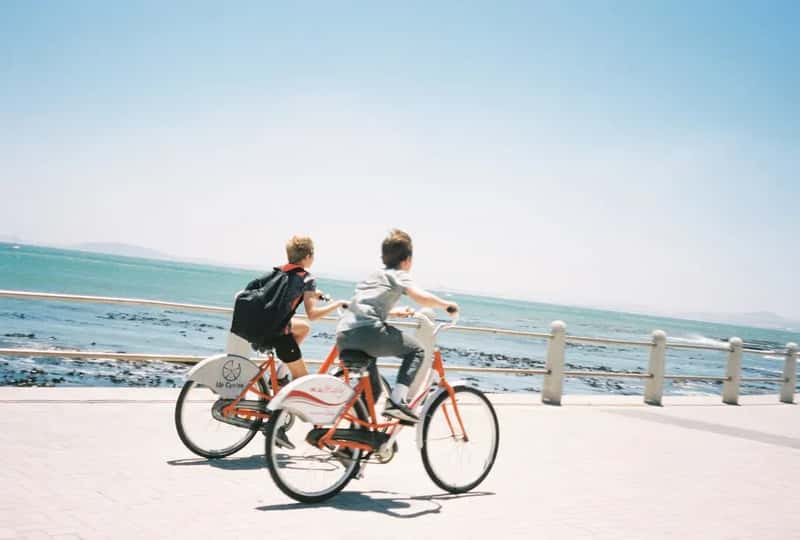
Bike helmets barely existed for the general public in the early 1970s. The first commercially successful purpose-designed bicycle helmet, the Bell Biker – a polystyrene-lined hard shell – wasn’t released until 1975. Before that, the concept of protective headgear for a child on a bike simply didn’t register as necessary, or even as something to consider.
Not only were kids riding around town helmetless, they were doing it completely unsupervised, often for hours at a stretch. Today the CDC actively promotes consistent helmet use as a meaningful reducer of serious head injury. The gap between those two realities – no helmets, no parents, no plan – and modern cycling safety culture is genuinely hard to bridge.
#18 – Gathering the Whole Family Around One TV at a Set Time

There were three channels. Shows aired once a week. If you missed it, you missed it – no rewinding, no streaming, no second chance until reruns. The whole family sat in the same room at the same hour because there was no other option, and somehow that constraint produced something: shared experience, shared reference points, shared evenings.
Programs like Happy Days and The Waltons drew the entire household to the same spot at the same time every week. The television wasn’t just entertainment – it was a scheduling force that structured the whole evening around one shared moment. Today, every family member streams a different show on a different screen in a different room. The one-TV living room is gone, and something invisible left with it.
At a Glance: One TV vs. Today
- 1970s: 3 broadcast channels, one shared screen, shows aired once a week with no replay.
- Today: The average U.S. household has more than 4 screens and access to thousands of on-demand titles.
- Then: Missing an episode meant waiting for summer reruns – sometimes months away.
- Now: Entire series drop at midnight; most are watched solo, in bed, on a phone.
- The loss: A built-in family appointment that required no scheduling and left everyone with the same reference point.
#17 – Reading the Newspaper Together at Breakfast

Dad sat at the breakfast table with coffee and the front section. The kids grabbed the comics. Mom checked the local news. The paper was a shared physical object that generated actual conversation before anyone had left for the day. What he read that morning became what the family talked about. The newspaper was the opening act for every morning.
Today, everyone reads a different curated feed on a different screen, alone, often before they’ve gotten out of bed. The breakfast table newspaper ritual isn’t just rare – it has essentially ceased to exist as a family practice. There is no modern equivalent of that one paper, one table, one conversation. Everyone is now thoroughly informed about completely different things.
#16 – Growing a Backyard Vegetable Garden as a Necessity

In the 1970s, the backyard garden wasn’t a hobby or a lifestyle aesthetic – it was part of how the family ate. Planting, weeding, and harvesting were chores assigned to kids the same way dishes and lawn-mowing were. The harvest dinners tasted extra good because the effort was visible in every bite.
When summer ended with a surplus, families canned fruits and vegetables together to stretch the harvest through winter. Home canning was a practical skill passed from parent to child, a form of food security that required the whole household to participate. Today it’s a niche craft on Instagram. The difference between doing it because you have to and doing it because it’s charming is the entire distance between then and now.
#15 – Making Handmade Mixtapes as Gifts
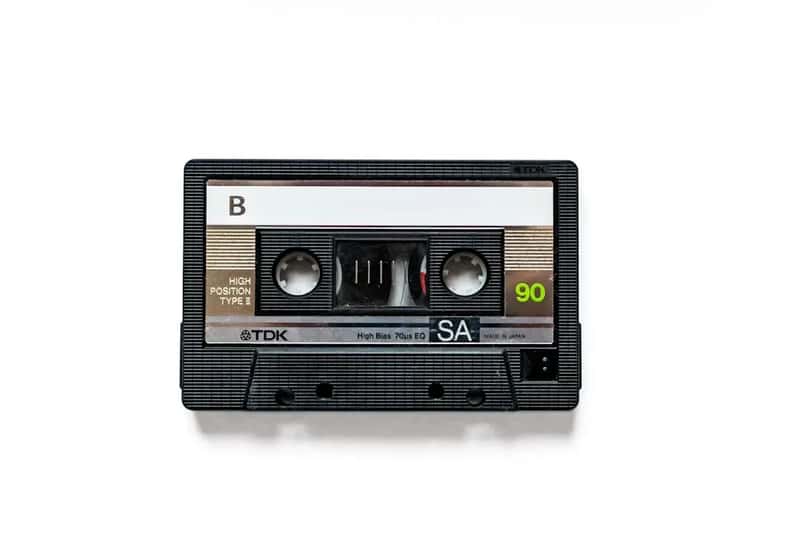
A mixtape was not a playlist. Making one meant sitting beside a stereo for an entire afternoon, cueing each track, waiting for the right moment, pressing record, and praying you didn’t clip the intro. One bad splice and you were starting the side over. The effort was real, the time was real, and the person who received it knew exactly how much of both went into it.
The cassette itself – labeled in ballpoint pen with a handwritten track list, sometimes decorated with colored markers – was an artifact of genuine attention. Spotify playlists have thousands of songs and cost nothing. A 1970s mixtape cost you your Saturday. That difference in effort is the whole reason receiving one meant something that a shared playlist simply cannot replicate.
#14 – Developing Photos at the Drugstore and Waiting a Week
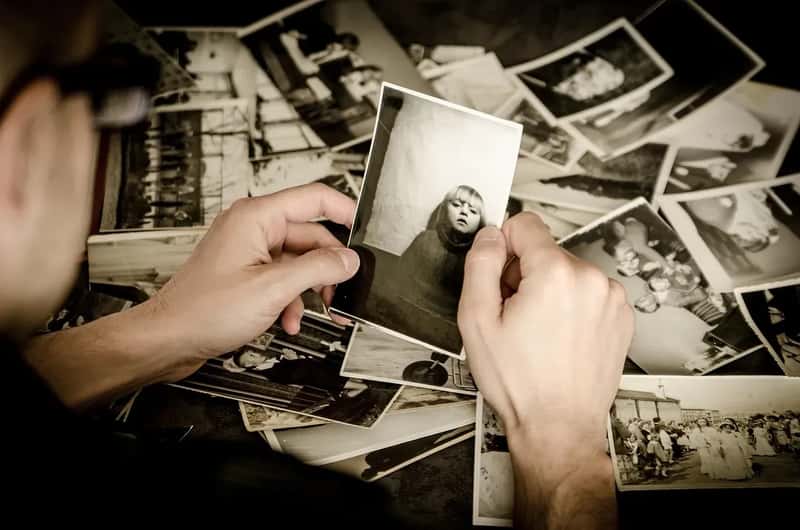
You’d drop off a roll of film at the drugstore and come back days later – sometimes a full week – to find out whether anyone had their eyes closed or whether the light had been wrong the whole time. Picking up that envelope of photos felt like Christmas morning. There was genuine suspense in seeing your own vacation. You didn’t know if the shot had worked until long after the moment was gone.
Families stuck those photos into thick albums with handwritten captions, pressed alongside ticket stubs and postcards. Each page was a narrative built by hand. Parents guided kids in arranging the pictures, teaching memory and storytelling at the same time. Those albums became heirlooms, passed down through generations. Today ten thousand photos live on a phone that most people will never print, sort, or revisit.
Worth Knowing
- A standard 35mm film roll held 24 or 36 exposures – every shot cost money and had to count.
- One-hour photo processing didn’t become widely available until the mid-1980s; a week’s wait was genuinely normal throughout the 1970s.
- The average smartphone user now takes more photos in a single month than a 1970s family took in an entire year.
- Physical photo albums from the 1970s routinely survive 50+ years; the average digital photo is never looked at again after the first 48 hours.
#13 – Watching the Evening News as a Family Ritual
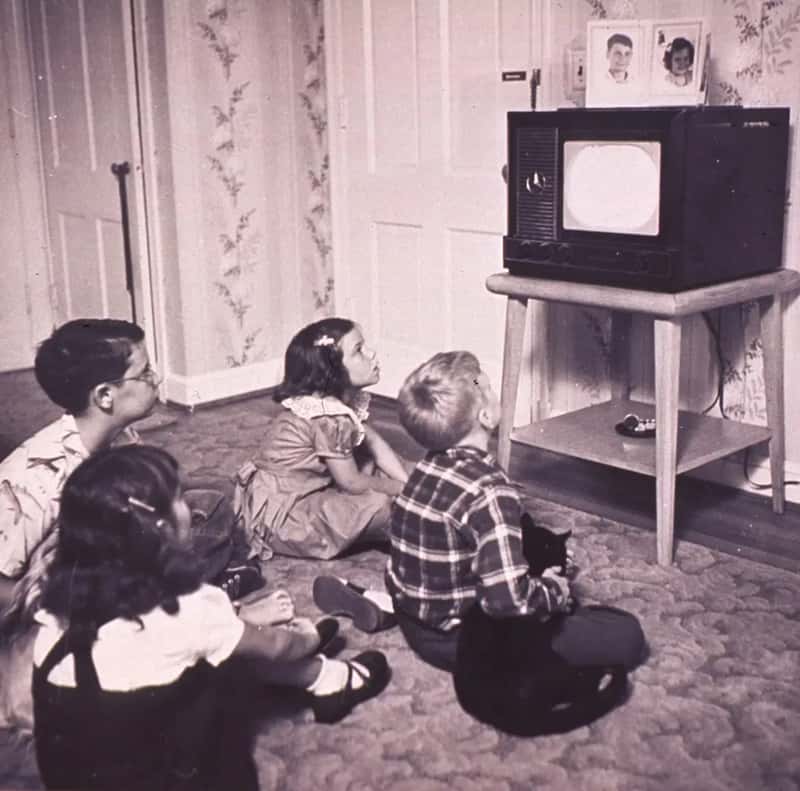
The 6 o’clock news was not optional background noise – it was an appointment. Walter Cronkite signing off with “And that’s the way it is” was the official close of the family’s information day. Three networks, one broadcast, the same facts for everyone. Families watched together, talked about it at dinner, and then it was over until tomorrow.
And that’s the way it is.
Walter Cronkite
There was no algorithm deciding what you were outraged about. No 24-hour cycle feeding the same story from seventeen angles. You got the news, you discussed it, and then it ended. Today’s fractured, personalized media landscape makes that shared national moment seem almost impossible to imagine. The family news hour wasn’t just a habit – it was a form of social glue that held a common reality together.
#12 – Fixing Everything in the Garage Instead of Replacing It

When something broke, it went to the garage, not the trash. A toaster, a lamp, a bicycle chain, a leaky faucet – none of these automatically meant a trip to the store. Kids held the flashlight while parents tinkered, learning patience and the satisfying logic of how things actually work. Fixing it was assumed. Replacing it was the backup plan, not the first instinct.
Dads taught kids to change oil, check tire pressure, and replace a spark plug because knowledge of your own car was considered basic literacy. Those lessons stuck for decades. Today’s sealed-hood vehicles and deliberately unrepairable appliances have made the garage-as-workshop culture nearly extinct. The right-to-repair movement exists precisely because the 1970s assumption – that you own a thing and can therefore fix it – quietly vanished.
#11 – Sitting Down to a Nightly Family Dinner – Every Single Night
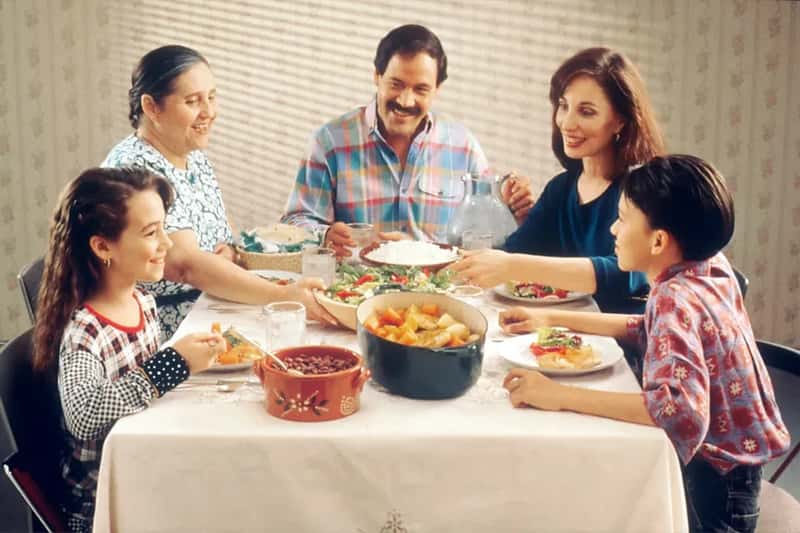
There was no grabbing a plate and disappearing to your room in the 1970s. The whole family sat at the table every evening for an hour and actually talked. This wasn’t a special occasion or a scheduled family event – it was simply the structure of every single day. Missing it required a real, stated reason. Showing up was the default.
The dinner table was where the family debriefed, argued, laughed, and caught up on what mattered. Research consistently links regular family dinners to better outcomes for kids across nearly every measurable category. Yet today it’s entirely common for families to make a meal and eat separately, in front of different screens, in different rooms. The 1970s family had one screen in the living room – and it went off when dinner was served.
#10 – Getting Milk Delivered in Glass Bottles to the Front Porch

Glass bottles appeared on the front porch before sunrise. The milkman was a fixture – familiar, reliable, quietly social. You left the empties out the night before and the full ones appeared by dawn. The rhythm of it was part of what made mornings feel settled and the neighborhood feel like a real community rather than a collection of strangers behind closed doors.
Home milk delivery peaked in mid-20th century America, with nearly 30 percent of consumers having it delivered in 1963. By 1975, that figure had collapsed to just 6.9 percent of total milk sales. By 2005, it was down to 0.4 percent. Today’s equivalent – a grocery delivery app – is faster, cheaper, and has none of the same texture. The bottles are gone. So is the man who brought them.
#9 – Taking Road Trips With Paper Maps and Absolutely No Plan
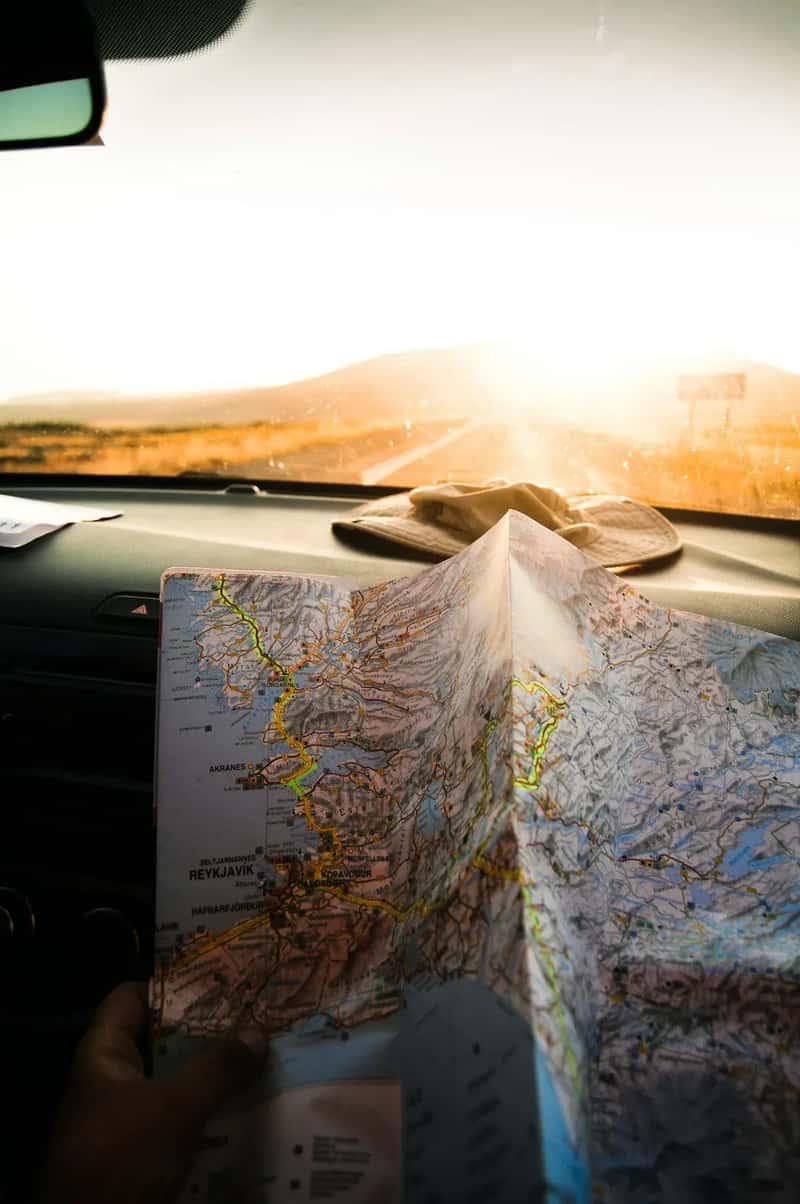
The map was spread across the dashboard. The destination was approximate. Getting lost wasn’t a failure – it was practically guaranteed, and it was secretly the point. Families stopped to ask strangers for directions, discovered diners that weren’t in any guide, and stumbled into small towns they’d never heard of. Stopping for ice cream on a road with no name was the whole vacation.
Today, GPS announces every turn before you need to think about it. The spontaneous wrong turn that led to the diner that became the best memory of the trip is now nearly impossible – the phone reroutes you before you’ve even committed to the mistake. The road trip still exists. The wandering doesn’t. And the wandering was most of the point.
#8 – Writing Letters to Relatives and Pen Pals by Hand

A letter took real effort. You had to think about what you wanted to say, write it out in legible handwriting, fold it correctly, find a stamp, and walk it to the mailbox. Then you waited – sometimes two weeks – for a reply. The anticipation was genuine. Kids learned patience and storytelling through the back-and-forth of snail mail in a way that had no shortcut.
Family correspondence had weight – literally and figuratively. Postcards, pressed flowers, and ticket stubs weren’t thrown away; they were tucked into envelopes and glued into scrapbooks with handwritten captions. The physical record of a relationship was something you could hold and hand down. Today, a decade of family communication can vanish with a deleted app. There is no scrapbook made of text messages.
#7 – Sunday Night Long-Distance Phone Calls as a Weekly Ritual
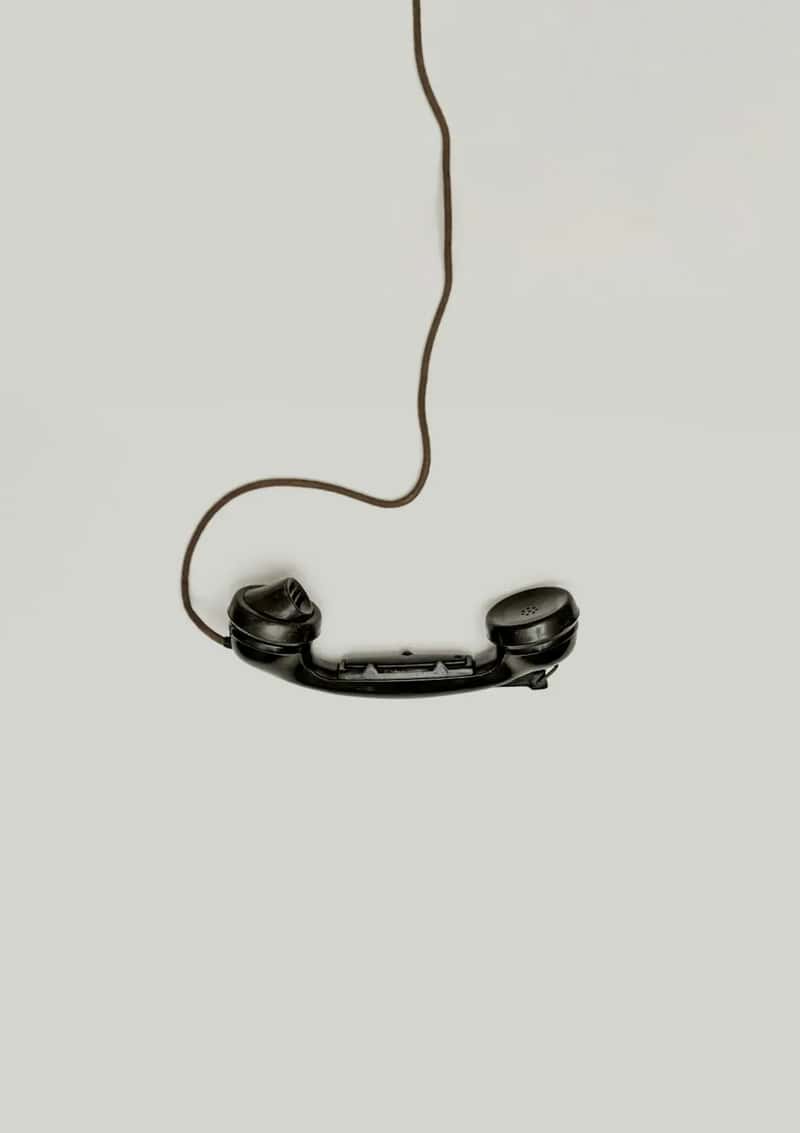
Long-distance calls weren’t cheap in the 1970s, so families rationed them carefully. Sunday evening was the agreed-upon window – off-peak rates made it slightly more affordable, and everyone understood the convention without needing to discuss it. The call was short, purposeful, and loaded with genuine news because you’d been saving it all week.
Because every minute cost money, you arrived at the phone ready. You had news, questions, and a limited amount of time to deliver both. That discipline made the conversations richer than they had any right to be. Today communication is free and infinite – and somehow, many families talk less meaningfully. The Sunday night call was a forced appointment with the people who mattered. Nobody needed to schedule it. Everybody just knew.
Quick Compare: Then vs. Now
- 1970s long-distance rate: Often $0.25–$0.50 per minute evenings and weekends — a 20-minute call cost the equivalent of several hours of minimum wage work.
- Today: Unlimited domestic calls are bundled into nearly every phone plan at no extra cost.
- Result then: Short, focused, news-packed calls everyone looked forward to all week.
- Result now: Infinite access to everyone, and somehow actual conversations feel rarer than ever.
#6 – Handing Kids Real Tools and Expecting Real Results
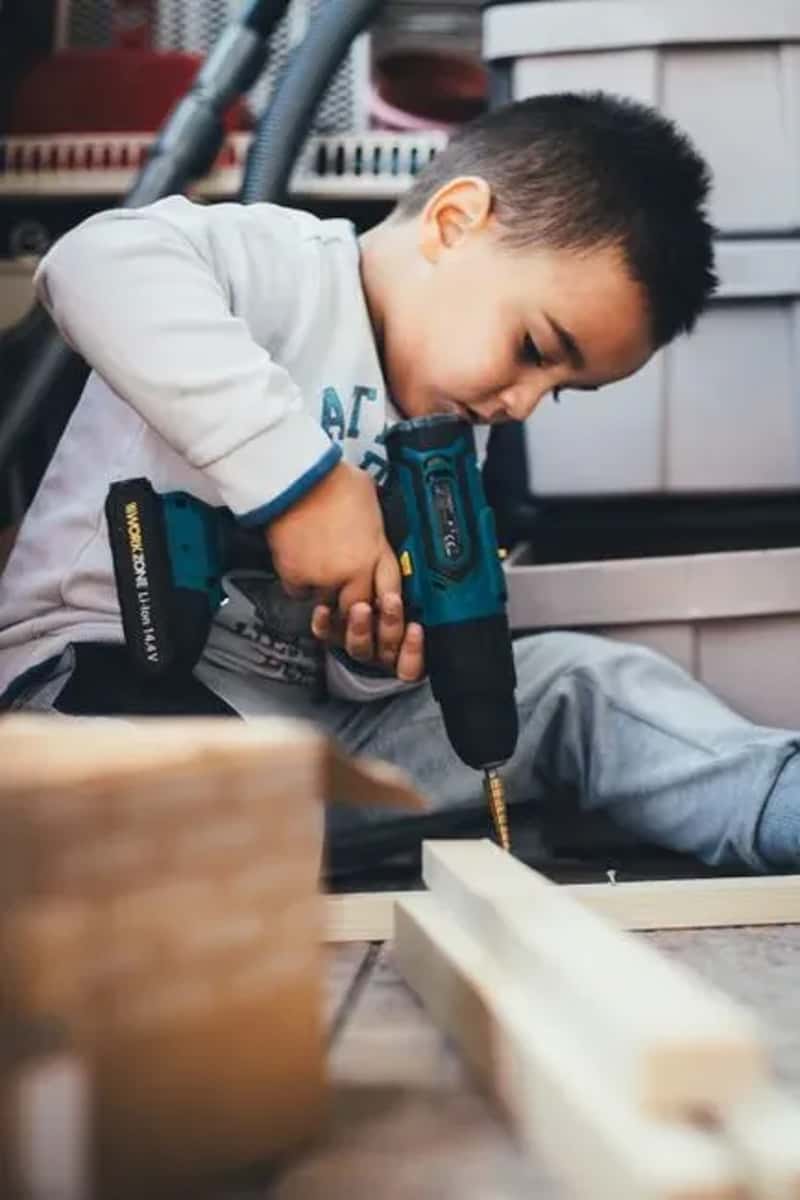
A ten-year-old who could wire a lamp, patch a window screen, or replace a doorknob was considered capable, not reckless. It was common for kids to help with household repairs using actual hammers, saws, and drills with minimal supervision. Hands-on contribution to the household wasn’t optional – it was how you earned your place in it.
Kids in the 1970s didn’t have a parent hovering over their shoulder, cushioning every difficulty or removing discomfort from the equation. That absence of intervention produced something measurable: Gen Xers consistently rank among the most self-reliant generations in modern workforce research. The culture of early, real responsibility left fingerprints on the adults it created – and those fingerprints are still visible.
#5 – Playing Board Games as the Family’s Primary Evening Entertainment
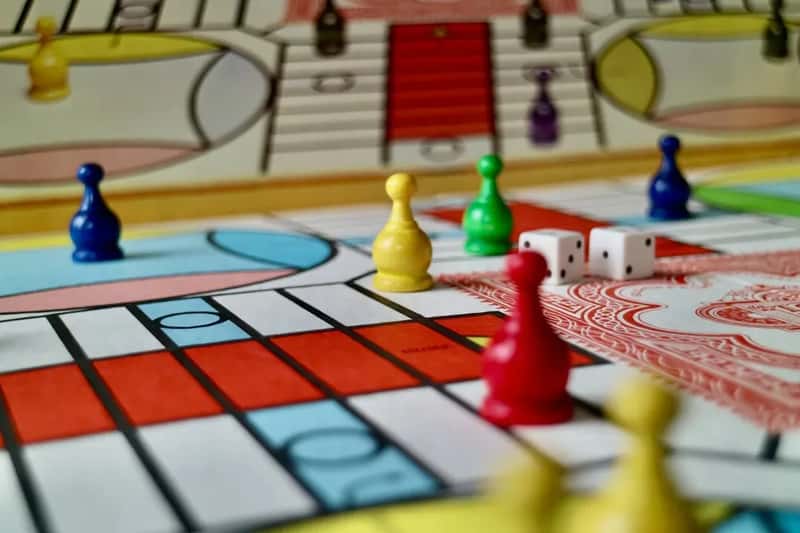
Monopoly wasn’t a nostalgic novelty in the 1970s – it was the main event. After dinner, the game box came out like clockwork. Families settled around the table for Scrabble, Clue, or Risk, and stayed there for hours. The laughter, the arguments over the rules, the negotiations, the dramatic bankruptcies – these were the texture of family evenings, not special occasions.
The 1970s were widely described as a golden age of board games – bright plastic parts, clever mechanics, and box art that made you want to play one more round. Families had access to fewer than three television channels and no video games, no streaming, and no social media. Board games filled the space that now belongs to a dozen different screens. The drawn-out Monopoly sessions that ran past midnight weren’t planned family bonding time. They were just Tuesday. The fact that we now schedule “board game nights” as intentional events says everything.
#4 – Hanging Laundry on a Clothesline Together
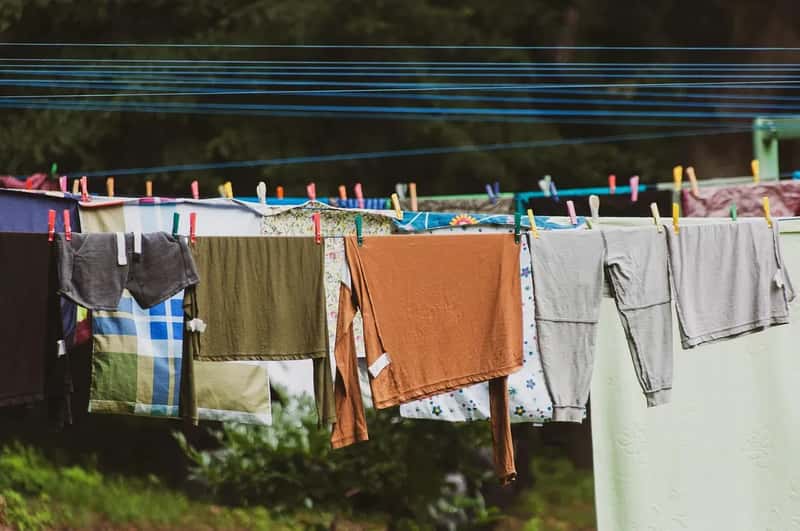
On warm days, families skipped the dryer entirely and used the sun. Hanging sheets was a two-person job – one on each corner, stepping toward each other in a practiced fold, careful to keep the fabric off the grass. It was one of those small domestic rituals that required actual cooperation and produced something tangible: clean laundry and ten minutes of conversation you wouldn’t have had otherwise.
The clothesline was also a neighborhood institution. You could read a family’s week by what was on the line. Today, many HOA rules across the U.S. explicitly prohibit outdoor clotheslines, which means a chore that was universal in the 1970s is now literally illegal in some communities. The line between nostalgia and regulation has never been more concrete.
#3 – Using a Single Wall Calendar to Organise the Entire Family’s Life
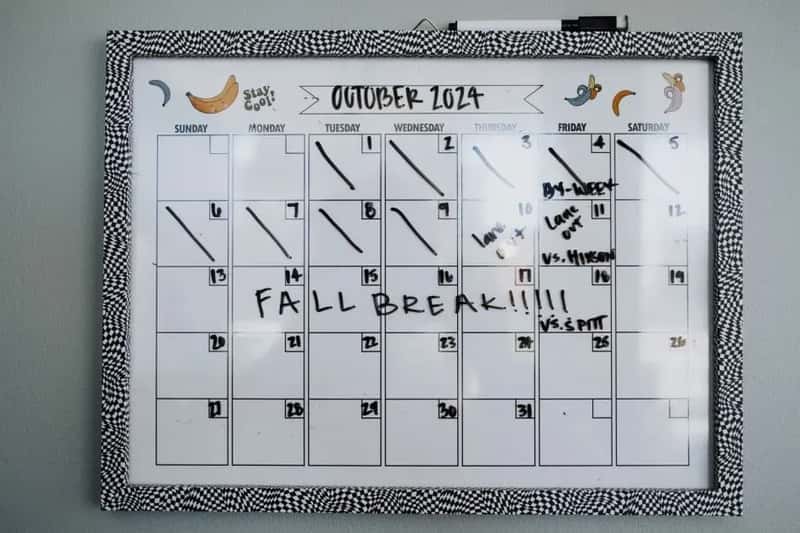
The command center of the 1970s household was a wall calendar and a pen tied to a piece of string. Every birthday, dentist appointment, school event, and who-had-the-car-on-Thursday was written in one visible place that everyone could see. On Sunday, ten minutes in front of that calendar and the whole family knew the shape of the week. Visible. Shared. Honest.
Today, each family member has a separate digital calendar – often with no visibility into each other’s schedules. Conflicts aren’t caught until the morning of. The shared wall calendar was, it turns out, a masterpiece of low-tech family infrastructure. A plan written in pen on paper in a shared space felt more real, more accountable, and more communal than anything hidden inside a phone app has ever managed to replicate.
#2 – Kids Resolving Their Own Fights Without Any Adult Stepping In

Whether it was a physical scuffle on the playground or a neighborhood argument that lasted three days, kids in the 1970s worked through conflict without a parent mediating, moderating, or documenting it. Conflict was treated as a normal, navigable part of childhood. You figured out hierarchies, grievances, and reconciliations the old-fashioned way – by actually living through them.
Pew Research Center found that 66 percent of U.S. parents say raising kids is harder today than it was two decades ago. Yet researchers and developmental psychologists increasingly point to the removal of productive discomfort – including unmediated conflict – as a key factor in rising anxiety among young people. The very thing that made 1970s childhood look rough is now widely recognized as what built adult resilience. The uncomfortable irony hasn’t been lost on anyone paying attention.
#1 – Spending the Entire Summer Outside From Morning Until the Streetlights Came On

Summer in the 1970s meant leaving the house after breakfast and not coming home until dark or until you heard that specific parent whistle cutting through the neighborhood air. No scheduled activities, no check-in calls, no tracking apps. Kids built forts that fell apart, invented games with no rules, got lost, found their way back, and did it all again the next day. This was not a parenting philosophy. It was just summer.
Environmental psychologist Roger Hart documented a significant reduction in children’s independent range of movement – even in communities with the same demographics and crime rates as in the 1970s. Statistically, a child is no more likely to be abducted by a stranger today than fifty years ago. Yet fear has completely reshaped childhood. The summer of roaming, of building things that fell apart, of coming home muddy and exhausted with nothing to show for the day except the day itself – that wasn’t just childhood. That was the whole point. And it’s the thing that looks most unrecognisable of all.
So many of these things weren’t about recklessness or carelessness. They were about a different philosophy of what family life was supposed to feel like – slower, more shared, more willing to let things be imperfect and unscheduled. Some of what changed represents real progress. Some of it is a quieter, harder-to-name loss. Which one hit you the hardest?