Most guests assume a little drip, a flickering light, or a faint musty smell isn’t worth the hassle of a text message. Maintenance teams say that assumption is exactly what turns a $40 fix into a $4,000 disaster. Talk to anyone who handles property turnovers for a living and they’ll tell you the same thing: most of these problems were already sitting there at the last checkout, quietly getting worse while nobody said a word.
Here’s the part most travelers never think about: the delay itself, not the damage, is usually what costs the most. Maintenance crews across hotels, cabins, and short-term rentals have a running list of the small things guests brush off – and a few of them are far more serious than they look. Here’s what the people who fix these properties for a living actually wish someone had mentioned on day one.
#27 – The Toilet That “Runs” for a Few Seconds After Flushing
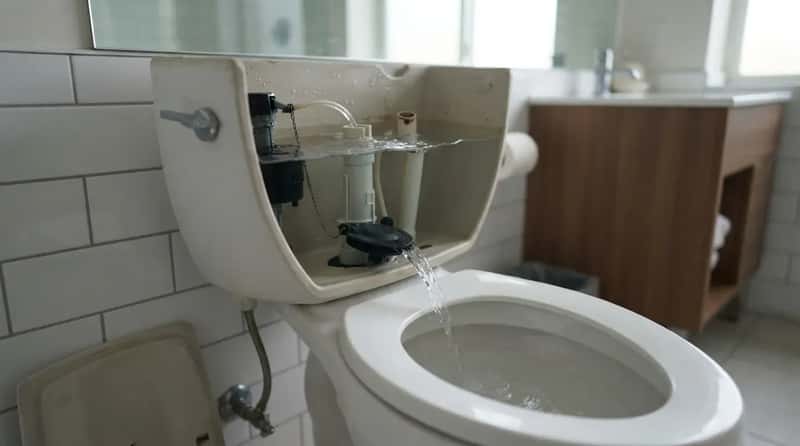
A toilet that keeps trickling after the tank refills isn’t just annoying – it’s actively wasting money every hour it goes unreported. The EPA notes a running toilet can waste around 200 gallons a day, and most guests never mention the sound because it seems too small to matter.
Maintenance teams say this is one of the easiest fixes on the entire list, often solved with a $10 flapper. Left alone for a whole stay, it can quietly rack up hundreds in wasted water before anyone ever notices the bill.
#26 – A Faint Musty Smell in the Closet or Under the Sink
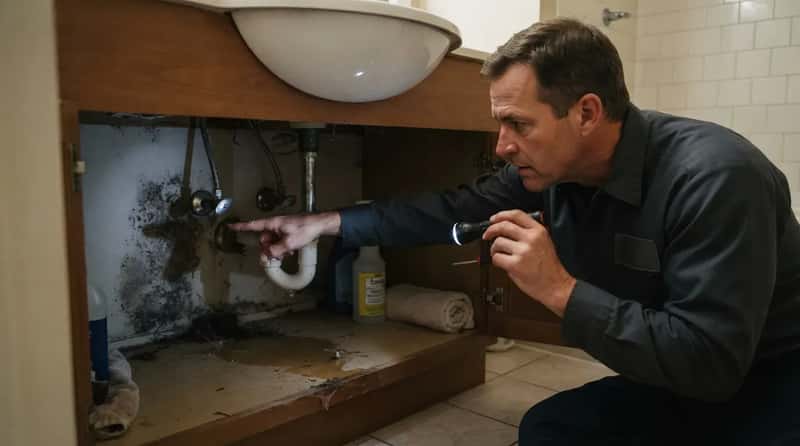
Guests often chalk this up to “old cabin smell,” but crews say it’s usually the first sign of hidden moisture. Trapped moisture doesn’t just sit there quietly – it feeds mold and mildew behind the drywall long before anything shows on the surface.
By the time the smell is strong enough to complain about at checkout, mold has often already spread where nobody can see it. A same-day mention can save a full remediation job down the line.
#25 – The Dishwasher That Takes “Forever” to Drain
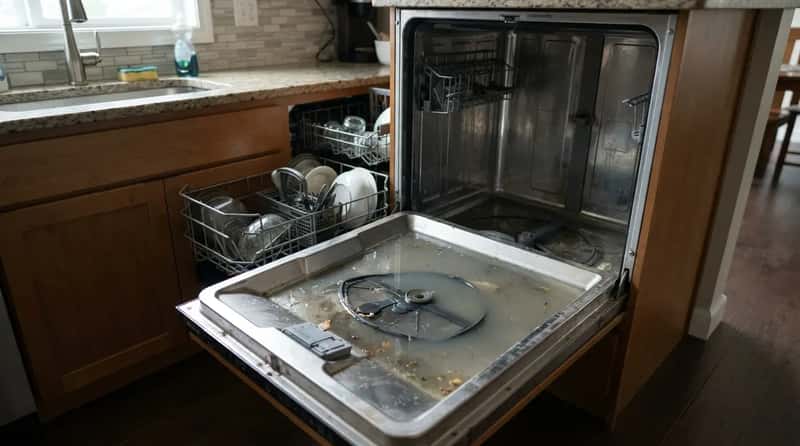
A dishwasher that leaves standing water is one of the most common appliance complaints in short-term rentals. Malfunctions involving the dishwasher, washing machine, and coffee maker are among the top reasons guests leave frustrated reviews.
Most guests wait until checkout to mention it, assuming it’s just “how the machine is.” Teams say a same-day heads-up usually means a simple filter clean instead of a full service call.
#24 – A Ceiling Fan That Wobbles Just a Little
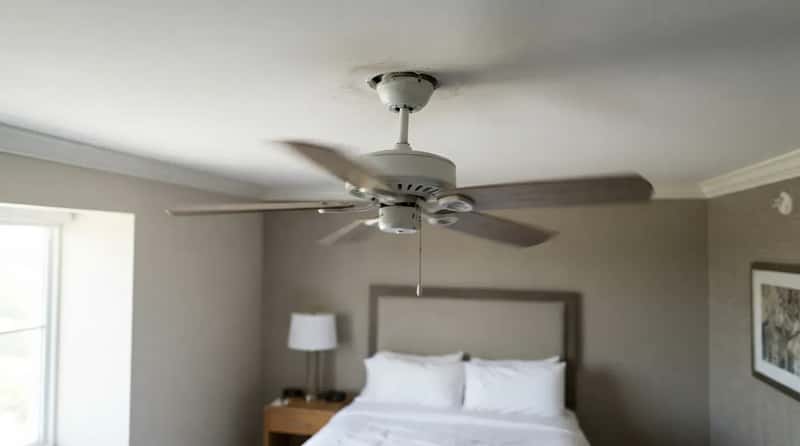
A wobbly fan feels like a minor annoyance, not a maintenance issue – until it’s spinning loose from the mount entirely. Crews say guests almost never report this because it doesn’t “break” anything in the moment.
Left unreported, the wobble worsens with every rotation, and the fix goes from tightening a screw to replacing an entire fixture. It’s one of the cheapest problems to catch early and one of the most expensive to catch late.
#23 – The Warm Spot on an Electrical Outlet or Switch Plate
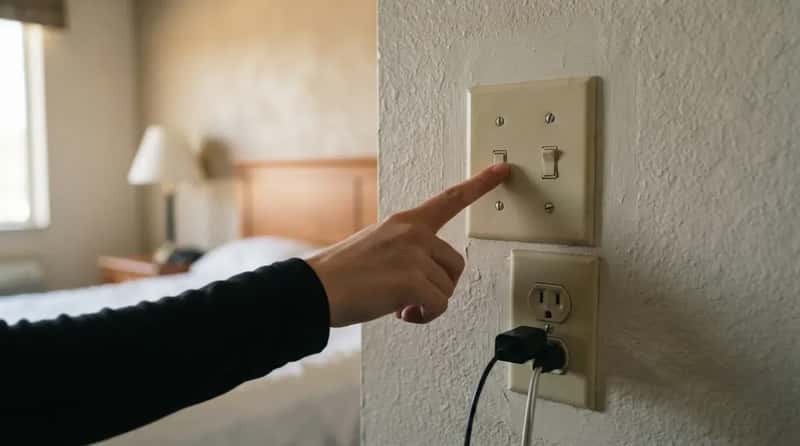
Most guests don’t think to touch a switch plate, but the ones who do sometimes notice it’s warm – and rarely say anything. Maintenance teams consider this one of the more serious silent warnings on the entire list, since it can point to a wiring issue behind the wall.
It’s easy to dismiss as “just an old house,” but it’s exactly the kind of detail crews want flagged the moment it’s noticed, not at checkout.
#22 – A Sliding Glass Door That’s Suddenly Hard to Open
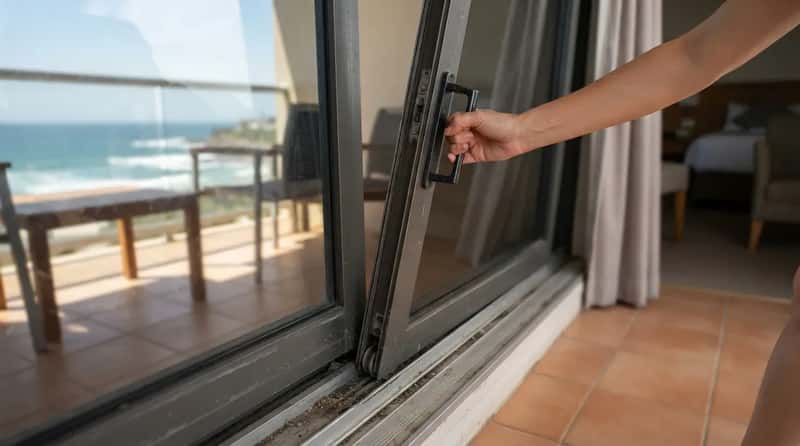
Guests tend to just muscle through a stiff sliding door rather than report it, assuming it’s simply old or heavy. In reality, a door that used to glide easily and suddenly doesn’t is often a sign the track or rollers have shifted.
Left unreported, the track can wear unevenly until the door jumps its rail entirely – turning a $30 roller swap into a full door replacement.
#21 – The Refrigerator That’s “Not as Cold as It Should Be”
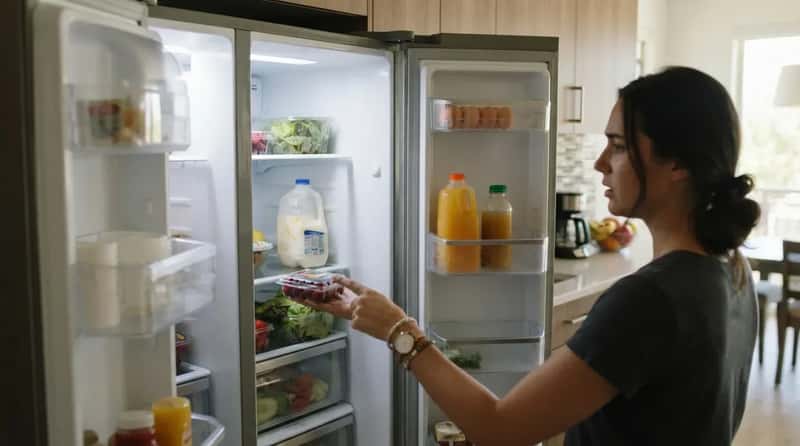
Kitchens are a huge selling point for vacation rentals, and fridge issues are one of the most common complaints crews see. Refrigerators are consistently the biggest appliance headache in short-term rentals.
Guests usually don’t notice until food starts spoiling, then mention it as an afterthought. A quick report on day one can mean a simple thermostat adjustment instead of a ruined grocery trip and a spoiled-food refund request.
Quick Compare
- Caught same-day: A quick thermostat tweak or coil cleaning, no lost groceries.
- Caught after a few days: A repair visit, plus a spoiled-food reimbursement request.
- Caught at checkout: A full compressor diagnosis, lost booking days, and a refund dispute.
#20 – A Faucet That Drips Even When Fully Off
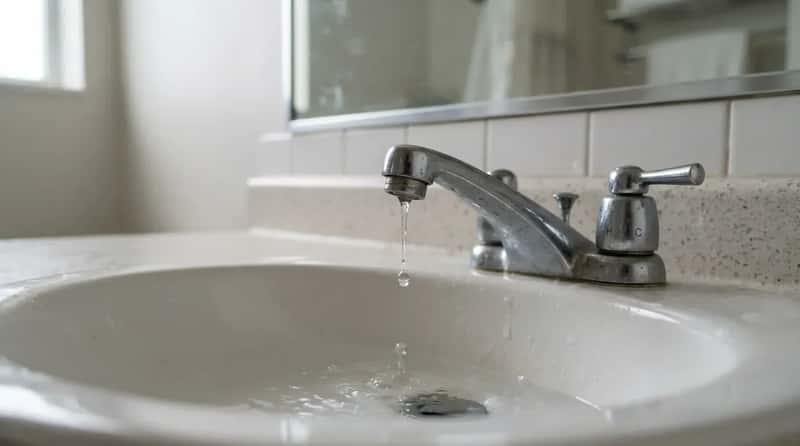
A slow drip feels too minor to text a host about, so most guests just live with it for their entire stay. Maintenance teams say that’s exactly the problem – dripping faucets, running toilets, and pinhole supply-line leaks stay invisible right up until water damage shows up somewhere else.
By the time a stain shows up under the cabinet, the drip has usually been going for weeks, not days.
#19 – The AC or Heat That Never Quite Hits the Set Temperature
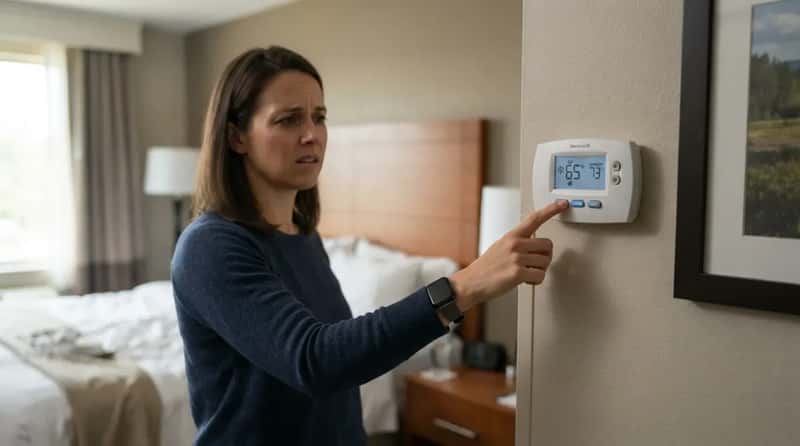
Guests often assume the thermostat is just “off” by a degree or two and don’t think it’s worth reporting. But an HVAC system that consistently runs and never reaches the target temperature is a textbook early sign of a failing unit, and it’s one of the top causes of negative reviews in the industry.
Caught early, it’s often just a filter swap or a refrigerant top-off. Caught late, during the hottest week of summer, it’s a full system failure with a wait list for repair.
#18 – A Window That Sweats or Feels Drafty
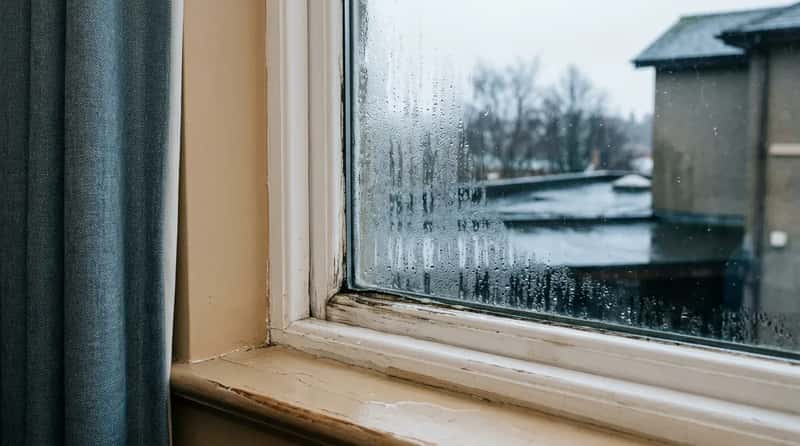
Condensation on a window in winter feels like a non-issue, but it’s often the first visible sign of a failing seal. In storm-prone regions, this gets taken seriously fast – a good window seal is often the only thing standing between bad weather and water finding its way inside the walls.
A guest who mentions it right away helps a property owner catch a $200 reseal before it becomes a $2,000 window replacement.
#17 – The Garbage Disposal That Grinds Instead of Hums
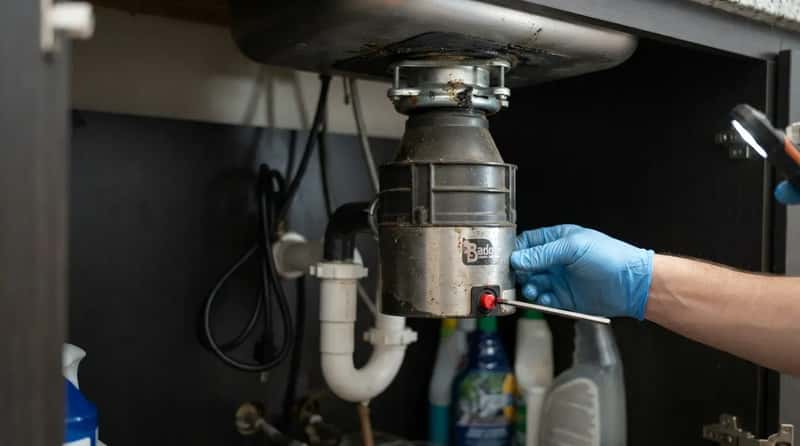
A disposal that grinds, rattles, or strains is one of the most overlooked “small” noises in a rental. High guest turnover speeds up the wear an appliance like this would normally take years to show, so a disposal that could last a decade in a regular home can burn out in a rental within months.
Guests almost never report the sound itself – only the eventual jam. By then, it’s usually a full motor replacement instead of a simple reset.
#16 – A Sticky Door Lock or Deadbolt
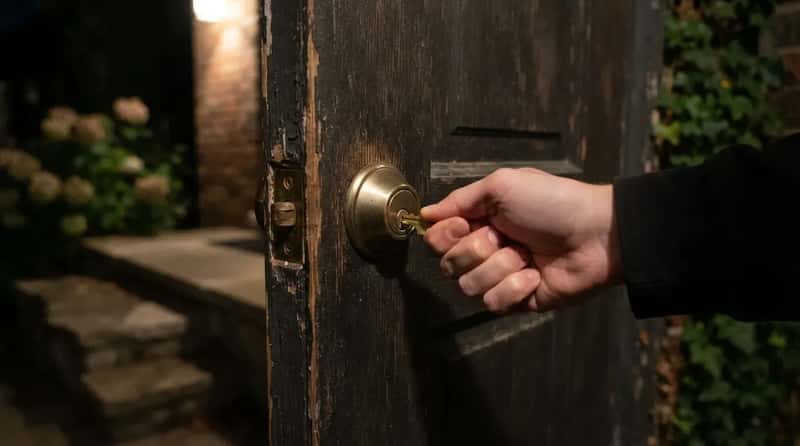
A lock that takes a little extra jiggle feels like a quirky character trait of an older home, not a maintenance flag. Crews disagree – a sticky deadbolt is often the earliest sign of a misaligned strike plate or a dying lock mechanism.
Left unreported, it eventually fails completely, sometimes locking guests out entirely in the middle of the night. It’s a five-minute fix that turns into an emergency locksmith call.
#15 – The Balcony or Deck Railing That Wiggles
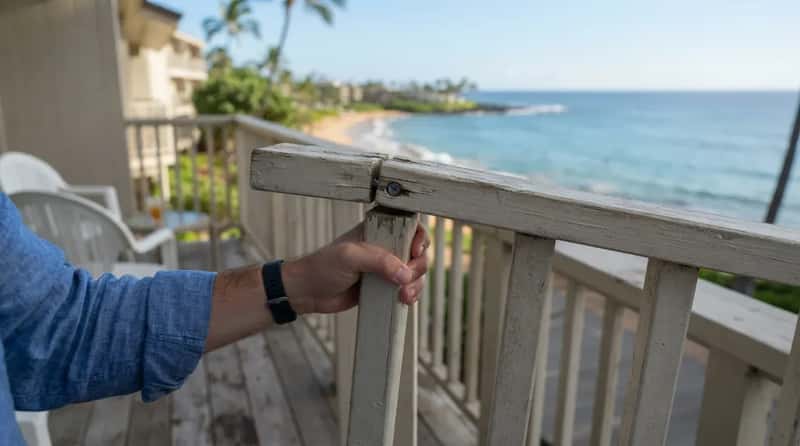
Guests notice a loose railing almost immediately, lean on it anyway, and rarely say a word. Maintenance teams call this one of the most nerve-wracking items on the entire list, since a wobble today can mean a structural failure down the line.
It’s also one of the fastest fixes available – often just a few missing or stripped screws. But it only gets fixed fast if someone actually says something.
#14 – A Slow Drain in the Shower or Tub
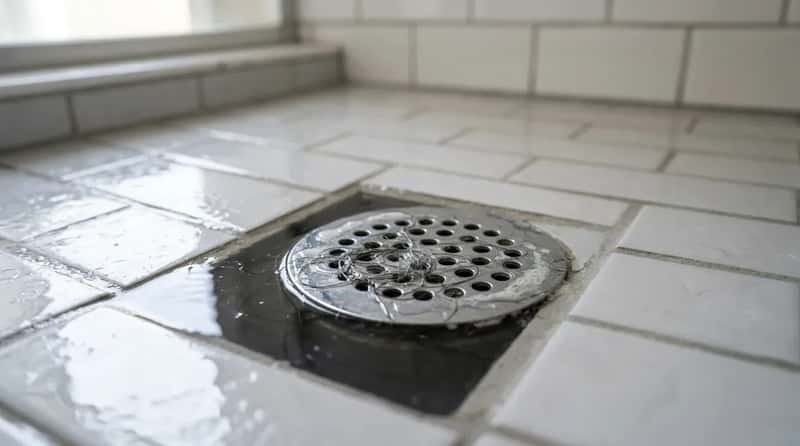
A shower that takes an extra thirty seconds to drain feels like a “later” problem, not a “report now” problem. Slow drains rank among the most frequently cited plumbing failures in negative short-term rental reviews, right alongside running toilets and low water pressure.
What starts as hair and soap buildup often turns into a fully clogged pipe by the next guest’s stay if nobody flags it.
#13 – The Pool or Hot Tub With a Faint Chemical Smell

A strong chemical smell gets reported instantly. A faint one almost never does, even though it’s often the more useful warning sign of an imbalance. Guests tend to assume it’s “just how pools smell,” when in reality a shift in odor usually means the chemical balance has already drifted.
Left alone, a minor imbalance becomes a full drain-and-refill job, and sometimes a multi-day pool closure for the next guests.
#12 – A Washing Machine Hose That Looks Swollen or Cracked
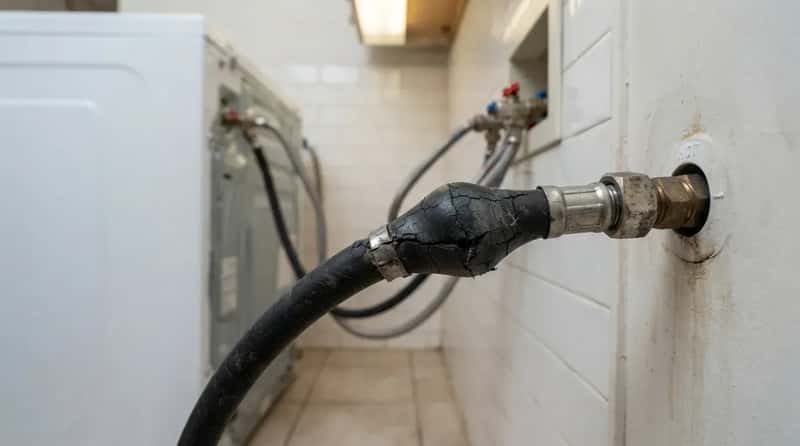
Almost no guest inspects a washing machine hose, and almost no one would report it even if they did – but this is one of maintenance teams’ biggest fears. Failed supply hoses are one of the most common causes of home water damage, and one of the cheapest to prevent, since swapping a worn hose costs less than $50.
A hose that looks worn is a warning most guests will never think to mention – but it’s the difference between a cheap swap and a flooded floor.
#11 – The Water Heater Making a Popping or Rumbling Sound
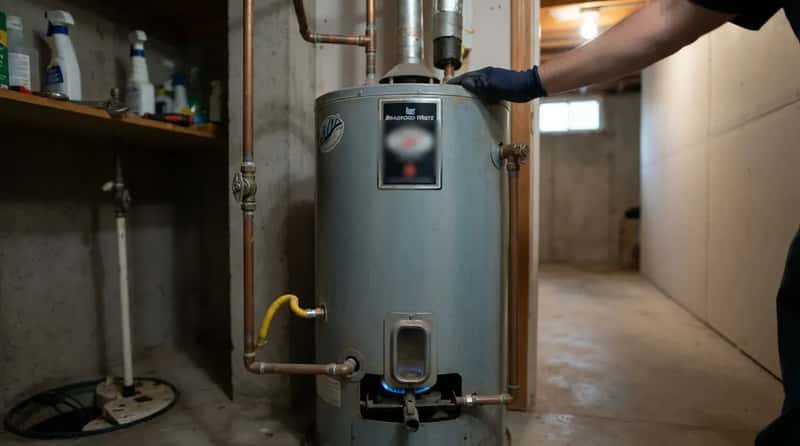
A water heater that pops or rumbles during use sounds strange, but most guests just assume old plumbing is “just noisy.” In reality, that sound often means sediment buildup that’s straining the unit.
Ignored long enough, it accelerates toward tank failure – and a failed water heater rarely fails quietly or cleanly.
#10 – A Single Ant or Roach Sighting
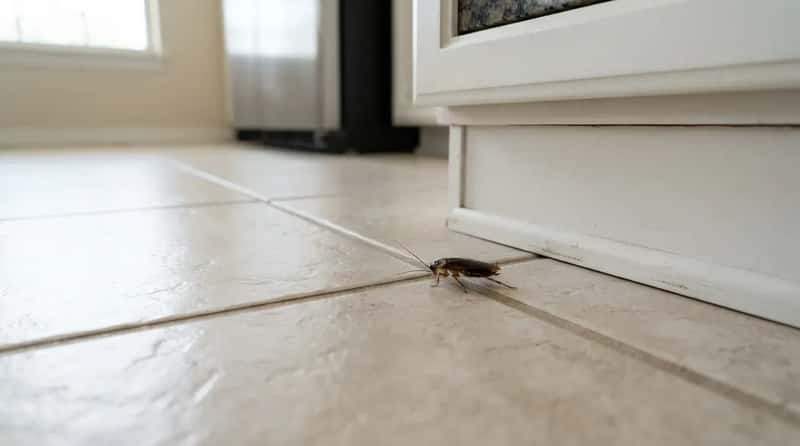
One bug feels too small to text about, so most guests wait until they’ve seen several before saying anything. Maintenance teams say that’s backwards – even spotless, well-kept homes get the occasional pest, and for a guest unfamiliar with the area, one bug turning into a dozen can wreck an entire trip, not just an evening.
A single early sighting is a five-minute treatment. A colony discovered at checkout is a multi-day pest control visit and a canceled booking.
Worth Knowing
- Ants travel along scent trails, so one visible ant usually means several more are already using the same path.
- A roach spotted in daylight often signals a much larger population active at night.
- A same-day report is usually a quick spot treatment; a report weeks later often means a full property treatment.
#9 – The Breaker That Trips “Just Once”
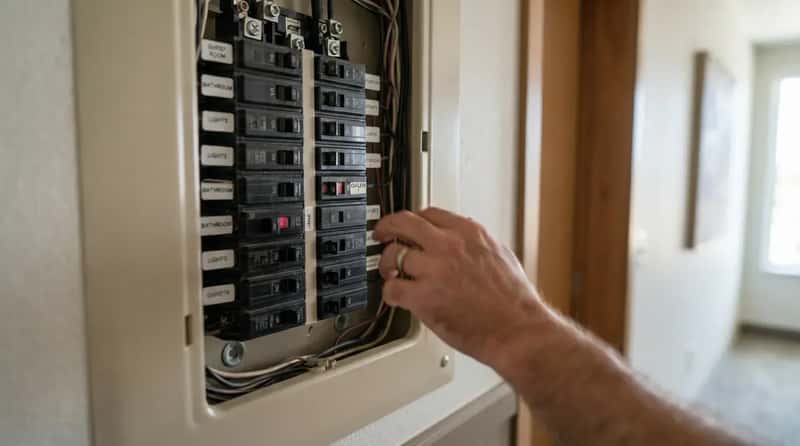
A breaker that trips once and resets fine feels like a fluke, not a maintenance issue. Guests almost never mention a one-time trip, assuming it was just an overloaded outlet from a hair dryer or space heater.
Crews say a breaker that trips even once is worth flagging immediately, since a recurring trip is often the first visible sign of a wiring problem that only gets more dangerous with each cycle.
#8 – A Chirping Smoke Detector Mounted Out of Reach
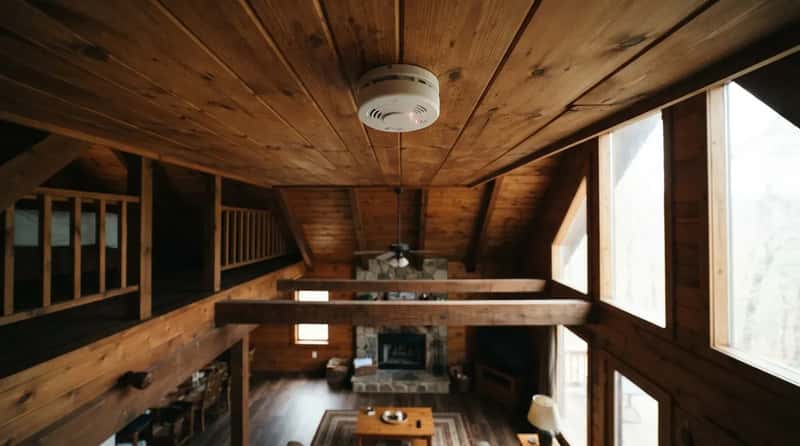
This one is deceptively common in older homes and cabins with high or vaulted ceilings. A dead battery isn’t a big deal unless the detector is mounted 12 to 15 feet high with no ladder available – the guest can’t fix it, can’t sleep, and now there’s a preventable complaint.
Guests often just pull the battery entirely rather than report the noise, leaving the property with a disabled smoke detector for the rest of the stay and beyond.
#7 – The Roof or Gutter Drip During a Storm
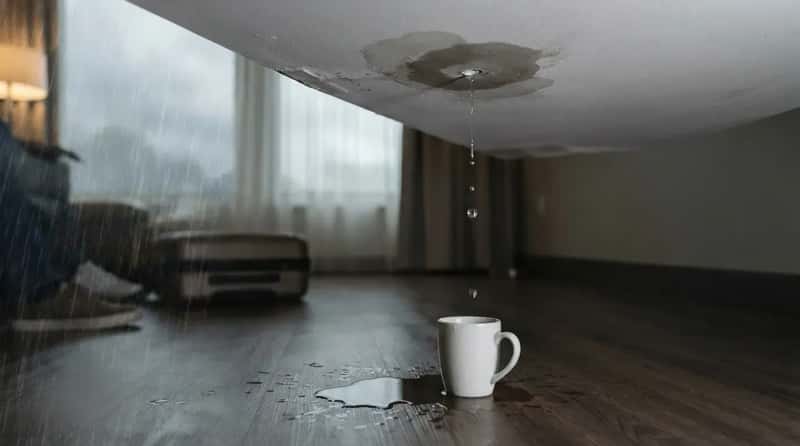
A single drip during a storm feels minor compared to the storm itself, so guests rarely mention it until the ceiling stain shows up days later. Properties in storm-heavy regions know this pattern well, which is why restoration experts push regular gutter cleaning and roof checks so hard.
A drip reported the night it starts is a tarp and a phone call. A drip reported a week later is a ceiling replacement.
#6 – A Water Stain on the Ceiling the Size of a Coin
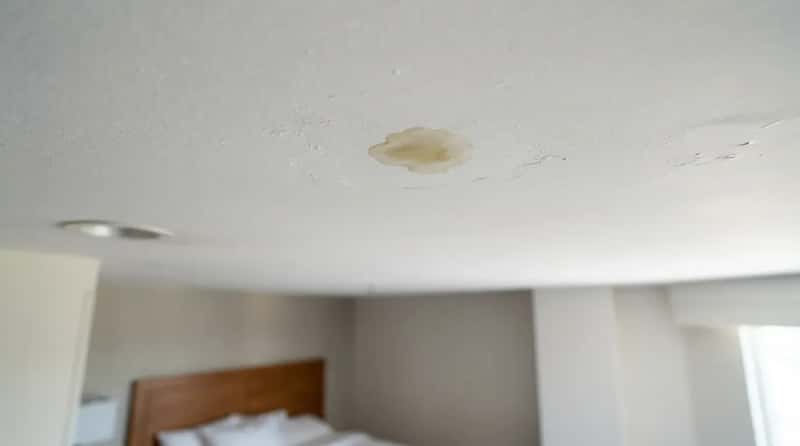
Guests often assume a small stain is old and unrelated to anything happening now – a leftover from a past problem, not a current one. Restoration experts disagree strongly: small water-damage warning signs should be addressed promptly, before they grow into far more expensive problems.
A coin-sized stain reported immediately is often just cosmetic. Left for a full stay, it frequently means an active leak has already been running for days.
#5 – The Carbon Monoxide Detector That Beeps Once and Stops
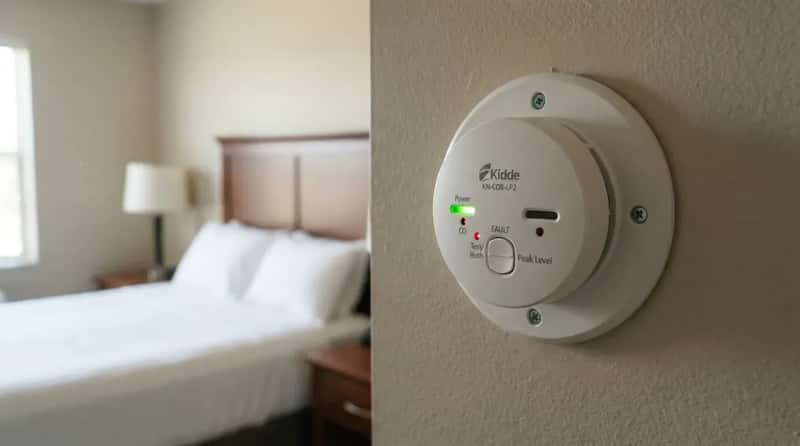
A single chirp from a CO detector is one of the most dangerous things on this entire list to ignore, and also one of the most commonly ignored. Guests often assume it was a glitch, especially if it doesn’t repeat right away.
Maintenance teams treat any CO alert, even a single beep, as urgent. Waiting to see if it happens again is a decision with real safety consequences, not just financial ones.
Fast Facts
- 400+ deaths a year: More than 400 Americans die annually from unintentional, non-fire carbon monoxide poisoning.
- 100,000+ ER visits: Accidental CO exposure sends over 100,000 people to the emergency room every year.
- 14,000+ hospitalizations: Thousands more require inpatient care after CO exposure.
- Symptoms often mimic the flu, which is exactly why a single beep is so easy to brush off.
Every water leak, if left long enough, is also a fire, mold, and structural risk waiting to happen.
National Fire Protection Association guidance on home hazard prevention
#4 – A Sudden Drop in Water Pressure
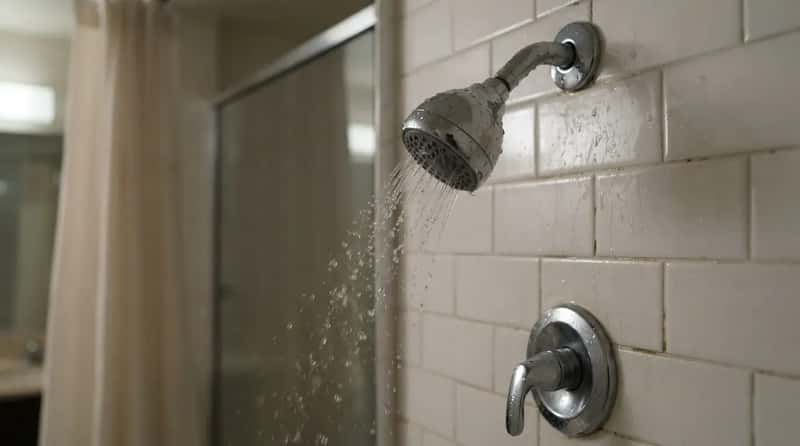
Guests notice weak water pressure almost immediately in the shower, but usually assume it’s just an old house quirk rather than something worth reporting. Low water pressure ranks among the most frequently cited plumbing failures in negative rental reviews for a reason – it’s often a symptom, not a standalone issue.
A sudden pressure drop can signal a hidden leak elsewhere in the system, quietly diverting water before it ever reaches the tap a guest is standing under.
#3 – The Faint “Rotten Egg” or Gas-Like Smell
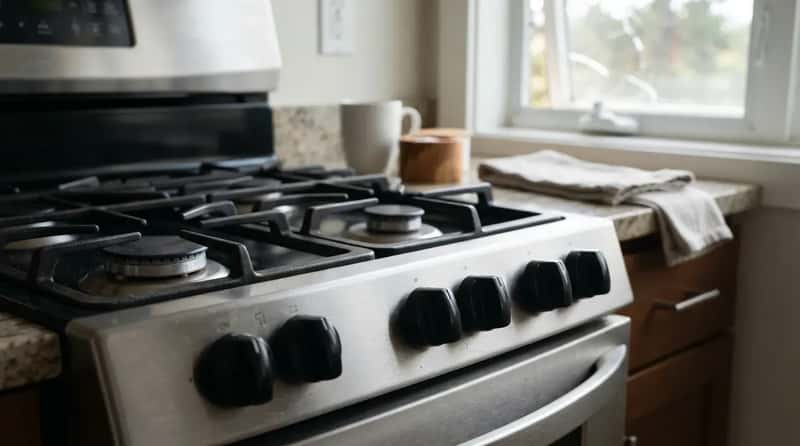
This is the one maintenance teams say should never wait, even for a minute. A faint gas-like smell is easy to dismiss as “maybe the stove” or “maybe outside,” but it’s one of the few items on this list with real emergency potential.
Guests who notice it and simply open a window instead of reporting it are, understandably, prioritizing comfort over risk. Teams wish every guest treated this smell as a call-immediately situation, not a mention-it-at-checkout one.
#2 – A Puddle Under the Water Heater or Furnace
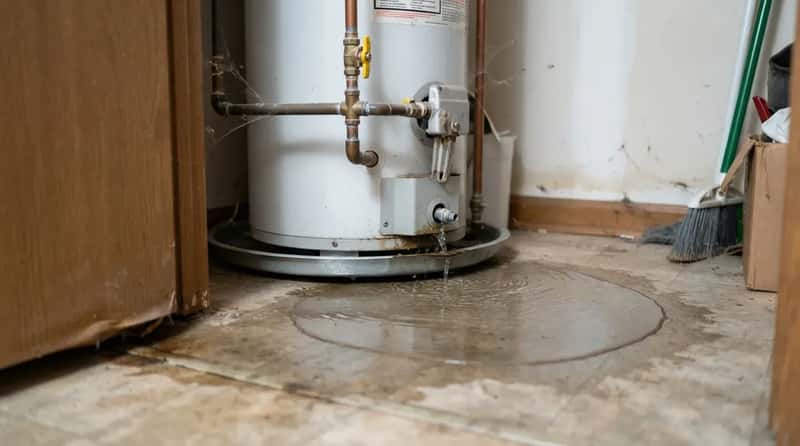
Most guests glance at a utility closet once, if ever, which means a small puddle can go unnoticed for an entire stay. The scale of what’s at risk is enormous: just one inch of standing water can cause around $25,000 in damage once it starts spreading across a floor.
A puddle reported on day one is a valve replacement. A puddle discovered at checkout, after days of slow spreading, is a full flooring and drywall job.
#1 – The Small Leak Under the Kitchen or Bathroom Sink
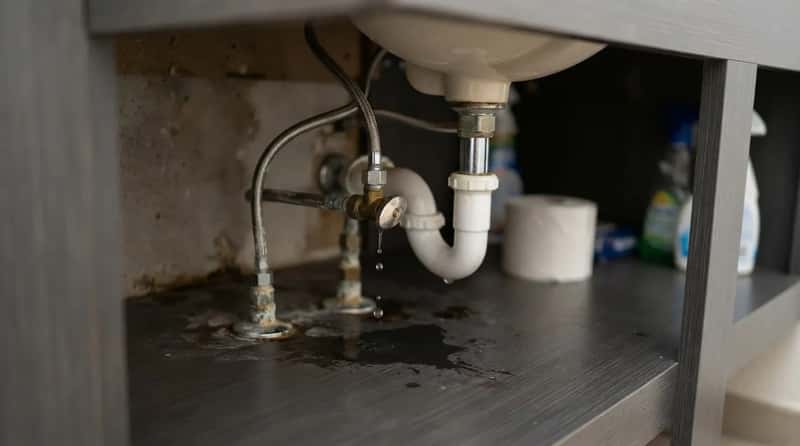
This is the one maintenance teams bring up more than any other, because it’s the most common, the most preventable, and the most expensive when ignored. A single unreported leak in a hotel or rental can cause upward of $50,000 in damage, and water remains the number-one cause of structural damage in properties nationwide.
Guests almost never check under a sink unless they’re storing something there – and even fewer report a small drip they do notice. The difference between a $40 fix and a five-figure emergency is a scheduled inspection that actually happens, and an early guest report is often the closest thing to that inspection a remote property gets.
At a Glance
- Day 1: A small drip under the sink is usually a $40 valve or seal fix.
- Week 1: Unnoticed moisture starts softening the cabinet base and flooring underneath.
- Weeks 2-4: Mold and hidden rot can set in, turning a plumbing fix into a demolition job.
- Discovered at checkout: Repairs frequently climb into the thousands, plus lost booking days.
Every item on this list shares the same pattern: small, easy to dismiss, and quietly expensive the longer it waits. The average water-damage insurance claim alone runs over $11,000, and most of those claims trace back to something that started as a minor drip, smell, or sound. Maintenance teams aren’t asking guests to become inspectors – they’re asking for a quick text the moment something feels off, not a mention at checkout.
The properties with the best reviews aren’t the ones with zero problems. They’re the ones where small problems get reported fast enough to fix before they become the story. Which one of these have you noticed on a trip and stayed quiet about? Drop it in the comments.