Most people assume an overnight train is just a seat, a blanket, and a long stretch of darkness until morning. But conductors, sleeping car attendants, and dining staff have quietly built a whole system of small accommodations specifically for passengers travelling solo – the kind of thing nobody prints on the ticket.
Some of it is comfort. Some of it is safety. And some of it only happens if you know to ask, which is exactly why so few solo riders ever experience the full version of an overnight train.
#27 – A Seat Change Nobody Announces Out Loud
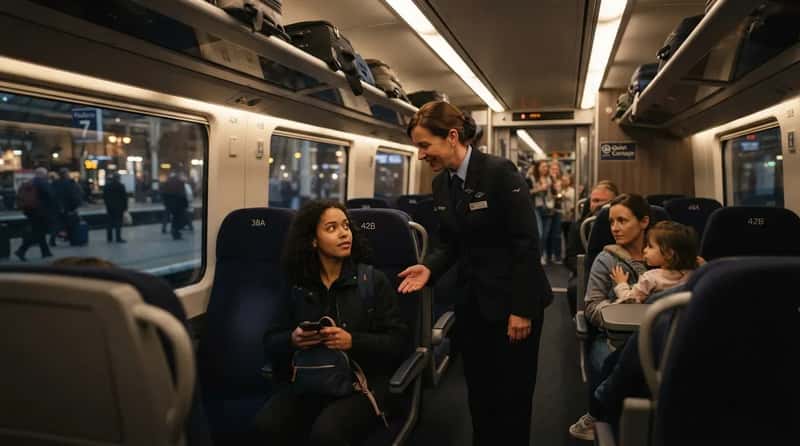
If a solo passenger looks uneasy near a loud group or an empty car, staff will often relocate them without making a scene. It’s rarely offered as a formal accommodation – more of a quiet nod and a “there’s a better spot two cars up.”
A seat close to staff or other travelers with a family or group of women is generally considered the ideal spot for a solo traveler. Attendants know this instinctively, even if they never say it out loud. The move usually happens before boarding is even finished.
#26 – Placement Near The Attendant’s Own Station
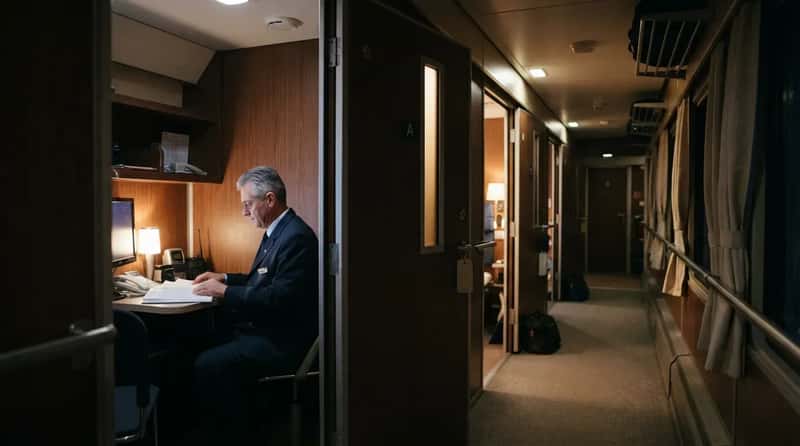
On sleeper trains, solo travelers are frequently placed in rooms close to where the car attendant is stationed for the night.
It isn’t printed anywhere as a rule, but attendants who work these routes regularly tend to steer single bookings toward rooms nearest their own post. That way, if something is needed at 2 a.m., help isn’t three cars away. But that’s nothing compared to what we found about #25…
#25 – Ladies-Only Compartments That Aren’t Widely Advertised
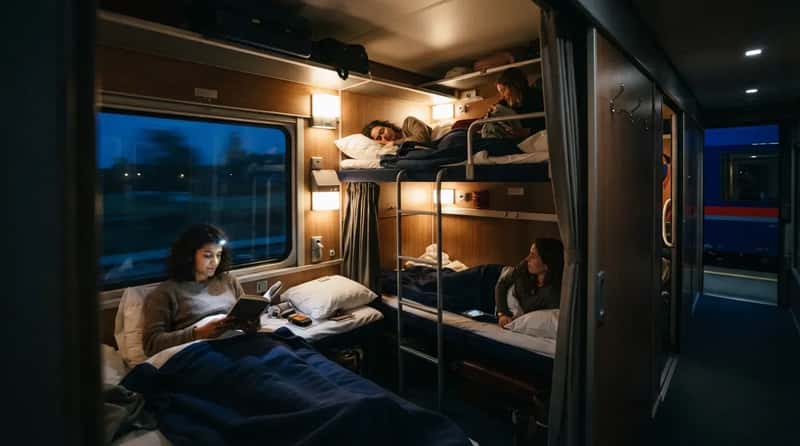
On many European overnight sleepers, there’s an entire booking category most casual travelers never notice.
Major night train operators, especially ÖBB Nightjet and EuroNight, offer ladies-only couchettes – a standard four or six-bed compartment where booking is restricted strictly to women. The cost is usually identical to a regular mixed compartment. Staff will often point solo female travelers toward this option at check-in if seats remain, even when it isn’t obviously listed on the fare summary.
Fast Facts
- Ladies only compartments can be booked in either the couchette coach or the sleeping car.
- Women travelling alone can book a berth in a ladies-only compartment, in either 4-berth or 6-berth.
- Booking usually just means selecting the option when booking online or asking ticket counter staff directly.
- Even outside that category, men and women are separated in the sleeper by default.
#24 – A Say In When The Bed Gets Made Up
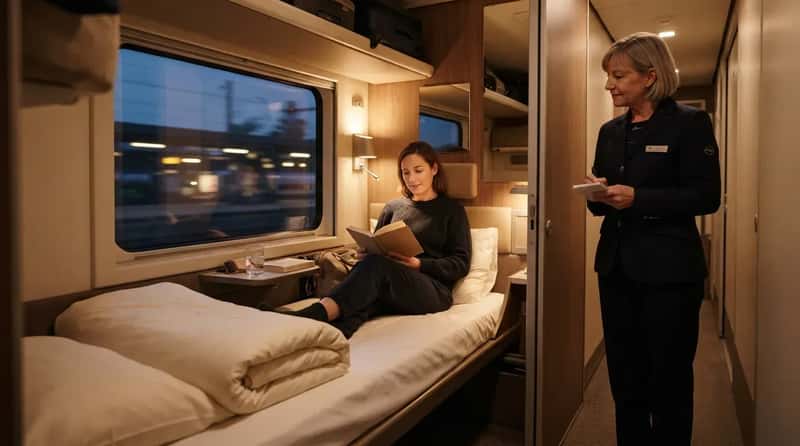
Most sleeper passengers don’t realize the turn-down schedule is negotiable at all.
Attendants will ask what time a passenger would like their bed turned down at night, as well as when they’d like it put away in the morning. Solo travelers who want extra time to read, work, or simply avoid an awkward hallway encounter with strangers changing for bed can request to go last. It’s a small ask, but attendants honor it almost every time.
#23 – Attendants Who Learn Your Name Fast
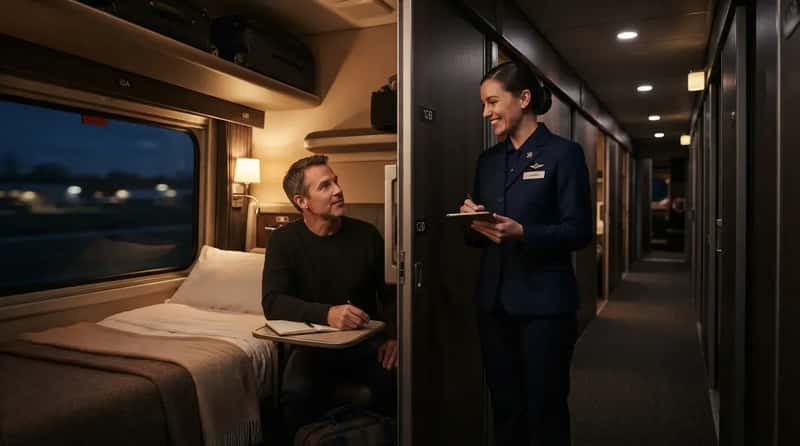
Solo passengers get remembered in a way group travelers rarely do.
Staff on long-haul overnight routes say a lone rider is easier to check on discreetly, so many attendants make a point of using a name by the second interaction. It’s a subtle trust-building tactic that also doubles as a welfare check. If someone hasn’t been seen in a while, that name recognition is what prompts a knock on the door.
#22 – Meals Quietly Rerouted To The Room
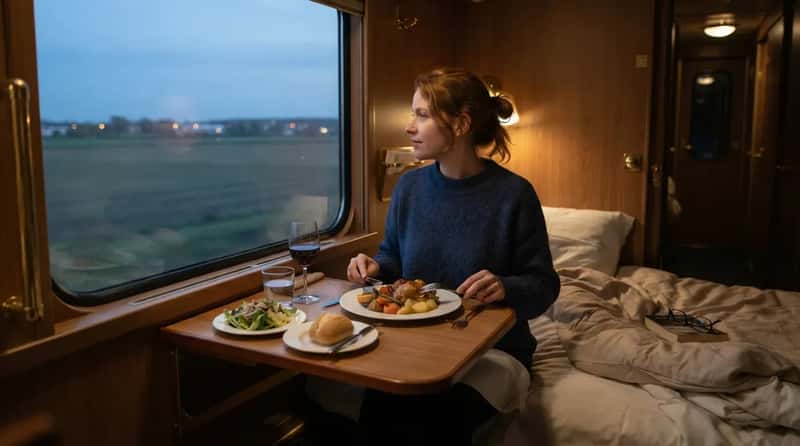
Dining car seating can feel exposed for someone traveling alone, so staff have a workaround.
Passengers who mention a preference for eating in their room, rather than mumble through it later, often find attendants happy to bring meals directly to the compartment. It’s an informal favor rather than a listed service, and it usually only requires asking once at the start of the trip.
#21 – A Quiet Escort Down The Aisle
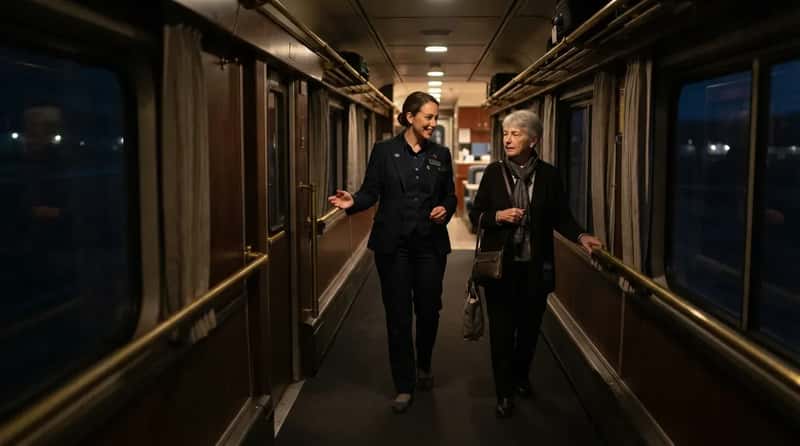
Walking through a moving train alone at night isn’t as simple as it sounds, and staff notice who’s uneasy about it.
Attendants will often accompany a nervous solo traveler to the dining car or lounge, especially on their first pass through unfamiliar cars. This isn’t a scheduled service – it’s the kind of thing that happens because someone hesitated at the door and staff picked up on it immediately.
#20 – The Upper Bunk Becomes A Storage Locker
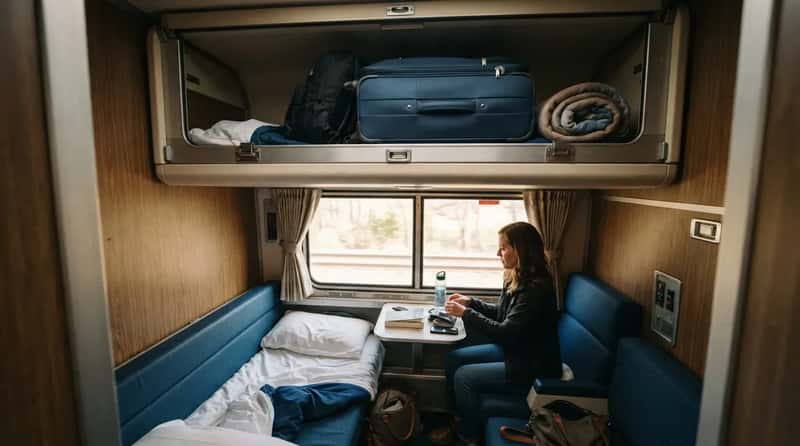
Solo roomette passengers get a perk that couples never think to ask about.
If a roomette isn’t being shared, the upper bunk becomes a great spot for extra baggage, and solo travelers can bring their carry-on right into the sleeping room with them. Most people traveling in pairs never get this option, since the second bunk is occupied. Attendants routinely suggest it to solo bookings without being asked.
#19 – An Extra Blanket That Shows Up Unrequested
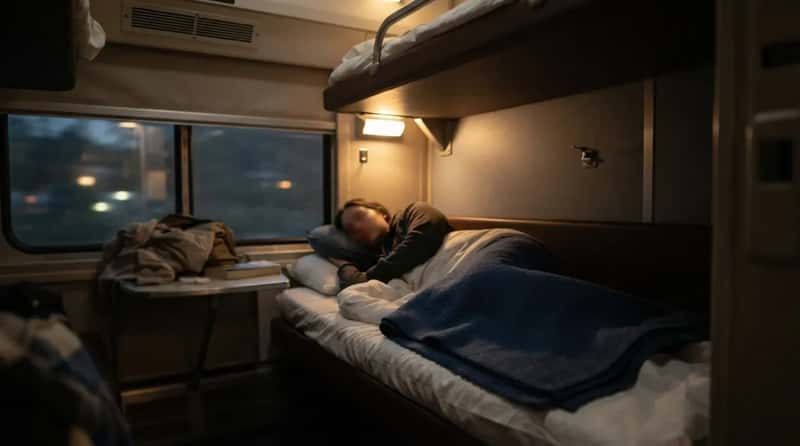
Overnight cars run cold, and staff have learned solo travelers are the least likely to complain about it.
Attendants working long routes often carry a few spare blankets specifically to leave with single passengers who look like they’re bracing against the air conditioning. It’s a small gesture, but it’s consistent enough across long-distance routes to be more habit than coincidence. But that’s nothing compared to what we found about #18…
#18 – An Empty Roomette Instead Of A Shared One
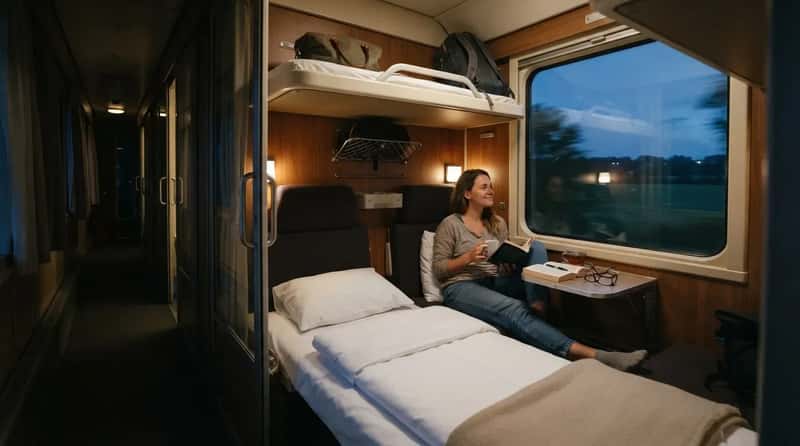
When a train isn’t fully booked, solo travelers sometimes get quietly upgraded without paying for it.
If a companion room ends up empty, attendants have been known to let a solo passenger keep the whole roomette to themselves rather than shuffling seating charts. It isn’t guaranteed, and it depends entirely on how full the train runs that night, but it happens often enough that frequent solo riders learn to simply ask at boarding.
#17 – Choice Of Which End Of The Car To Sleep In
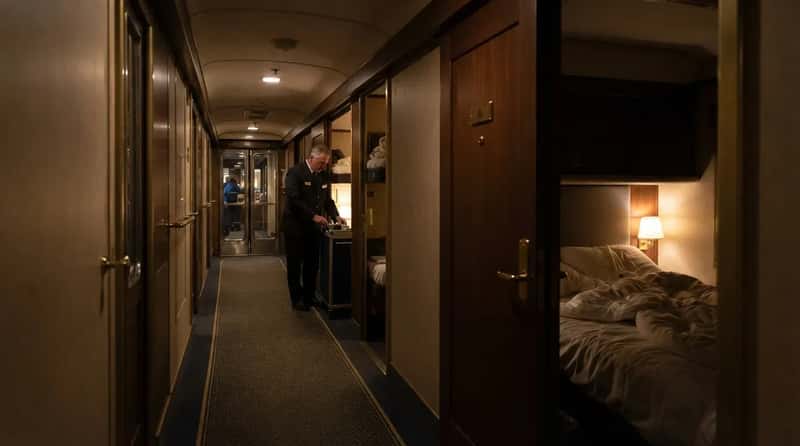
Not all corridors are equal, and staff know exactly which end is quieter.
Rooms near the vestibule doors take the brunt of noise from station stops and passing conductors. Solo travelers who mention they’re a light sleeper are often steered toward the opposite end of the car – away from the doors, closer to the attendant’s own bunk. It’s rarely offered proactively, but almost always granted if requested.
#16 – A Heads-Up About Which Cars Run Quiet
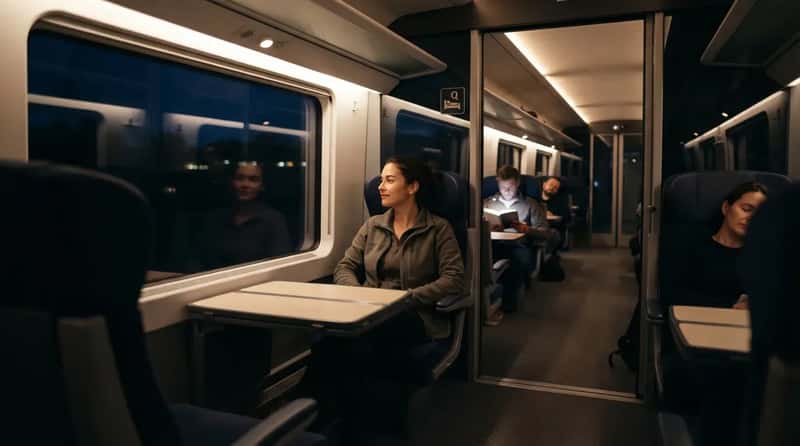
Some overnight trains designate quiet sections, and staff will actively route solo passengers there.
On routes with designated quiet compartments, staff will often direct a solo traveler to that section rather than leaving them to figure it out from a seating chart. It’s one of the simplest accommodations available, and one of the least advertised.
#15 – Coffee Delivered Before The Wake-Up Announcement
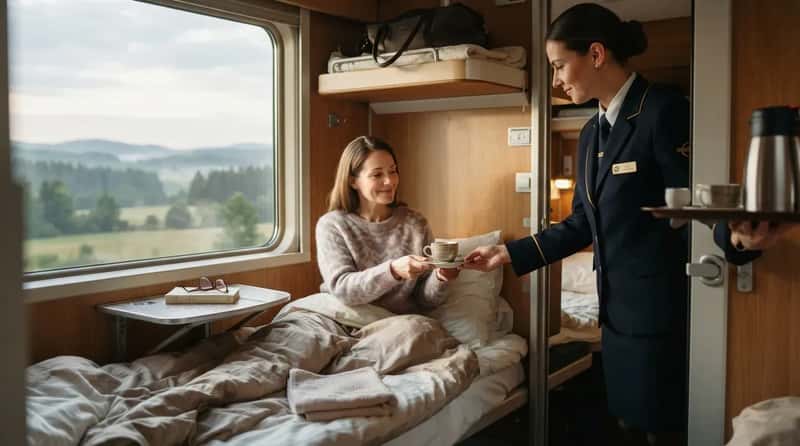
The public address system isn’t always the first alarm a solo passenger gets.
Attendants who’ve built rapport with a solo rider over the trip will sometimes bring coffee to the room minutes before the official wake-up call goes out over the intercom. It softens what can otherwise be a jarring, impersonal way to start the last morning of a long trip – especially for someone with nobody else in the room to talk to first.
#14 – A Quiet Knock Just To Check
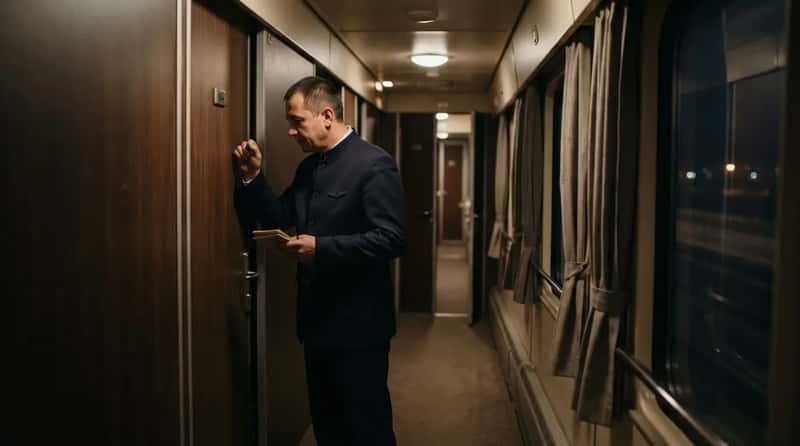
Welfare checks on overnight trains aren’t official policy, but they happen anyway.
Staff working sleeper cars will occasionally do a soft knock-and-listen pass on solo rooms during long overnight stretches, particularly if a passenger seemed unwell, anxious, or unusually quiet at boarding. Most passengers never even notice it’s happening. It’s built entirely on an attendant’s own judgment rather than any written rule.
#13 – Upgrades Offered First To Travelers Riding Alone
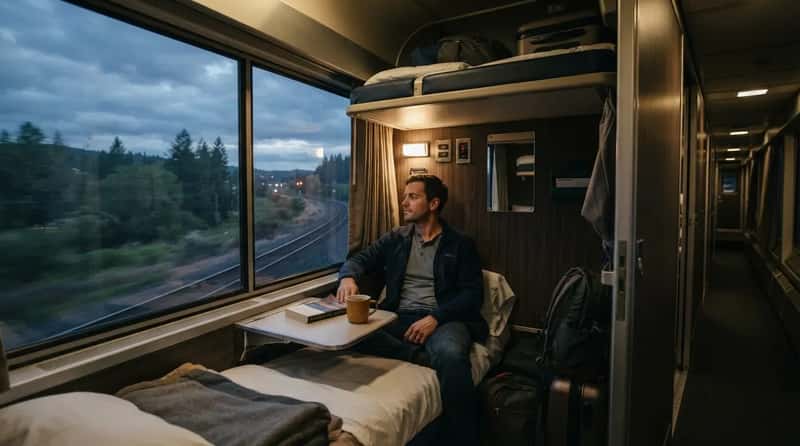
When a private room becomes available mid-route, solo passengers tend to move up the list.
Conductors managing last-minute upgrades on overbooked or lightly booked trains often prioritize the person traveling by themselves over a family or couple, reasoning that a solo rider benefits more from the added privacy and security. It’s an unwritten pecking order, but staff describe it as close to universal practice on long-distance routes.
At A Glance
- A Superliner roomette measures roughly 3’6″ X 6’6″ and has room for two adults, though it’s just as often occupied by one.
- Booking a room instead of coach seating usually means meals are included when traveling in a private room.
- Every private room comes with a dedicated First Class attendant who provides turndown service, assists with meals, and helps with luggage.
- At night, the seats convert to a bed, and an upper berth folds down from above – only if it’s actually needed.
#12 – Being Told Exactly Which Room Is The Attendant’s
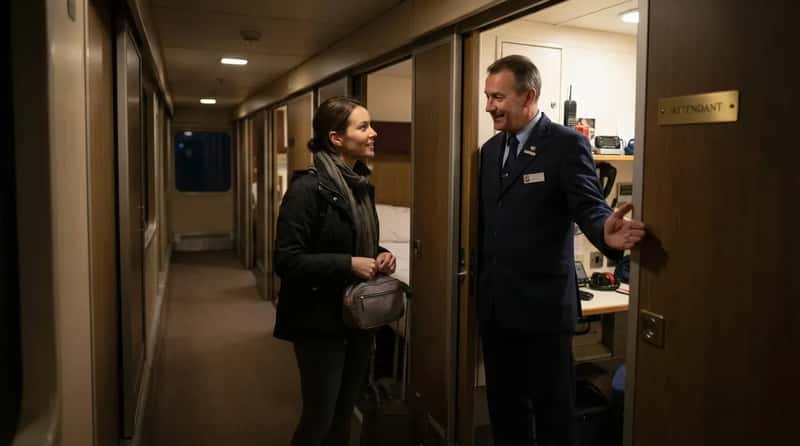
Solo travelers are far more likely to be given this information upfront than anyone else on the train.
Before heading to sleep – often while brushing teeth or making a last trip to the toilet – travelers are encouraged to find out exactly where the train attendant can be found overnight. Staff will volunteer this information proactively to solo passengers rather than waiting to be asked, precisely because they know a lone rider is the one most likely to need it in the middle of the night.
#11 – A Quiet Compartment Switch If Someone Feels Off
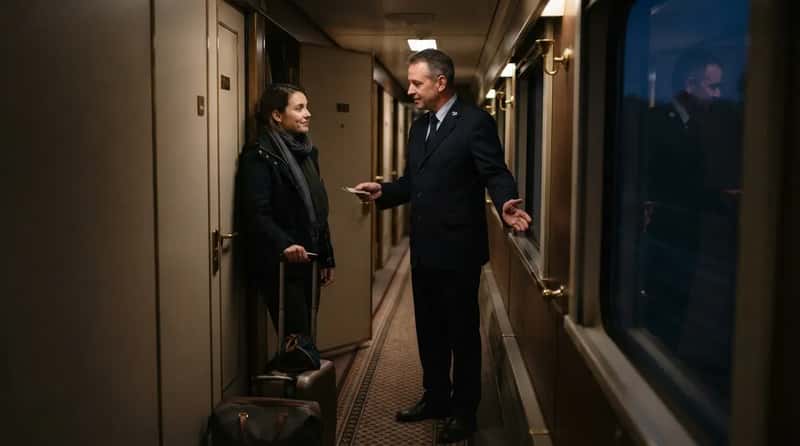
This is the accommodation staff talk about least publicly but rely on most.
If a solo passenger reports discomfort with a seatmate or fellow compartment occupant, attendants are trained to move them without drawing attention to why. Passengers are encouraged to ask for help and secure their cabin the moment something feels wrong, and staff will act on it immediately rather than waiting for a formal complaint. This single practice is the reason so many solo riders describe overnight trains as safer than they expected.
#10 – A Seat Deliberately Placed Near A Family Group
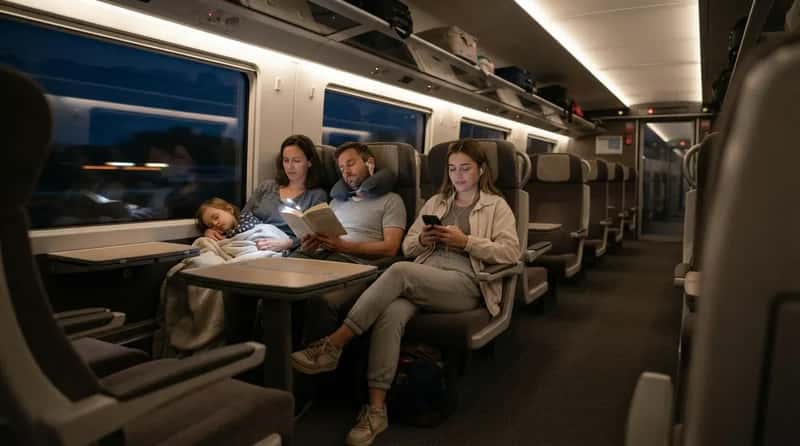
In coach cabins without private rooms, staff use a low-tech trick that works surprisingly well.
Skipping a private compartment entirely and sitting in a regular seat surrounded by more people can actually feel safer, thanks to what’s often described as “safety in numbers.” Attendants managing seat assignments will lean into this deliberately, placing a solo traveler near a visible family or group rather than isolating them in an empty row.
#9 – A Warning About Which Exit To Use At A Dark Station
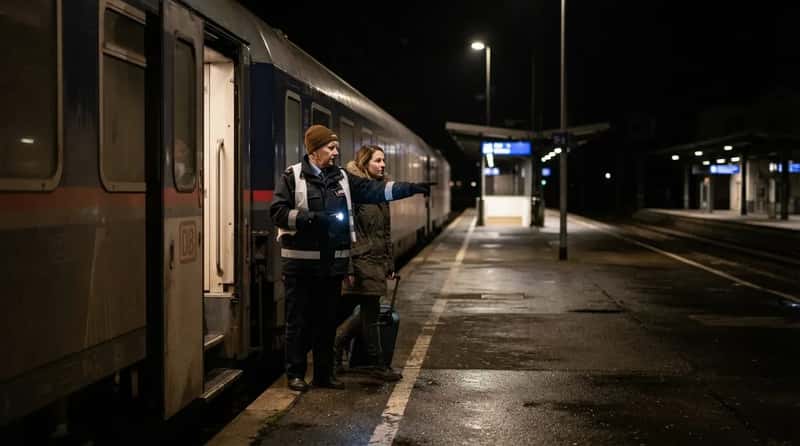
Late-night station stops aren’t equally lit, and staff know it better than any app does.
Solo passengers detraining at unfamiliar stops in the middle of the night are often quietly told which exit is better lit, closer to staff, or safer for a solo walk to a taxi stand. It’s the kind of local knowledge that never makes it into a printed schedule but gets passed along verbally, car by car, night after night. But that’s nothing compared to what we found about #8…
#8 – A Full Walkthrough Of The Lock Mechanism
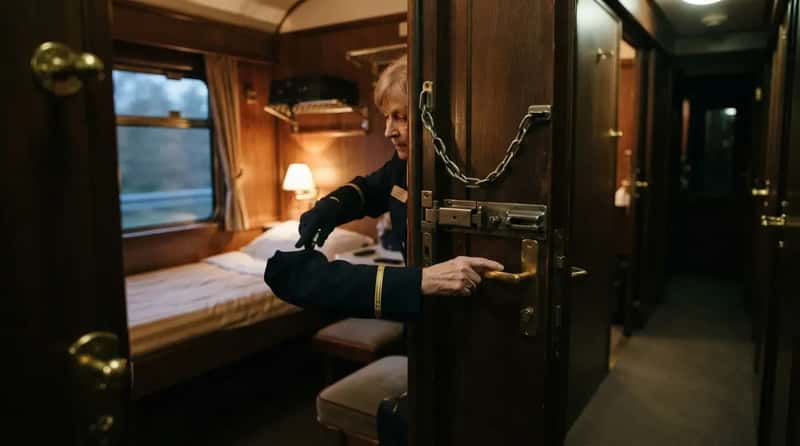
Compartment doors on overnight trains are more secure than most first-time riders assume, but only if you know how to use them.
A private room means having the space entirely to yourself, with a door that locks from the inside using multiple heavy-duty bolts – often a deadbolt plus a chain. Staff will demonstrate this specifically for solo travelers who look unfamiliar with the setup, walking them through each lock before lights-out rather than assuming they already know.
Worth Knowing
- On European sleepers, compartments can be locked from the inside, most of them from the outside too.
- Solo travelers rarely have to shout for help – most rooms include a call system for contacting a train attendant directly from the compartment.
- Higher-tier rooms take privacy even further, with some compartments including their own shower and toilet behind that same locked door.
#7 – A Custom Wake-Up Time To Beat The Rush
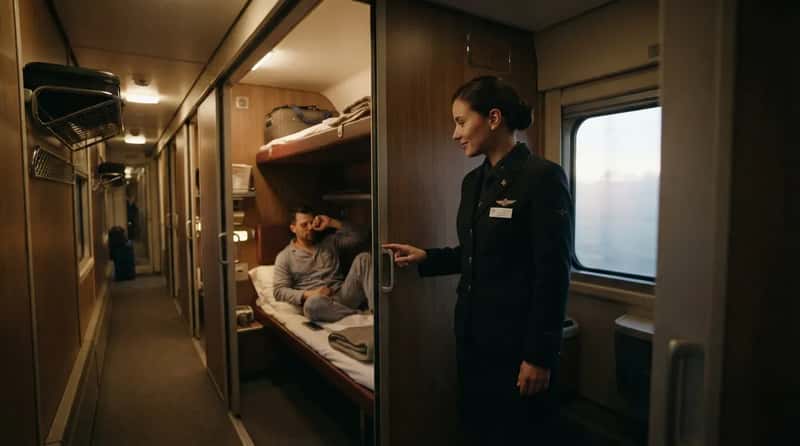
Arrival mornings on overnight trains get chaotic fast, and solo travelers are often spared the worst of it.
Attendants will sometimes wake a solo passenger slightly earlier than the general announcement, giving them first access to the bathroom, luggage racks, and exit doors before the corridor fills with everyone else moving at once. It’s a courtesy solo riders receive more consistently than families juggling multiple people and bags.
#6 – After-Hours Access To The Snack Car
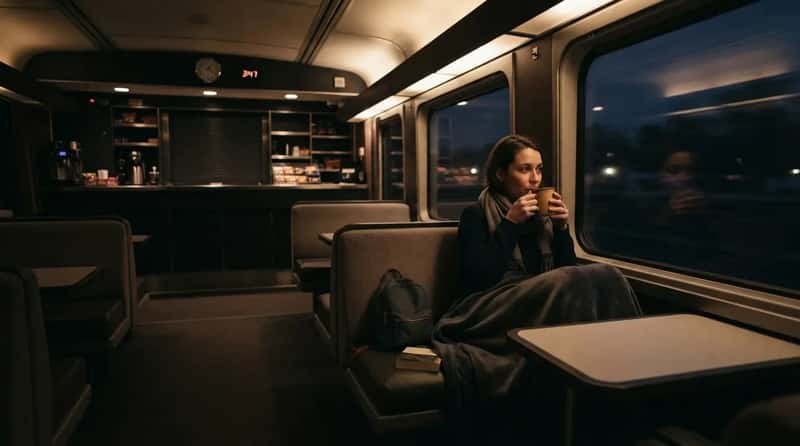
Insomnia on an overnight train is common, and staff have quiet ways of dealing with it.
For a passenger clearly struggling to sleep alone in a dark compartment, attendants have been known to unofficially wave them into the snack or lounge car outside normal operating hours, rather than sending them back to stare at the ceiling. It’s rarely publicized, but frequent solo riders learn to simply ask.
#5 – Luggage Help Before You Even Ask
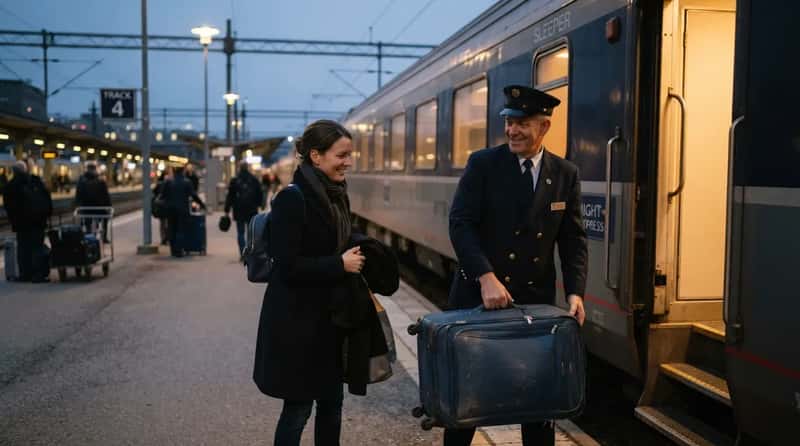
This one shows up constantly in passenger accounts, almost always tied to solo travelers specifically.
Staff tend to step in with bags the moment they notice someone struggling without a second set of hands nearby – precisely the situation a solo traveler is in and a couple usually isn’t. It’s less about policy and more about attendants simply recognizing who has backup and who doesn’t.
#4 – A Heads-Up Before A Confusing Overnight Stop
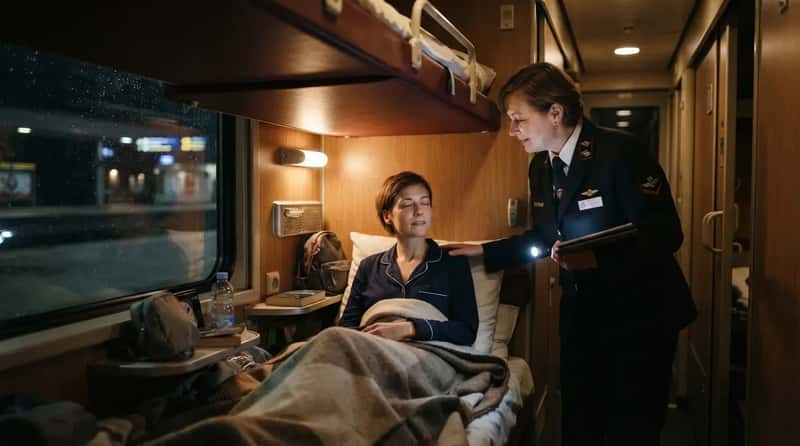
Some station stops happen at odd hours with little warning, and that’s exactly when solo travelers get flagged for extra attention.
Because trains make station stops all night long, attendants sleep in short bursts – but they still make a point of personally notifying solo passengers ahead of a confusing or poorly marked stop, rather than relying solely on the intercom. It’s a small habit, but it prevents the disorientation of waking up assuming you’ve missed your station.
#3 – A Personal Pointer To The Emergency Intercom
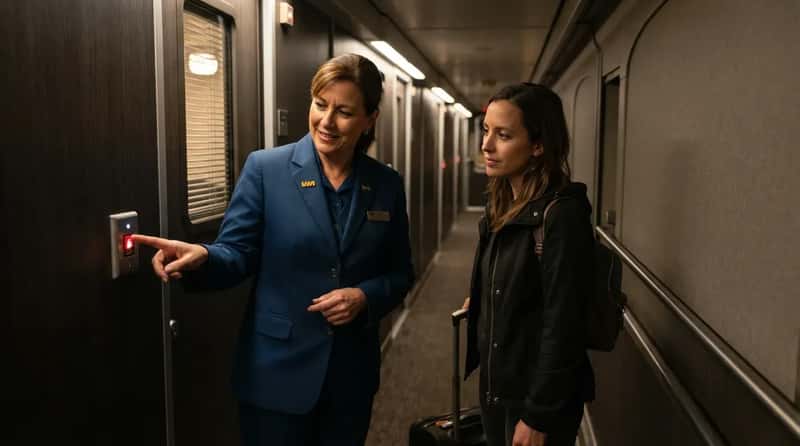
Every car has one, but almost nobody notices it until they’re told where to look.
Staff will often physically point out the nearest emergency call button to a solo traveler early in the trip, framing it casually rather than alarmingly. It’s one of the simplest accommodations on this entire list, and one of the most consistently offered to riders traveling without company.
#2 – Conversation That’s More Deliberate Than It Looks
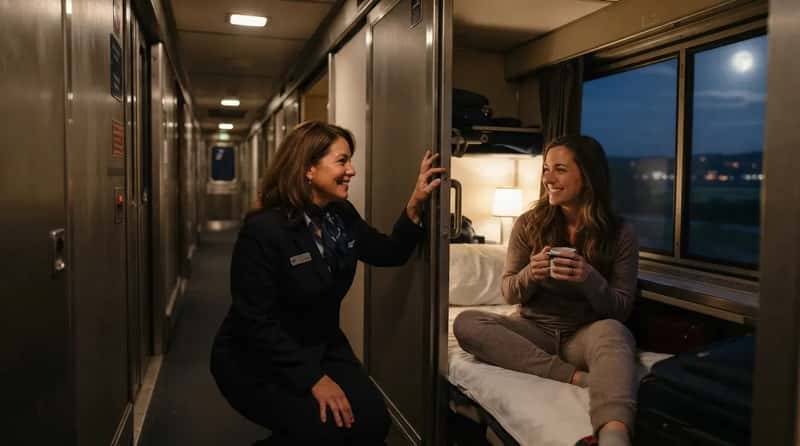
Attendants chatting with solo passengers isn’t just friendliness – it’s often intentional.
Sleeping car attendants help situate passengers for the night with turn-down service, assist with luggage, and often share stories of life on the rails. For solo travelers specifically, this conversation does double duty: it keeps them company and gives staff a natural, low-pressure way to check in on how someone’s doing without making it feel like surveillance.
#1 – Staff Who Will Advocate For You With The Conductor
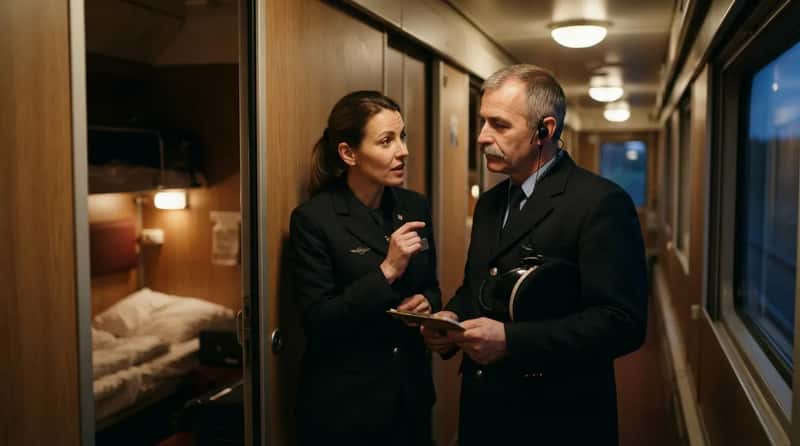
This is the accommodation solo travelers value most, even though almost nobody mentions it publicly.
If a solo passenger reports feeling unsafe, harassed, or simply unwell, attendants routinely escalate the issue directly to the conductor on their behalf rather than leaving the passenger to handle it alone. It’s the single biggest reason experienced solo riders trust overnight trains as much as they do – the system quietly assumes you might need someone in your corner, and it hands you one before you even ask.
None of this is written into a passenger handbook. It’s built from decades of attendants and conductors noticing, again and again, that the person traveling alone needs a slightly different kind of attention than the family in the next room.
Most solo riders never request a single one of these accommodations directly – they simply happen, quietly, because staff have learned exactly what a lone passenger needs before that passenger even realizes it themselves.
Which one surprised you the most? Have you experienced any of these on a trip of your own? Tell us in the comments.