Most people assume a road trip disaster comes down to bad luck – a flat tire, a sudden storm, a wrong turn nobody could have predicted. Ask someone who’s logged 50,000 miles across the country, though, and they’ll tell you a different story: almost every roadside nightmare traces back to one tiny thing that could’ve been checked in under sixty seconds before pulling out of town.
It’s not expensive gear. It’s not some secret app. It’s a short mental checklist that experienced travelers run automatically, without even noticing anymore – and skipping just one item is usually the difference between a funny story later and a genuinely miserable night stranded somewhere with no signal. Here’s what they actually check before they ever hit the on-ramp.
1. The Half-Tank Rule Nobody Breaks
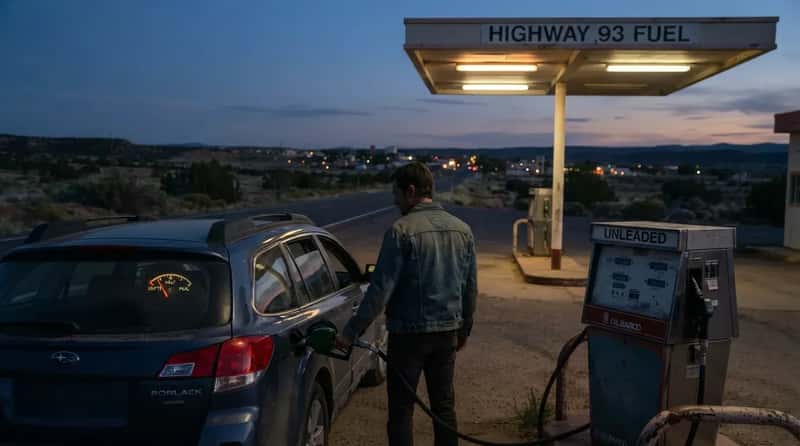
Seasoned drivers never leave a town with less than half a tank, no matter how confident they feel about the next stretch. Rural gas stations are disappearing faster than most travelers realize, and that changes the math on every fill-up decision.
One major fuel company alone announced it would close 500 stations in 2024 and another 500 in 2025, and small independent stores have been closing at a steady clip for years. A gas station that shows up on a map app might already be boarded up by the time you get there. So seasoned travelers top off early instead of gambling on the next dot on the screen.
Fast Facts
- One major fuel company is closing 500 stations in 2024 and 500 more in 2025
- Independent small-town stores have been closing steadily for years
- A station listed on a map app may already be shuttered by the time you arrive
2. Offline Maps Get Downloaded Before the Bars Disappear
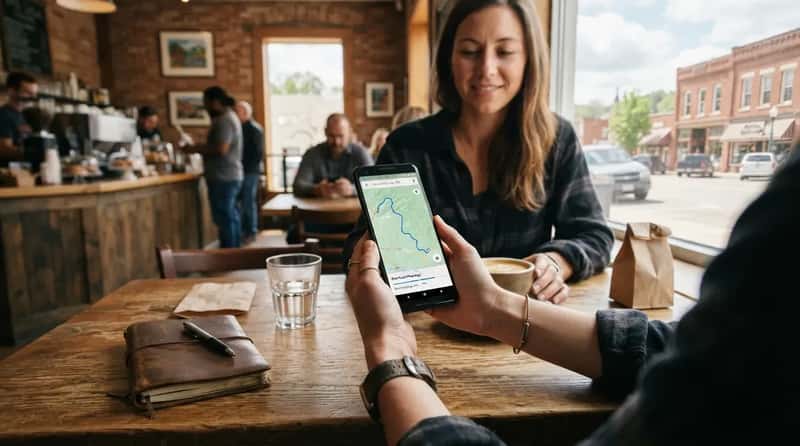
Cell coverage in small-town America is far patchier than most visitors expect, and it rarely fails at a convenient moment. Veteran travelers download offline map sections for the entire route before they leave, not after the signal drops.
This isn’t paranoia – it’s pattern recognition. Dead zones tend to cluster in exactly the canyon roads and farm routes GPS loves to reroute drivers through. A phone with no signal and a map app that needs live data is functionally useless out there, and the fix takes thirty seconds in a coffee shop with Wi-Fi.
3. “Vacancy” Signs Get Ignored After Dark
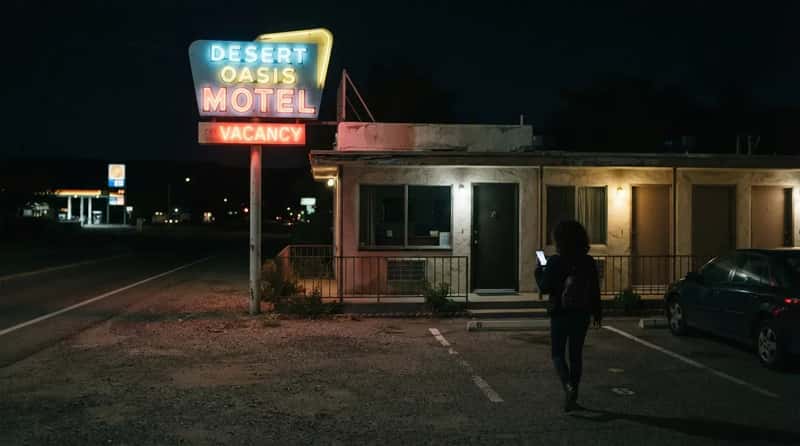
A lit vacancy sign in an unfamiliar town means almost nothing after 8 p.m., and experienced travelers know it. Small independent motels sometimes leave the sign on out of habit long after the front desk has closed for the night.
The workaround is simple: call ahead, even for a same-day stay, and confirm someone will actually be there to check you in. Showing up to a locked office with no after-hours number is one of the most common regrets shared in road trip forums, which is why seasoned travelers screenshot the confirmation too – some rural properties don’t have Wi-Fi reliable enough to pull it back up later.
4. A Weather Check for the Road, Not Just the Town
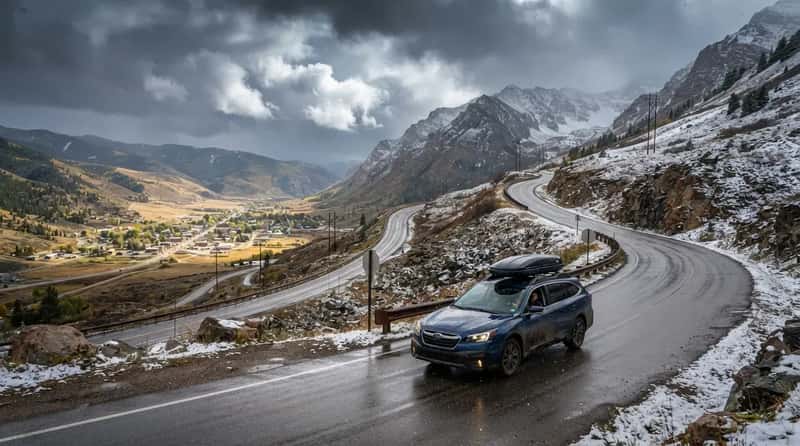
Checking the weather for your destination isn’t the same as checking it for the road in between, and that gap catches out-of-towners constantly. Mountain passes, desert flats, and coastal routes can look nothing like the sunny town you’re standing in right now.
Veteran drivers pull up a route-based weather view, not just a city forecast, before leaving. A calm morning downtown can mask a flash flood warning fifteen miles down the same highway. This habit matters even more in shoulder seasons, when weather along elevation changes shifts fast and local forecasts don’t always catch up.
5. The Restroom Stop That’s Actually a Strategy
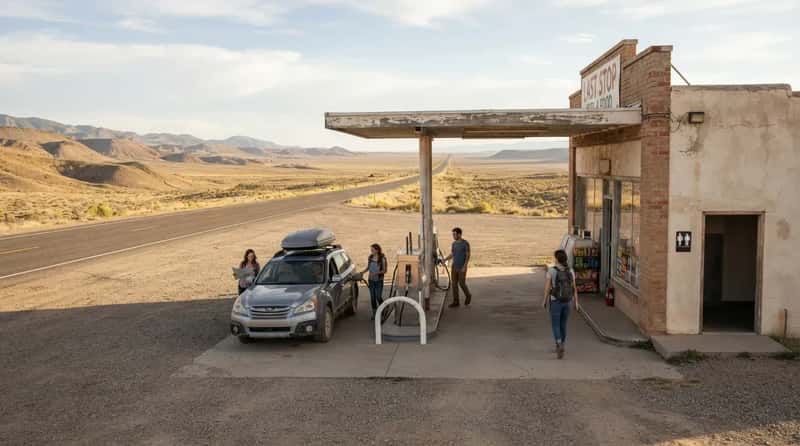
Seasoned road trippers don’t wait until someone “really needs to go” – they treat the last gas station in town as a mandatory stop, regardless of who claims they’re fine. It’s less about comfort and more about knowing what’s ahead.
Many rural stretches have zero public restrooms for 40 miles or more, and that includes some interstate corridors, not just backroads. Stopping preemptively also gives the whole group a natural pause to double-check fuel, snacks, and directions before committing to a stretch with no services at all.
6. Tire Pressure Gets a Real Check, Not a Guess
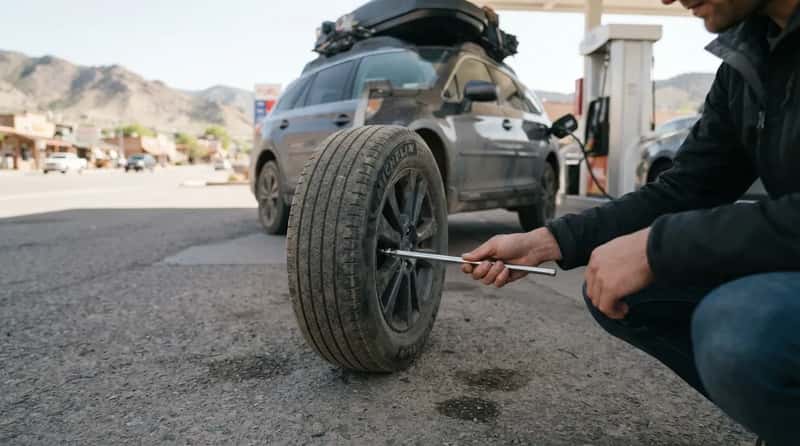
A quick visual glance at the tires isn’t the same as actually checking pressure, and experienced drivers know the difference matters most right before a long, unfamiliar stretch. Temperature swings between towns can shift pressure enough to actually matter.
Tire pressure can drop roughly one PSI for every ten-degree drop in temperature, which adds up fast on a trip crossing elevation or climate zones in a single day. Seasoned travelers keep a cheap gauge in the glovebox and use it at every fuel stop – it takes less time than pumping the gas itself.
7. Cash Comes Out Before the Card Gets Declined
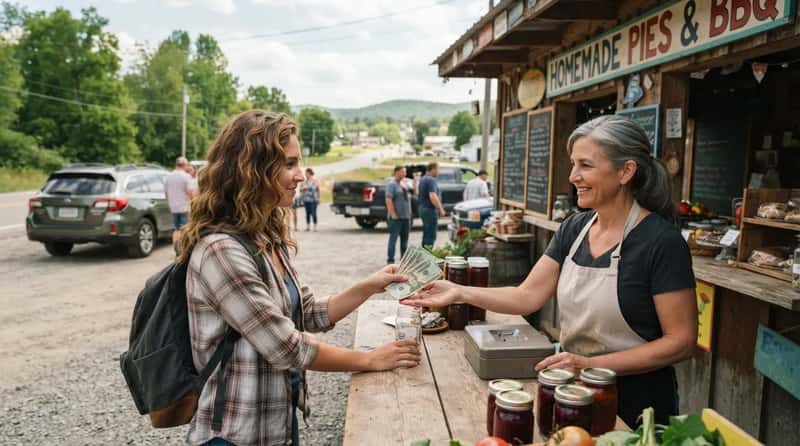
Plenty of small-town shops, food trucks, and roadside stands still don’t take cards, and travelers relying entirely on tap-to-pay find that out at the worst possible moment. Seasoned road trippers pull out $40 to $60 in small bills before leaving any town with a working ATM.
Rural ATMs are getting harder to find as banks consolidate branches, so waiting until cash is needed often means waiting until it’s too late. This habit also protects against card readers going down during storms or power outages, which happens more often in areas with older infrastructure.
8. Sunday Closures Blindside the Unprepared
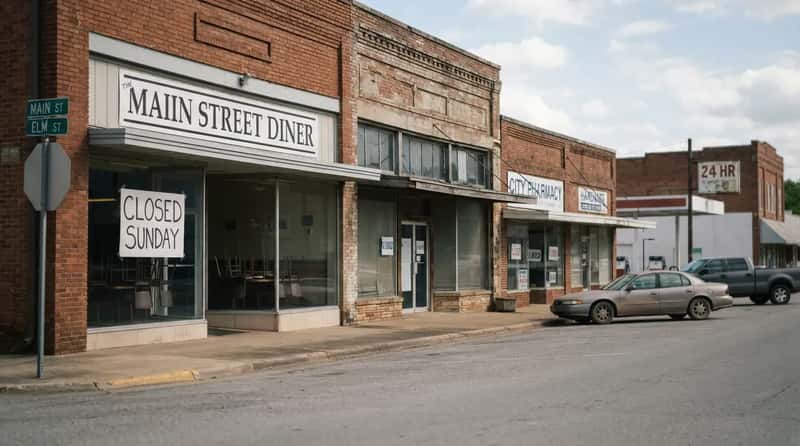
Business hours in small towns don’t always match what’s listed online, and Sundays are where this trips up the most visitors. Some towns essentially shut down entirely – gas stations, diners, even pharmacies running on skeleton hours.
Seasoned travelers call ahead or check for recently posted hours rather than trusting a listing nobody’s updated in months. A “24-hour” sign on a gas station doesn’t guarantee the attached mini-mart or restrooms are actually staffed overnight, especially in areas where staffing shortages make posted hours more aspirational than accurate.
9. They Find the Pharmacy Before They Ever Need One
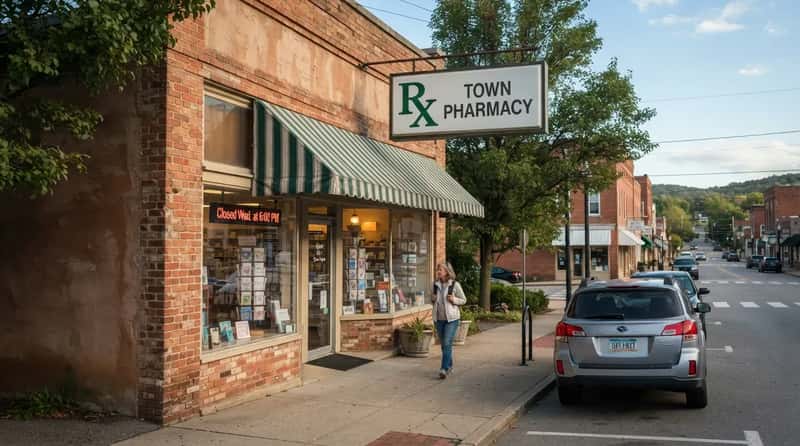
Locating the nearest pharmacy the moment you arrive in a new town feels excessive – until the moment you actually need one. Experienced travelers make this a five-second map search habit, not an emergency scramble.
Independent pharmacies in rural areas often close by 6 p.m. and aren’t open weekends at all, which surprises travelers used to 24-hour chains back home. Knowing the location ahead of time means a headache or minor injury doesn’t turn into a wasted afternoon of driving in circles.
10. The Roadside Assistance Number Gets Saved, Not Searched
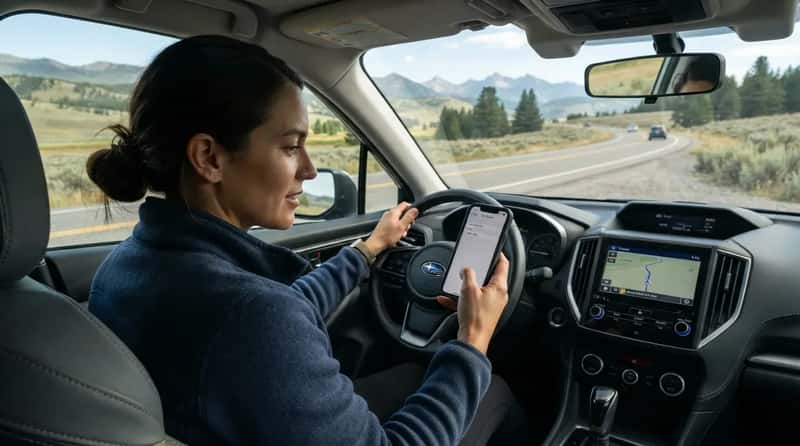
Nobody wants to think about breaking down, but seasoned travelers save the roadside assistance number in their contacts before leaving, not after something goes wrong. That single habit changes how a bad situation unfolds.
In 2024, AAA received over 27 million emergency roadside service calls across the United States, the majority involving towing or battery failures. That’s roughly 74,000 breakdowns a day – most of them completely avoidable with basic prep, and none of them fun to handle with a dying phone and no bars.
At a Glance
- 27 million+ AAA roadside calls logged in 2024
- Roughly 74,000 breakdowns happen nationwide every single day
- Most calls involve towing or dead batteries, not exotic mechanical failures
11. Pet Water and Shade Get Planned Like a Real Pit Stop
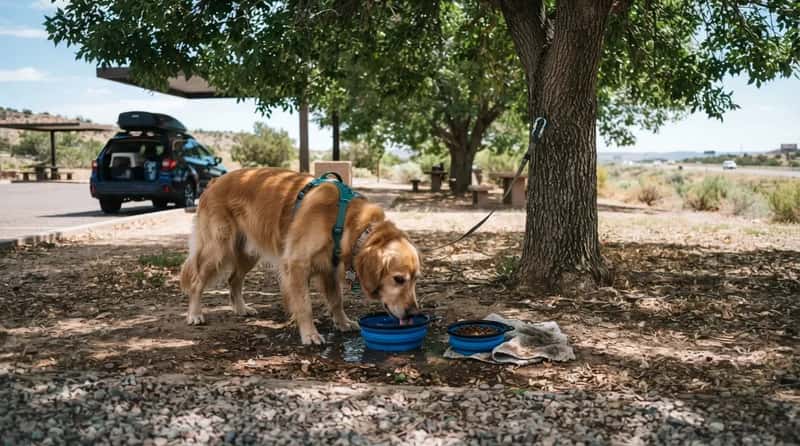
Traveling with a dog changes the entire calculus of leaving a town, and experienced pet owners treat water and shade breaks as non-negotiable, not optional. Skipping this is one of the most common regrets shared by road-tripping pet owners.
Asphalt parking lots can reach temperatures 40 to 60 degrees hotter than the surrounding air, making a “quick errand” stop genuinely dangerous for an animal left inside, even with windows cracked. Seasoned travelers scope out a shaded, pet-friendly rest area before leaving town rather than hoping one appears along the way.
12. EV Drivers Confirm the Charger Actually Works
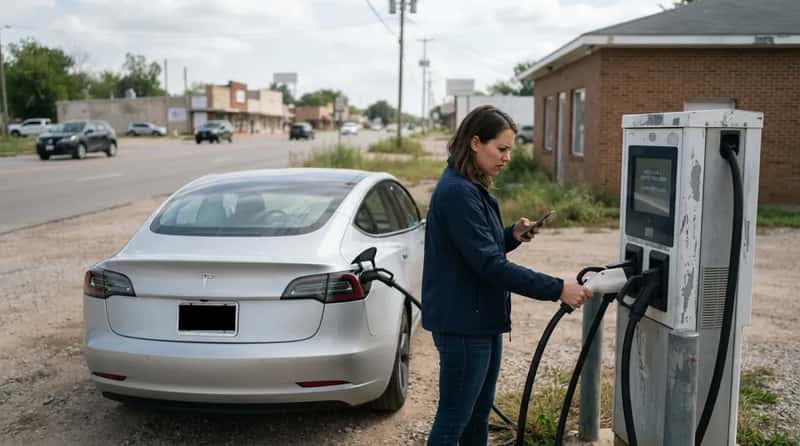
An EV charging station showing up on an app doesn’t mean it’s functional, and this catches first-time electric vehicle road trippers constantly. Broken, occupied, or incompatible chargers are common enough that experienced EV drivers always have a backup plan.
AAA recorded an estimated 215,000 service calls for electric vehicles in a recent year – about 0.8% of total roadside events. That number sounds small next to gas vehicle breakdowns, but charging failures make up a disproportionate share of it in rural areas, which is why seasoned EV travelers check recent user reviews on the charger itself, not just its listed location.
13. They Ask a Local About the Road Ahead, Not Just Google
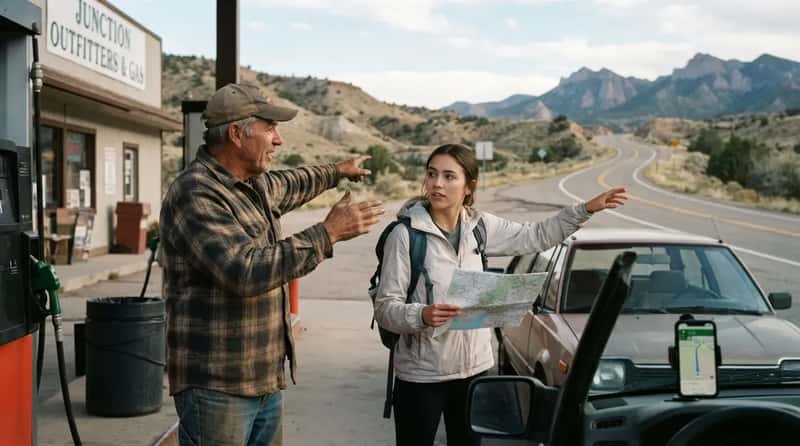
GPS doesn’t know about the washed-out bridge, the seasonal closure, or the detour that’s been in place for three weeks. Seasoned road trippers ask one local – a gas station clerk, a diner waitress, anyone – about conditions ahead before leaving.
Locals often know about hazards weeks before they ever show up on official road condition websites. This is especially true in areas prone to washouts, wildfire smoke, or agricultural traffic that can turn a two-lane highway into a rolling roadblock during harvest season. A thirty-second conversation beats an algorithm that’s never actually driven the road.
14. The One-Light Town Speed Trap Warning
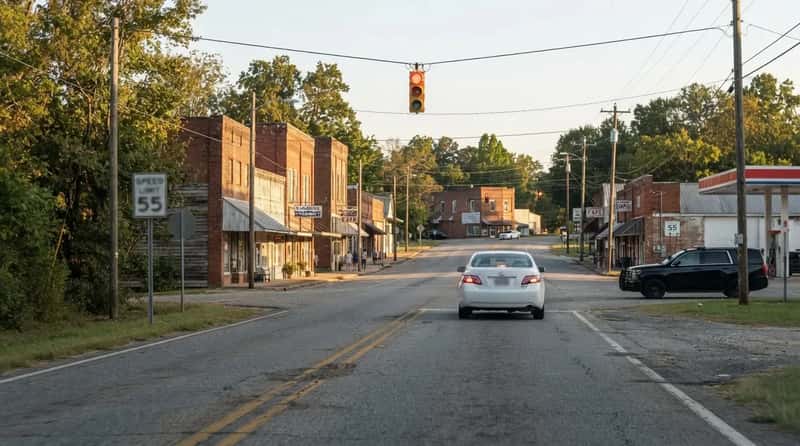
Small towns with a single traffic light have a reputation for a reason, and experienced drivers slow down well before the posted limit sign, not after. Speed limits in these towns can drop dramatically and without much warning.
Some of the most notorious speed-trap towns generate a real share of their municipal budget from out-of-town traffic tickets, which is exactly why enforcement tends to be aggressive right at the town line. Seasoned travelers treat any sudden drop in posted speed as a cue to actually glance at the speedometer, not just assume they’re already fine.
15. Snacks Get Bought Two Towns Early
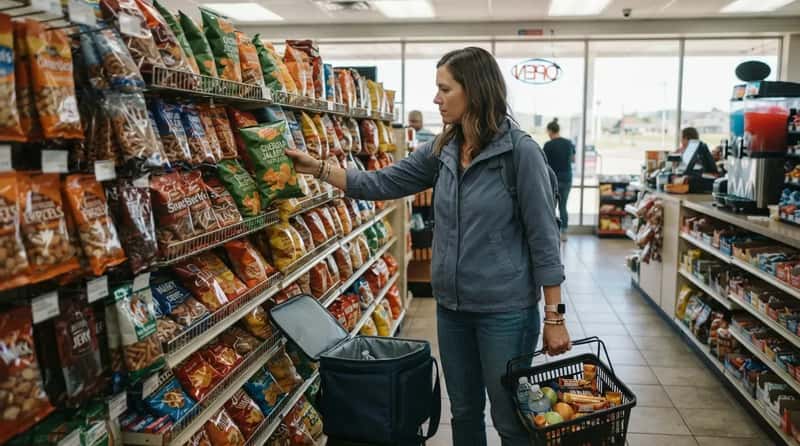
Waiting until you’re hungry to buy snacks in an unfamiliar area is a rookie mistake, because the next town might not have anything open at all. Buying food one stop earlier than needed removes an entire layer of risk.
Many rural gas stations have genuinely limited food options – sometimes just chips and stale coffee – which isn’t much help on a long afternoon stretch. Seasoned travelers keep a small cooler stocked and treat every well-stocked stop as an opportunity, not a guarantee they’ll see another one soon.
16. The Spare Tire Gets Checked, Never Assumed
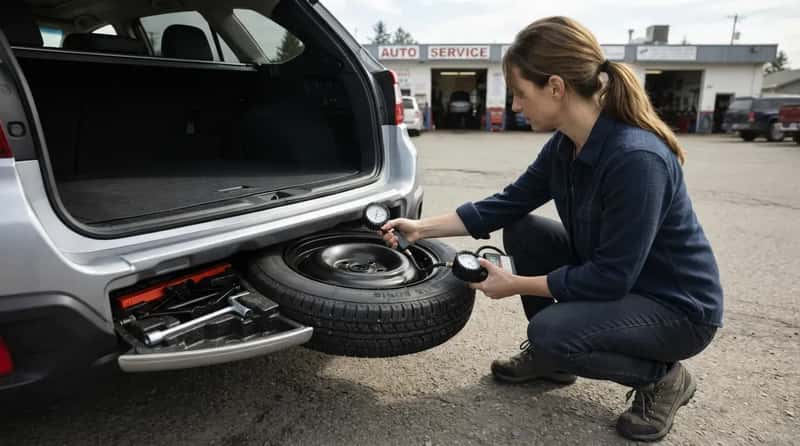
A car can have a spare sitting under the trunk floor for years without anyone confirming it’s actually inflated. Experienced road trippers check the spare’s pressure and the jack’s condition before ever leaving a town with a reliable auto shop nearby.
A significant share of roadside tire calls involve spares that were flat or missing entirely, turning a simple fix into a full tow bill. This is a five-minute check most drivers have literally never done since buying the car, and seasoned travelers fold it into the same routine as checking oil or wiper fluid.
17. Deer Crossing Signs Get Taken Seriously at Dusk
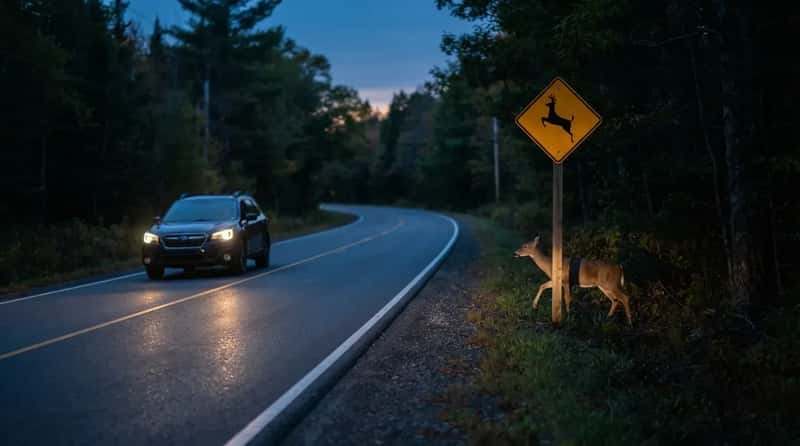
Most drivers glance right past deer crossing signs, but seasoned travelers actually slow down when they see one near dusk or dawn, when animal activity peaks. This single habit prevents a huge share of rural collisions.
Dusk and dawn are when the vast majority of deer-vehicle collisions occur, largely because visibility drops right as animals become most active. Experienced drivers scan the shoulders ahead instead of just the pavement in front of the headlights, and they know braking hard for one deer often means a second one is close behind.
Worth Knowing
- Most deer-vehicle collisions cluster around dusk and dawn
- Visibility drops right as deer become most active
- One deer crossing often signals a second one nearby
18. Time Zone Lines Get Confirmed Before Reservations
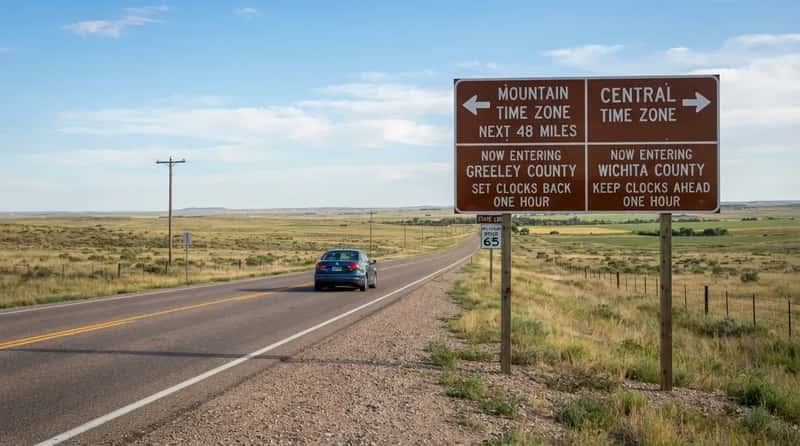
Crossing an unexpected time zone line mid-route has ruined more dinner reservations and hotel check-ins than almost any other travel mistake. Seasoned road trippers confirm time zone boundaries before booking anything for later that day.
Several states have counties sitting in a different time zone than the rest of the state, which catches even experienced travelers off guard occasionally. It’s a quick search that takes seconds but prevents showing up an hour late – or an hour early – to something that actually matters.
19. Dry County Discoveries Happen at the Worst Moment
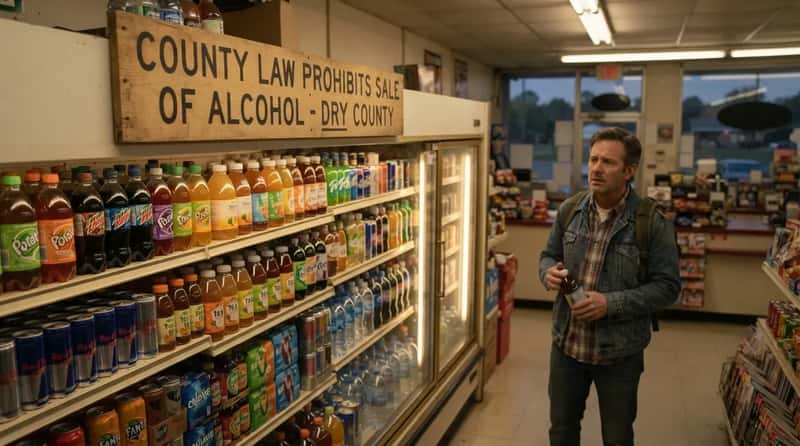
Nothing derails a relaxed evening faster than realizing the town you just settled into doesn’t sell alcohol at all. Seasoned travelers check county alcohol laws before assuming any town will match the last three they passed through.
Dozens of counties across the South and parts of the Midwest remain fully or partially dry, a detail that surprises even travelers who’ve crossed the region before. It’s less about the alcohol itself and more a reminder that assumptions from one town don’t automatically carry over to the next.
20. Toll Roads Ahead Mean a Quick Transponder Check
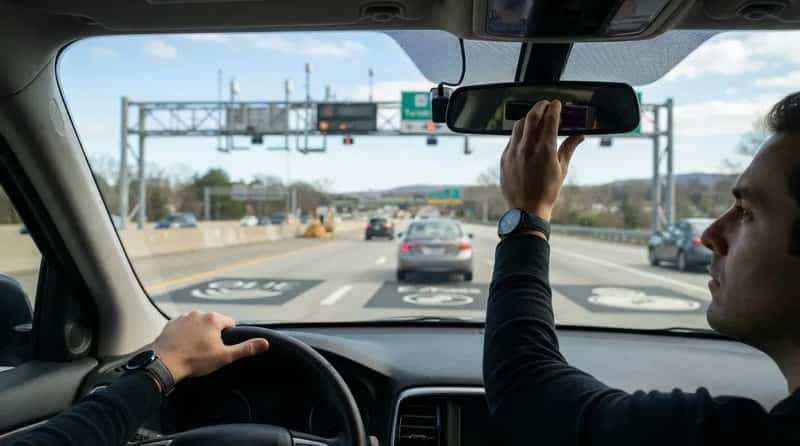
Discovering a toll road only after driving onto it is a common and completely avoidable frustration. Seasoned travelers check the route for tolls before leaving and confirm their transponder actually works in that state’s system.
Toll systems aren’t universal – some regional transponders don’t work everywhere, and rental cars sometimes run separate toll billing systems entirely that drivers don’t realize they’re being charged through. A quick check prevents either a surprise bill weeks later or an awkward cash scramble at a booth that doesn’t take any.
21. The “One Photo” Rule Before Pulling Away
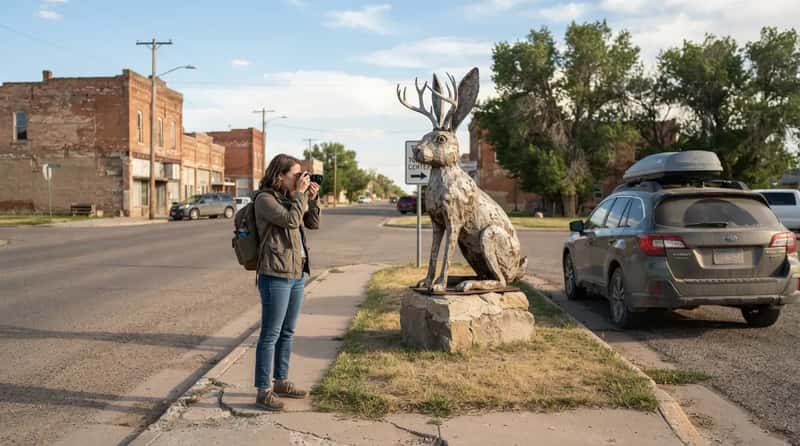
Experienced road trippers have a quiet rule: never leave a town without at least one photo, even if it doesn’t feel like a “photo-worthy” place. The regret of skipping this shows up weeks later, not in the moment.
Small, unremarkable-seeming towns are often the ones travelers wish they’d documented more, precisely because they blend together in memory without a visual anchor. It doesn’t have to be a perfect shot – a diner sign, a mural, a strange roadside statue, anything that marks the stop.
22. They Ask What the Town Is Actually Known For
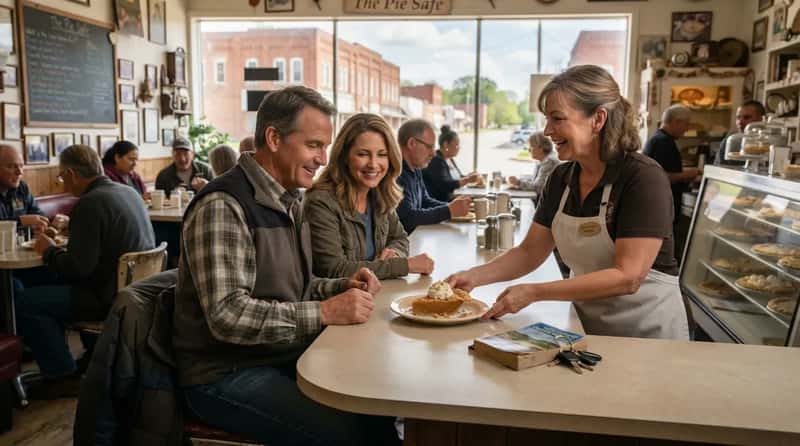
Most unfamiliar towns have one thing – a food, a festival, a piece of history – that locals are quietly proud of but that never shows up in search results. Seasoned travelers ask directly before leaving, rather than trusting an app alone.
Small-town specialties and local landmarks are frequently underrepresented in mainstream travel apps, which lean heavily on review volume rather than actual local significance. This single question has led experienced road trippers to detours that became the best part of the entire trip.
23. Trash Gets Packed Out, Not Left Behind
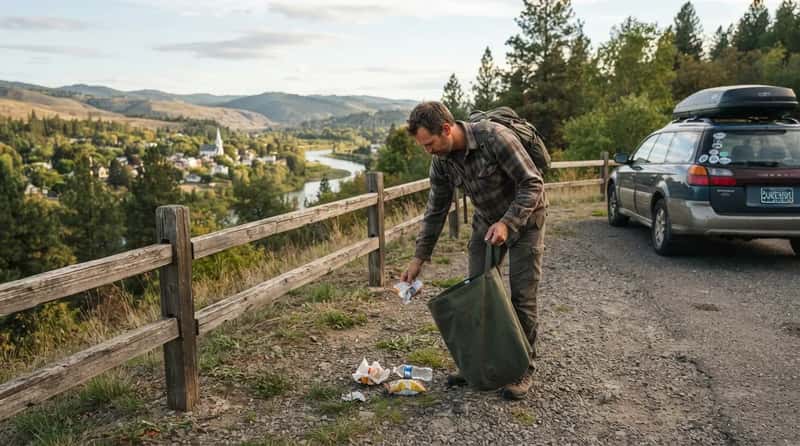
Leaving fast food wrappers or empty bottles in a parking spot might feel harmless, but seasoned travelers treat every stop like it should look untouched when they leave. This one is less about rules and more about a quiet respect experienced road trippers hold onto.
Small towns often have limited public trash service, and litter left by visitors becomes a local resident’s problem, not a stranger’s. It’s one of the more openly discussed frustrations among small-town locals toward road trip traffic, and it’s entirely preventable with a bag kept in the car just for this.
24. Gas Prices Get Compared Before Crossing the Line
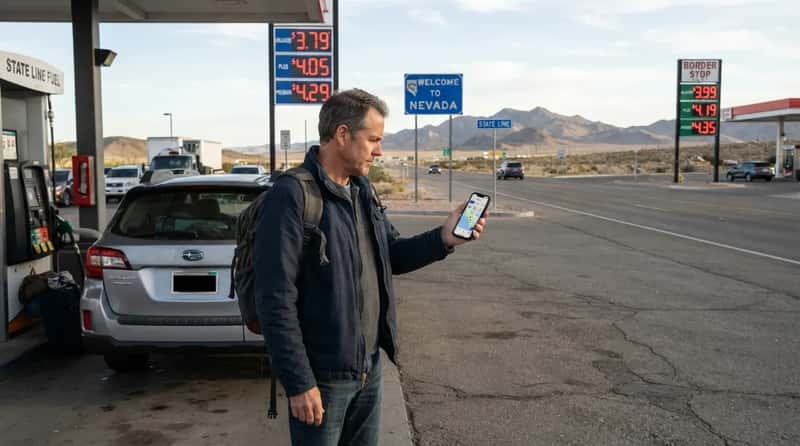
Fuel prices can shift noticeably from one town to the next, especially across state lines, and seasoned travelers check before filling up rather than assuming price consistency. This habit alone can save real money over a long trip.
Gas prices can vary by 20 to 40 cents per gallon within just a few miles, particularly near state borders where fuel taxes differ significantly. Experienced drivers glance at a fuel price app before committing to a fill-up in whatever town they happen to be passing through.
Quick Compare
- Prices can swing 20 to 40 cents per gallon within just a few miles
- Border towns often show the widest gaps because of differing state fuel taxes
- A thirty-second price-app check beats guessing which side of the line to fill up on
25. Festival Weekends Turn Quiet Towns Into Gridlock
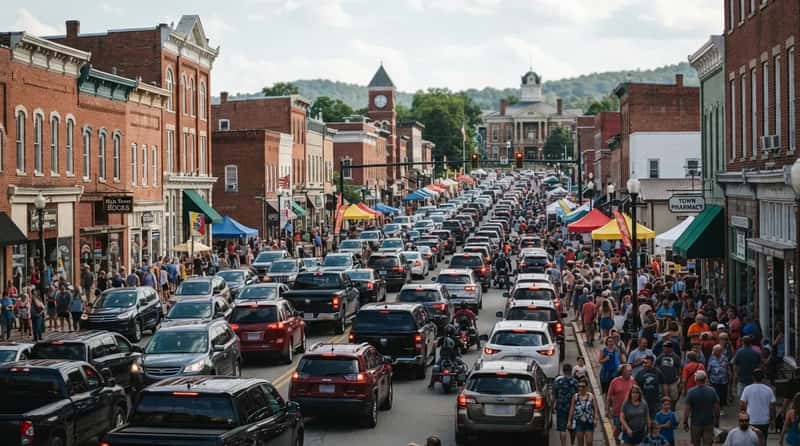
A town that looks sleepy on a map can turn into a traffic nightmare without warning if it happens to host a regional festival that weekend. Seasoned travelers check local event calendars before assuming a quick pass-through will actually be quick.
Small-town festivals can multiply a town’s population several times over for a single weekend, overwhelming parking, lodging, and even fuel supply temporarily. Opinions split hard here – some road trippers insist these surprise festivals turn into the best part of the trip, while others call them the single most disruptive shock on the road.
26. Overnight Parking Signs Get Read Twice
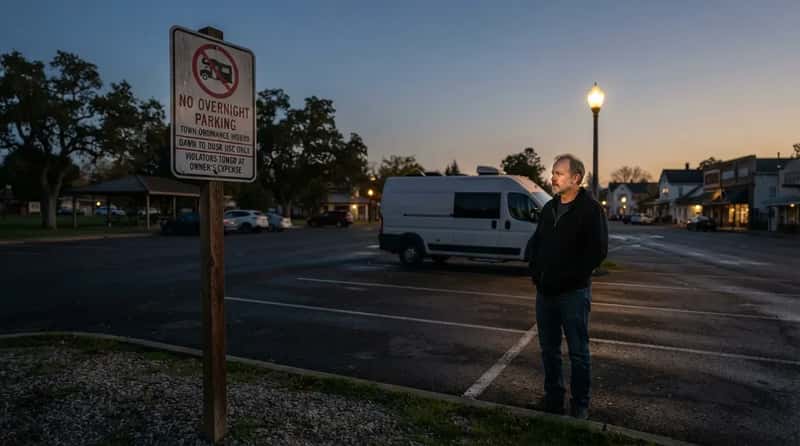
Sleeping in a car or camper van in an unfamiliar town without checking local ordinances is one of the fastest ways to get a knock on the window at 2 a.m. Seasoned travelers read posted signage carefully, twice, before settling in for the night.
Many towns have quietly strict overnight parking bans specifically aimed at discouraging van life and RV travelers, even in lots that look empty and unused. A Walmart parking lot policy in one state doesn’t necessarily hold two states over, and a five-minute check prevents a genuinely unpleasant late-night interruption.
27. They Ask One Local for a Tip for the Next Town
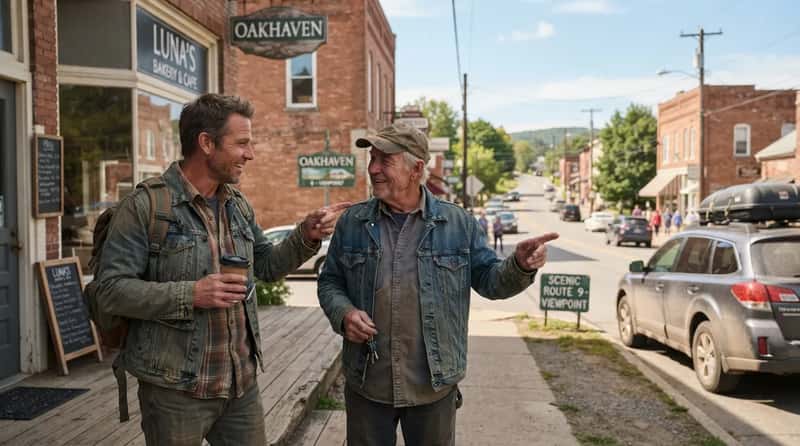
The single habit that separates seasoned road trippers from everyone else isn’t a gadget or an app – it’s a short conversation before leaving. Asking a local for one recommendation for the next stop consistently beats anything an algorithm suggests.
This one question has redirected entire trip itineraries toward places that never would have shown up in a search, and it’s the kind of story that dominates road trip communities swapping tales of their best unplanned detours. It costs nothing, takes thirty seconds, and turns a transactional stop into an actual connection with the place.
None of these habits require expensive gear or years of experience to start doing tonight. They’re small, almost boring confirmations – a fuel gauge, a downloaded map, a saved phone number – that quietly prevent the vast majority of road trip disasters before they ever start. The towns themselves rarely cause the problem; skipping one of these checks usually does.
What’s the one thing you always confirm before leaving a town you don’t know? Drop it in the comments – the next person scrolling through might need it more than they realize.