
Ask anyone with a grandparent born before 1945 what summer used to feel like, and you’ll get the same three words almost every time: station wagon, sparklers, fireflies. That instant, unanimous answer isn’t nostalgia playing tricks – it’s proof that 1950s families weren’t just relaxing in the summer, they were following an unspoken script that millions of households repeated in near-identical form from coast to coast.
What most people don’t realize is how deliberate that script actually was. These weren’t random habits that happened to repeat – they were quiet rituals built by a generation trying to prove, day after day, that a stable, hopeful American life was finally possible. Here’s what the record actually shows about the 29 traditions that built the postwar summer, counted down to the one nobody skipped.
#29 – Sunday Drives That Went Nowhere on Purpose
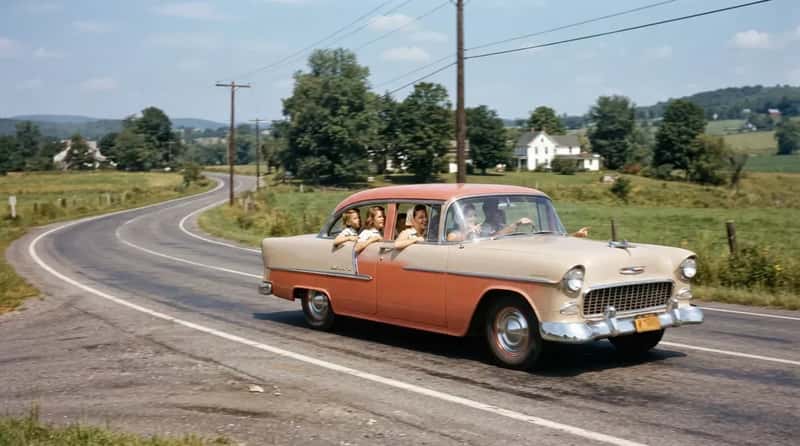
Families piled into the car after church with no destination in mind, and that was the entire point. Dad drove, Mom pointed out farmhouses or new developments, and kids in the back watched telephone poles blur past for an hour or two before turning around and heading home.
It sounds pointless by today’s standards, but the Sunday drive was really a low-stakes performance of togetherness – cheap, unplanned, and requiring nothing except gas and time. Many families treated it as sacred as churchgoing itself, a ritual that quietly reinforced the idea that a family unit did things as one.
#28 – Hand-Cranked Ice Cream That Took All Afternoon to Earn
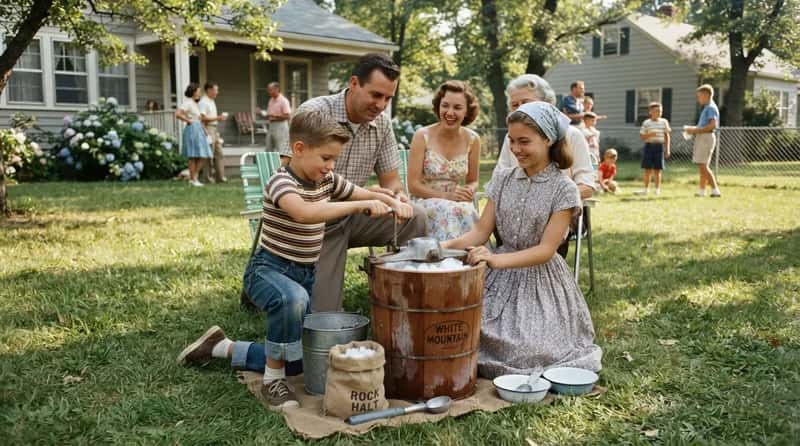
Before anyone could taste a spoonful, someone had to crank. Making hand-cranked ice cream was a top tradition for many 1950s families celebrating summer holidays, and kids took turns on the handle while the mixture slowly froze, treating the labor as part of the reward rather than an obstacle to it.
It seemed to take forever, and got harder as the sweet mixture stiffened, but the adults eventually declared that the family had ice cream. That declaration was a genuine event – the whole yard gathered around the tub, and the first taste always tasted better because everyone had earned it together.
#27 – Catching Fireflies Like It Was a Nightly Job

The moment dusk hit, kids grabbed mason jars with holes poked in the lids and sprinted into the yard on a mission. Catching fireflies wasn’t organized by any adult – it was simply what happened the instant the porch light clicked off and the grass cooled.
Some kids released their catch before bed; others kept a jar glowing on the nightstand until morning, when the magic had usually faded along with the bugs’ energy. It was one of the few 1950s summer rituals that cost absolutely nothing and required zero adult supervision, which is exactly why it became one of the most universally remembered.
#26 – The Vacation Slide Show That Held Neighbors Hostage
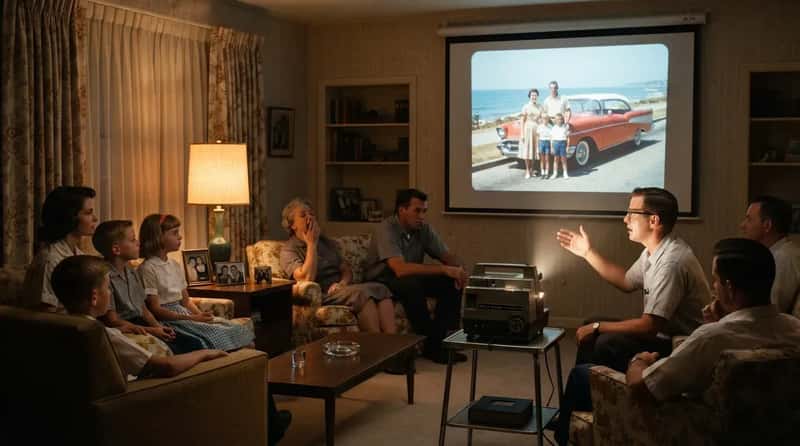
Before phones made photos instant and disposable, a family trip wasn’t finished until it had been formally presented. Dad set up the projector and pulled down the screen, and the family vacation – documented on slide film – got a formal after-dinner premiere in the living room for relatives and neighbors who hadn’t even been on the trip.
He’d narrate each slide in exhaustive detail, whether or not anyone in the room was actually interested. It was tedious for guests and thrilling for the family telling the story – a strange, semi-mandatory ritual that turned a two-week trip into a living-room event that could stretch on for an hour.
#25 – Front Porch Sitting as the Original Social Network
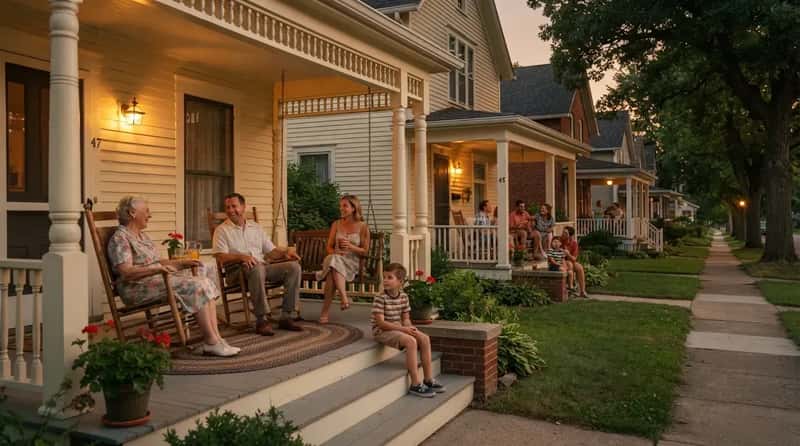
The front porch was the original social media of the 1950s American neighborhood – after dinner, families moved outside to rock, talk, and enjoy the evening air. No one needed an invitation; you simply sat down where your neighbors could see you and started talking.
The architecture did the work, putting families in view of their neighbors at exactly the moment of day when everyone was done working and had nowhere to be. That casual visibility built entire friendships out of nothing more than proximity and timing – something today’s fenced-in backyards were never designed to replicate.
#24 – The Ice Cream Truck’s Jingle That Ruled Every Kid’s Afternoon
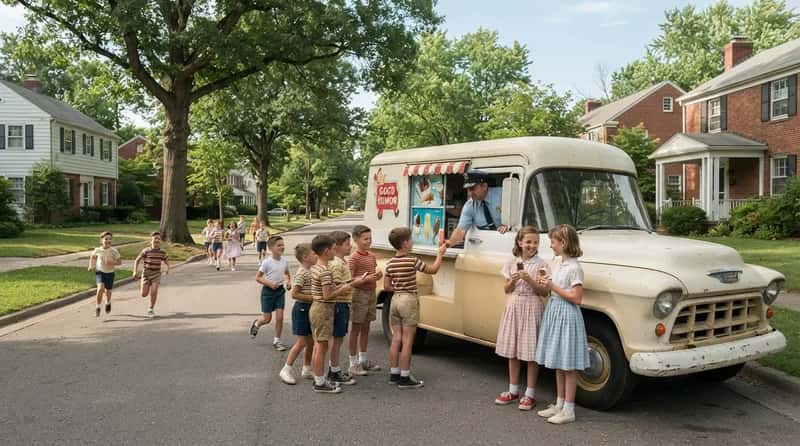
You heard it before you saw it – the tinny, slightly maddening jingle was a Pavlovian trigger for every kid in the neighborhood, prompting them to drop whatever they were doing and sprint inside to beg for change. In the 1950s, the truck ran the same streets at roughly the same time each afternoon, as reliable as the mailman and considerably more exciting.
Missing it by thirty seconds felt like a genuine tragedy, and kids learned to recognize that jingle from blocks away long before the truck itself came into view. It was a small daily ritual that could make or break an entire afternoon.
Fast Facts
- Popsicles and ice cream sandwiches were usually the top sellers, often just a nickel or dime a piece.
- Drivers frequently worked the same route for years, becoming familiar faces to entire blocks of kids.
- Siblings often pooled spare change together just to afford one shared treat.
- The jingle itself, looped all summer, became as recognizable as any pop song on the radio.
#23 – Church Picnics Where Deviled Eggs Were a Blood Sport
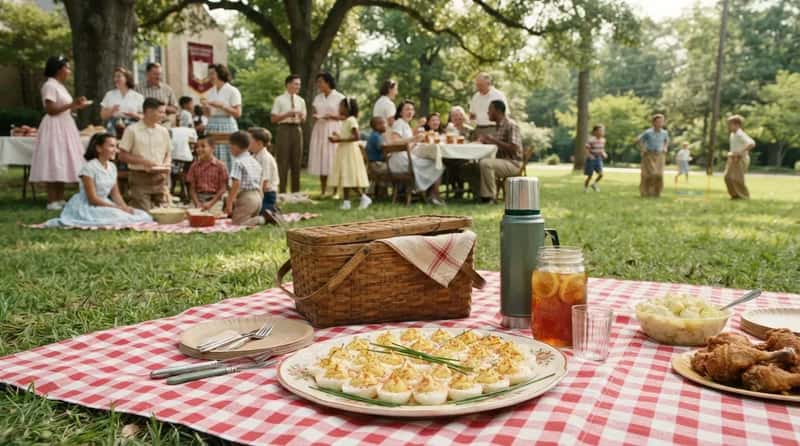
Deviled eggs were arguably the most important picnic food of the decade, and virtually every family had a grandmother whose recipe was treated as a point of honor and never fully written down. Showing up without your batch, or worse, showing up with a mediocre batch, was practically a social risk.
The checkered blanket, the thermos of iced tea, and the wicker basket itself weren’t aesthetic choices made for photos; they were simply how every family did it, every summer. These weren’t casual outings – they were the summer’s real social calendar, disguised as lunch on a blanket.
#22 – The County Fair That Made Rich and Poor Stand in the Same Line
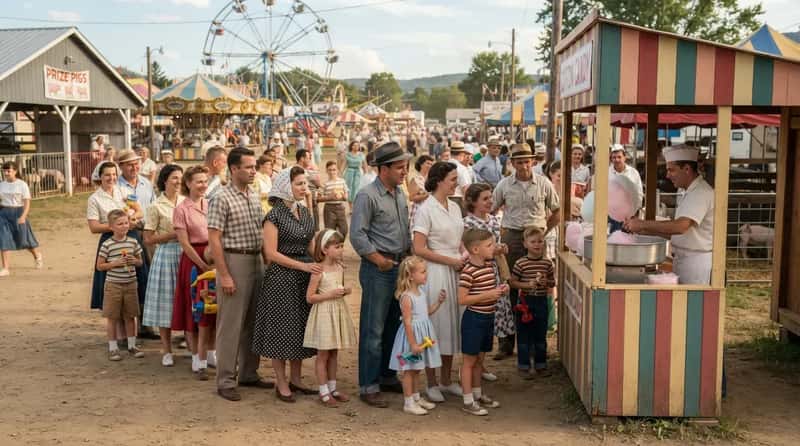
The county fair was the one summer day when the entire social geography of a county collapsed into a single fairground, and that kind of enforced mixing across economic lines is genuinely rarer now. Everyone bought the same ride bracelet and stood in the same line for cotton candy, regardless of what side of town they lived on.
Prize pigs, canning contests, and Ferris wheels shared the same dusty field as families who otherwise never crossed paths. It’s a detail modern fairs have mostly lost – the deliberate, temporary erasure of who had money and who didn’t, if only for one August afternoon.
#21 – Motel Shuffleboard Courts That Turned Strangers Into Friends
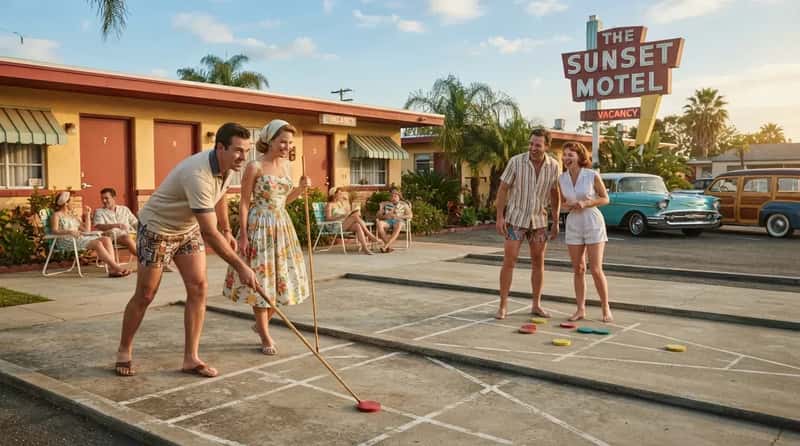
Roadside motels didn’t just offer a bed for the night – many built shuffleboard courts specifically to keep traveling families entertained after dinner. Guests in summer swimwear gathered around the courts, pushing discs with long cues while friendly score disputes broke out.
This simple game became the highlight of lazy evening socializing, turning vacationing strangers into instant friends. Nobody planned these matchups; they simply happened because two families were staying at the same motel and had nothing else to do until bedtime.
#20 – The Howard Johnson’s Orange Roof That Meant You’d Made It
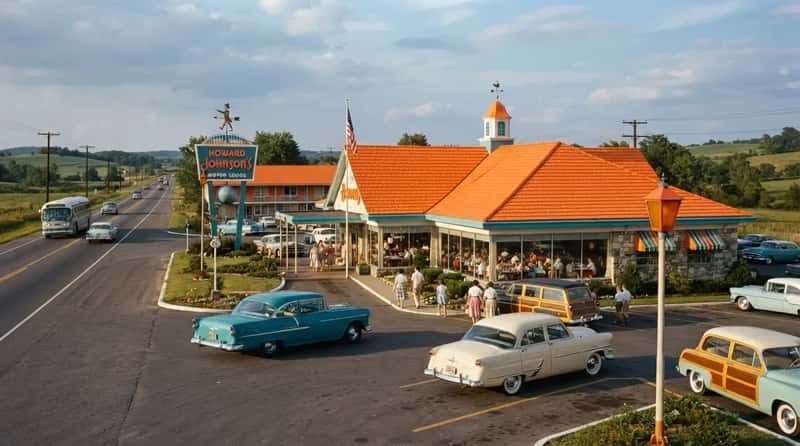
On a long car trip, one landmark meant more than any road sign. Howard Johnson’s was so ubiquitous on 1950s highways that its distinctive orange roof and turquoise trim, visible from half a mile away, promised reliable food and clean bathrooms to exhausted travelers.
By the early 1950s the chain already had 400 restaurants, and at its peak it topped 1,000 locations coast to coast. Families who’d been driving for hours spotted that roof and felt something loosen in their shoulders – a small, reliable moment of relief in the middle of an otherwise unpredictable road trip.
#19 – Camping Trips That Turned National Parks Into Family Rituals
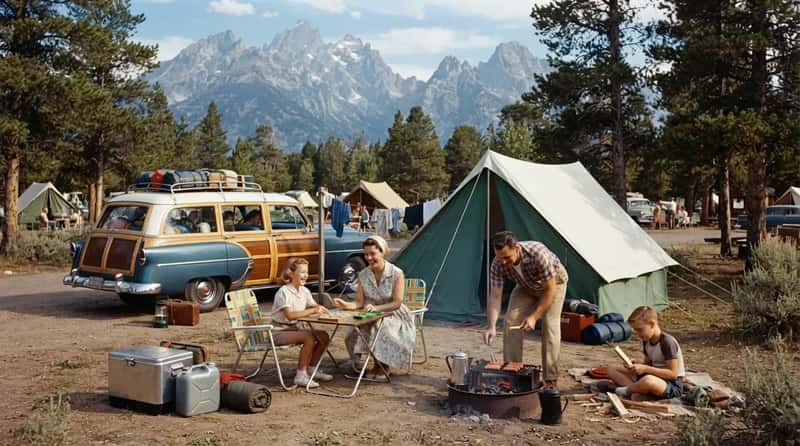
Camping in the 1950s was a decidedly mainstream affair, having become since the end of World War II a broadly popular choice for the summer family vacation. Families crammed tents, coolers, and folding chairs into the station wagon and headed for Yosemite, the Ozarks, or the Tetons.
Touted across the popular press, campgrounds became a prime stage to perform newly idealized family roles, with camping serving as a privileged method for producing the coveted sense of “family togetherness.” It wasn’t about roughing it – it was about proving, in front of other families doing the exact same thing, that yours had it together too.
#18 – Scout Camp Season That Sent Kids Away for Weeks
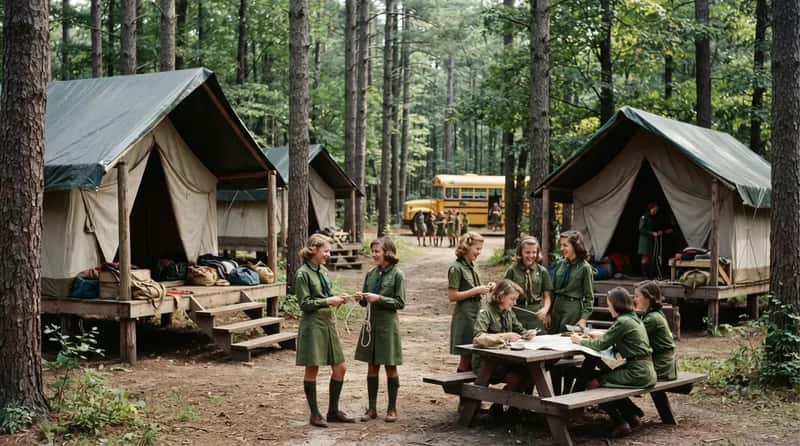
For many kids, summer meant a real send-off: duffel bag packed, name tags sewn in, and a bus ride to weeks of tent living with strangers who’d become friends by the second day. Groups of Girl Scouts arrived to meet their tent mates for eight-week camps, with accommodations raised on stilts above the forest floor and sheltered by a tarpaulin.
By the 1950s, older Girl Scouts had the opportunity to take part in deep-woods camping adventures, involving cooking and sleeping in the wild and learning to navigate by compass. Coming home from camp with a suntan, new skills, and a stack of letters to old bunkmates was its own kind of summer milestone – one that had nothing to do with parents at all.
#17 – Backyard Barbecues Where the Whole Block Showed Up Uninvited
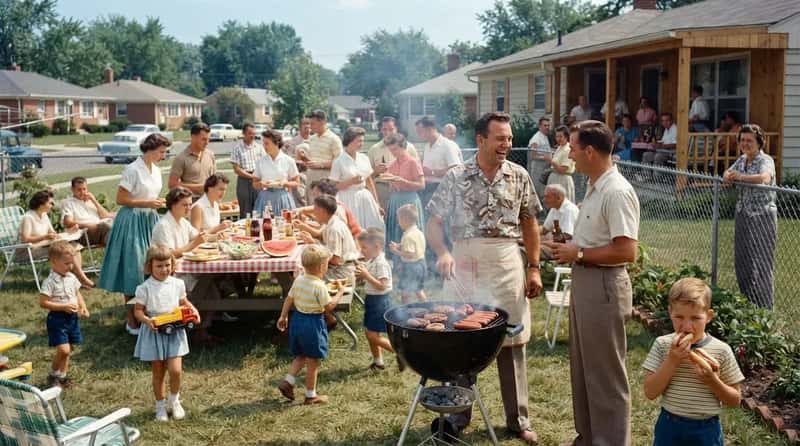
Backyard barbecue culture coincided directly with the baby boom, with roughly 4 million babies born per year in America at the decade’s peak, meaning yards were suddenly full of children who needed somewhere to go. The cookout skyrocketed in popularity partly because Americans had more money to spend and partly because nearly every new suburban home came with a backyard and a grill.
The 1950s backyard barbecue wasn’t a private family event; it was a social act, an extension of porch culture and close-knit suburban streets. Nobody needed a formal invitation – the smell of charcoal drifting over a fence was invitation enough.
At a Glance
- Charcoal briquettes became a suburban staple as backyard grilling exploded in popularity.
- New tract homes were often built with a patio and grill space already in mind.
- Neighbors typically brought a side dish rather than waiting for a formal invitation.
- An over-the-fence “come on over” often carried more weight than a written invite ever could.
#16 – Bike Parades Where Losing Still Felt Like Winning
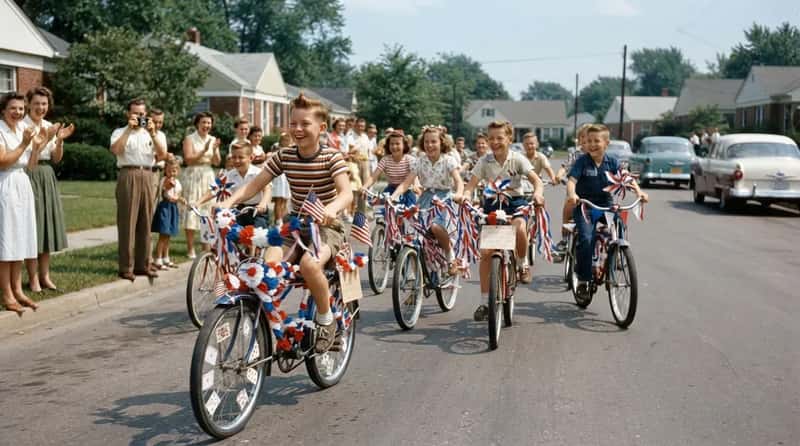
Kids spent an entire morning wrapping their bicycles in crepe paper, playing cards in the spokes, and threading red-white-and-blue streamers through the handlebars before pedaling down the street in a makeshift procession. Some towns handed out a small prize for the best-decorated bike, but most kids competed for pure pride.
Parents lined the curb with cameras, and the whole event usually lasted less than fifteen minutes – a tiny, homemade parade that mattered enormously to the ten-year-olds riding in it. It was DIY patriotism, organized by nobody and beloved by everybody under age twelve.
#15 – Main Street Parades That Felt Like a Debt Being Repaid
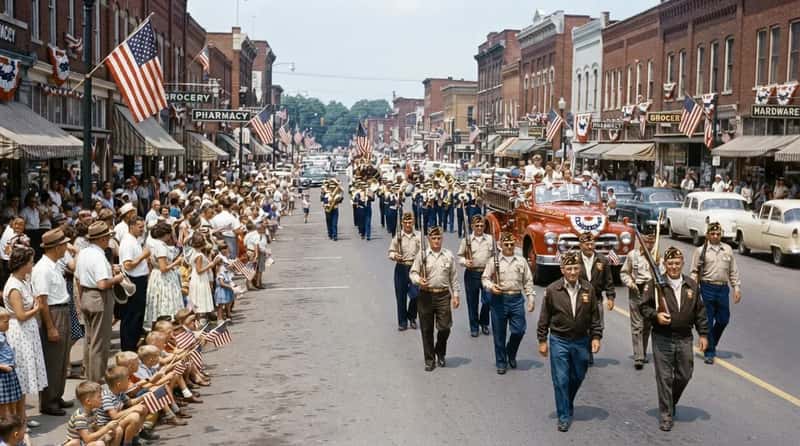
The Fourth of July parade was non-negotiable in 1950s America, with families lining Main Street two hours early to claim a good curb spot, watching fire trucks, veterans’ groups, high school bands, and floats roll past. It was treated as a civic communion, not an optional outing.
The veterans marching down those small-town main streets had marched in real formations not long before, and the patriotism wasn’t performative – it was earned, recent, and personal. Kids watching those parades were often watching their own fathers and uncles walk past, which gave the ritual a weight that later decades of parades struggled to recreate.
#14 – Backyard Fireworks Lit by Dad, No Permit Required
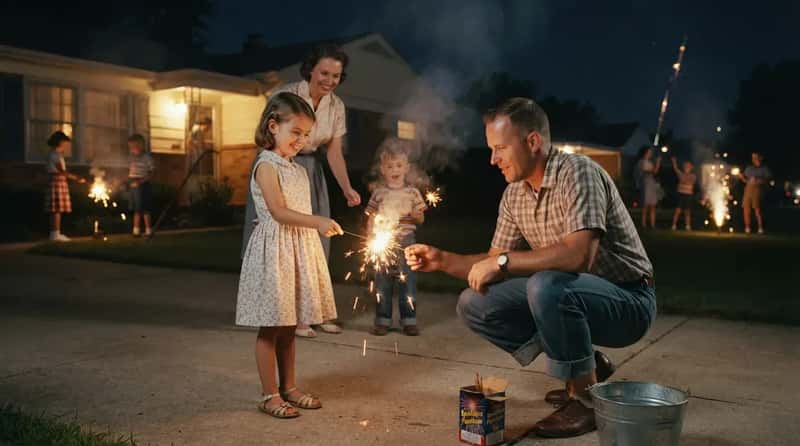
Before most municipalities tightened restrictions, backyard fireworks were a genuine 1950s tradition, with families lighting fountains, snakes, and bottle rockets right there on the driveway while neighbors coordinated loosely. Sparklers were the entry-level version, cheap enough for every family to afford and just dangerous enough to require Dad’s involvement, which made them feel ceremonial rather than routine.
An entire suburban block could light up in succession after dark, each family contributing to an amateur collective display nobody organized but everyone enjoyed. The smell of sulfur was as fixed a part of the holiday as the parade that morning.
#13 – The Station Wagon That Announced Your Family to the Neighborhood
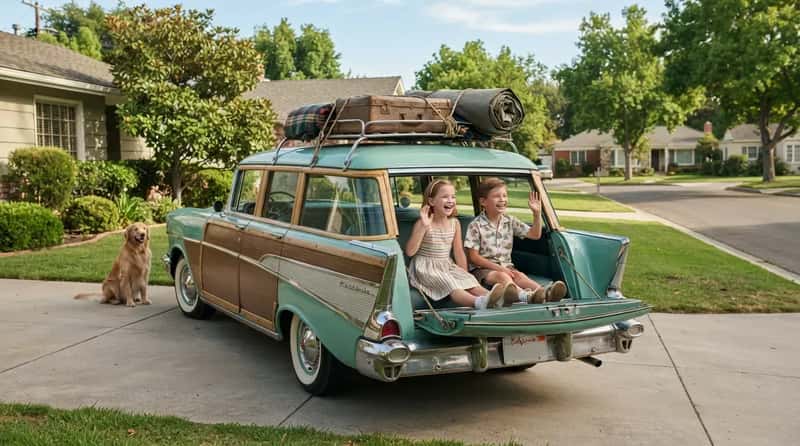
The station wagon wasn’t just a vehicle – it was a statement of family identity, announcing that you had children, that you took vacations, and that you required the cargo space to do both simultaneously. The wood-panel detailing was a genuine styling feature owners took pride in, and the car was the undisputed symbol of postwar American family ambition.
Kids rode in the rear-facing back seat with no seat belts, watching the highway disappear behind them – a perspective on travel that current minivan passengers simply don’t experience. You watched where you’d been instead of where you were going, a strangely reflective way to spend a childhood road trip.
#12 – Drive-In Double Features That Cost Less Than One Movie Ticket
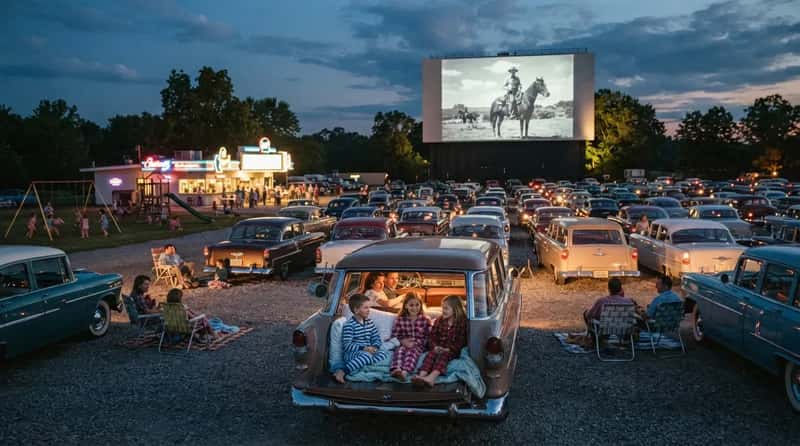
The 1950s was undeniably the decade of the drive-in, and at its peak roughly 4,000 drive-ins were scattered across the country. You paid per car, not per person, meaning a family of five could watch a double feature for the price of a single adult ticket at an indoor theater – math that made it the democratic entertainment of the decade.
Kids in pajamas, watching a movie from the back of a station wagon, would fall asleep before the second feature and get carried inside without waking – a memory so universal among Boomers it functions as generational shorthand. Many drive-ins even added playgrounds, miniature golf, and amusement rides to pull families in earlier in the evening.
Quick Compare
- Drive-in: one price per carload, double feature included, kids often already in pajamas.
- Indoor theater: one price per ticket, single feature only, dressing up expected.
- Drive-in: playgrounds and mini-golf often built right onto the lot.
- Indoor theater: no outdoor space, strict seating, no talking allowed.
#11 – Amusement Park Days Measured in Tickets, Not Dollars
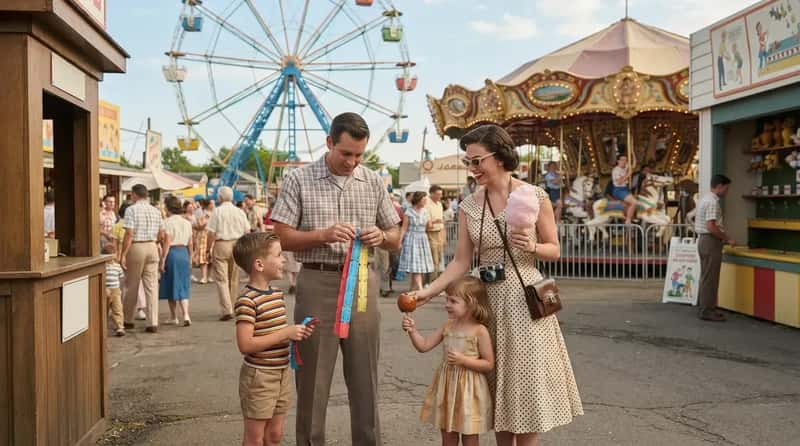
Ferris wheels painted slow circles against summer skies while carousel music filled the air, and families clutched paper tickets and cotton candy, mapping out strategies to ride everything before sunset. Rides weren’t paid for individually with cash; you bought a strip of tickets and tore them off one by one, which turned budgeting into a family negotiation all its own.
Dad won stuffed animals at shooting galleries while Mom captured memories with her camera, and the scent of popcorn and caramel apples drifted through happy crowds. A single park visit could stretch into an all-day event, with the ticket strip acting as a countdown clock for how much fun was left.
#10 – Beach Trips Packed Like a Military Operation
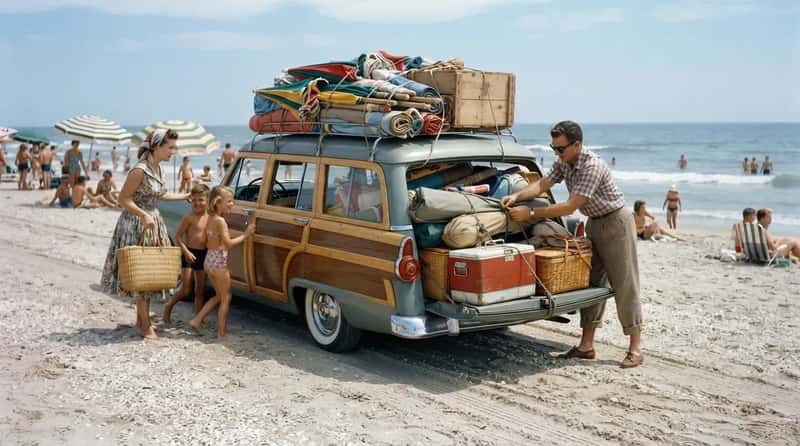
Families loaded wooden station wagons with colorful umbrellas, metal coolers, and enough sandwiches to feed a small army, while Mom spent weeks planning and Dad checked the car’s oil twice. Packing wasn’t a casual afternoon – it was a genuine logistics operation, treated with the seriousness of a much longer expedition.
The trunk might not close on the first try, but somehow everything essential, and then some, made it in. That over-preparation was part of the tradition itself; showing up under-packed for a beach day was practically a family embarrassment.
#9 – The Community Pool Where Everyone Learned to Swim the Same Way
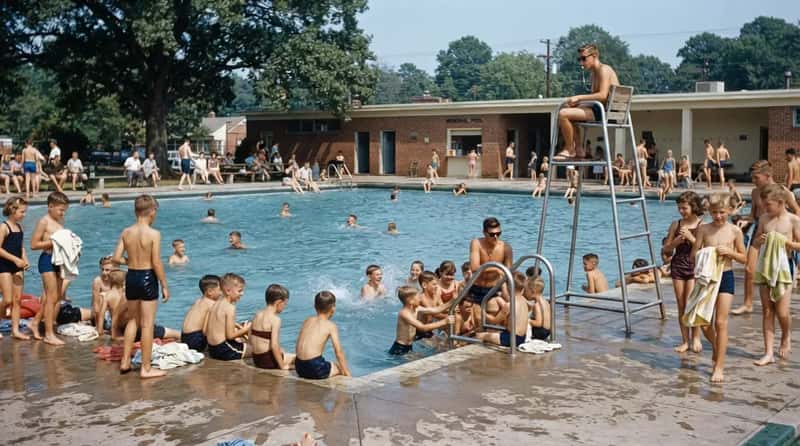
Summer afternoons at the local pool captured leisure in equal measure, with swimmers showing off new bathing suits while lifeguards kept watchful eyes from their high perches, and the cement deck burned bare feet – but nobody minded. Nearly every town had one central pool, which meant almost every kid in the area learned to swim in the exact same water, under the exact same whistle.
Swim lessons were often a rite of passage handed out by the same handful of teenage lifeguards year after year. That shared experience – same pool, same rules, same smell of chlorine and sunscreen – bonded entire neighborhoods of kids who otherwise had little else in common.
#8 – Flying That Required Your Sunday Best
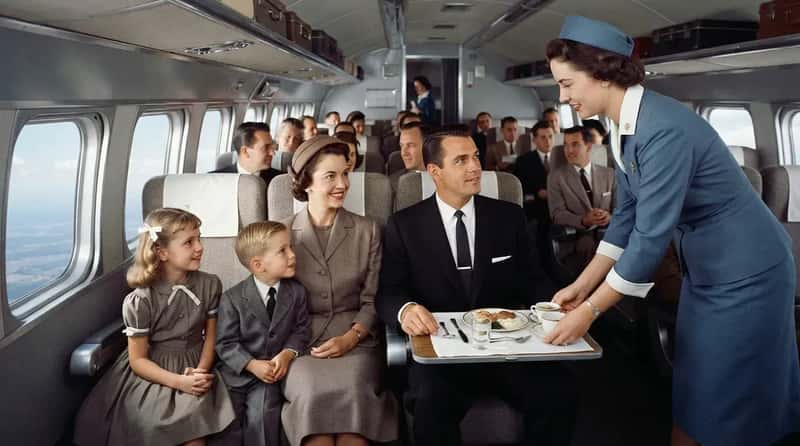
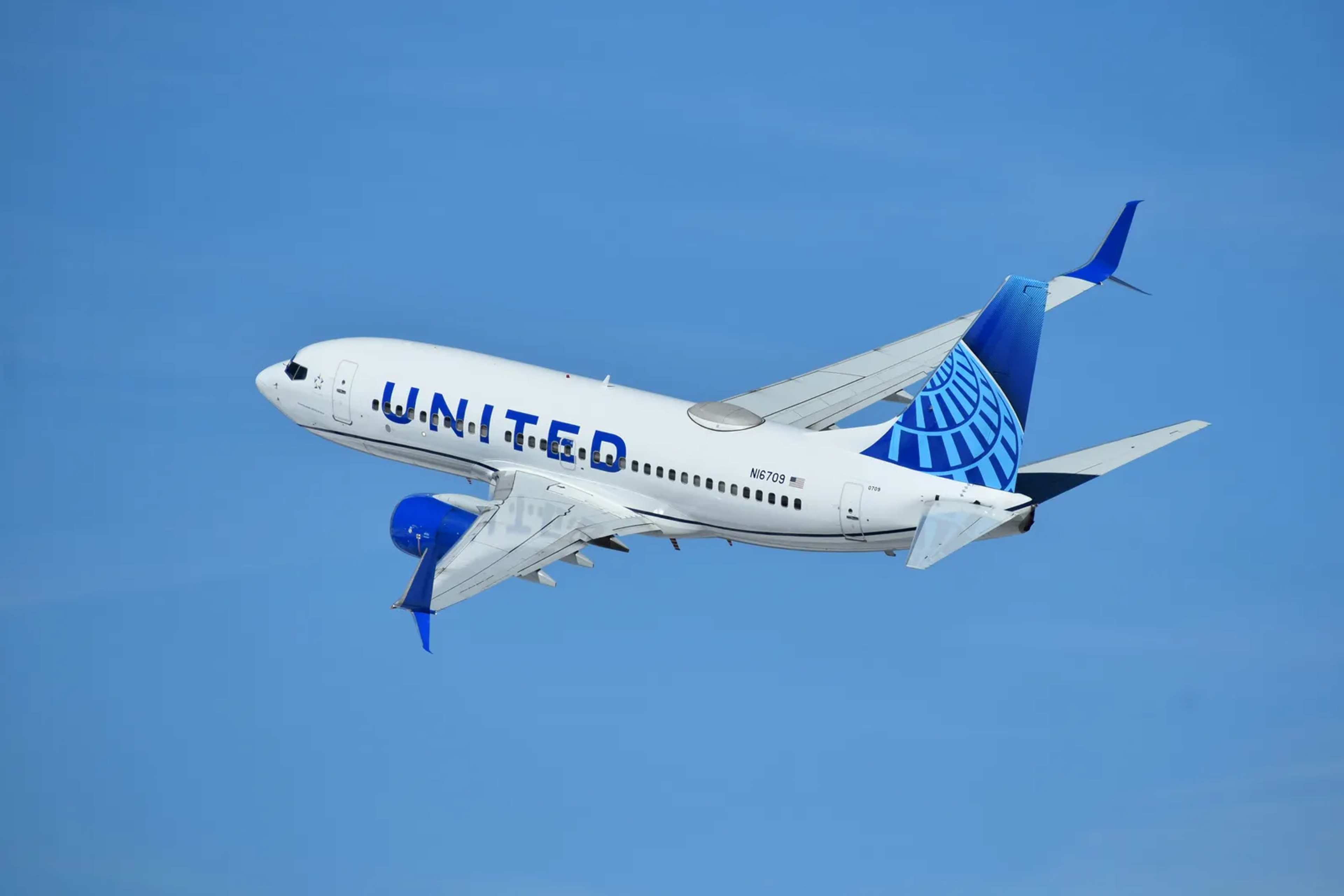
Sleek aircraft promised modern adventure in 1950s style, and travelers dressed in their finest suits and dresses, treating each flight as a special occasion, while stewardesses served meals on real china. Air travel wasn’t yet an everyday errand – it was rare enough that families dressed up for it the way they would for church.
Flying represented the height of sophistication, turning ordinary travelers into jet-setters for a single afternoon. For most middle-class families, though, this remained an occasional treat rather than a summer default – the car and the station wagon still did the real work.
#7 – Lemonade Stands That Taught Kids Their First Business Lesson
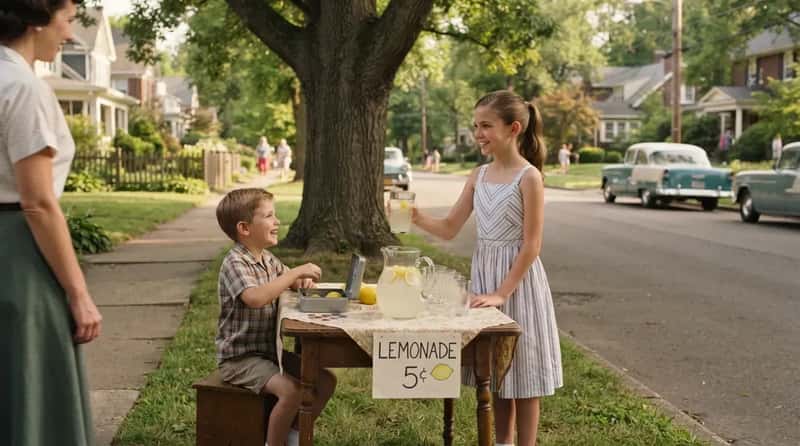
A card table, a pitcher, and a hand-lettered sign were all it took to open shop on the curb. Kids priced their lemonade by feel rather than math, learned quickly that shade mattered more than signage, and discovered that a smiling face sold more cups than a loud one.
Parents rarely helped beyond supplying the sugar and the pitcher, which meant the profits – usually a few coins – belonged entirely to the kids who earned them. It was a tiny taste of independence disguised as a summer afternoon activity, and it taught a generation their first real lesson in supply, demand, and heat.
Worth Knowing
- Prices were usually set at a penny or nickel a cup, adjusted purely by trial and error.
- Shade and a friendly face at the table mattered more to sales than a busy street corner.
- Parents supplied the sugar and pitcher but almost never touched the profits.
- Many kids reinvested their earnings into more lemons and cups the very next weekend.
#6 – Roller Rinks and Sock Hops That Doubled as Courtship
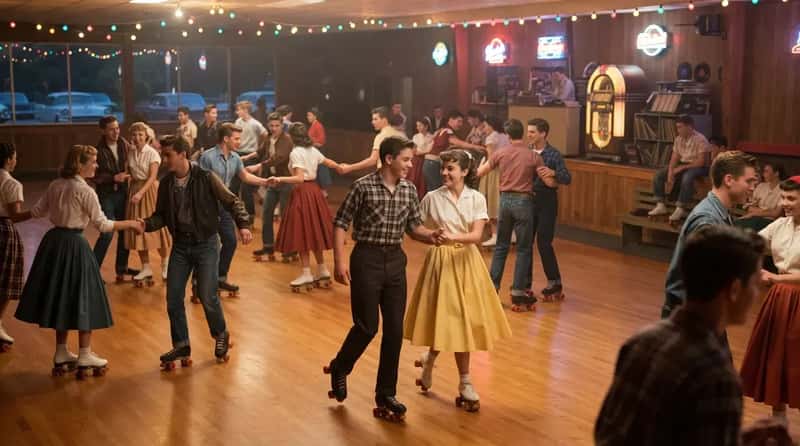
Local roller rinks turned into informal courtship venues once the sun went down, with teenagers circling the floor to a jukebox soundtrack while parents waited outside in the car. Boys asked girls to skate the “couples only” song, and getting asked was its own small social event worth discussing at school the next day.
Sock hops followed the same pattern indoors – shoes off, records spinning, chaperones nearby but not too close. These weren’t just dances; they were the primary place where teenage social rank got quietly sorted out, one Saturday night at a time.
There was no such thing as a lazy summer. There was only the next thing on the schedule everyone somehow already knew.
Common recollection shared among Baby Boomers describing 1950s summers
#5 – Sprinkler Afternoons That Cost Nothing and Lasted All Day
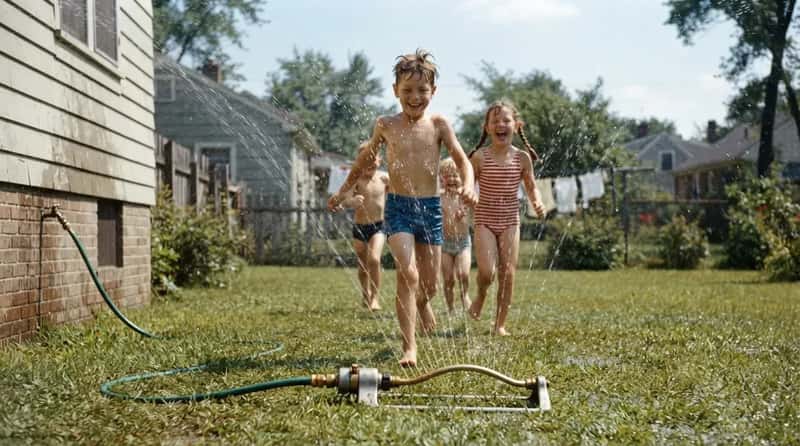
A garden hose and a metal sprinkler head were the entire entertainment budget for an afternoon, and kids treated running through the spray like a full-contact sport. No planning was involved – someone simply turned on the spigot and word spread down the block within minutes.
Wet grass, bare feet, and popsicle drips were the standard uniform of a July afternoon. It required no admission fee, no adult supervision beyond someone occasionally yelling to turn the water off, and it remains one of the cheapest, most universally shared traditions of the entire decade.
#4 – Listening to the Ballgame Because the TV Wasn’t On Yet
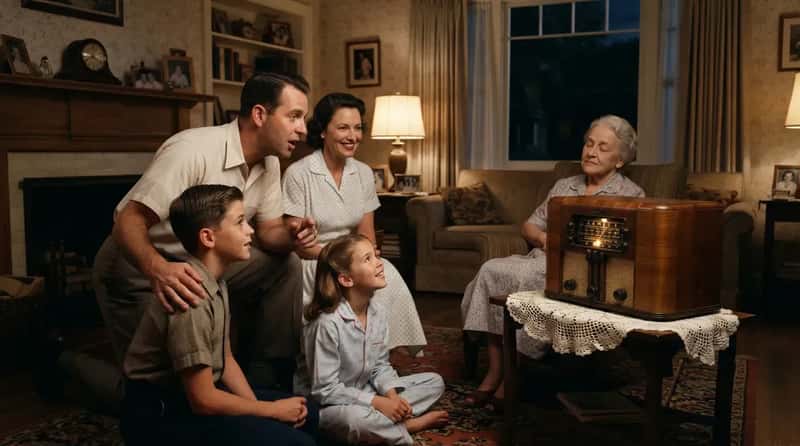
In the early part of the decade, before television sets became common in every living room, families gathered around the radio to follow a summer ballgame together, with Dad often narrating plays that were already obvious from the announcer’s voice. It was a shared listening experience rather than a shared viewing one, which somehow made the imagined action feel more vivid.
As televisions spread through the decade, the ritual shifted to the living room, but the gathering itself stayed the same – everyone in one room, focused on one game, for one evening. Either way, baseball on a summer night was treated as a family event, not background noise.
#3 – Family Reunions Where Nobody RSVP’d, They Just Came
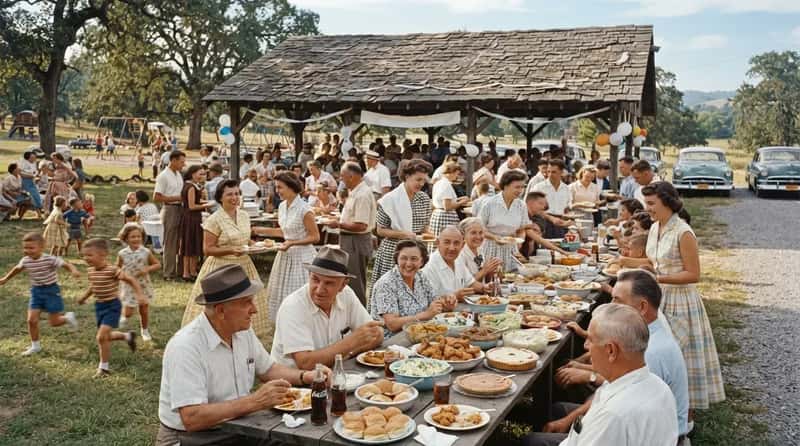
Extended families gathered at a grandparent’s farm or a shared park pavilion once a summer, and nobody needed a formal invitation – the date was simply known, passed along by word of mouth and repeated every year. Cousins who barely spoke the rest of the year picked right back up within minutes of arriving.
Tables groaned under potluck dishes nobody had assigned, and the same handful of relatives always ended up telling the same stories. It was chaotic, loosely organized, and utterly reliable – a tradition that ran on memory and habit rather than planning.
#2 – Screen Doors and Box Fans That Made Summer Nights Bearable
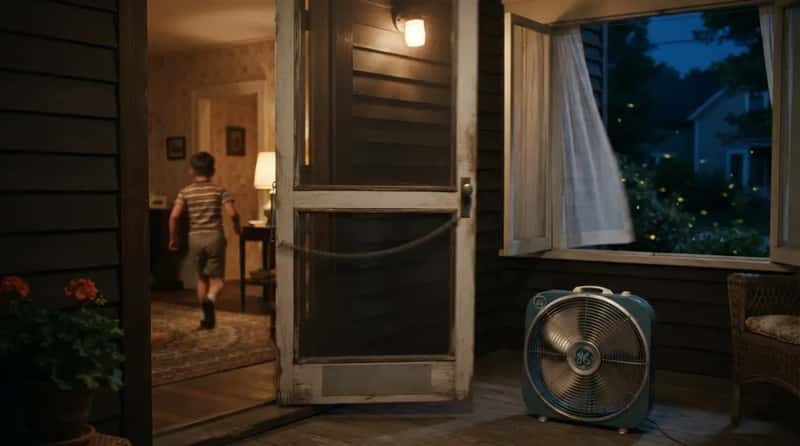
Before central air conditioning reached most households, summer nights were survived with an open window, a box fan angled just right, and a screen door that slammed shut behind every kid running in and out all evening. That slamming sound was practically the soundtrack of a 1950s summer night.
Families slept with windows open, listening to crickets and the occasional distant car, in a way that later decades of sealed, air-conditioned houses quietly eliminated. It wasn’t comfortable by modern standards, but it kept families connected to the sounds of their own neighborhood after dark.
#1 – Sunday Supper, the One Rule Nobody Broke
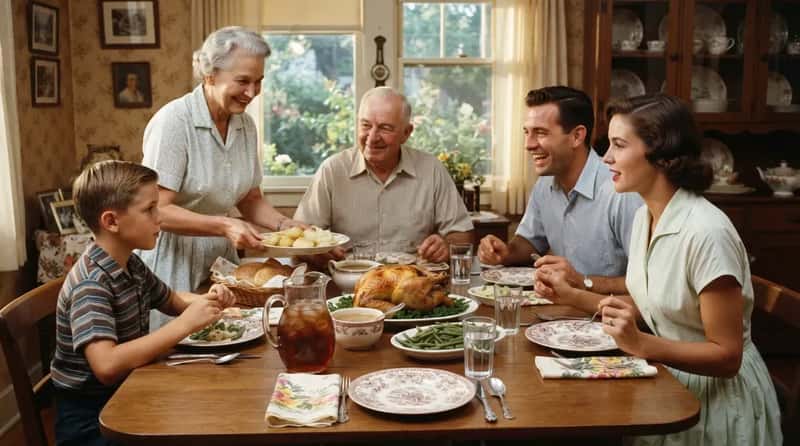
You can’t talk about the 1950s without talking about the evening meal – it was a point of pride to sit down together, where you made conversation, taught your children manners, and reconnected after a long day. Every other tradition on this list could bend or skip a year. Sunday supper almost never did.
Families kept a schedule, and dinner was at a set hour, functioning as a source of stability that people could count on no matter what else was happening that week. It wasn’t fancy, and it wasn’t optional – it was simply the anchor that every other summer tradition on this list was built around.
None of these traditions survived by accident, and most of them didn’t survive at all in their original form – the drive-ins closed, the porches emptied, the slide projectors went into attics. What stayed constant across all 29 was the underlying instinct: families in the 1950s treated ordinary summer moments as worth protecting on purpose, not just living through by default.
That’s the part worth borrowing now, decades later, long after the last slide projector stopped clicking. Which of these traditions did your family still keep alive, and which ones do you wish had never disappeared? Drop your answer in the comments.