Getting through airport security can feel like navigating a minefield. You’ve checked in, you’ve printed your boarding pass, and now you’re standing in line wondering if you’ve forgotten something crucial. Even seasoned travelers occasionally stumble at checkpoints, triggering bag searches, pat-downs, or worse. Let’s be real, the rules have been around for decades, yet people still make the same mistakes over and over again.
Here’s the thing. Small oversights can snowball into major delays, missed flights, and even fines. What are the three biggest blunders travelers make, and how can you avoid them?
Forgetting to Remove Belts and Shoes
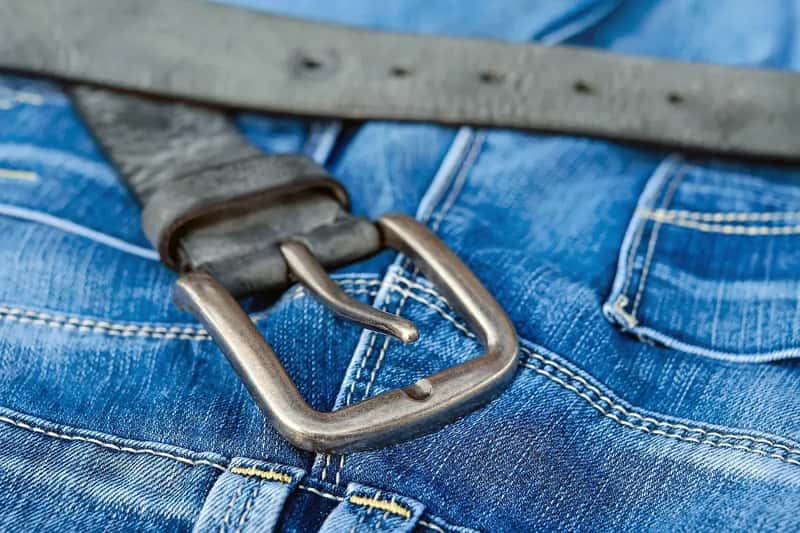
Taking off your belt and shoes has been a TSA rule for more than twenty years, yet it remains the most common mistake, with roughly one in four poll respondents admitting they’ve done it. It sounds almost absurd. How can something so simple still trip up so many passengers?
The reality is that airports are stressful environments. You’re juggling bags, tickets, phones, maybe a coffee. When the line surges forward, you shuffle along on autopilot. When you forget to take off your belt and shoes, TSA agents will send you back to grab another plastic bin and place your items in it, and then make you go through the whole process again. That’s not just your time wasted. Everyone behind you now has to wait.
Think about the domino effect. You hold up the line. Other travelers get annoyed. TSA agents have to pause the conveyor belt. What could have been a smooth five-minute checkpoint experience turns into fifteen or twenty. Honestly, I think we’ve all been that person at least once, standing there sheepishly while the officer waves us back.
Leaving Phones, Keys, and Wallets in Your Pockets

This mistake shares the top spot on the survey, with another twenty-eight percent of travelers fessing up to forgetting to put these items in the plastic bins before attempting to walk through the full body scanner. Scanners are designed to detect both metallic and non-metallic items that could be threats. Unfortunately, your everyday pocket contents can set them off.
The most frustrating part? You probably remember to empty your pockets at the gym or before jumping into a swimming pool, but somehow the airport scrambles your routine. The most common mistake is procedural laziness, where travelers reach the bins with pockets full of coins, keys, and bulky items, then try to empty everything while standing in the only spot that cannot handle pauses. You’re blocking the flow. Other passengers are stacking up behind you like planes on a runway.
Metal detectors and body scanners don’t distinguish between a smartphone and something more sinister. They just beep. Then comes the secondary screening, the pat down, the questions. It’s uncomfortable, time-consuming, and entirely avoidable. Empty your pockets before you even reach the conveyor belt, and you’ll breeze through without the drama.
Packing Prohibited Items in Carry-On Bags
During 2024, TSA intercepted a total of 6,678 firearms at airport security checkpoints nationwide, with approximately ninety four percent of these firearms loaded, a slight decrease from the 6,737 firearms stopped in 2023. Yes, you read that right. Thousands of guns, most of them loaded, showed up in carry-on luggage. According to TSA officials, the majority of people forget they have an item in their bag, and one tip is to empty your bag before you start packing for a flight.
Firearms are the extreme example, but prohibited items come in all shapes and sizes. Water bottles weighing more than 3.4 ounces are among the most surrendered items, as any liquids or gels in containers larger than this size cannot be in carry ons but can be placed in checked bags, and knives of all kinds are also frequently confiscated because they are not allowed in carry ons but can be packed in checked bags if blades are sheathed or securely wrapped. Even everyday objects like pocket knives, scissors, and multi-tools can trigger a bag search.
TSA officers encounter prohibited items daily at the security checkpoint, and each discovery slows down the security screening process for all travelers. When your bag gets flagged, the line stops. Officers pull your bag aside, open it up, and start digging. You stand there awkwardly while everyone watches. It’s stressful, embarrassing, and easily prevented by checking the TSA website before you pack.
Why These Mistakes Still Happen
You’d think after years of heightened security, these errors would vanish. Yet they persist. Why? Stress plays a huge role. There is nothing more stressful than trying to cut the security line to avoid missing your flight, and it is much easier to make mistakes when you are stressed. People arrive late, sprint to the checkpoint, and forget the basics.
There’s also complacency. Frequent flyers sometimes operate on muscle memory from airports with different equipment or procedures. Checkpoints vary by airport, equipment, and lane, which is where people get tripped up, as a small mistake can trigger a bag search, a rescan, or an ID delay that snowballs into missed boarding. What worked at one airport might not fly at another, literally.
Honestly, part of the problem is that we’re all in a hurry. Nobody wants to spend an extra minute at security. So we rush, we assume, and we pay the price. Slowing down by just thirty seconds todouble-checkk your pockets and bags can save you ten minutes of hassle later.
Avoiding the Trouble
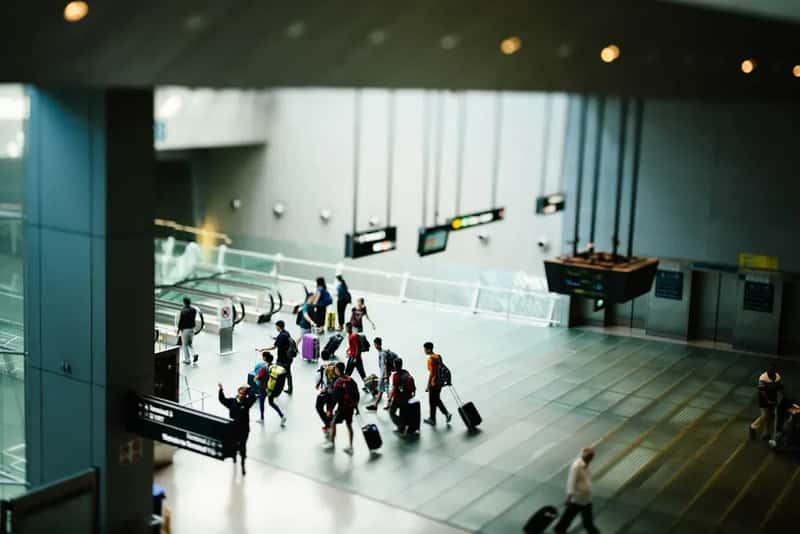
The good news? These mistakes are entirely preventable with a bit of preparation. For domestic flights, give yourself at least two hours from your departure time to check your bags and navigate through TSA checkpoints, and for international flights, allow three hours. Arriving early removes the panic that causes forgetfulness.
Before you even leave home, check the TSA website or use their mobile app to confirm what’s allowed. A list of 494 items detailing what is permitted and forbidden in carry-ons and checked bags is available at the TSA website, and there is also a phone application available. When in doubt, pack it in your checked luggage or leave it at home.
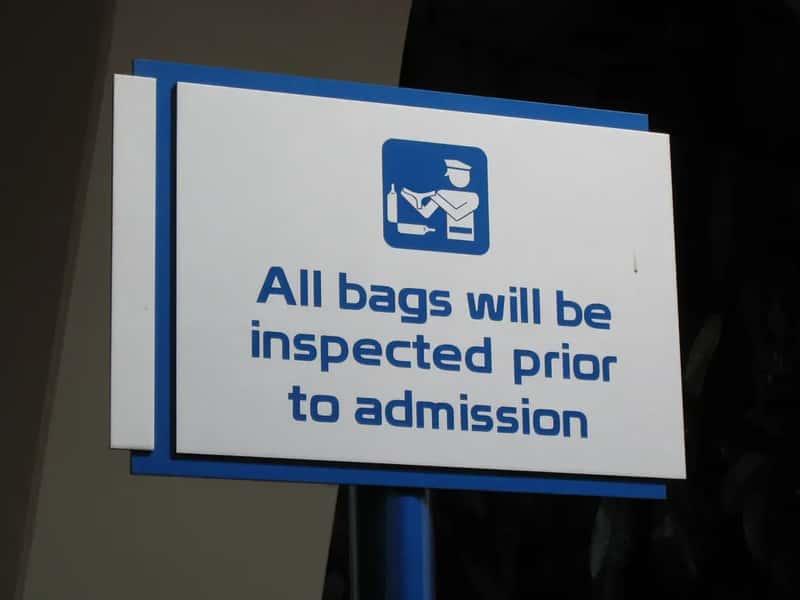
At the checkpoint itself, watch what other passengers are doing. Follow the signs. Listen to the TSA officers. Security runs on local instructions, not internet tips, and a traveler who watches the signs and mirrors the person in front of them moves faster than someone who insists last month’s airport proved a universal rule. Take a breath, empty your pockets into your bag before you reach the bins, and keep prohibited items out of your carry-on. It really is that simple.
What would you add to this list? Have you ever made one of these mistakes? The checkpoint doesn’t have to be stressful if you plan and stay alert.