Ever wondered what it would feel like to wake up to sunshine every single day of the year? Or maybe the opposite strikes your curiosity: living in a place where the sun barely makes an appearance? The world offers both extremes in fascinating ways. Some countries bask in perpetual warmth, their climates more stable than your favorite playlist, while others exist in near-constant gloom, where daylight is a precious commodity rationed by the seasons. Let’s explore these contrasting corners of our planet.
Singapore: The Tropical Furnace That Never Cools Down
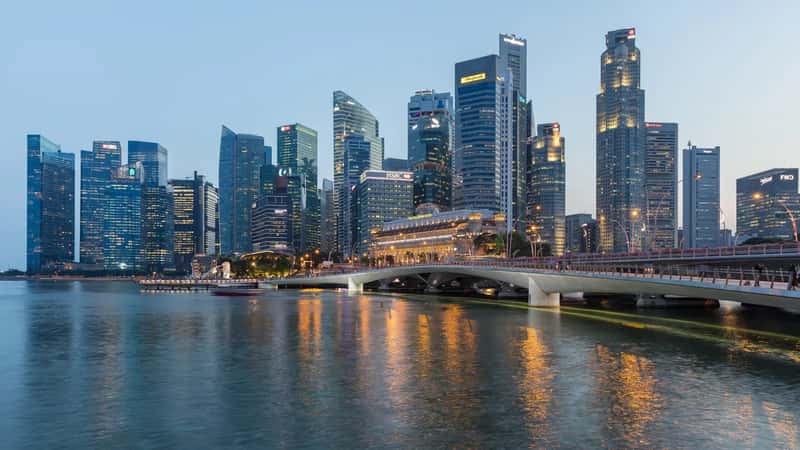
Imagine a place where checking the weather forecast becomes pointless because tomorrow will feel exactly like today. Welcome to Singapore. The average annual temperature is 26.7 degrees Celsius (80.1 degrees Fahrenheit), and here’s the kicker: average monthly temperatures vary by 1.8 °C (3.2°F).
This city-state sits practically on the equator, so it experiences what climate experts call a tropical rainforest climate. April was the warmest month in Singapore in 2024, with a mean temperature of 29.4°C that was 1.2°C above the long-term average and tied with 2016 as the warmest April on record. The sun here doesn’t play favorites with the months.
With only minimal temperature fluctuations, the average year-round maximum temperatures range between 30 and 33 degrees Celsius and average minimum temperatures between 24 and 26 degrees Celsius. Rain comes and goes quickly, often in dramatic bursts, yet even the downpours feel warm. There’s no winter jacket gathering dust in closets here.
Ecuador: Where the Equator Dictates Endless Spring
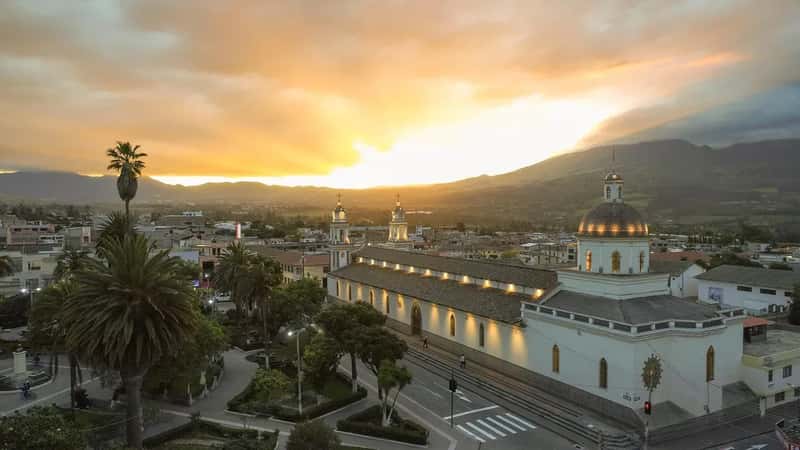
Due to its location on the equator, the country’s average temperatures are almost identical throughout the year. Ecuador might sound like a singular climate, though that’s misleading. The coast swelters, the Amazon drenches you in humidity, and the highlands around Quito offer something surprisingly temperate.
Yet in the lowland regions, particularly along the coast and Amazon basin, it’s perpetually summer. Ecuador’s mean temperature was 0.74 degrees Celsius warmer in 2022 than the average recorded from 1951 to 1980, showing the warming trend. The tropical zones maintain consistent heat that would make most air conditioners surrender.
There aren’t really seasons here in the traditional sense. Different seasons are hardly noticeable in the Sierra. Instead, you get wet periods and less-wet periods. The temperature stays locked in that comfortable-to-hot range almost religiously, making Ecuador a place where packing for weather becomes delightfully simple.
Colombia: Eternal Spring in the Land of Diversity
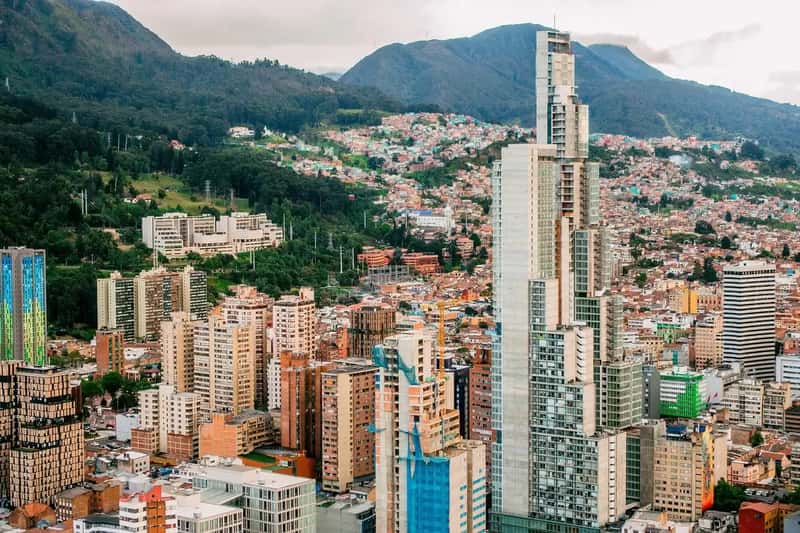
In fact, 86 percent of the country’s area is considered hot, which makes Colombia a strong contender for year-round summer conditions. The coastal areas and lowlands maintain tropical temperatures that rarely budge. Cartagena, in the middle of the Caribbean coast, sees an average high of 32°C (90°F) for most of the year.
In Colombia, the climate is generally tropical, hot all year round, but in the cities located in the Andes it is temperate by altitude. Cities like Medellín, sitting at roughly 5,000 feet elevation, earned the nickname “City of Eternal Spring” because temperatures hover in that perfect zone where you need neither heating nor heavy air conditioning.
The 24-hour average temperature during the year in Medellín is 72°F, and Medellín is known as “La Ciudad de la Eterna Primavera,” or the City of Eternal Spring. Meanwhile, down at sea level, places stay hot enough that locals plan their days around escaping the afternoon heat. Colombia offers this peculiar gift where roughly 86 percent of the land never experiences what most would call “cold.”
Norway: The Land Where Winter Eats Daylight
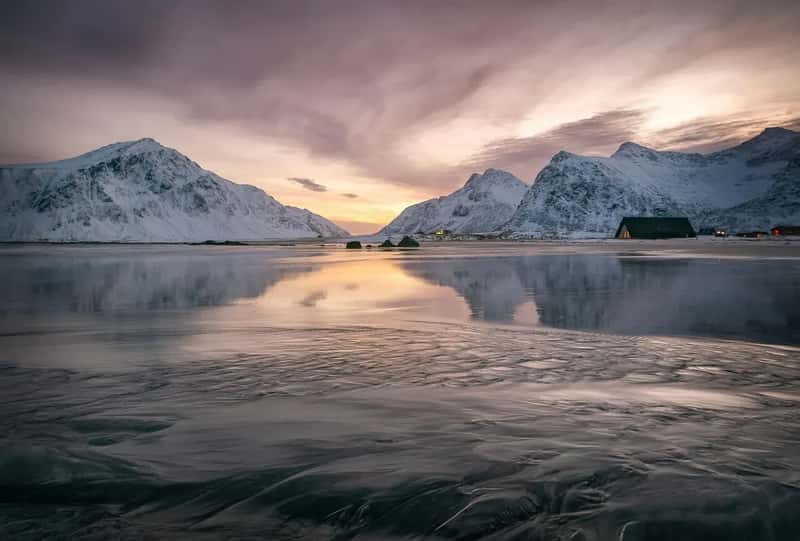
Let’s flip the script entirely. With 1,424 hours of sunshine per year, Norway is in the lead, with the most hours of sunshine (7.4 per day) in May. Wait, that doesn’t sound too bad until you realize in December the sun is visible for only 0.4 hours per day.
A little village located in a valley to the south of Norway, surrounded by mountains, approximately 170 kilometres from Oslo, Rjukan does not receive a single drop of sunlight for 6 months of the year. The mountains literally block the sun from September to March. Residents installed giant mirrors in 2013 just to reflect some sunlight into the town square.
Northern regions like Tromsø experience what locals call the “polar night,” where the sun doesn’t rise above the horizon for weeks. In Svalbard, Norway, the northernmost inhabited region of Europe, there is no sunset from approximately 19 April to 23 August. The midnight sun compensates somewhat during summer, though those endless winter months remain brutally dark.
Iceland: Beautiful, Brooding, and Often Sunless
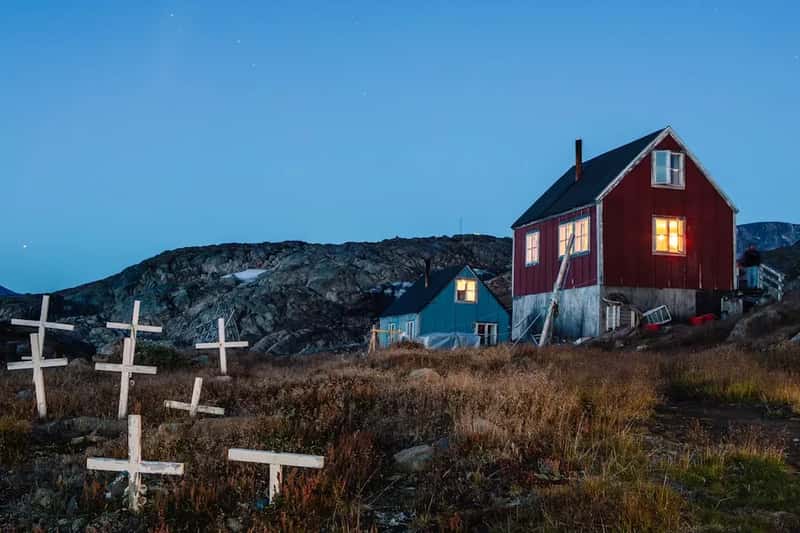
Iceland falls into second place with only 1,314 hours of sunshine per year, and there the sun is visible in December for only 0.3 hours per day. That’s not a typo. Less than twenty minutes of actual visible sun on the darkest winter days.
The country sits just below the Arctic Circle, which means extreme daylight variation between seasons. Iceland, despite its long summer days, experiences relatively short daylight hours during the winter solstice. The volcanic island is famous for many things – geysers, glaciers, northern lights – yet sunshine isn’t typically on that list.
Icelanders have adapted remarkably. They light candles obsessively, design their homes to maximize every photon of available light, and celebrate the return of longer days with genuine enthusiasm. The darkness becomes part of the national character, though visitors often underestimate how profoundly the lack of sun affects daily rhythm and mood.
Finland: Where the Sun Takes Extended Vacations
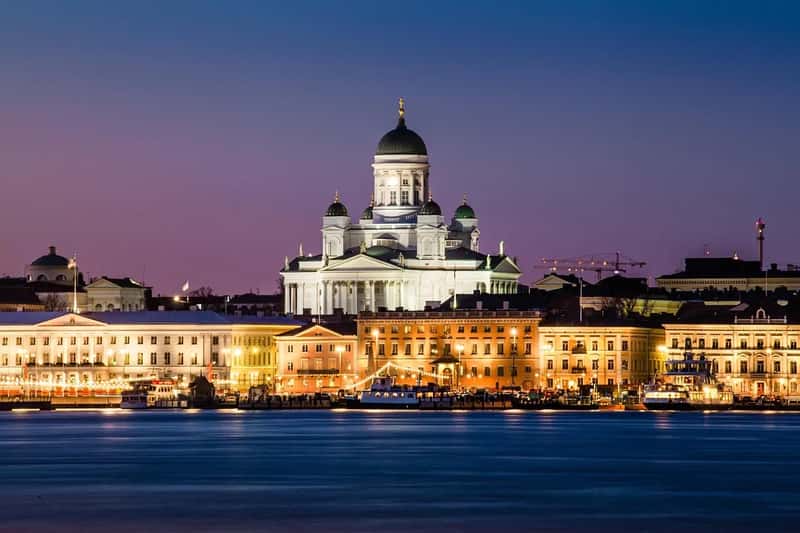
With 1,606 hours of sunshine per year, Finland is in the lead among Nordic countries, though that’s still far less than tropical zones. In December, the day in Finland is only 4.2 hours long, and in northern Lapland, the sun disappears completely for weeks.
A quarter of Finland’s territory lies north of the Arctic Circle, and at the country’s northernmost point the Sun does not set at all for 72 days during summer. The flip side? Winter means perpetual twilight or complete darkness depending on how far north you venture. Helsinki, in the south, gets roughly six hours of weak winter daylight.
The Finnish language even has a specific word for the extended darkness – “kaamos” – and it’s taken seriously. Light therapy lamps become household essentials. Vitamin D supplements line pharmacy shelves. Yet Finns embrace their climate with a stoicism that borders on the philosophical, finding beauty in the stark contrasts their homeland offers throughout the year.
So there you have it: six countries living at opposite ends of the solar spectrum. Some nations bask in relentless tropical heat where seasons are measured by rainfall rather than temperature. Others endure months where the sun becomes a rare visitor, teaching their inhabitants to treasure every ray. The contrast reminds us just how wildly diverse our planet’s climate zones can be. Which extreme would you choose – eternal summer or the mystery of darkness?