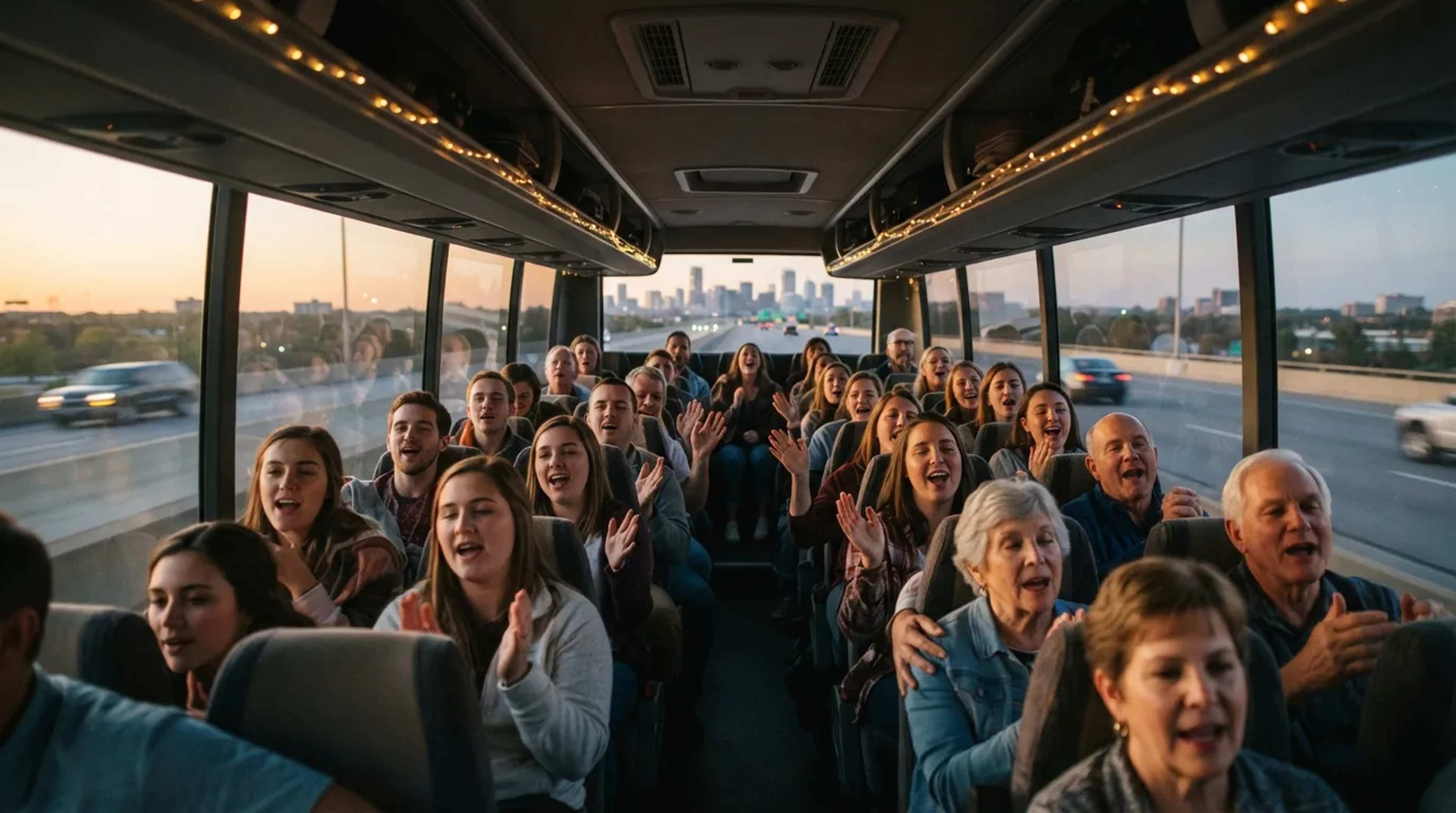
Music has always been the clearest mirror of American identity, and the people who shaped it most profoundly often arrived on these shores from somewhere else entirely. The influence of immigrants on is profound and multifaceted, reflecting a rich tapestry of cultural exchanges over centuries. As successive waves of immigrants arrived in the U.S., they brought their musical traditions, which served as connections to their homelands and vital aspects of their group identities. Immigrants made up more than one in ten workers in the music recording industry, a figure that barely scratches the surface of their artistic reach. Three figures stand out as watershed names in this ongoing story, each arriving from a different era and a different corner of the world, each leaving an imprint that is still felt today.
Al Jolson: The Lithuanian Immigrant Who Invented Modern Pop Performance
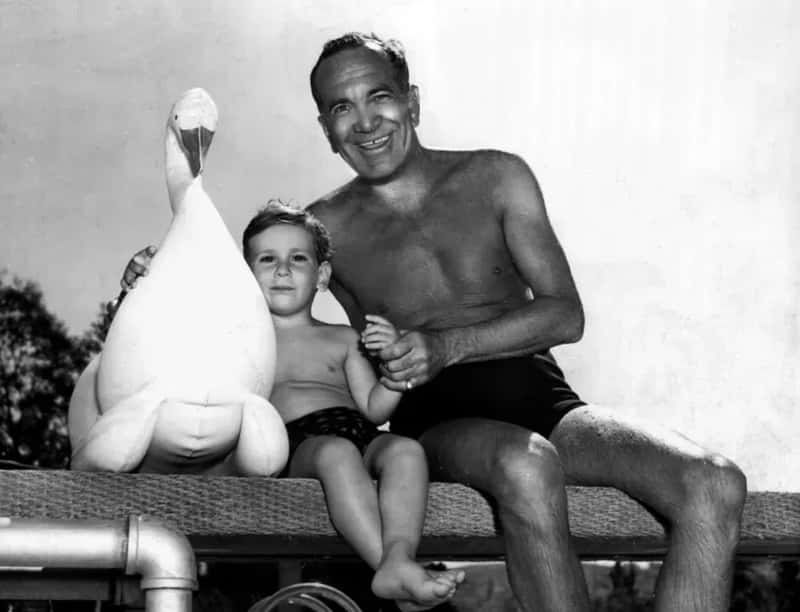
Jolson was born Asa Yoelson in a shtetl in Lithuania, then part of the Russian empire, and immigrated to the U.S. in 1894, when he was nine. Within roughly fifteen years, he was the most famous and highly paid popular entertainer in America, the equivalent of baseball’s Babe Ruth, Charlie Chaplin in silent movies, and Enrico Caruso in opera. Self-billed as “The World’s Greatest Entertainer,” Jolson was one of the United States’ most famous and highest-paid stars of the 1910s and 1920s, known for his “shamelessly sentimental, melodramatic approach” towards performing, along with popularizing many of the songs he sang. Jolson climbed to the top of the ladder of the American entertainment industry by redefining the role and image of a public performer. He brought the expressionism and style of jazz to popular audiences, and his style did not represent assimilation, but rather the creation of a distinctive “American” genre of musical performance.
Almost single-handedly, Jolson helped to introduce African-al innovations like jazz, ragtime, and the blues to white audiences. In 1927, Jolson starred in The Jazz Singer, the first feature film with synchronized speech as well as music and sound effects. The picture revolutionized the motion-picture industry and marked the end of the silent-film era. Along with being one of the supreme performers of the vaudeville stage, Jolson was also the first musical artist to sell over 10 million records. Many iconic American popular singers of the twentieth century, including Bing Crosby, Tony Bennett, Judy Garland, Eddie Fisher, and Neil Diamond, reported that Jolson’s style was a formative influence on their careers.
Bad Bunny: The Puerto Rican Voice That Rewrote the Rules of the American Charts

Born Benito Antonio Martínez Ocasio on March 10, 1994, and known professionally as Bad Bunny, he is a Puerto Rican rapper, singer, and record producer. Dubbed the “King of Latin Trap,” he is widely credited with helping Spanish-language rap reach mainstream global popularity and is considered one of the greatest Latino rappers of all time. On May 6, 2022, Bad Bunny released his album Un Verano Sin Ti, which debuted at number one on the Billboard 200 and stood there for thirteen non-consecutive weeks. The album was declared the best-performing album of the year on the Billboard 200 year-end chart, as well as the world’s best-performing album of 2022 according to IFPI, making Bad Bunny the first Latino to win an IFPI Global Chart Award. It also broke the record for the most-streamed album of all time on Spotify, and became the first Spanish-language album to be nominated for the Grammy Award for Album of the Year.
Latin music generated a record-breaking $1.5 billion in U.S. revenue in 2025, representing 8.4% of the total recorded music market, up dramatically from just 5.6% in 2020. Of only 370 artists who have more than 20 million Spotify monthly listeners, 60 of them are Latin artists, and the highest-ranking among them is Bad Bunny, followed by Shakira and J Balvin. In February 2026, Bad Bunny received multiple Grammy Awards, with his wins at the 68th Annual Grammy Awards marking a pivotal moment for Spanish-language music at the industry’s most prestigious ceremony, demonstrating that Latin artists no longer occupy separate categories but compete at the highest levels of global music recognition.
Burna Boy: The Nigerian Superstar Who Made Afrobeats America’s New Sound
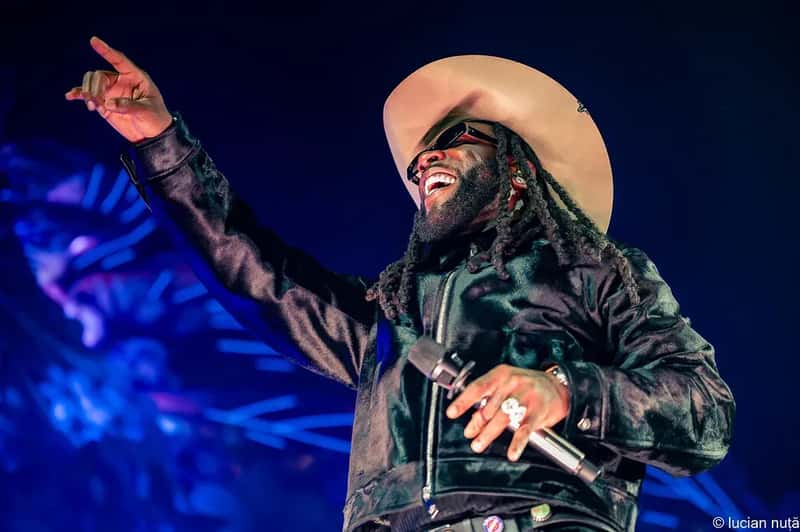
Damini Ebunoluwa Ogulu, professionally known as Burna Boy, hails from Port Harcourt, Nigeria, and has become the face of Afrobeats’ massive explosion in the market. His 2020 album Twice as Tall won the Grammy for Best Global Music Album, and he made history in 2023 by headlining a sold-out Madison Square Garden show, a remarkable achievement for an artist who primarily sings in Nigerian Pidgin and Yoruba. According to Nielsen Music data, Afrobeats streams in the U.S. increased by over 500% between 2020 and 2023, with Burna Boy accounting for a significant portion of that growth. His collaboration with American artists like Ed Sheeran and Beyoncé has introduced countless U.S. listeners to African rhythms and storytelling, fundamentally altering what mainstream sounds like.
Nigerian superstar Burna Boy made history as the first Afrobeats act to perform during the prime-time, televised ceremony of the Grammy Awards. The singer graced the stage accompanied by R&B legend Brandy and rapper 21 Savage, in a fitting choice to usher in Afrobeats to music’s biggest night. Burna Boy has made history as the first African artist to achieve multiple albums surpassing one billion streams each on Spotify, with Love, Damini and African Giant. The creation of an entire Grammy category dedicated to the African continent marks a new level of impact, and is a signal to American audiences that music by Africa’s new wave is not a niche, fad, or trend – it’s a culture that’s here to stay.
A Broader Pattern: How Immigrant Artists Keep Reshaping American Sound

Immigrants, and especially the children and grandchildren of immigrants, have played a disproportionate role in the development of the American performing arts. Although tolerance has not always been a factor in the United States’ musical history, the increasing recognition of music as a marker of personal and community identity suggests that immigrants will continue to shape as they always have. As much as immigrants brought musical traditions unique to their cultures and countries of origin, the amalgamation of these musical traditions has shaped popular in the twenty-first century. Latin and Afrobeats music accounted for nearly 20% of all U.S. music consumption in 2023, according to Luminate’s mid-year report, compared to just 5% a decade ago.
The transformation from localized music markets to an integrated global system has fundamentally altered how music reaches audiences. Streaming services like Spotify, Apple Music, and YouTube Music have democratized access to international content, with non-English tracks comprising 27% of global streaming activity in 2024. Each year the creative industries add almost one trillion dollars to the United States’ GDP, and across all industries in the U.S. economy, there were more than 400,000 immigrants working in creative or artistic occupations. Genres like jazz and American folk music emerged from a blend of African, Caribbean, and European influences, while modernist movements in music were propelled by both American and immigrant artists.