

Walk into an average American living room in 1975 and you’d find a haze of cigarette smoke, a shag carpet thick enough to lose a shoe in, and kids bouncing around a station wagon with zero seatbelts in sight. Nobody thought twice about any of it. These weren’t reckless choices – they were just Tuesday.
What’s wild looking back isn’t that these habits existed. It’s how completely invisible they were to the people living them. Here’s what actually went on behind those avocado-green kitchen doors.
#31 – Ashtrays in Every Single Room, Including the Bathroom
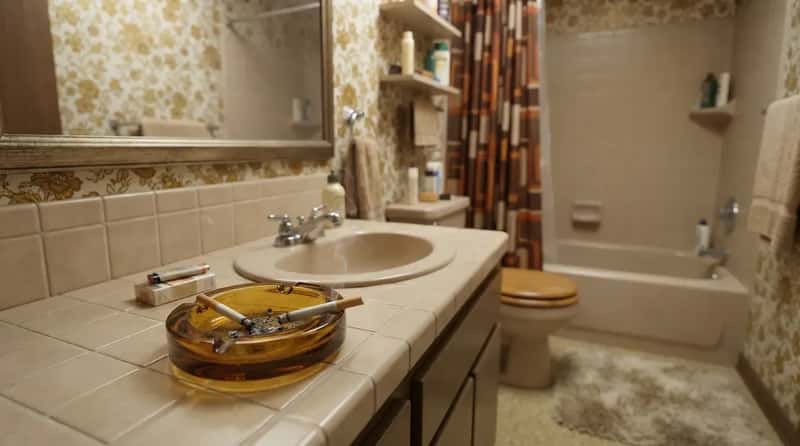
Smoking wasn’t a habit confined to a porch or a designated spot outside – it happened everywhere, all the time, without apology. Between the 1940s and the 1970s, the U.S. smoking rate remained relatively stable, with about two in five adults saying they smoked a cigarette in the past week, and it was still 43 percent in 1972. That meant nearly every living room, kitchen, and car had a permanent haze.
Doctors smoked in their own offices. Teachers smoked in the faculty lounge next to the cafeteria. Airplanes had smoking sections that were technically a few rows away from everyone else, which fooled absolutely no one about the air quality. Ashtrays were considered decor, not a health hazard, and matching sets were sold as tasteful housewarming gifts.
#30 – Lead Paint Coating Windowsills, Cribs, and Toys

Long before parents worried about screen time, they had a far more literal poison sitting on every windowsill. The Department of Housing and Urban Development estimates that roughly 35 percent of U.S. homes contain some lead-based paint, most of it applied during exactly this era. Families had no idea the chipping paint their toddlers chewed on could cause permanent harm.
It took the government stepping in to change anything. Lead-based paints were banned for residential use in 1978, meaning for most of the decade, it was still legally being brushed onto nurseries nationwide. Homes built before that year are still flagged as a risk today. Parents simply painted over chipped spots and moved on.
#29 – Kids Riding Loose in the “Way-Back” of the Station Wagon
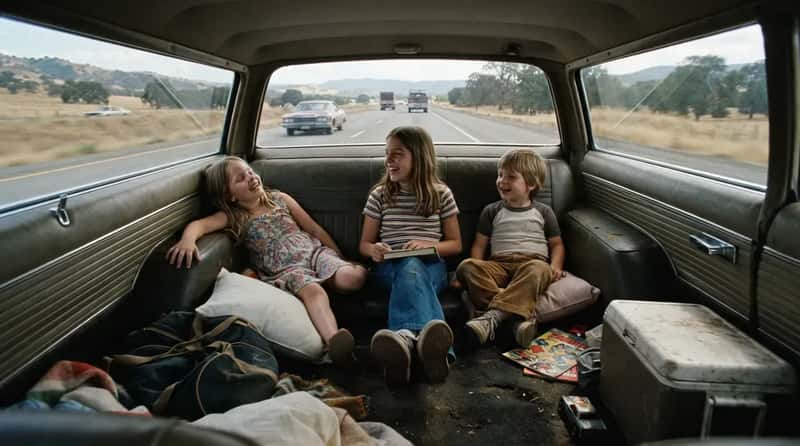
Before minivans and mandatory car seats, families crammed kids into the rear cargo area of station wagons facing backward, with nothing holding them in place. Seatbelts existed in the front seat, sure, but plenty of cars didn’t even have them installed in back until the decade was nearly over. Long road trips meant siblings sprawled out, sliding side to side on hard turns, treating the trunk like a personal fort.
No state had a seatbelt law yet – that wouldn’t happen until the mid-1980s. Parents genuinely believed a firm arm thrown backward during hard braking was sufficient protection. It sounds unthinkable now, but at the time it barely registered as risky.
#28 – Sharing Your Phone Line (and Your Privacy) With Strangers
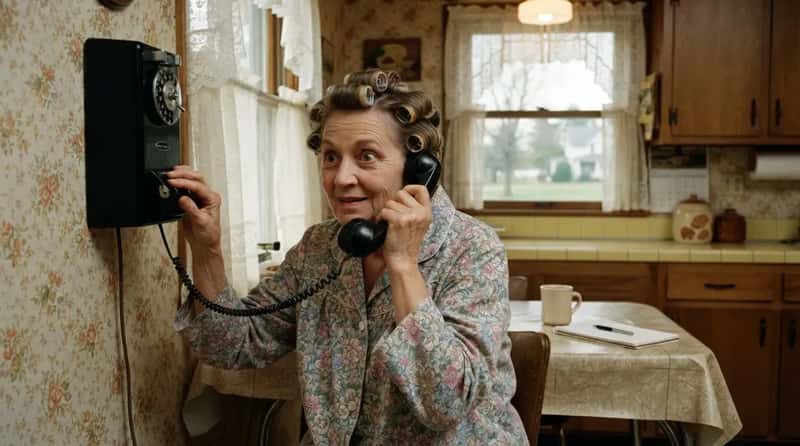
Plenty of households, especially in rural areas, weren’t paying for a private phone line – they were splitting one with several neighboring families. Anyone on the “party line” could quietly pick up their receiver and listen to your conversation without you knowing. Etiquette rules existed to manage the chaos: a certain number of rings meant the call was for you, and everyone was expected to hang up politely and wait their turn.
Eavesdropping on neighbors’ gossip was basically a built-in home feature. Emergency calls sometimes got delayed because someone was hogging the shared line for an hour-long chat. It was inconvenient, mildly invasive, and treated as completely unremarkable.
#27 – Walking Across the Room to Fix the Rabbit-Ear Antenna
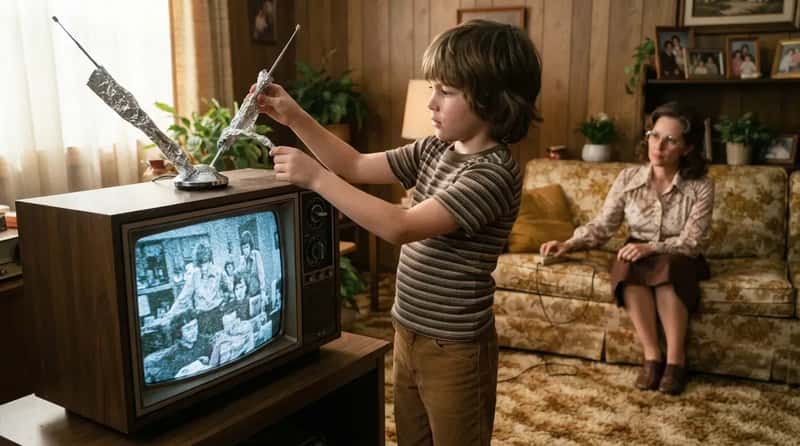
Remote controls were rare, and even when a household had one, it usually only handled the volume. Getting a clear picture meant physically standing at the TV, twisting foil-wrapped antenna prongs until the fuzz cleared. Weather, airplanes flying overhead, and even someone walking past the window could disrupt the signal entirely.
Kids were regularly assigned “human antenna” duty, standing frozen in one spot holding the rabbit ears just right while everyone else watched. Changing channels required getting up, walking over, and turning a heavy dial by hand – often more than once if the picture didn’t come in clean.
#26 – Scorching Metal Playground Equipment Bolted Into Asphalt

Public playgrounds weren’t built with rubber mulch or soft padding – they were steel slides and monkey bars sitting directly on blacktop or gravel. In summer, that metal got hot enough to leave a mark on bare legs in shorts. Falls onto pavement from six feet up were treated as a normal part of childhood, not a safety failure.
There was no such thing as a cushioned landing zone anywhere in sight. Parents watched from a bench, if they watched at all, while kids sorted out the risks themselves. Skinned knees were simply the price of admission.
Fast Facts
- The U.S. Consumer Product Safety Commission’s Public Playground Safety Handbook was first published in 1981 under the name A Handbook for Public Playground Safety.
- Even now, more than 200,000 children are treated in U.S. hospital emergency rooms each year for injuries associated with playground equipment.
- Guidelines eventually recommended that playgrounds not be installed over concrete, asphalt, or paved surfaces to address serious head injuries due to falls from the equipment.
- Before any of that, falls from playground equipment remained the largest single hazard pattern associated with playground use.
#25 – The Paddle Sitting in the Principal’s Office, in Plain View
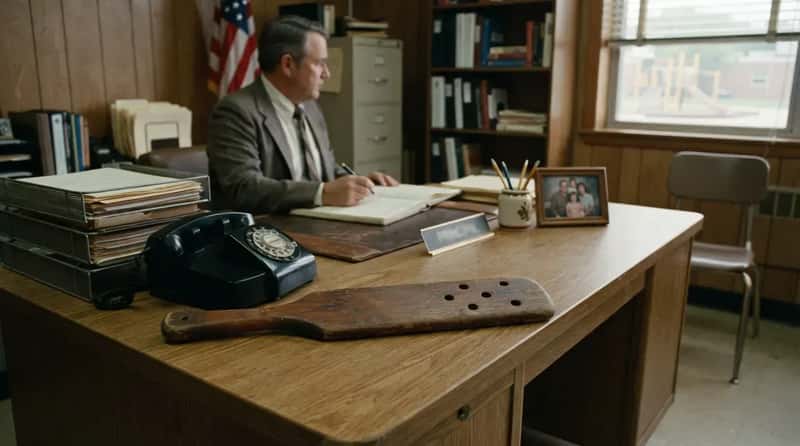
Corporal punishment wasn’t hidden or controversial in most schools – it was an openly used disciplinary tool, sanctioned and expected. A misbehaving student could be sent to the office and paddled, and parents were rarely notified beforehand. At home, spanking was the default response to bad behavior, discussed openly at dinner parties without a hint of hesitation.
Teachers legally struck students in dozens of states with almost no pushback from families. Many adults today still remember exactly which teacher kept the paddle on their desk as a warning. It was a completely unquestioned part of raising and educating kids.
#24 – Kids Disappearing All Day, Home Only When Streetlights Came On

Parents in the 1970s had almost no way to track their children once they left the house in the morning. Kids biked to friends’ houses, wandered creeks, and roamed entire neighborhoods with zero check-ins. The rule was simple and universal: be home by the time the streetlights flicked on, or face the consequences.
There were no cell phones, no GPS, no way to reach a child for hours at a time, and nobody found that alarming. Parents trusted the neighborhood and the other adults in it to keep an eye out. It was independence by default, not by design.
#23 – Asbestos Hiding in Tile, Insulation, and Popcorn Ceilings

That bumpy, spray-textured ceiling in so many 1970s homes wasn’t just a design trend – it often contained asbestos fibers used for fireproofing and soundproofing. Vinyl floor tiles and pipe insulation frequently carried the same hidden material. Nobody thought twice about drilling into a ceiling or ripping up old flooring during a weekend renovation project.
The material was invisible and odorless, which is exactly what made it so dangerous long-term. Homeowners wouldn’t fully understand the risks for years, and remediation wasn’t standard practice yet. It simply blended into the walls and floors of everyday life.
#22 – Shag Carpet Installed in Every Room, Including the Bathroom
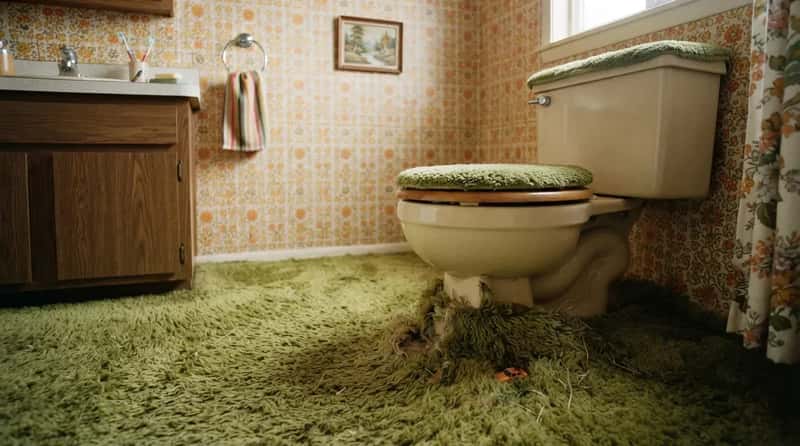
Thick, shaggy carpet wasn’t reserved for the living room – it climbed into bathrooms, kitchens, and even wrapped around toilet bases in some homes. The deeper the pile, the more stylish the house was considered. Vacuuming it required a special attachment, and spills simply vanished into the fibers, sometimes for good.
Bathroom carpet around a toilet was seen as cozy, not unsanitary, which is a genuinely strange detail by today’s standards. Kids lost coins, toys, and pieces of cereal in the depths of a shag rug for years. It was plush, colorful, and completely impractical in hindsight.
#21 – Wood Paneling Slapped Onto Every Wall in the House
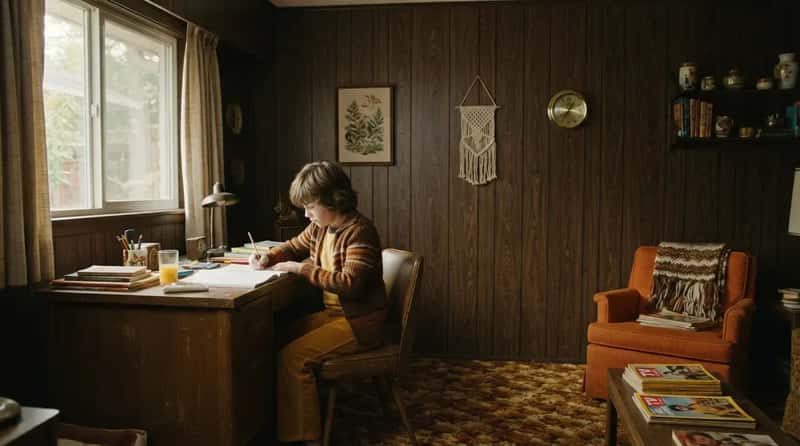
Dark, faux-wood paneling wasn’t a rustic accent wall – it covered entire dens, basements, and family rooms floor to ceiling. It was cheap, easy to install, and considered warm and modern at the time. Homeowners chose it specifically because it hid imperfections in older plaster walls underneath.
An entire generation grew up doing homework against the same brown grooved backdrop, whether their house was in Ohio or Oregon. Real estate listings today still treat leftover paneling as an instant red flag for a dated interior. Back then, it was the opposite – a sign the room had been recently updated.
#20 – Avocado Green and Harvest Gold Appliances Everywhere
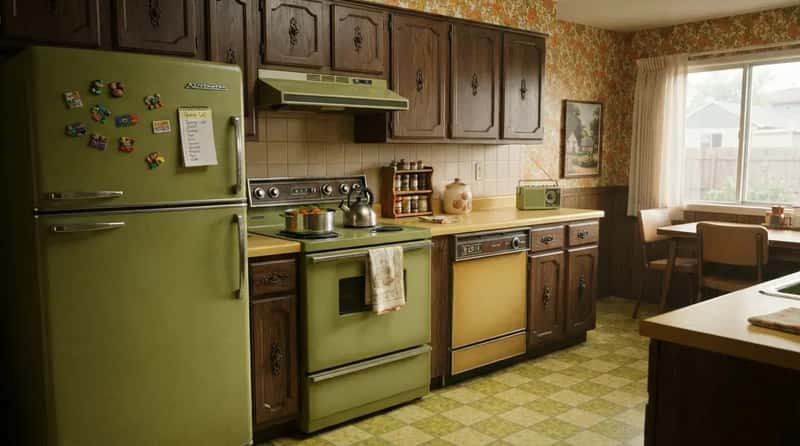
Refrigerators, stoves, and dishwashers weren’t sold in sleek stainless steel – they came in deep avocado green, harvest gold, and burnt orange as the top style choices. Buying a white appliance was seen as boring, not neutral. Entire kitchens were color-coordinated around these tones, right down to the wallpaper and dish towels.
These colors were marketed as cutting-edge, not retro, which is hard to imagine looking at photos now. Appliance showrooms proudly displayed matching sets as the aspirational upgrade every family wanted. Decades later, those same colors are treated as instantly dated shorthand for the era.
#19 – One Television for the Whole Family, No Exceptions
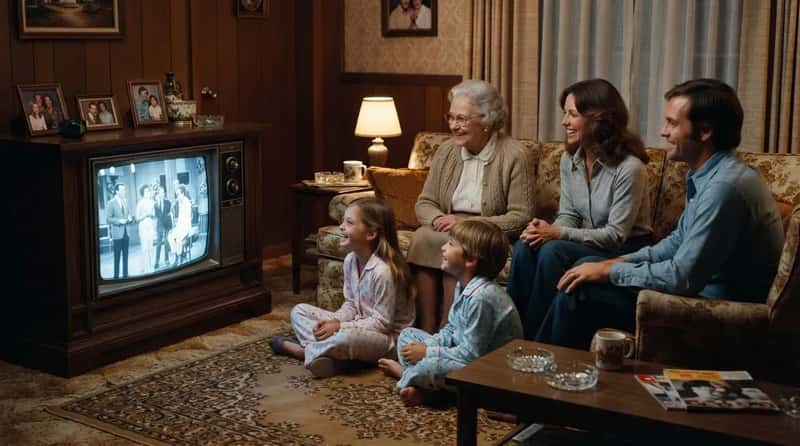
Most households owned a single television set, usually a heavy wood-cased console parked in the living room as the centerpiece of the room. There was no second TV in the bedroom, let alone a screen in every pocket. Whatever one person wanted to watch, everyone watched, which meant genuine negotiation over the channel dial most evenings.
Entire families gathered at the exact same time for a handful of network shows, because there was no other option. Missing an episode meant missing it entirely – there was no recording, no replay, no catching up later. Television was a shared, scheduled event, not an individual habit.
#18 – TV Trays Instead of the Dinner Table
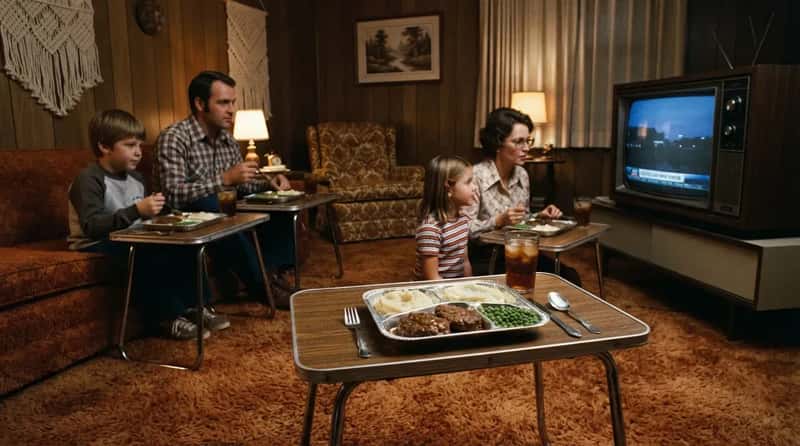
Eating dinner as a family didn’t always mean sitting around a table – plenty of nights meant folding out metal TV trays in front of the television instead. The trays were a genuine furniture category, sold in matching sets with their own storage stand. Balancing a plate, a glass, and utensils on a wobbly aluminum tray became second nature.
“TV dinners” and TV trays were marketed together as a complete lifestyle package, not a compromise. Families ate in near silence, eyes fixed on the screen rather than each other. It was convenient, casual, and considered a perfectly normal way to spend an evening.
#17 – The Door-to-Door Encyclopedia Salesman
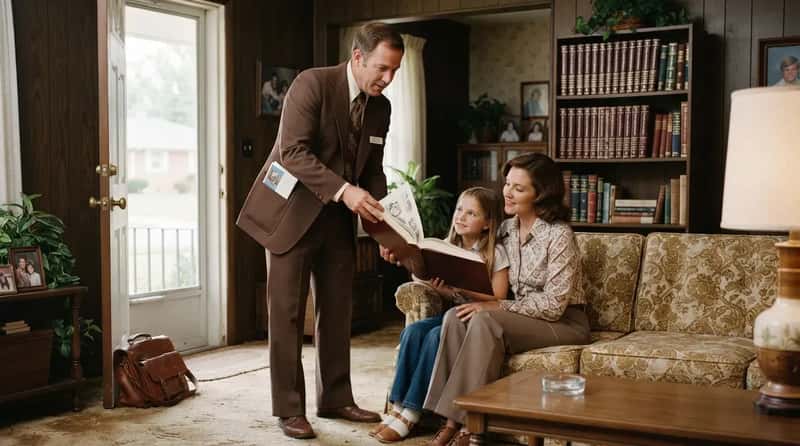
Before the internet, a traveling salesman ringing the doorbell with a sample encyclopedia volume under his arm was a legitimate, expected sales pitch. Families would agree to years of monthly payments for a full leather-bound set. These encyclopedias sat proudly on a living room shelf as a status symbol, signaling that a household valued education.
Buying an entire reference library on an installment plan was treated as a responsible parenting decision, not a splurge. Kids used the same aging volumes for school reports well into the following decade. It was one of the only ways to access organized information at home.
Worth Knowing
- Brands like World Book and Encyclopaedia Britannica were the names everyone recognized on the doorstep.
- Payment plans often stretched across several years, not months, before a set was fully paid off.
- Owning a full set signaled a family’s commitment to education, even if half the volumes rarely got opened.
- Hand-me-down sets frequently got passed to younger siblings, outdated maps and all.
#16 – The Milkman Still Delivering Glass Bottles to the Porch
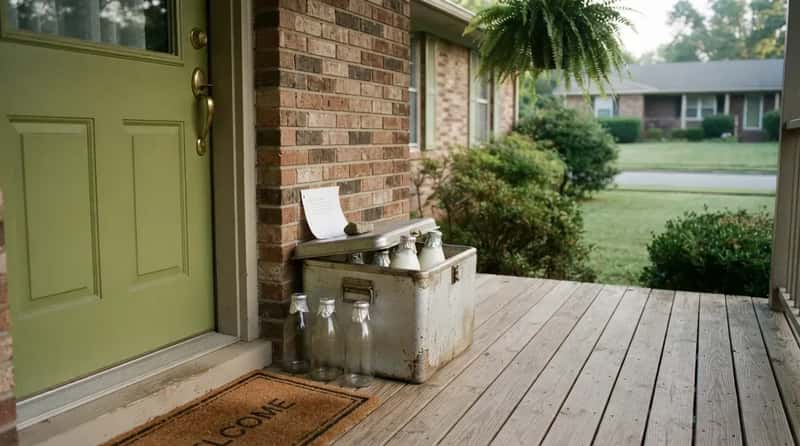
Even as grocery stores expanded, plenty of neighborhoods still had a milkman making regular rounds, leaving glass bottles in an insulated box by the front door. Empty bottles were simply left out to be swapped for full ones. Families left a note for special requests, whether that meant extra cream or a different delivery schedule for the week.
This entire delivery system was quietly disappearing throughout the decade, even as many households still relied on it out of habit. Kids grew up thinking milk simply appeared on the porch like clockwork. It was one of the last visible remnants of an older, slower way of shopping.
#15 – Fondue Pots as the Ultimate Wedding Gift
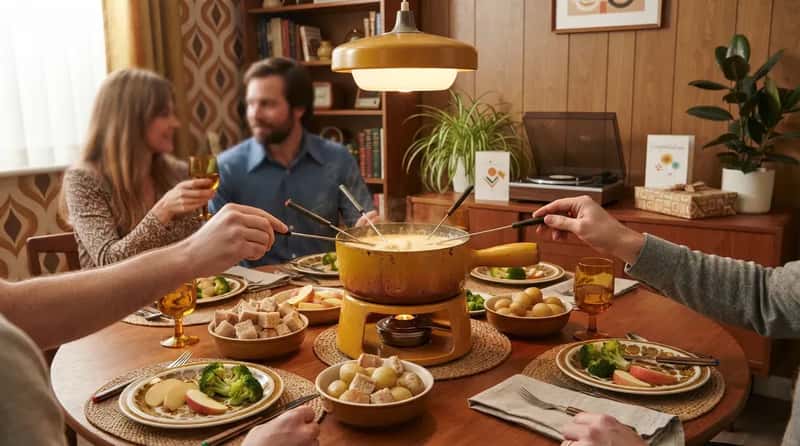
No 1970s wedding registry felt complete without a fondue set, and no dinner party felt properly hosted without one bubbling on the table. Cheese, chocolate, and hot oil fondue were treated as sophisticated entertaining at its finest. Sets came in bold enamel colors matching the rest of the kitchen’s harvest-gold aesthetic.
Nearly every household owned one, whether or not anyone actually used it more than twice a year. Many ended up stashed in a cabinet after the initial novelty wore off. Still, giving one as a gift was considered thoughtful and on-trend.
#14 – Formica Counters and Linoleum Floors as the Height of Modern
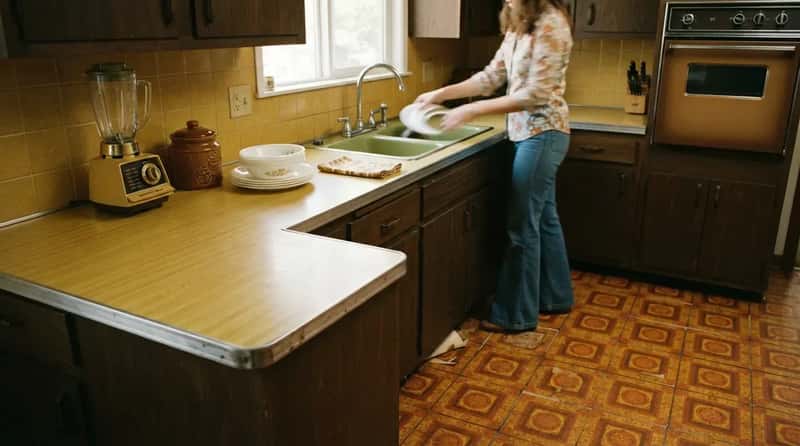
Granite and quartz weren’t the aspiration yet – Formica laminate counters and patterned linoleum flooring were sold as the sleek, practical upgrade every kitchen needed. They were durable, easy to wipe down, and came in bold geometric patterns. Homeowners genuinely believed these materials looked expensive and current.
Real stone counters were seen as old-fashioned and impractical by comparison, a complete reversal of today’s standards. Peeling linoleum corners were simply patched rather than replaced. It was considered smart, budget-conscious design, not a compromise.
#13 – Medicine Bottles With Zero Childproof Caps

Aspirin, prescription pills, and household chemicals sat in cabinets with simple twist-off lids that any curious toddler could open in seconds. Childproof packaging wasn’t yet a widespread requirement. Parents relied entirely on keeping bottles up high or out of sight, rather than trusting the packaging itself to protect kids.
Accidental poisonings among young children were a real and documented risk during this period, prompting the safety regulations that followed. It simply hadn’t occurred to manufacturers yet that packaging itself needed to be part of the solution. Families adjusted their own habits instead of relying on the product.
#12 – Banana-Seat Bikes, No Helmets, Riding for Miles Alone
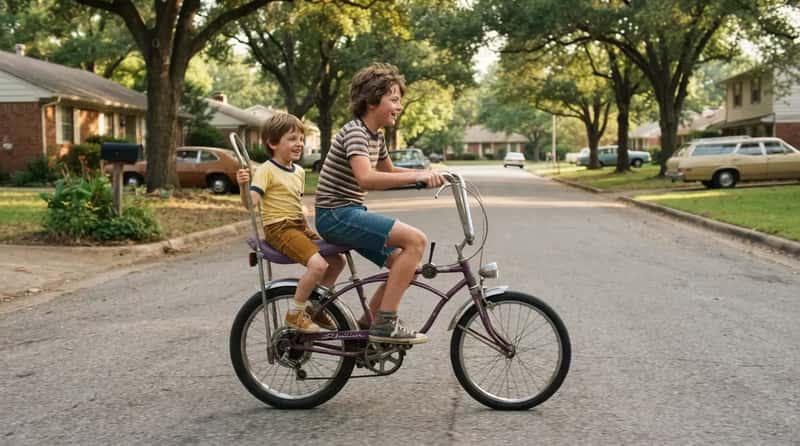
Kids pedaled banana-seat bikes with tall sissy bars for miles across town, often without a single adult knowing their exact route. Helmets simply weren’t part of the picture – not because parents were careless, but because nobody had made them standard yet. Riding double on the handlebars or the back pegs was completely routine, safety concerns aside.
Bike helmet use didn’t become widespread until safety campaigns picked up steam decades later. A skinned elbow from a wipeout was treated as a rite of passage, not a warning sign. Kids simply got back on and kept riding.
#11 – Lawn Darts and Other Toys Later Pulled From Shelves

Backyard games included heavy metal-tipped lawn darts, tossed high in the air and aimed at a target ring on the ground, played by kids as much as adults. The sharp metal points were the entire point of the game. Injuries happened often enough that the toy eventually faced serious safety scrutiny, but throughout much of the decade it sat proudly in toy store aisles.
Parents bought these as standard backyard party entertainment, right alongside croquet sets. Few questioned handing children a literal metal spike to throw. It’s one of the clearest examples of a “normal” toy that wouldn’t survive today’s safety standards.
#10 – No Microwave, So Everything Defrosted on the Counter
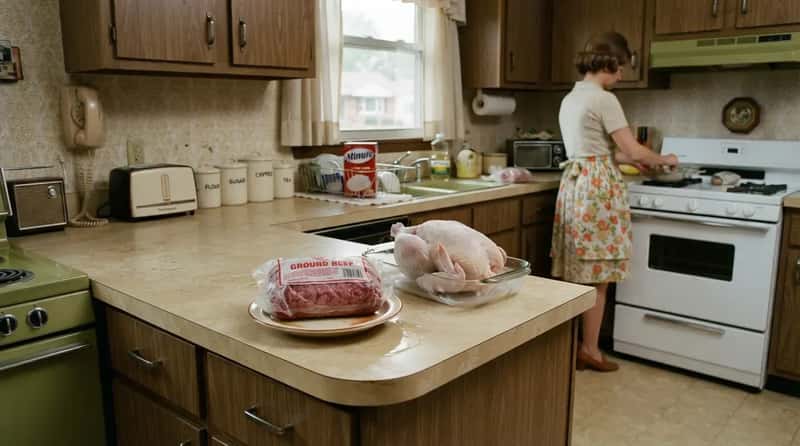
Microwaves existed but weren’t yet a kitchen staple in most homes, meaning dinner prep started hours earlier than it does now. Frozen meat sat out on the counter all afternoon, thawing at room temperature with nobody thinking twice about food safety. Reheating leftovers meant firing up the oven or a skillet, turning a quick meal into a real production.
Households that did own a microwave often treated it like a futuristic novelty, using it sparingly rather than daily. TV dinners still went straight into a conventional oven for 30-plus minutes. It made weeknight cooking a much slower, more deliberate ritual than it is today.
At a Glance
- In 1971, only about 1% of U.S. households owned a microwave oven.
- By 1979, less than ten percent of U.S. households owned microwave ovens.
- By 1986, roughly 25% of households in the U.S. owned a microwave oven.
- By 1997, over 90% of American households owned a microwave oven.
#9 – Console Stereos and 8-Track Tapes as the Living Room Centerpiece
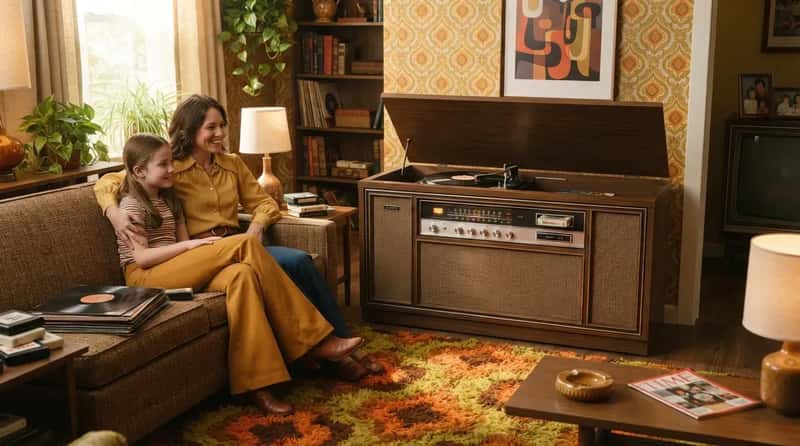
A wood-encased console stereo, often the size of a small dresser, sat proudly against the living room wall as a genuine furniture investment. Inside sat a turntable, radio, and a slot for chunky 8-track tapes. Music wasn’t portable or personal yet – it was a shared, room-filling event the whole family experienced together.
8-tracks famously cut off mid-song when switching tracks, an audio quirk everyone simply learned to accept. Families gathered around this single sound system the same way they gathered around the television. It was the emotional heart of the living room.
#8 – No Answering Machine, So a Missed Call Was Just Gone
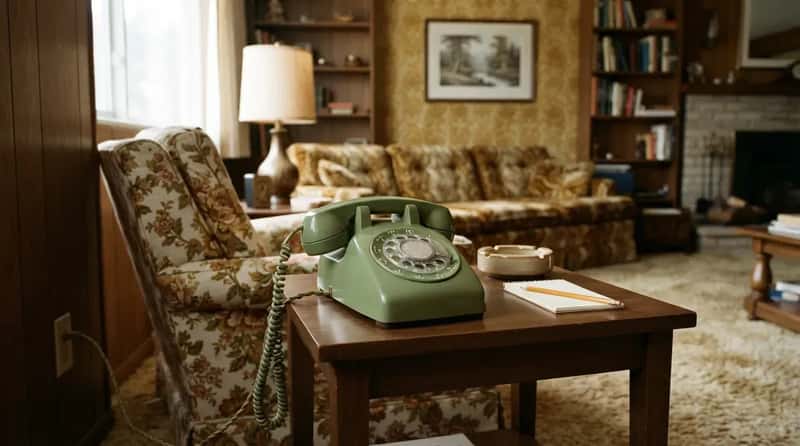
If the phone rang and nobody was home, that was simply the end of it – no message, no missed-call notification, nothing. Answering machines existed but weren’t yet common household items throughout most of the decade. Important messages relied entirely on someone calling back later, or writing a note and mailing it.
People genuinely lost touch for days over something as small as a missed phone call. Coordinating plans required guessing when someone might be home, or simply showing up unannounced. It made communication far more of a gamble than it is now.
#7 – Baby Oil and a Foil Reflector Instead of Sunscreen
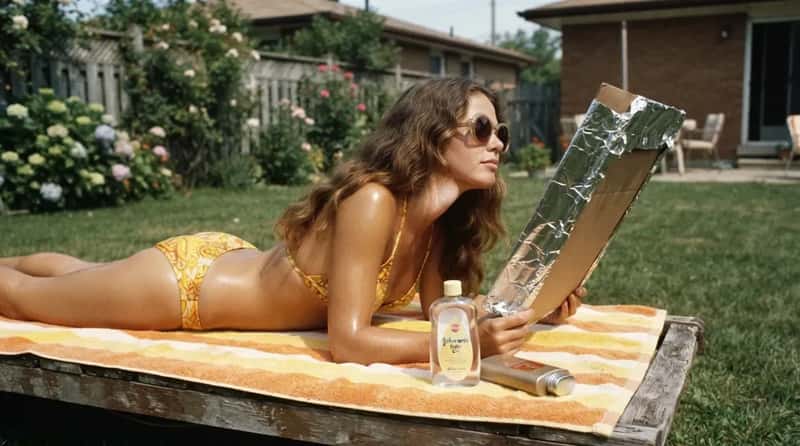
Getting a deep tan wasn’t just accepted – it was the entire goal of a summer afternoon, achieved with baby oil slathered on skin and a foil-wrapped cardboard reflector angled up at the face. Sunscreen existed but wasn’t widely used or trusted the way it is today. Long, unprotected hours in direct sun were considered a healthy, active pastime rather than a risk.
Baby oil actually accelerated tanning rather than protecting skin, which is exactly the opposite of its intended use today. Sunburns were treated as a normal, temporary side effect of summer. Skin protection simply wasn’t part of the conversation yet.
#6 – Backyard Pools Installed With No Fence Required

Above-ground and in-ground pools went into backyards with no fencing requirement, no gate, and no barrier separating them from the rest of the yard or the street. Any neighborhood kid could wander in unsupervised. Pool safety was left entirely to individual families, with no local building codes mandating protection.
This was one of the more genuinely dangerous blind spots of the decade, one that later safety regulations specifically targeted. Parents simply told kids “don’t go near the pool alone” and trusted that to be enough. It reflected a broader, looser attitude toward home safety across the board.
#5 – Babies Riding on Laps Instead of in Car Seats
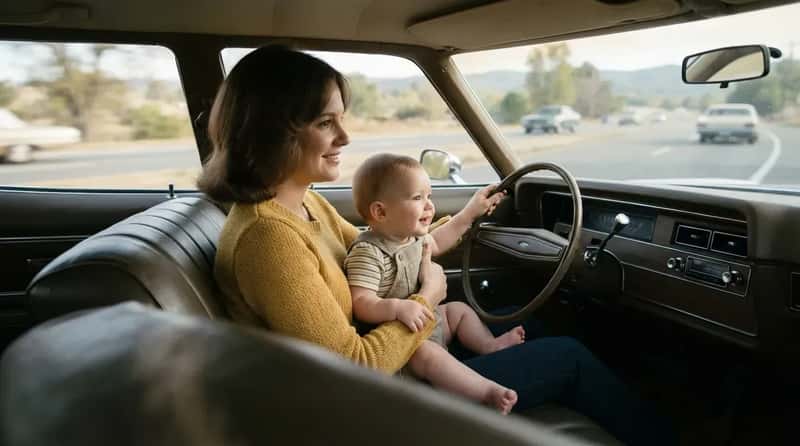
Infants and toddlers frequently rode in a parent’s lap in the front seat, or bounced freely across the back bench seat during a drive. Dedicated child car seats existed, but using one wasn’t required by law anywhere yet. A sudden stop meant a parent’s arm was often the only thing between a baby and the dashboard.
No state had passed a mandatory child car seat law during this period, leaving the decision entirely up to individual families. Many parents simply hadn’t been told this was a serious risk yet. It’s one of the starkest contrasts between 1970s parenting and today’s standards.
#4 – Latchkey Kids With a House Key on a String Around Their Neck
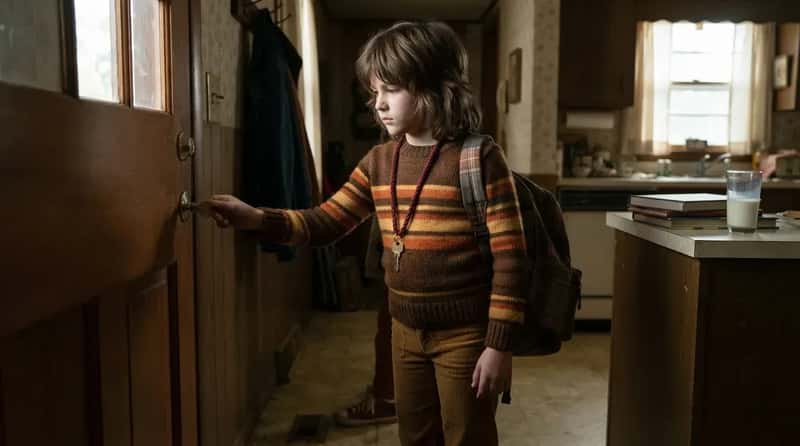
With more parents working outside the home, plenty of kids let themselves into an empty house after school, a key dangling from a string or shoelace around their neck. They made their own snacks, did homework alone, and waited for a parent to get home hours later. This wasn’t treated as a crisis – it was simply how a working household functioned.
The term “latchkey kid” became a genuine cultural label during this exact period, describing an entire generation raised on solo afternoons. Neighbors sometimes kept a loose eye out, but formal childcare wasn’t the norm. Independence started remarkably young, by necessity rather than choice.
Fast Facts
- Women’s labor force participation rates climbed from 43.3% in 1970 to 57.5% by 1990, sending more kids home to empty houses.
- By the early 1980s, an estimated 3 million children aged 6 to 13 in the U.S. were coming home to no adult present.
- The term “latchkey kids” gained cultural prominence during this era, becoming synonymous with the experiences of Generation X.
#3 – Fallout Shelters Still Stocked in the Basement

Cold War anxiety had cooled somewhat by the 1970s, but plenty of basements still held the canned goods, water drums, and first-aid kits stocked during the fallout shelter craze of the previous decade. Families simply never cleared them out. Kids grew up playing near shelves of decades-old survival supplies without fully understanding why they were there.
Some of these stockpiles sat untouched for over a decade past their original purpose. Parents mentioned them casually, if at all, treating them more like forgotten storage than active precaution. It was a quiet holdover from an entirely different era of fear.
#2 – Neighbors Walking Straight Into Your House Without Knocking
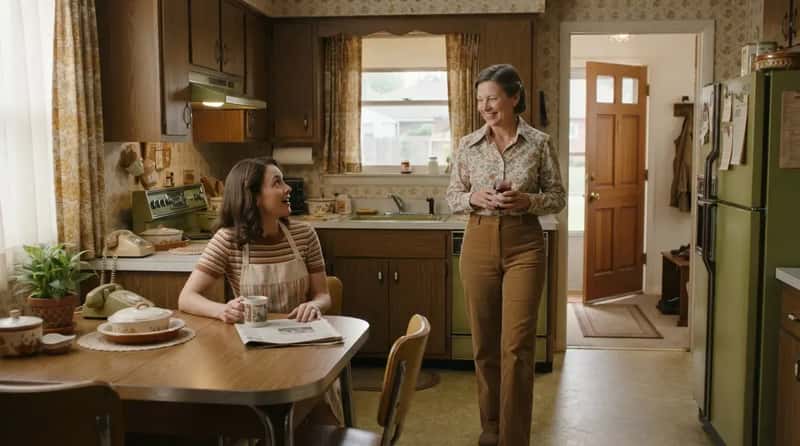
Front doors often stayed unlocked during the day, and neighbors treated that as an open invitation rather than a boundary. Someone could walk into your kitchen, call out a hello, and start chatting before you even knew they’d arrived. This wasn’t seen as intrusive – it was a sign of genuine community trust between families who’d known each other for years.
Entire neighborhoods functioned like an extended household, with kids wandering between backyards and adults borrowing sugar without a second thought. Doorbells felt almost too formal for people who saw each other daily. It’s a level of casual closeness that feels almost unrecognizable in most neighborhoods now.
#1 – Sunday Dinner as a Mandatory, No-Excuses Family Ritual
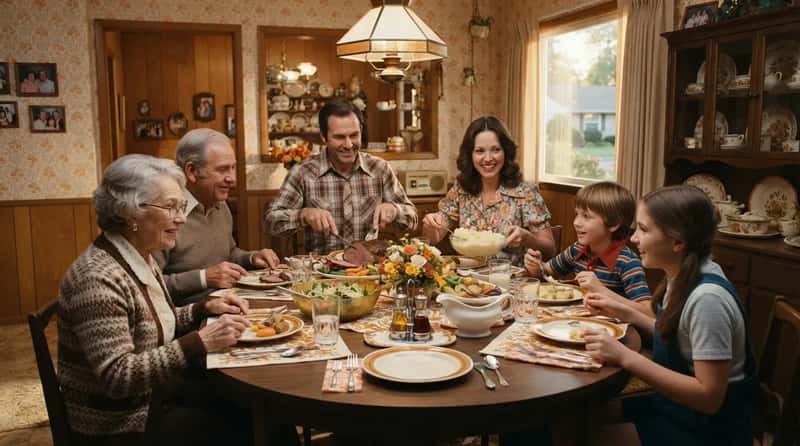
Missing Sunday dinner wasn’t really an option in most 1970s households – it was treated as close to a family law. Everyone showed up, at the same table, at the same time, regardless of what else was happening that week. Extended family often folded into the tradition too, with grandparents, aunts, and uncles rotating through on a predictable schedule.
This single weekly ritual anchored an entire family’s routine in a way few modern schedules can replicate. Phones didn’t ring during dinner because there was no way to interrupt it from outside the house. It was simple, consistent, and completely non-negotiable – the one habit that, looking back, most people actually miss.
Looking back at all 31 of these habits together, what stands out isn’t just how different daily life looked – it’s how unaware everyone was that any of it was unusual. Smoking indoors, no seatbelts, unlocked front doors, lead paint on the windowsill – none of it felt risky or strange at the time. It simply felt like Tuesday.
Some of these habits vanished because science caught up. Others disappeared simply because life got busier, more private, and more cautious. Either way, it’s a strange kind of time capsule – proof that “normal” is really just whatever nobody’s questioned yet. Which one of these habits does your family still talk about? Did we miss one? Drop it in the comments.