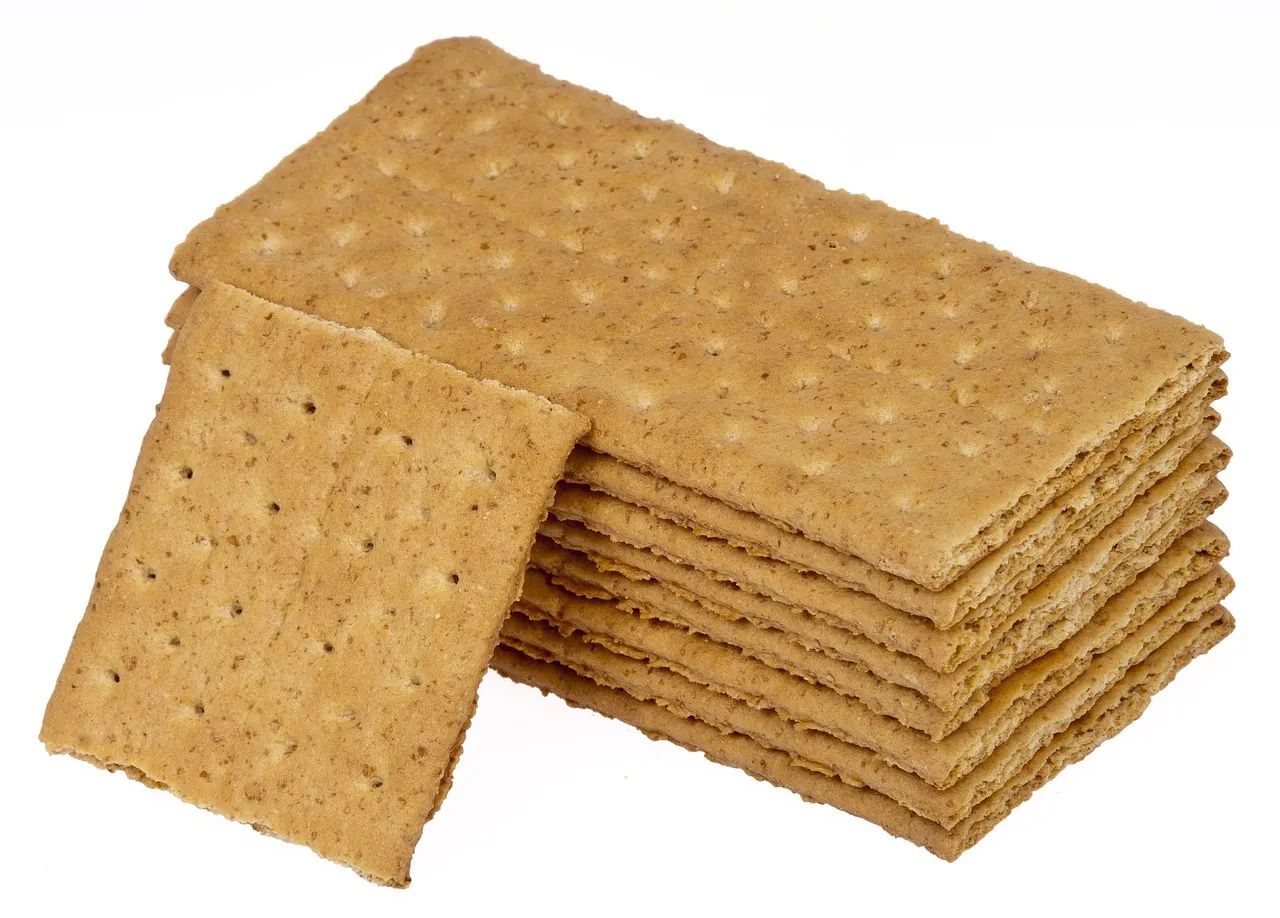
You open the pantry and spot a half-used box of matzo tucked behind the flour, its date long faded. The sheets still look intact, yet questions linger about whether time has taken a toll. This common situation highlights how a simple dry baked cracker can linger in storage far longer than many expect, provided it stays protected from moisture and pests.
The Practical Side of a Forgotten Box
Many households face this exact moment during or after Passover, when leftover matzo gets pushed aside and later rediscovered. The product itself is a straightforward baked item made from flour and water, which means its main vulnerability lies in losing crispness rather than turning unsafe overnight. Extension services track similar dry goods closely because they absorb humidity easily and can attract insects over time. A real-world example plays out whenever someone reaches for that box months later and wonders if the sheets remain usable in soup or as crumbs. Storage conditions matter more than the calendar in these cases, since cool and dry surroundings slow the natural changes that occur in any baked cracker.
Guidance From University Charts on Similar Items
No specific entry exists for matzo in major extension resources, so comparisons to plain crackers offer the closest reference point. One university guide lists crackers at roughly eight months when kept tightly closed at around 70 degrees Fahrenheit. Another places the same category at three months under comparable conditions, underscoring that these figures serve as quality benchmarks rather than strict safety cutoffs. The U.S. Department of Agriculture notes that best-by dates on such products focus on peak flavor and texture, not on when an item becomes unsafe. Properly stored dry goods often remain wholesome beyond those dates until visible changes appear. Whole-wheat or egg varieties may show quality shifts sooner because added fats can develop off notes more quickly at room temperature.
Clear Signs It Is Time to Discard
Three straightforward checks help determine whether a box should stay or go. Visible mold on the sheets calls for immediate disposal, as porous baked goods can harbor growth below the surface. Insects, larvae, or webbing inside the package also signal that the contents should be thrown out and the storage area cleaned. An off smell, such as musty or stale-oil notes, provides another reliable indicator. Soft or chewy texture alone usually points to moisture absorption rather than spoilage, though any dampness that led to that change warrants caution.
Keeping Matzo at Its Best
Transfer opened packages to airtight containers made of glass, heavy plastic, or metal to limit exposure to air and pantry pests. A cool, dry spot away from heat sources and temperature swings works best for long-term holding. Freezing at zero degrees Fahrenheit for four days can address suspected insect issues in unopened or suspect packages, though visible bugs mean the item should be discarded instead. Cooked dishes made from matzo, such as soup or brei, follow standard leftover rules and keep three to four days in the refrigerator when handled promptly after preparation.
Making the Most of What Remains
Stale but otherwise sound matzo can often be revived with a short bake at moderate heat, restoring some crispness for everyday use. Sheets that have softened without other issues also work well crushed into crumbs or incorporated into recipes that call for moisture anyway. The key remains checking condition first and trusting storage history over any printed date. This approach turns a common pantry find into a practical resource rather than a source of uncertainty, letting households reduce waste while staying on the safe side.