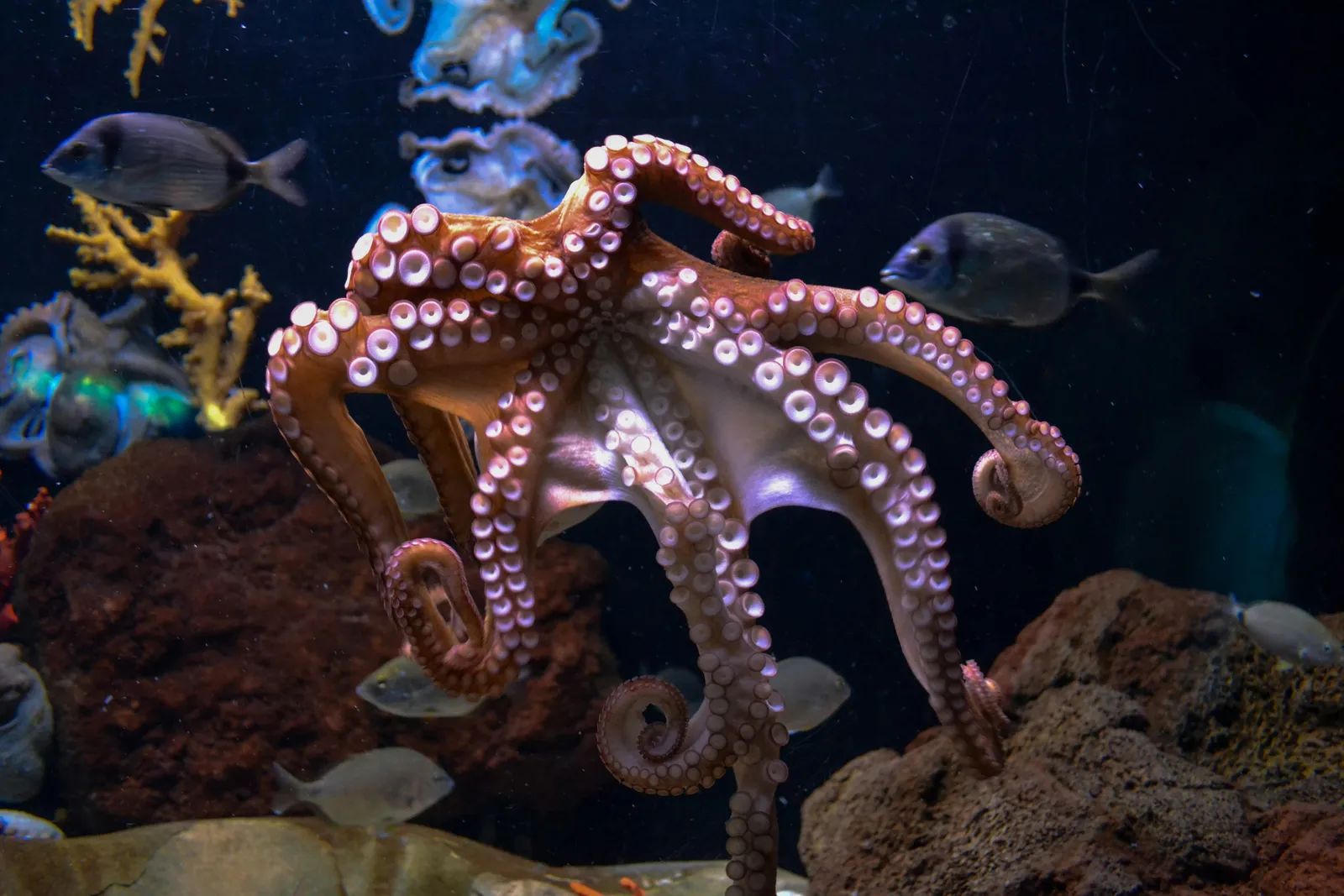
Recent findings from an expedition off the coast of Brazil highlight how little is known about the ocean’s midwater zone, the immense layer between the sunlit surface and the seafloor. Researchers identified 31 species new to science during the work, among them a giant octopus observed consuming a jellyfish and an exceptionally swift gossamer worm. The discoveries illustrate both the biological richness of this habitat and the value of advanced tools that allow faster species confirmation than traditional methods have permitted.
The Scale of the Unknown
The midwater zone covers more volume than any other habitable environment on Earth, yet it has received far less attention than coastal waters or the seafloor itself. Expeditions in this realm often encounter organisms that have never been recorded, because the area lies beyond easy reach of most research vessels and submersibles. The Brazil survey adds concrete evidence that large numbers of species still await documentation. Such gaps in knowledge matter for understanding ocean food webs and carbon cycling, processes that influence global climate regulation. Without baseline data on the creatures living in this zone, scientists have limited ability to predict how changes in temperature or chemistry might affect them. The new records therefore serve as reference points for future monitoring efforts.
Striking Examples From the Catch
One of the most visually arresting finds involved a large octopus actively feeding on a jellyfish, behavior that offers clues about predator-prey relationships in the midwater. Another standout was a gossamer worm capable of rapid movement, a trait that likely helps it evade predators or capture prey in the three-dimensional space of the open ocean. These two examples stand out because they demonstrate adaptations that are difficult to observe in shallower or deeper zones. The octopus’s interaction with the jellyfish, in particular, shows that even gelatinous organisms play a more active role in the food chain than previously appreciated. Both species were documented with sufficient detail to support formal descriptions in a relatively short time.
Technology Shortening the Timeline
Traditional species descriptions can require years of careful morphological study and genetic analysis. In this case, the team used 3D laser scanning and high-resolution microscopy to capture diagnostic features quickly, allowing confirmation of novelty within days rather than months. The approach does not replace the need for thorough taxonomic work, but it accelerates the initial sorting of specimens and reduces the backlog that often delays publication. Similar tools are becoming more common on research cruises, suggesting that the pace of discovery in remote ocean regions may increase in coming years.
What Matters Now
Future surveys will likely reveal additional organisms, yet each new record also raises questions about distribution, abundance, and ecological roles that cannot be answered from a single expedition. Sustained investment in both technology and taxonomic expertise will determine how quickly those questions receive answers.