You’ve done the research, saved up for months, and finally booked that dream American road trip or city getaway. Then you arrive. The crowd is suffocating, the prices are jaw-dropping, and the thing you came to see is… a concrete slab. Or a cracked bell. Or a dirty sidewalk. It happens more often than most travel influencers will ever tell you.
Nearly 90% of Americans have been victims of a tourist trap at least once in the past two years, according to a 2024 survey by PhotoAid. That’s a staggering number when you think about it. From coast to coast, overhyped landmarks are quietly collecting regret along with admission fees. So before you waste your precious vacation days, let’s go through each one honestly.
1. Fisherman’s Wharf, San Francisco, CA
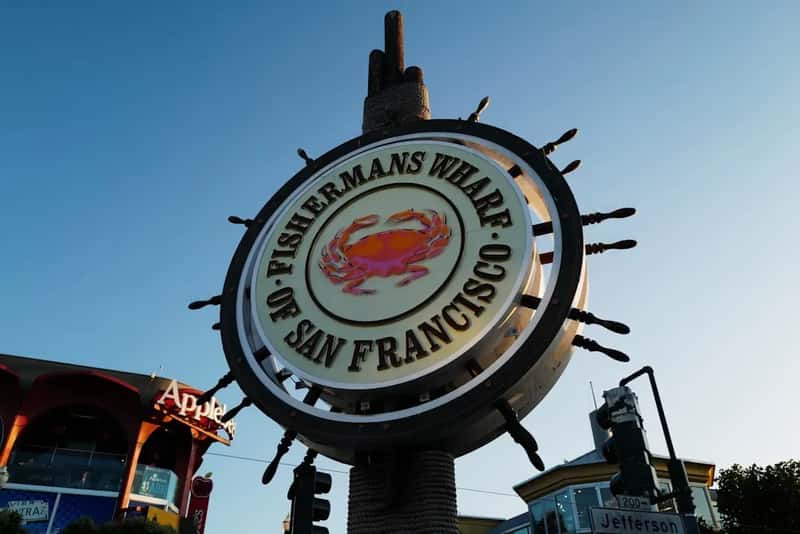
Let’s start with the reigning king of American tourist traps. Casago’s study identified Fisherman’s Wharf in San Francisco as the biggest tourist trap in the United States and the world. That’s not a small claim.
On paper, Fisherman’s Wharf has all the hallmarks of a must-see waterfront district: bobbing sea lions at Pier 39, steaming bowls of clam chowder, and postcard views of Alcatraz. Yet the same features that draw roughly 10 million people a year also lead to shoulder-to-shoulder crowds. One TripAdvisor user described the area as “dirty, run down, and overcrowded.” Parking costs, aggressive souvenir hawkers, and long food lines further sour the experience.
2. Wall Drug, Wall, SD
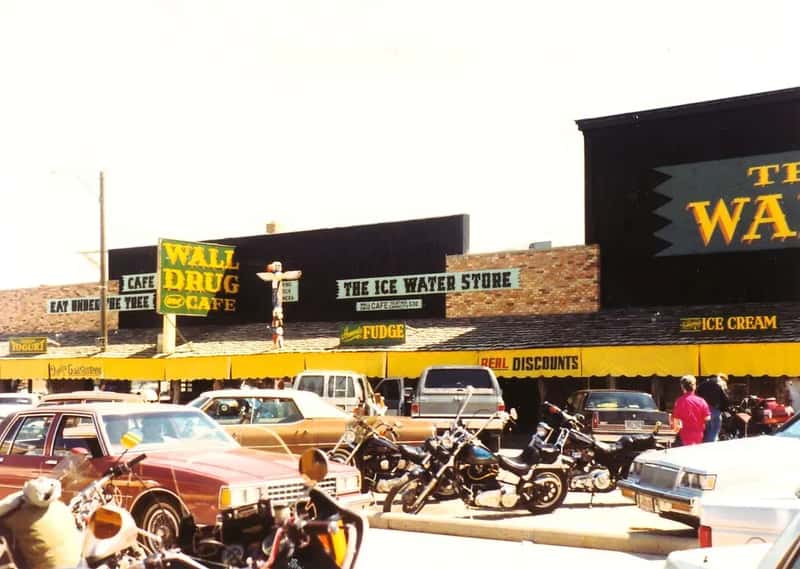
Topping the national list with 1,000 mentions each are Fisherman’s Wharf in San Francisco and Wall Drug in South Dakota, two iconic stops that draw millions but leave many feeling duped.
Wall Drug, a roadside attraction that began as a humble pharmacy in 1931, has built a reputation on free ice water, 5-cent coffee, and over-the-top Western kitsch, including an 80-foot dinosaur and a giant jackalope. Wall Drug says it draws more than 2 million visitors a year, yet review-based rankings in 2025 still placed it at the very top of America’s tourist-trap conversation. The regret many travelers describe is not that it exists, but that the legend can feel larger than the experience once the jokes, signs, and souvenirs finally come into view.
3. Times Square, New York City, NY
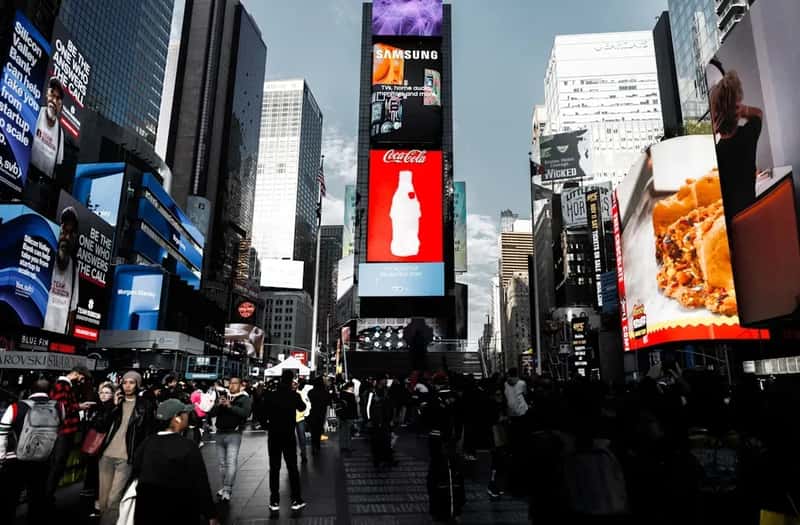
Times Square remains one of the country’s most recognizable crossroads, with roughly 220,000 pedestrians entering the district on an average day in 2024 and even higher counts on peak days. Sounds exciting until you’re actually stuck in it.
Many travelers say the same features that make it iconic also make it draining: dense crowds, inflated prices, nonstop advertising, and the odd sense of standing inside a commercial rather than a city block. Review-based rankings and frequent-traveler accounts keep placing it near the top of the regret pile, not because it lacks energy, but because the energy can feel strangely impersonal once the novelty fades.
4. Graceland, Memphis, TN
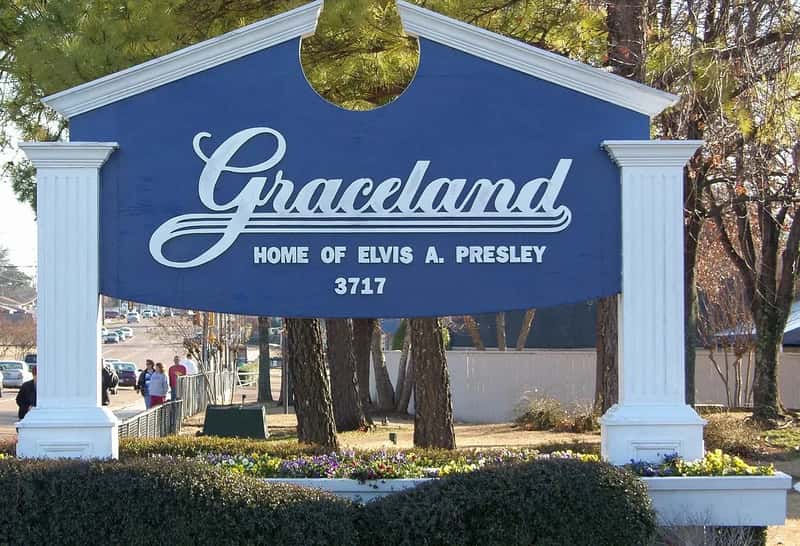
Topping one major overpriced list is Graceland, with 206 reviews calling it a “tourist trap” and an entry fee of $84. Though undeniably historic, many visitors complain about the extremely long waits and the poor organization of the attraction.
In 2025 tourist-trap analysis, Graceland ranked among the country’s most expensive disappointments, with criticism focused on long waits, heavy commercialization, and the sense that devotion to Elvis is being monetized at nearly every step, from entry to add-ons to the final gift-shop drift. With 3.19% disappointing reviews, Graceland ranks second nationally. While Elvis fans treasure the site, many visitors complain of cramped tour spaces and long waits. Tennessee attractions like Beale Street generally receive more favorable ratings, suggesting Graceland’s fame doesn’t fully match the visitor experience.
5. Grand Canyon Skywalk, Grand Canyon West, AZ
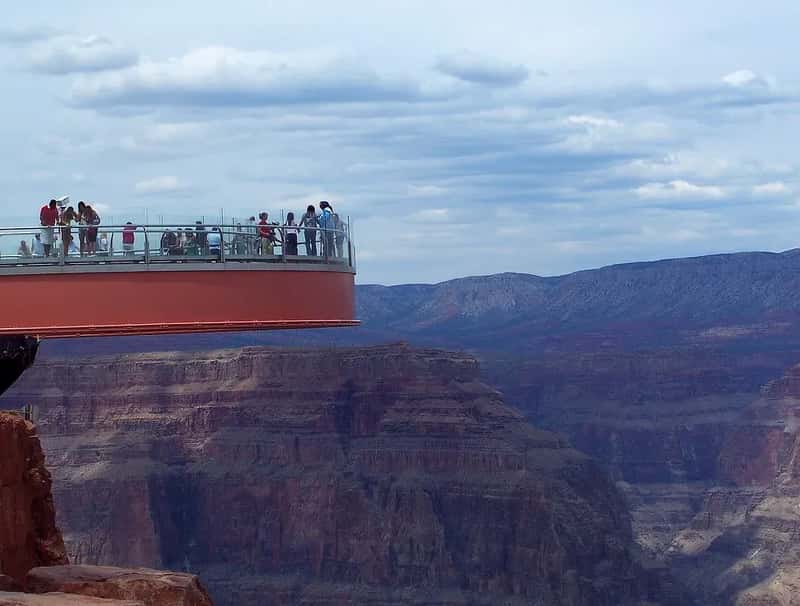
The Grand Canyon Skywalk promises a dramatic image: a glass bridge hanging 4,000 feet above the canyon floor at Grand Canyon West. That promise is powerful, which may be why the letdown can hit so hard for travelers who expected transcendence and felt instead a tight choreography of pricing tiers, queues, and add-ons.
In second place for overpriced traps is the Grand Canyon Skywalk, with 204 mentions of “tourist trap” and a hefty entry fee of $84. While it remains one of the most visited landmarks in the world, many visitors feel the price doesn’t match the experience, especially since the different pricing options were switched for the $99 all-access pass. The total cost of dissatisfaction here adds up to $13,872.
6. Hollywood Walk of Fame, Los Angeles, CA
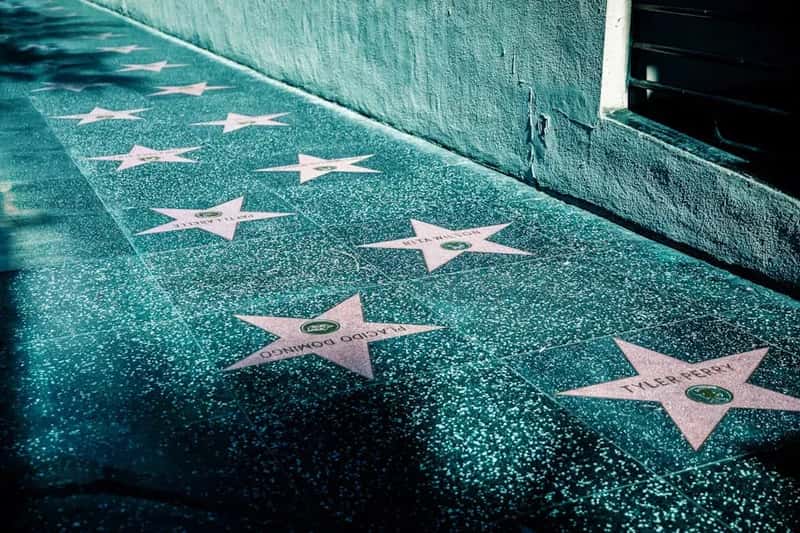
Well over ten million people visit this sidewalk every year. One travel expert noted that visiting the Walk of Fame is like “playing bumper cars with other guests. Everyone is looking at the ground and trying to snap pictures.” Overly pushy buskers also frequent the Walk of Fame, ready to separate you from your money.
The area around the Walk of Fame is not as glamorous as you might imagine. One reviewer noted that it is filled with “row after row of car dealerships and abandoned buildings.” While over 2,500 individualized sidewalk panels bear the handprints of famous stars, many of these monuments are in a serious state of disrepair. Factor in that the landmark is lined with overpriced retail shops and tattoo parlors, and you’re sure to leave somewhat disappointed. Similar to Times Square, the Walk of Fame is filled with creepy costumed characters asking for photo ops in exchange for your money.
7. Navy Pier, Chicago, IL
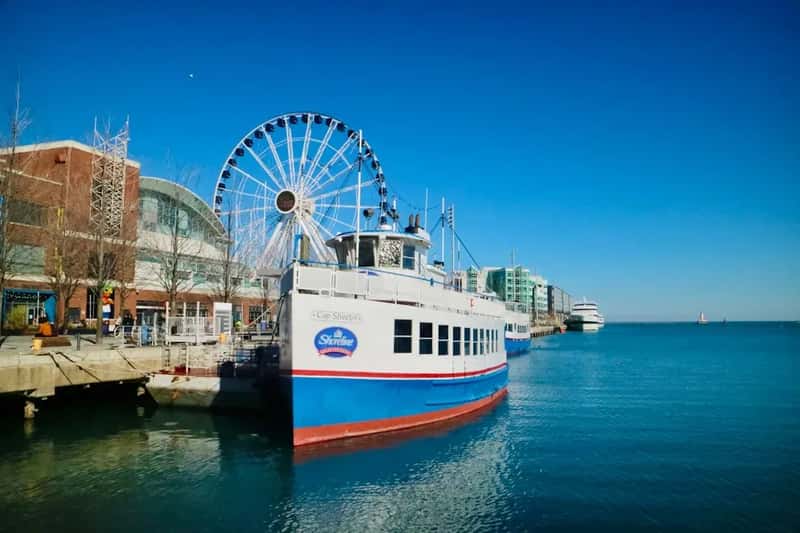
Topping one major disappointment list, Navy Pier registers 6.14% of its TripAdvisor reviews as disappointing, the highest share nationally. Visitors frequently cite overcrowding and overpriced food as major letdowns. Compared to other Illinois attractions, Navy Pier stands out as a costly stop that doesn’t always deliver the expected Chicago charm.
Chicago’s Navy Pier is often packed with tourists and offers little that can’t be found in any other city’s waterfront entertainment district. Despite its popularity, the attractions are mostly generic rides and chain restaurants. A more worthwhile visit to Chicago would include architectural river tours or exploring the Art Institute.
8. Las Vegas Strip, Las Vegas, NV
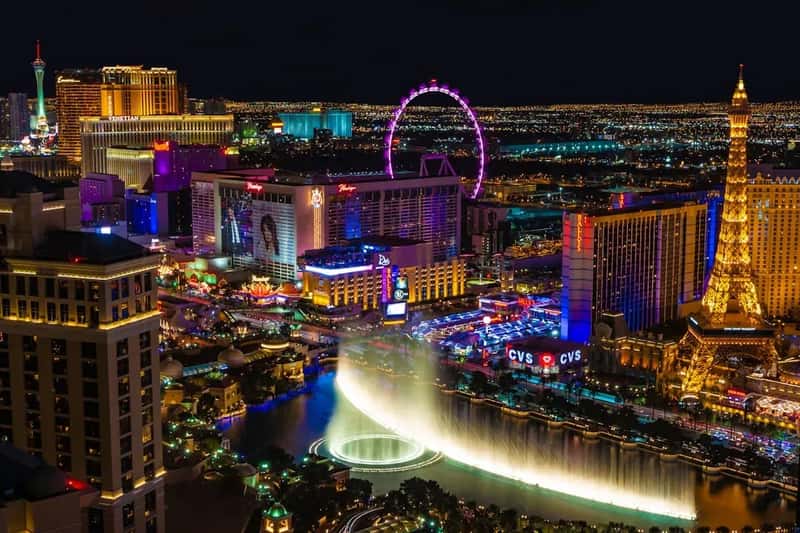
Vegas has transformed from affordable entertainment to a place where hidden fees and inflated prices ambush you at every turn. Resort fees, parking charges, and overpriced everything have replaced the budget-friendly Sin City many remember.
On social media, viral “ghost town” stories circulated about Vegas in 2025. The place has faced a chorus of complaints about its “nickel-and-diming” of guests, as its once-affordable resorts have become luxury destinations. Honestly, if gambling isn’t your thing, the Strip is just a very expensive, very sweaty walk between casinos.
9. Four Corners Monument, AZ/CO/UT/NM
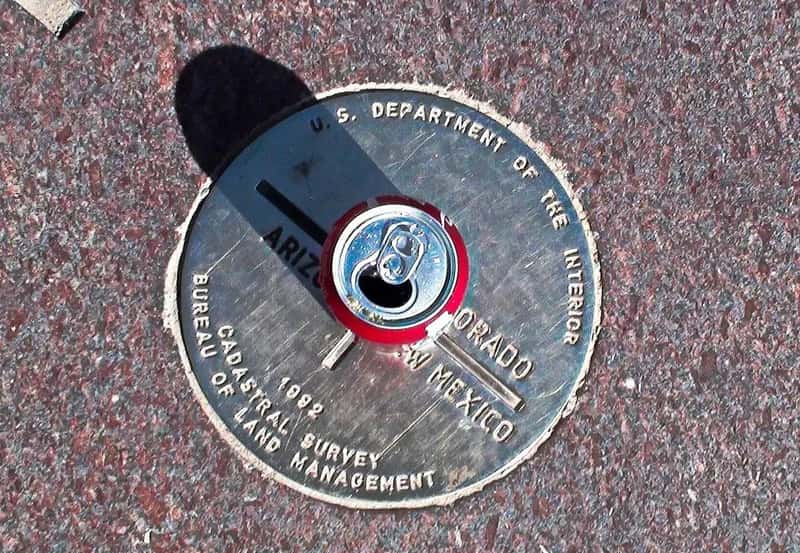
Standing in four states simultaneously sounds cool in theory. The problem is that this attraction amounts to little more than a concrete slab in a remote location with an entrance fee attached. It’s hours from other big vacation destinations, so between that and its $8-per-person entry fee, many tourists didn’t feel it was worth the effort or expense.
Just two problems: the Monument is so far from anything else that you’d be crazy to make a special journey to see it, and second, the Monument doesn’t actually mark the point at which the states touch – that’s over a third of a mile away. That second detail, I’ll be honest, is genuinely surprising.
10. Mount Rushmore, Keystone, SD
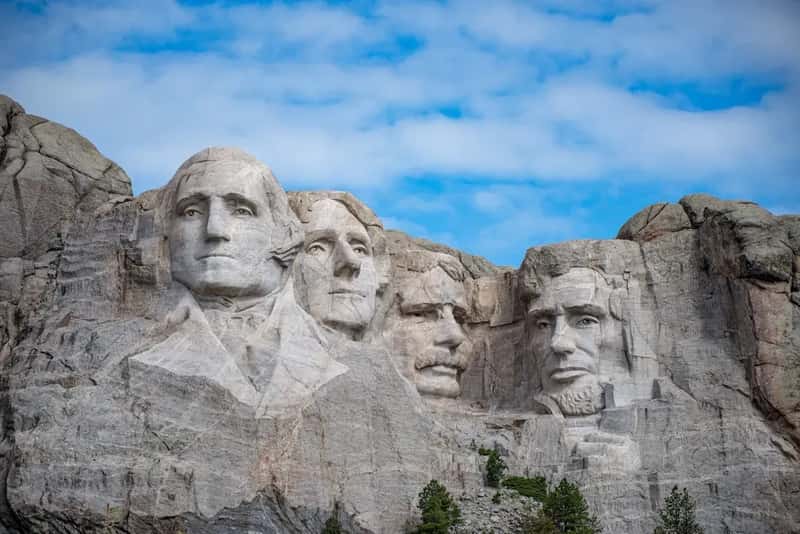
The top spot on one list of the most overrated attractions in the U.S. belongs to Mount Rushmore. Although it is a historic monument, travelers might be a little disappointed after taking the long trip to South Dakota just to look at some faces carved into the rock.
Mount Rushmore draws more than two million visitors annually, and many leave feeling underwhelmed. Up close, the granite sculpture is smaller than you’d think and takes all of five seconds to absorb. Then you realize there’s not much else to do besides walk up a bunch of steps on a subpar nature trail, check out some state flags, and pop into an average museum.
11. Kennedy Space Center, FL
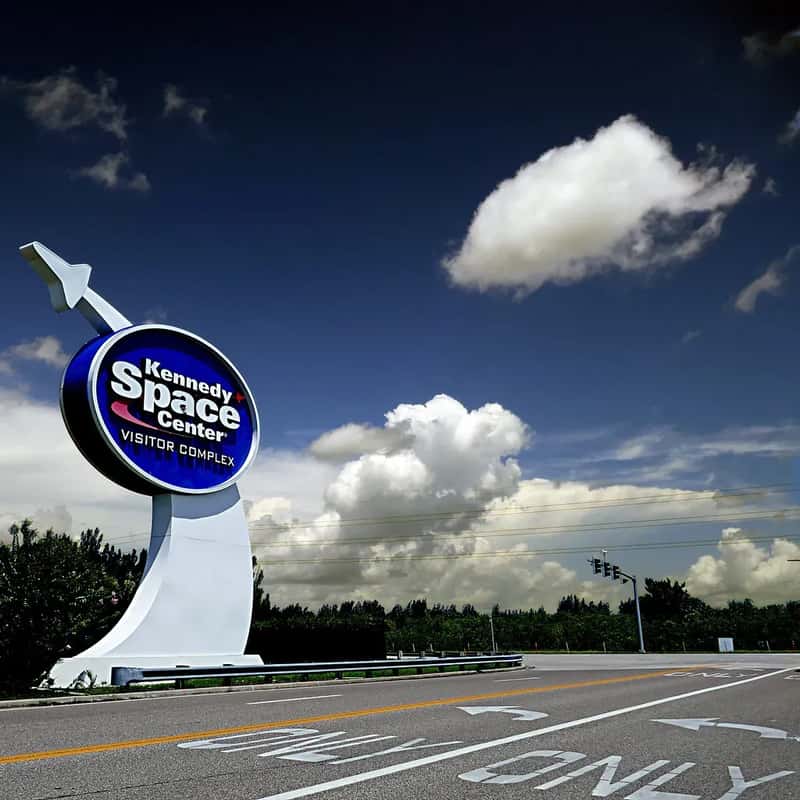
New research has revealed which tourist attractions in the US are the most disappointing, with the Kennedy Space Center ranking on top. Of all the entries on this list, this one surprises people the most.
You’d think a place dedicated to space exploration would consistently inspire visitors, yet it leads the list of disappointing American attractions based on traveler reviews collected in 2024. Many tourists have high expectations based on marketing, reputation, or hearsay. Analyzing reviews helps understand where these expectations are not being met, as well as indicate problems with the attraction itself, such as poor maintenance, overcrowding, or unfriendly staff. The gap between what people expect from America’s space program headquarters and what they actually experience creates significant disappointment.
12. Liberty Bell, Philadelphia, PA
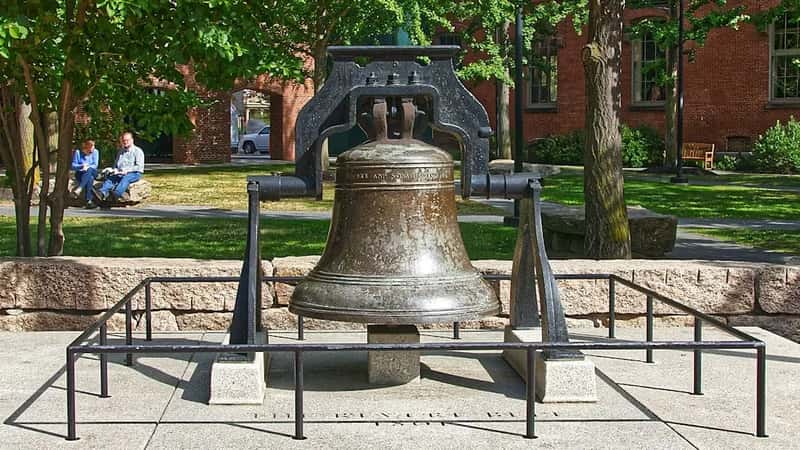
The Liberty Bell is an important symbol of American independence, but its small size and the lengthy wait to see it can be disappointing. It draws over 2 million visitors to Philadelphia each year.
Philadelphia’s Liberty Bell is an icon of American independence, but the viewing experience can be underwhelming due to its stationary display and the large crowds it attracts. The bell is encased in glass, and visitors often spend only a few minutes viewing it after a long wait. Exploring Independence Hall or the Museum of the American Revolution nearby offers a richer historical context.
13. Niagara Falls (US Side), NY
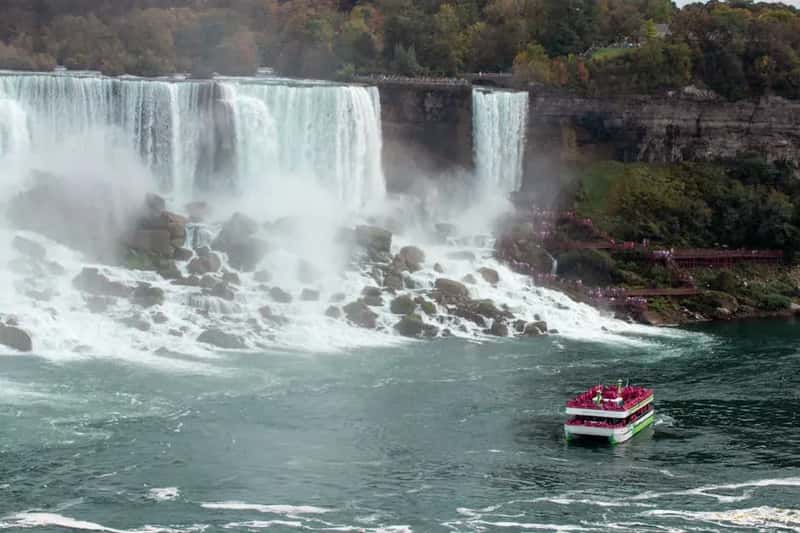
Niagara Falls State Park is a name that evokes images of thundering waters and stunning views, yet it can be surprisingly hit or miss for many visitors. The park is beautiful, with over 400 acres of landscaped surroundings, but some travelers find the experience lacking once the initial awe of the falls wears off. About 13 million people visit Niagara Falls each year. Many, however, leave wishing for more than just a glance at the iconic waterfalls. Beyond the falls, the park doesn’t quite deliver the thrilling adventures or engaging experiences one might expect.
Everything from toiletries to gifts is overpriced, making Niagara Falls one of the largest tourist traps in the U.S. The falls themselves are genuinely awe-inspiring. The surrounding area, not so much.
14. The Alamo, San Antonio, TX
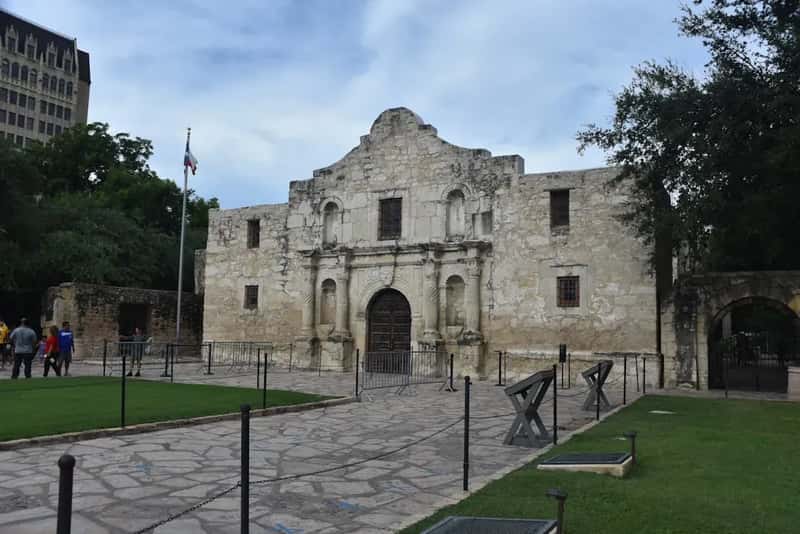
The Alamo’s 2.73% disappointing review share places it fourth among nationally ranked disappointments. Despite its historical importance, visitors often mention minimal exhibits and overcrowding. Texas landmarks like the San Antonio River Walk provide more immersive experiences, highlighting a gap between expectation and reality at this iconic site.
The Alamo stands as a symbol of Texan bravery, yet many are surprised by its modest size. Nestled in bustling downtown San Antonio, the historic site contrasts with towering modern buildings around it. Visitors may find the experience more subdued than expected, with the site’s small scale and urban setting. The story of the Alamo is powerful, but the surroundings can feel disconnected from the historical narrative.
15. Bourbon Street, New Orleans, LA
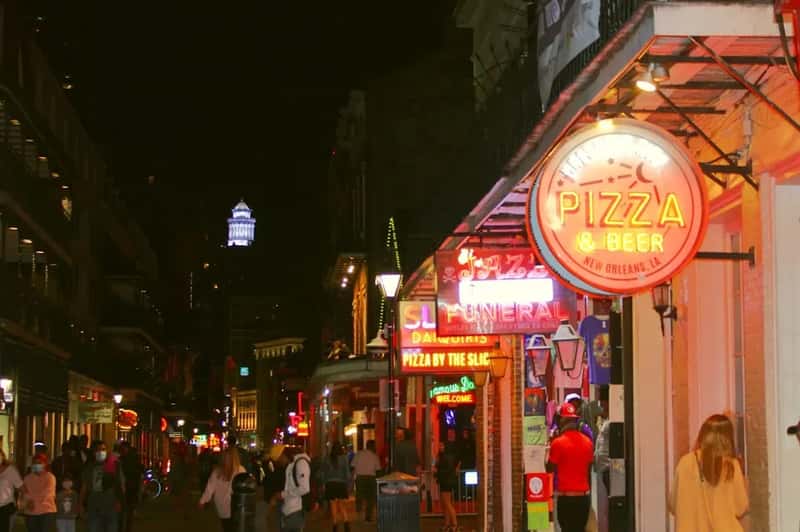
Litter, strip clubs, and whiffs of urine or worse from drunken revelers on Bourbon Street don’t make for a pleasant experience, and it’s overcrowded. New Orleans itself is beautiful, and the culture and music can be soul-stirring. Instead, go to Jackson Square, Royal Street, Frenchmen Street, or the Warehouse Arts District.
New Orleans’ Bourbon Street is renowned for its vibrant nightlife but can be off-putting due to its intense crowds, noise, and somewhat raucous behavior. The street often loses the charm and cultural richness that characterize the rest of the city. Exploring the quieter, more artistic Faubourg Marigny or the historic Garden District might prove more rewarding.
16. Space Needle, Seattle, WA
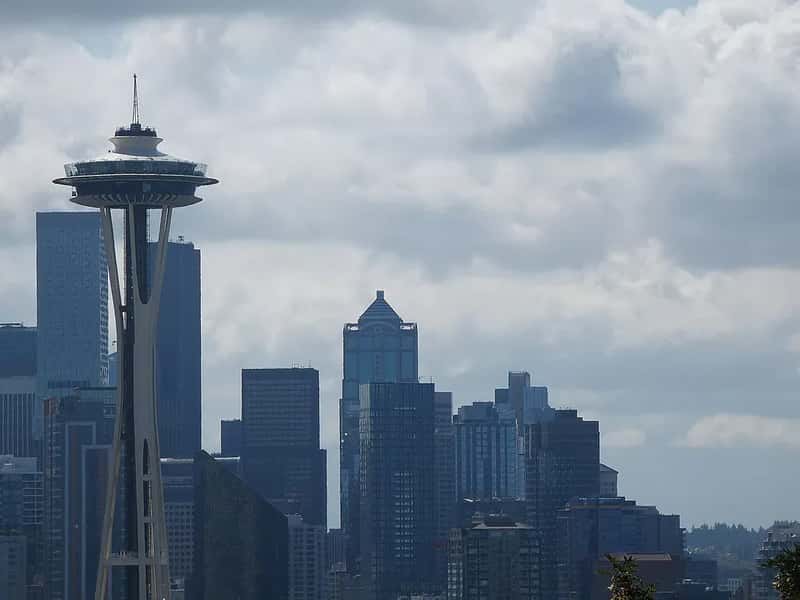
The Space Needle attracts around 1.3 million visitors yearly. As you glide upwards in the glass elevator, reaching the observation deck, you’re greeted with sweeping 360-degree views of the city and Mount Rainier. Despite these incredible views, the high ticket prices and long wait times can be frustrating. For the price, many locals claim you can get a better view from other points in Seattle.
Seattle’s Space Needle has 2.65% of visitors marking it disappointing. Complaints focus on high ticket costs for a brief viewing experience. Nearby attractions, such as Pike Place Market, earn higher satisfaction, suggesting that the Space Needle’s view may not justify the price for many tourists.
17. Lombard Street, San Francisco, CA
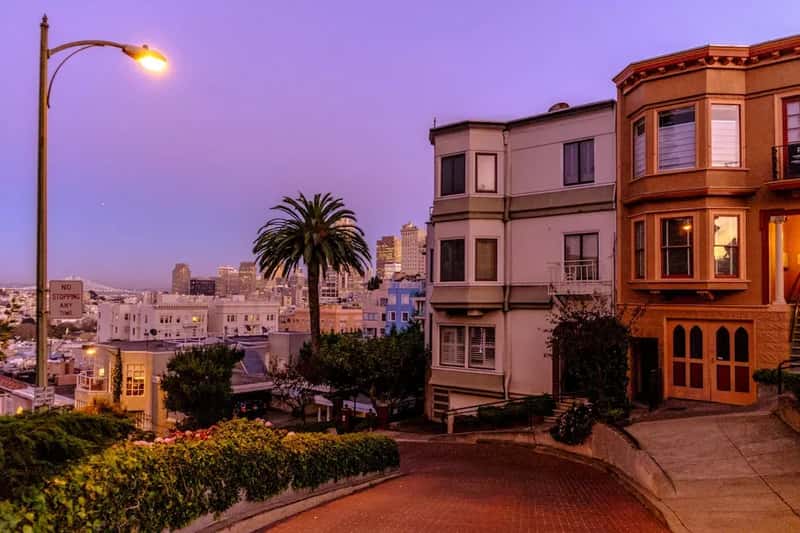
This short portion of Lombard Street is considered one of America’s biggest tourist traps because it is perpetually slammed with visitors. Some two million tourists visit this compact and congested area every year. Sometimes as many as 17,000 a day traverse Lombard Street in peak season. The congestion is so bad that locals have proposed charging a fee to travel the road in an attempt to cut down on the number of tourists.
In reality, this one-block section of Lombard Street is overhyped. Yes, the zigzagging road design is cool, but it is short. It does offer some good views, but there are much better spots in other parts of the city.
18. Waikiki Beach, Honolulu, HI
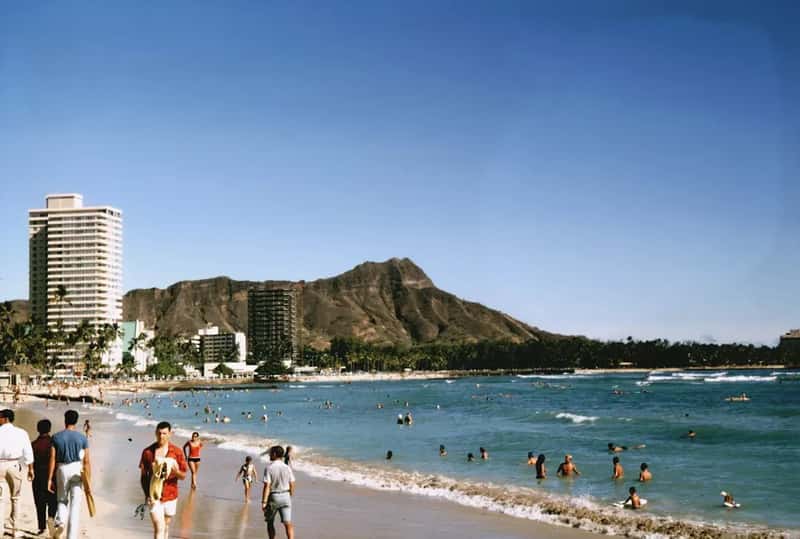
Fantasy and reality are frequently at odds on Waikiki Beach. If you’re anticipating perfect sand and a surfing utopia, think again – it’s more like a rocky pool. Between the often tacky hotels, compact, congested beach, and sky-high rental costs for chairs and umbrellas, you’d do well to seek a swimming haven elsewhere in Hawaii. If you go, prepare to lay your towel right next to a stranger.
Honolulu’s Waikiki Beach is undeniably beautiful, but it’s also one of the most crowded beaches in Hawaii. The area is surrounded by high-rise hotels and lacks the tranquility many associate with a Hawaiian vacation. For a more serene experience, Maui’s beaches or the Big Island’s volcanic landscapes are superior choices.
19. Plymouth Rock, Plymouth, MA
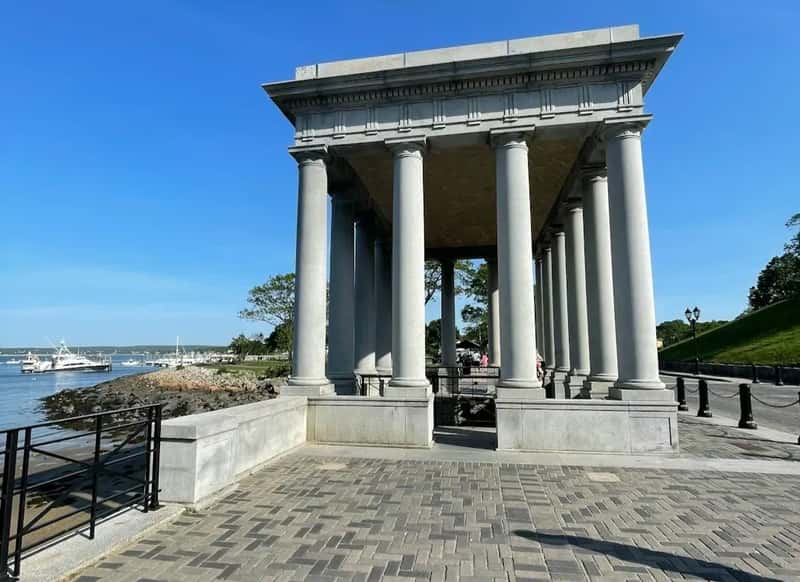
Making the trip to Plymouth Rock sounds cooler than it actually is, mostly because it’s just a rock in the sand without any tangible evidence that this was the pilgrims’ stepping stone to the new world. That sentence really does say it all.
Plymouth Rock, often imagined as monumental, is surprisingly modest in reality. Encased under a protective structure, the small rock can leave visitors underwhelmed. The site, steeped in history, lacks the grandiosity many expect, making it a quiet reflection spot rather than a thrilling destination. Tourists often find themselves peering over a fence, pondering the rock’s significance. While important historically, those expecting grandeur might be disappointed.
20. Dole Plantation, Oahu, HI
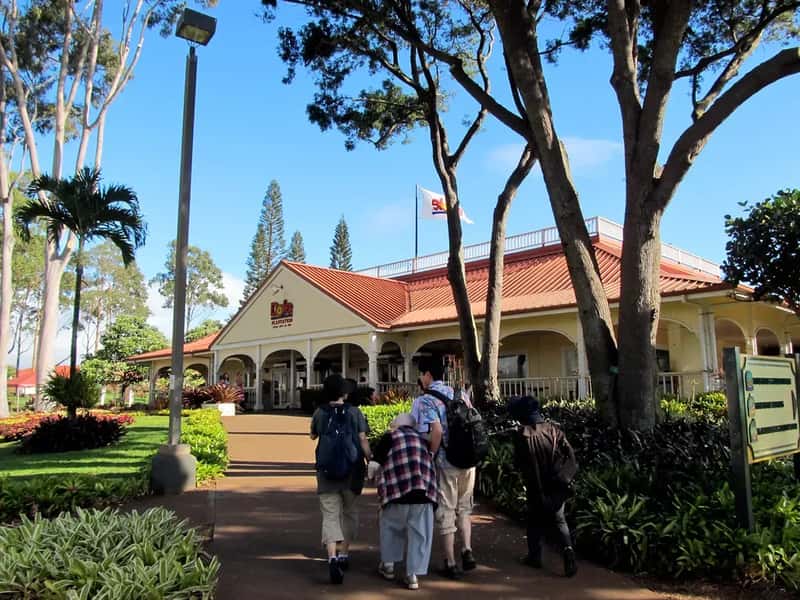
Dole Plantation is one of Oahu’s most popular tourist attractions. It celebrates all things pineapple, but in a way that many visitors find a bit expensive and over-the-top. Dole Plantation began as a fruit stand in 1950. Today, it is the self-proclaimed “Pineapple Experience” in Hawaii. Visitors can ride the narrated Pineapple Express Train, tour the Pineapple Garden, wander through the Pineapple Maze, and more.
Dole Plantation is often crowded and many guests leave feeling underwhelmed. However, as with most tourist traps, there are some redeeming features. Specifically, the Dole Whip is a delicious treat. Get ready to fork over some cash for it, though. As of this writing, a regular-sized cup of Dole Whip costs $7.50.
21. Biltmore Estate, Asheville, NC
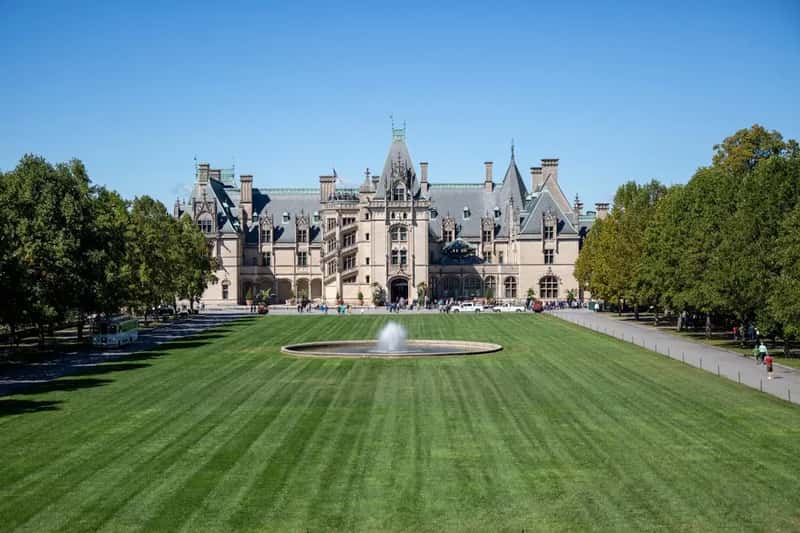
Third on one major overpriced list is the Biltmore Estate, North Carolina’s historic country estate. While it’s said to be the number one thing to do in Asheville, 99 reviewers called it a tourist trap because of the crowds and high ticket price.
North Carolina’s Biltmore Estate follows Graceland with 99 such “tourist trap” mentions and an eye-watering entry fee of $130. For that kind of money, you’d expect a private tour with a butler. What you often get instead is a shoulder-to-shoulder shuffle through ornate rooms behind a velvet rope.
22. SeaWorld Orlando, FL
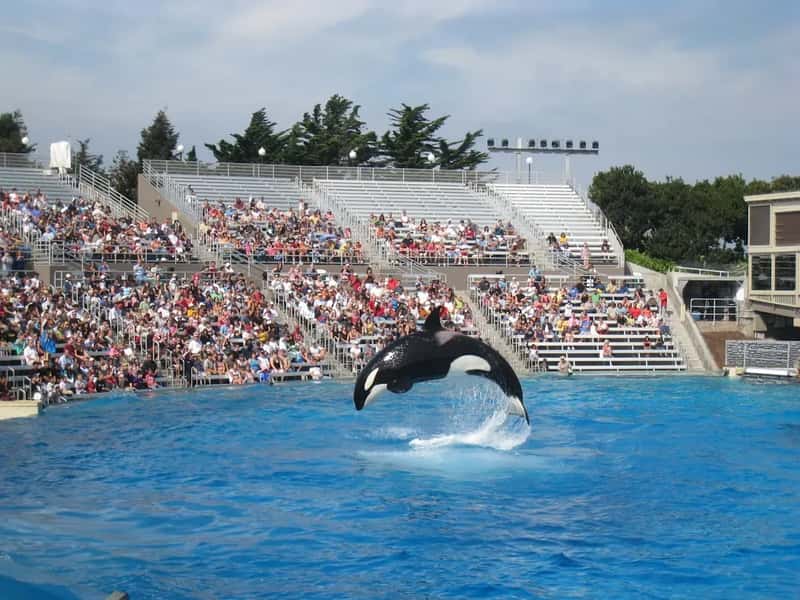
Promising “one-of-a-kind” animal experiences, “record-breaking” roller coasters, and kid-friendly rides galore, SeaWorld is a firm fixture on most families’ Orlando itineraries. The marine-themed park opened in the Florida city in 1973 as the third in the SeaWorld chain, offering wildlife shows and exhibits before rides became a core part of its offering in the 1990s.
Huge queues, overpriced food, poor service, rides all too often closed for maintenance, and concerns around animal welfare have seen this Orlando attraction underwhelm and appall many visitors. While the marine park still draws millions of visitors each year, its attendance figures have been falling steadily since 2019.
23. Salem, MA (In October)
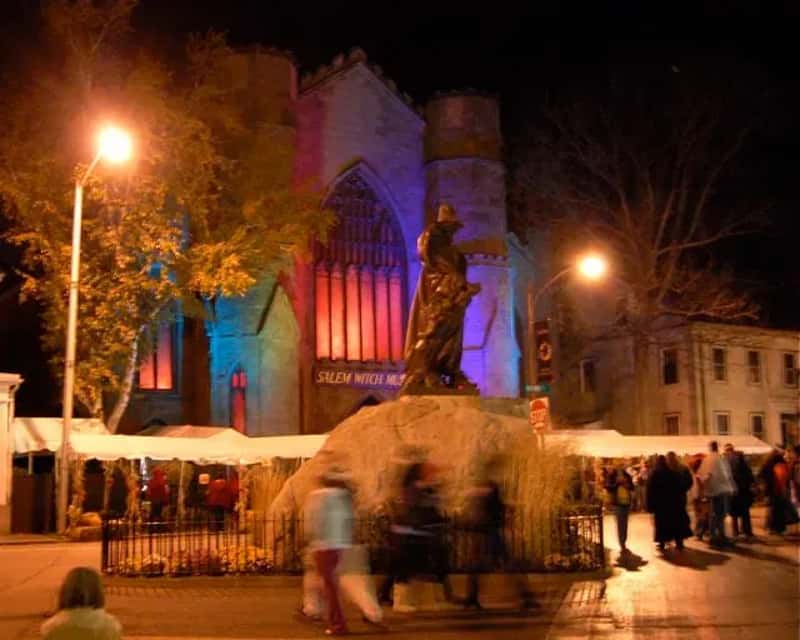
Wizard schools, ghost tours, and oddball Frankenstein and Dracula “museums” have taken over Salem, once a truly intriguing town. It dates to 1626 and is notorious for holding witch trials that led to the hanging of 19 innocent people. Tourist trap economics have come to trump historical charm, say travel bloggers, although the Salem Witch Museum is an exception.
Salem itself is clogged with tourists and tour buses year-round, but oppressively so in October when Halloween brings in even more visitors: over one million people visited the town in October 2024. Truly horrifying for those who hate crowds.
24. Mall of America, Bloomington, MN
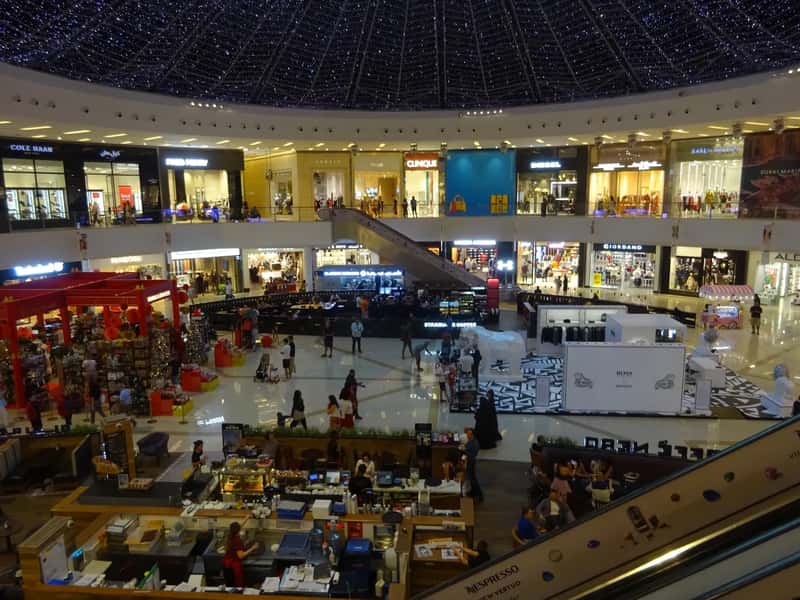
The Mall of America attracts 40 million visitors in a typical year with chain stores that most people probably have near their hometowns. Let that sink in. Forty million people, traveling to a mall, to shop at stores they already have at home.
The Mall of America boasts vast shopping and entertainment options, yet its size can overwhelm. With over 500 stores, the mall promises endless exploration, but the sheer scale often leads to exhaustion rather than enjoyment. Amusement park rides and diverse dining add to the allure, but navigating the crowds can prove challenging. Visitors in search of unique finds might be disappointed by the mall’s commercial feel. For a more relaxed shopping experience, exploring smaller local boutiques in Minneapolis can offer a refreshing change.
25. Pike Place Market, Seattle, WA
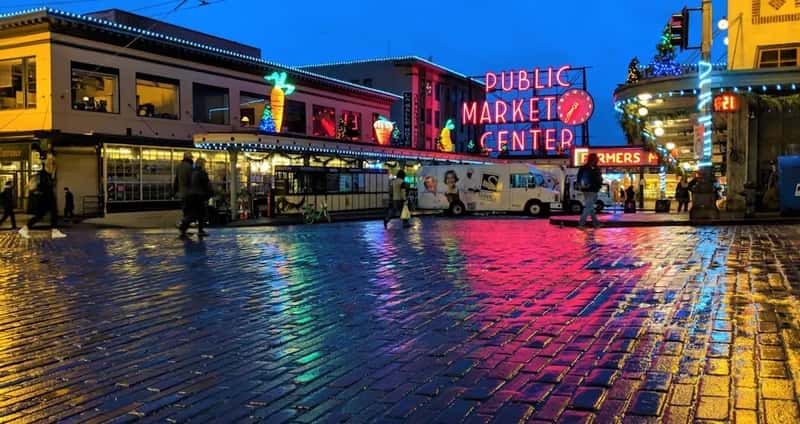
Pike Place Market is famous for its fish-throwing tradition and bustling stalls, but it can also be overly crowded and touristy. While it offers some great local flavors and interesting shops, visitors should be prepared for high prices.
When you stroll through Seattle’s bustling Pike Place Market, the sight of the so-called “original Starbucks” might catch your eye. It’s a charming little coffee shop that seems to be bursting with authenticity. But before you join the long line, consider a little-known fact. The store that stands there today isn’t the true original; it’s more of a replica, as the real birthplace of this global coffee brand was in a different location and no longer exists. You might notice the blend isn’t rare, and those pastries can be found at any other branch. It’s simply the allure of being part of something historic that draws the crowd.
26. Statue of Liberty, New York, NY
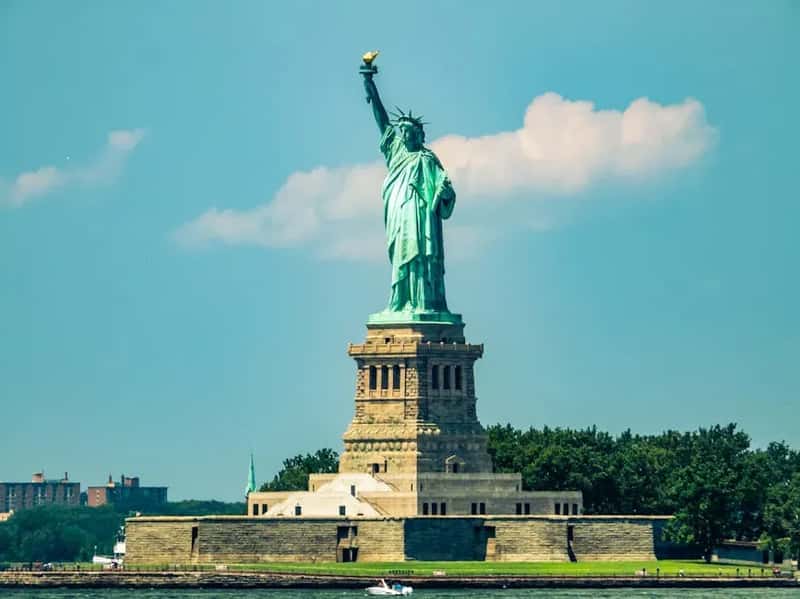
While it’s an American icon, the Statue of Liberty can be a letdown due to the long wait times for the ferry and the quick hustle through the statue itself. For many, the view from the boat or from Battery Park might be enough.
Many tourists may feel underwhelmed upon arrival as access to the statue is limited, with only about 240 people permitted daily. Visitors can view Lady Liberty from afar or take a ferry to Ellis Island to explore its history and role in immigration to America. Honestly, the view from the free Staten Island Ferry is arguably just as iconic.
27. South Beach, Miami, FL
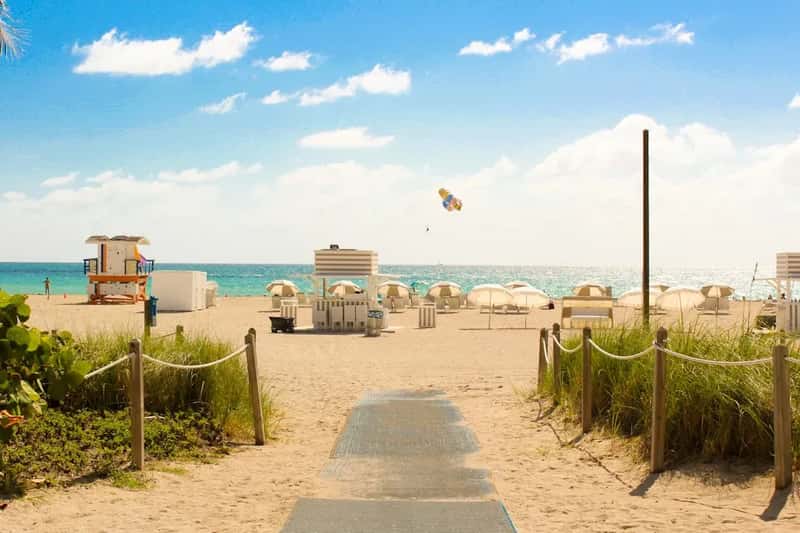
South Beach is synonymous with Miami’s vibrant culture, but it’s also known for its high costs and sometimes superficial party scene. Those in search of a more relaxed or cultural experience might find the area’s emphasis on style over substance a bit too much.
South Beach is famous for its nightlife and beaches, but it can also be overly crowded and expensive. For a more relaxed vibe, consider driving down to the Florida Keys. The laid-back atmosphere, coupled with stunning ocean views and excellent snorkeling, makes for a perfect getaway.
28. World of Coca-Cola, Atlanta, GA
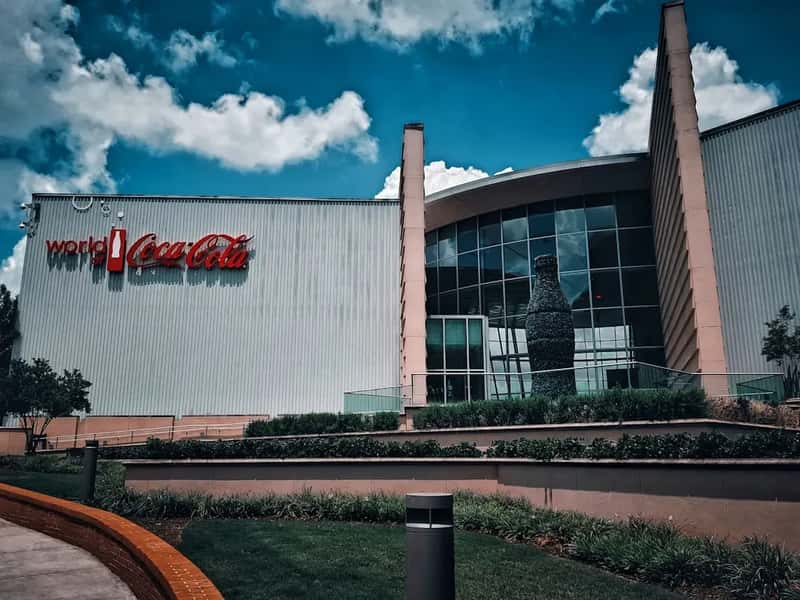
Coca-Cola is arguably the world’s most famous drink, invented in downtown Atlanta by pharmacist John S. Pemberton in 1886. The World of Coca-Cola opened in 1990 to show fans of the fizzy stuff where its story began. The attraction moved to its current, larger premises on Pemberton Place in 2007, promising a multimedia sensory journey where visitors could discover the history and science behind the beverage.
Here’s the thing: at its core, it’s a very expensive brand marketing experience. You pay to learn about a soft drink and then sample dozens of its variations. Travelers consistently report that the novelty wears off fast, the lines are long, and the admission price feels steep for what is effectively a commercial museum funded by one of the world’s richest corporations.
29. The Gateway Arch, St. Louis, MO
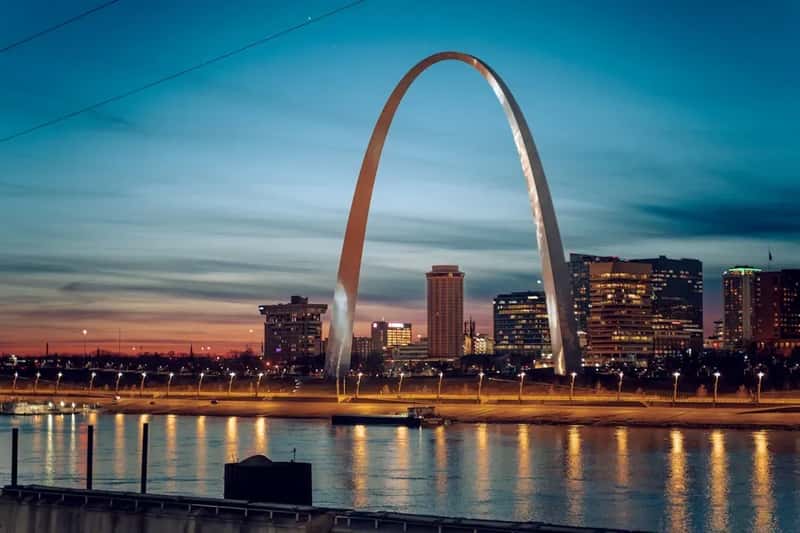
While the Gateway Arch is an engineering marvel, the actual experience – especially the cramped ride to the top – can be disappointing for those expecting more than panoramic views of the St. Louis skyline.
The tram capsules that carry visitors to the top are genuinely tiny, claustrophobic, and slow. Once you arrive at the apex, the viewing windows are small and the view is limited. The Arch itself is far more impressive from the outside than the inside. It’s one of those experiences that is much better as a photograph than as a personal memory.
30. Duval Street, Key West, FL
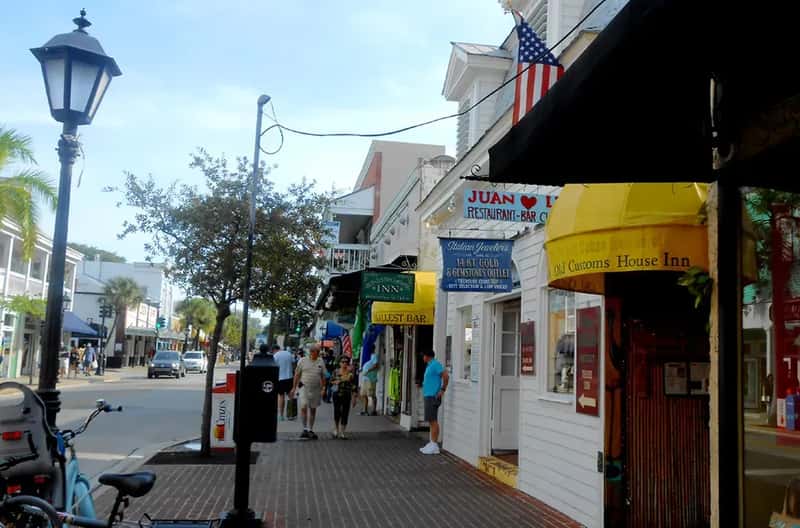
At the heart of Key West, Duval Street dates back to the early 1900s. It has been dubbed “the longest street in the world,” running from the Gulf of Mexico to the Atlantic Ocean. This fabled, mile-long thoroughfare in the Conch Republic’s Old Town is home to some of the island’s most picturesque historic buildings, including some legendary bars. The street tops most tourists’ lists when exploring the island for the first time. For all its old-world charm though, is this notorious party stretch still a must-do?
Duval Street in Key West is filled with tacky bars and trinket shops. The bars charge tourist prices that make your eyes water, and much of the authentic Key West character has been slowly buried under neon lights and souvenir shops. There’s a charm there somewhere, but you have to work hard to find it.
31. Calico Ghost Town, Calico, CA
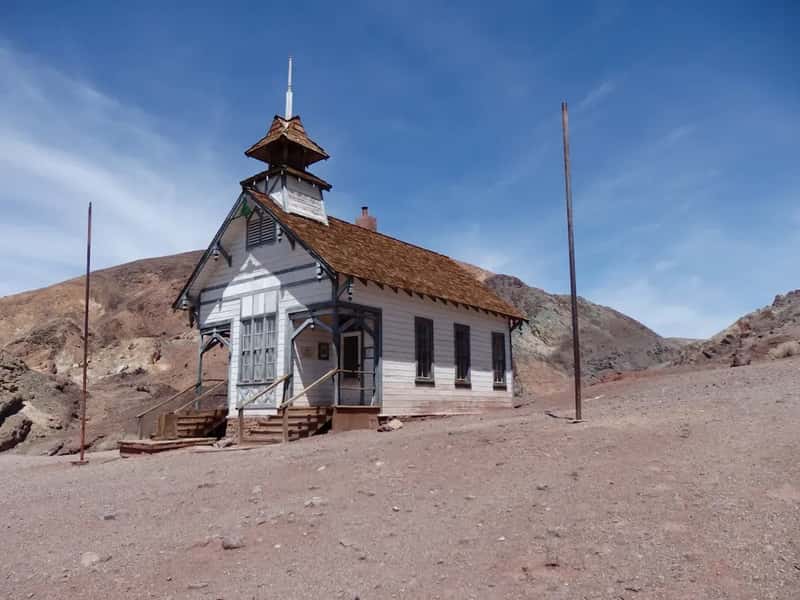
A dusty old silver mining town in the parched Calico Mountains of the Mojave Desert, Calico dates back to 1881 and was a bustling community until silver lost its sheen and the workers abandoned the town to the elements. Its weatherworn buildings were restored by Walter Knott in 1951 and it became a popular tourist attraction. The question is whether the ghost town is a romantic remnant of the Wild West or an overcommercialized trap.
While the location is arresting and the “ghost town” has plenty of charm and retains some of its original buildings, it does feel more like a Disney-fied reproduction of a Wild West town as opposed to many other more authentic deserted mining towns in the west. After all, it’s hard to suspend your disbelief when you see a Starbucks in one of the buildings.
32. Santa Monica Pier, Santa Monica, CA
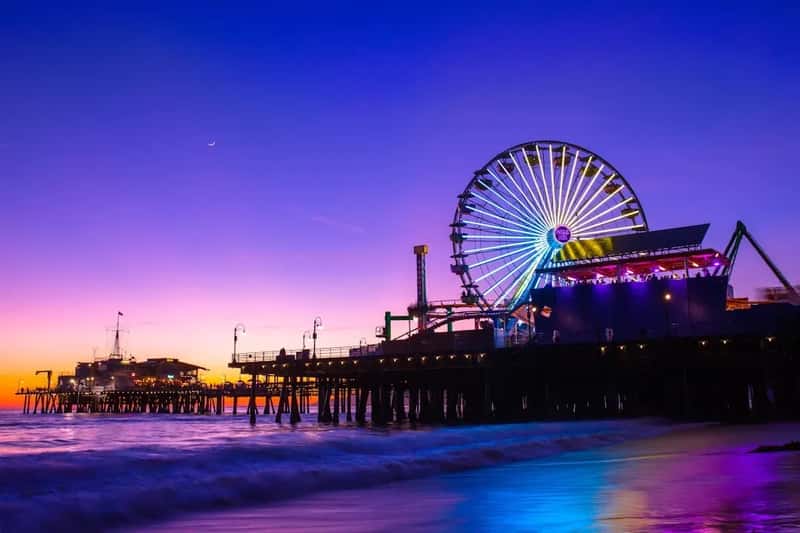
Santa Monica Pier in California is a classic beachfront attraction but often falls short of expectations with its typical amusement park rides and fast-food outlets. The pier can be excessively crowded, especially during the summer months. For those seeking a more relaxing and picturesque coastal experience, Malibu or Zuma Beach offers better alternatives.
The pier looks exactly like it does on TV, which is perhaps the problem. Nothing surprises you. There is a Ferris wheel, some carnival games, overpriced churros, and a lot of bumping into strangers. It is a perfectly fine place to spend an afternoon, but it is not the magical coastal experience that its marketing suggests.
33. Gatlinburg, TN
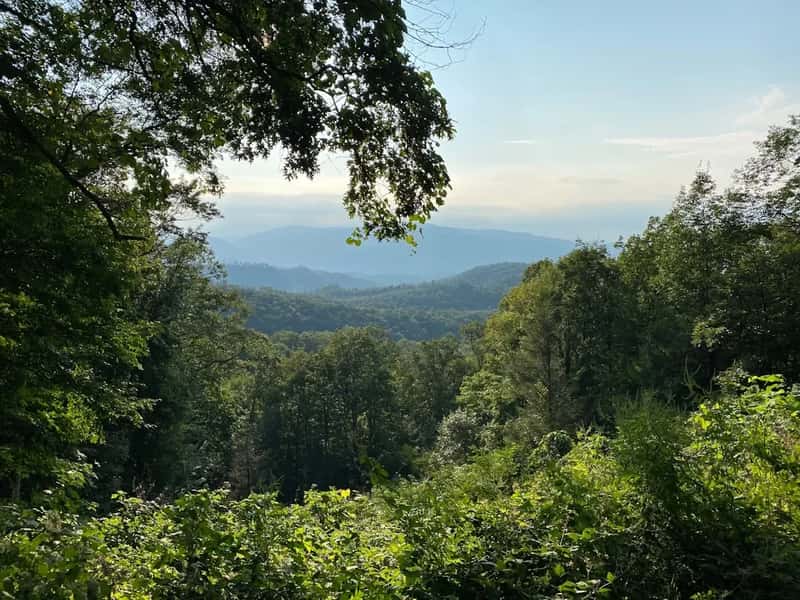
Gatlinburg, Tennessee, is a gateway to the beautiful Great Smoky Mountains, but the town itself is often criticized for its commercialized tourist attractions, including kitschy museums and themed restaurants. The natural beauty of the area is somewhat overshadowed by these developments. For a purer nature experience, visitors might prefer the quiet and less commercialized areas of the Smoky Mountains.
It’s almost a perfect metaphor: one of the most stunning national parks in the country is right there, free to explore. Yet somehow, visitors end up paying admission to enter a Ripley’s Believe It or Not exhibit or a mystery gravity house. The Smoky Mountains deserve better than what Gatlinburg surrounds them with.
34. South of the Border, Hamer, SC
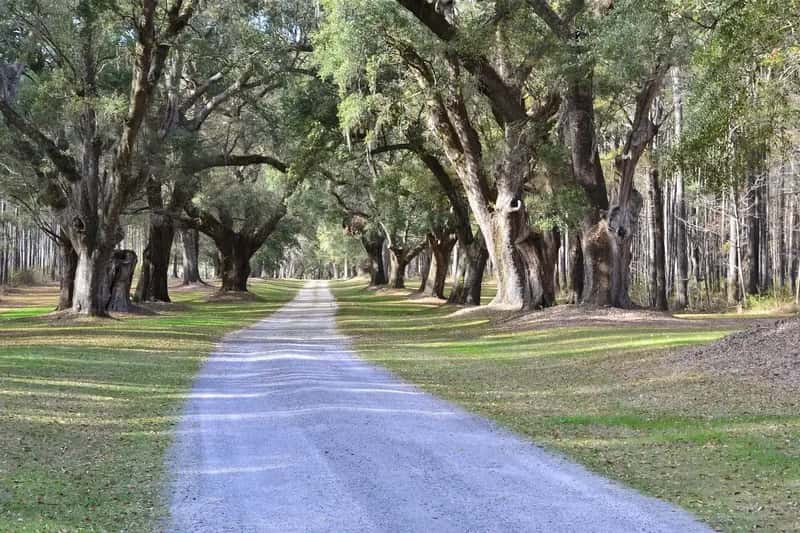
Uncover the truth about South of the Border in Hamer, South Carolina. It might’ve caught your eye with its playful colors and towering mascot, Pedro. But don’t be fooled. This place is a classic tourist trap that could leave you feeling underwhelmed. The allure of kitschy gift shops and novelty architecture is strong, but the reality is a flurry of generic souvenirs and a pinch of disappointment.
The billboard campaign along the interstate is genuinely legendary. Hundreds of signs build up the anticipation for miles. Then you actually stop. The shops are unremarkable, the food is forgettable, and the magic of those billboards evaporates instantly. It is, in the most affectionate possible way, a monument to American roadside hype.
35. Boston Freedom Trail, Boston, MA
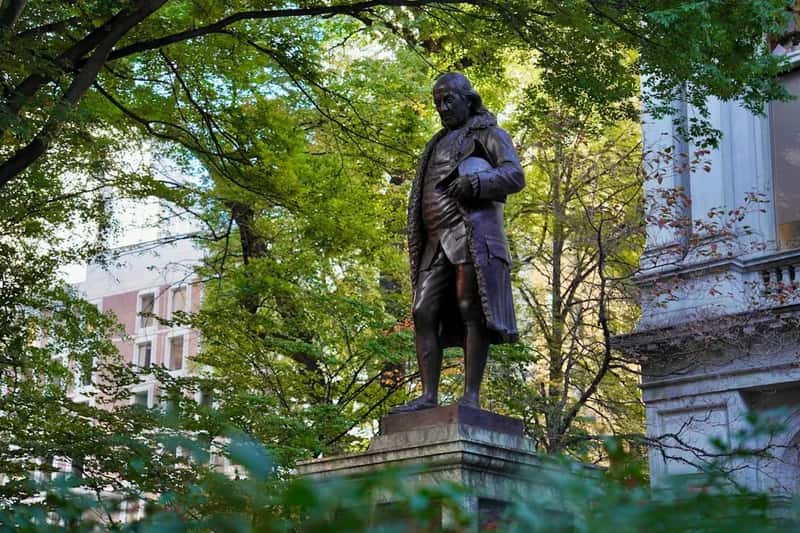
Boston’s Freedom Trail is a rich historical path, but it can be overcrowded and overly commercialized in parts. The trail often feels more like a tourist conveyor belt than a meaningful historical journey.
The history along this trail is genuinely fascinating. Paul Revere’s house, the Old North Church, Faneuil Hall – these are real, important places. The problem is that the experience of following a painted red line through clogged sidewalks, past chain restaurants and gift shops, strips away much of the gravitas. Go early in the morning, skip the overpriced guided tours, and you’ll find something far more meaningful. The trail works best when you treat it as a quiet discovery, not a performance.
The Bigger Picture

Nearly 90% of Americans have fallen victim to a tourist trap at least once in the past two years. That figure tells a story about the gap between marketing and reality that the travel industry still hasn’t closed. Travel behavior experts cite four common complaints: inflated prices, overcrowding, aggressive sales tactics, and a lack of authentic local culture. The Nomad eSIM findings reflect all four.
According to Skift Research, modern travelers, especially Gen Z, prioritize genuine, local experience over more conventional sightseeing. This shift is much more relevant now as tour operators emphasize locality and authenticity, moving away from a tourist trap business model. The lesson from all 35 of these spots is remarkably consistent: the best version of any destination is almost never found at its most advertised address.
So next time a travel brochure promises you the experience of a lifetime, ask yourself – which lifetime? And whose? Did any of these make your own “never again” list?