Some place names feel permanent, like they’ve always belonged to the map. But scratch the surface of a lot of major world cities and you’ll find an older name buried underneath, sometimes erased by conquest, sometimes by politics, and sometimes just by the slow drift of language over centuries. The four cities below all went through official renamings, and in each case the switch says something about who held power at the time and what story they wanted the city to tell.
Istanbul, Turkey (formerly Constantinople, formerly Byzantium)
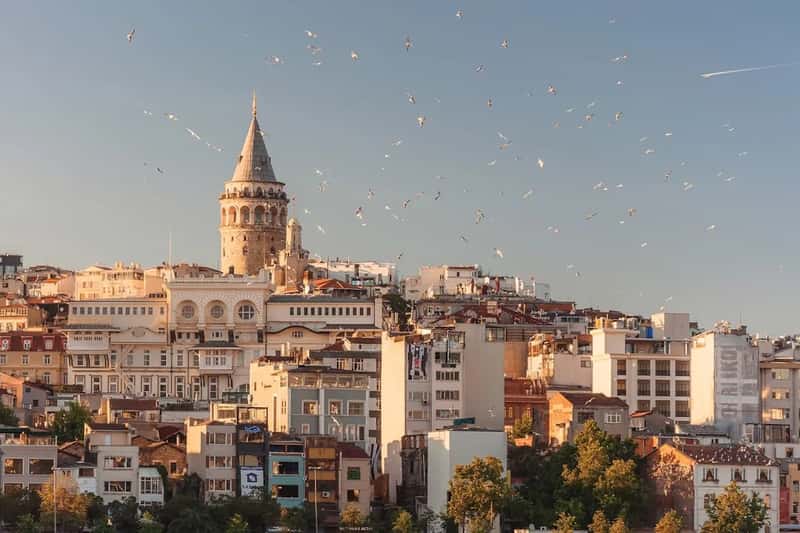
Istanbul’s naming history is layered enough to fill a history course on its own. The settlement began as Bazantion, also spelt Byzantion, when it was first established by the Greeks in 657 B.C. It stayed under that name for centuries until Roman power shifted eastward. In 330, when Constantine the Great made the city the capital of the Eastern Roman Empire, Byzantium was renamed Constantinople in his honor.
The Ottomans didn’t rush to change the name after taking the city. The capital of the Byzantine Empire was not renamed after the Ottomans captured it in 1453, and variations of “Constantinople” continued to be used by Turkish speaking conquerors long after they took control. It took the birth of the modern Turkish state to make it official. On this day in 1930, the name of Constantinople was officially changed to Istanbul by Ataturk’s government, which requested all countries to use Turkish names for their cities, as part of a broader effort to modernise Turkey and distance the country from its Ottoman past.
New York City, United States (formerly New Amsterdam)
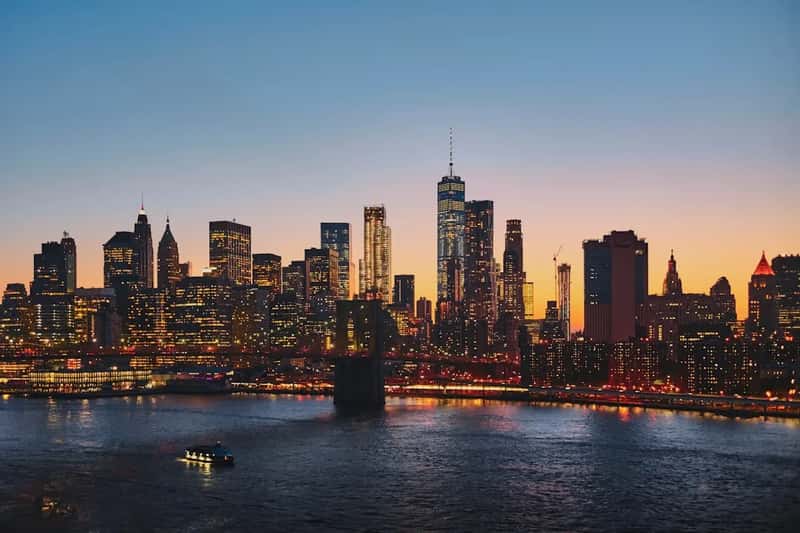
Before it was New York, Manhattan’s southern tip was a Dutch trading post. The colony of New Netherland was established by the Dutch West India Company in 1624 and grew to encompass all of present day New York City and parts of Long Island, Connecticut and New Jersey, with a successful settlement christened New Amsterdam. The Dutch even formalized their claim to the land through a purchase. Dutch governor Peter Minuit formally purchased Manhattan from the local tribe from which it derives its name in 1626.
The name change came without a single shot fired. In September 1664, four English warships sailed into the harbor, and the Dutch colony surrendered without a shot. The new rulers wasted no time rebranding the place. New Amsterdam became New York, named for James, Duke of York, the king’s brother. The Dutch briefly reclaimed the city under a different name less than a decade later, but it did not last. The Dutch briefly retook the city in 1673 as “New Orange” before it returned to England for good in 1674.
Mumbai, India (formerly Bombay)
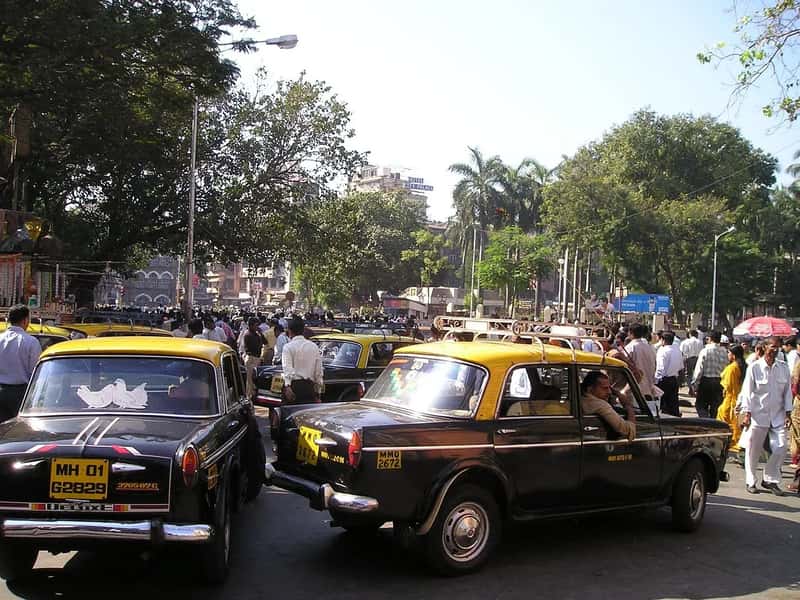
Bombay’s name itself traces back to Portuguese colonizers, not the British who later ruled the region. “Bombay” is an anglicization of the Portuguese name “Bombaim,” which is believed to derive from the phrase “Bom Bahia,” or “Good Bay.” The territory passed through several colonial hands before becoming a major British port city. In 1661 the Portuguese handed Mumbai to the British as dowry when Catherine of Braganza married King Charles II of England, and by 1668 the British Crown leased it to the East India Company.
The renaming came more than three centuries later, driven by regional politics rather than colonial transfer. The Maharashtra government officially changed the name from Bombay to Mumbai on 4 March 1995, choosing the new name to honor Mumbadevi, the patron goddess of the Koli community, the city’s original inhabitants. The push behind it came from a specific political movement with a clear agenda. Shiv Sena’s leadership pushed for the name change for many years prior to 1995, arguing that “Bombay” was a corrupted English version of “Mumbai” and an unwanted legacy of British colonial rule. Despite the official switch, plenty of institutions and habits have lagged behind, as seen in the ongoing debate over renaming IIT Bombay to IIT Mumbai decades after the city itself changed.
Ho Chi Minh City, Vietnam (formerly Saigon)
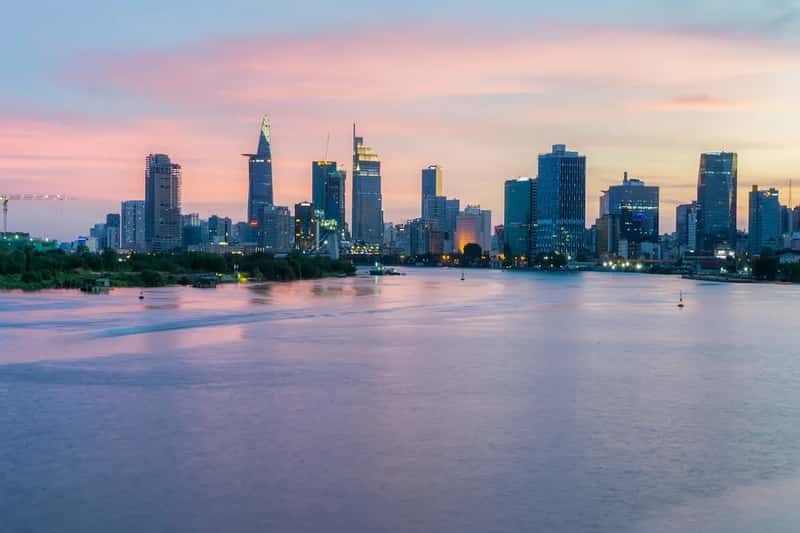
Long before it was Saigon, the area had an entirely different linguistic origin tied to the Khmer Empire. This land once belonged to the Khmer Empire, where it was called Prey Nokor, meaning “the forest city” in Khmer. Vietnamese settlers moved in and gradually reshaped the name. In 1623, a Khmer king allowed Vietnamese settlers fleeing a civil war in the north to move into the area, and they adapted Prey Nokor into their own sounds, eventually shortening it into Sài Gòn. French colonizers later Romanized it and built an administrative capital around it. After the French seized the city in 1859, they Romanized the name as Saïgon and made it the capital of French Cochinchina.
The most recent change came after the Vietnam War ended and the country reunified under communist rule. During its first session from June 24 to July 3, 1976, Vietnam’s Sixth National Assembly officially resolved that Saigon–Gia Dinh would be named Ho Chi Minh City. The name was chosen specifically to honor the leader most associated with the country’s independence movement. The city was subsequently renamed after North Vietnamese leader Ho Chi Minh, while Saigon remains in use informally. Interestingly, the old name never fully disappeared from daily life. The city was renamed Ho Chi Minh City back in 1976, but the IATA airport code never changed, and Tan Son Nhat International Airport has kept the code SGN for over fifty years.
Four cities, four very different reasons for change: imperial legacy, colonial transfer of power, cultural reclamation, and political tribute. In each case the old name never really vanished. It lingers in nicknames, airport codes, street signs, and the occasional stubborn newspaper style guide, proof that renaming a city on paper is a lot easier than renaming it in people’s mouths.