The rental market has become a story of two very different Americas. In one, construction cranes and empty units have finally given tenants some breathing room after years of brutal increases. In the other, rent keeps marching upward with no real relief in sight, squeezing budgets that were already stretched thin.
Nationally, the picture looks encouraging on paper. The June 2026 median asking rent across the 50 largest metros was $1,692, down 1.5% year over year, marking the 35th straight month of annual declines. Still, that softness is not spread evenly. The median asking rent remains $72, or 4.1%, below its 2022 peak, yet rents are still $238, or 16.4%, above pre-pandemic levels. Below are four cities where renters are finally catching a break, followed by four where the cost of a lease keeps climbing.
Austin, Texas: The Poster Child for Rent Relief

Few cities illustrate the power of new construction better than Austin. The median rent in Austin, a building hot spot, was down nearly 6% in February from a year earlier. That decline has been consistent across multiple data sources, with rent decreasing the most in Austin, dropping 2.9% from $1,577 to $1,531 over the past year, more than any other large U.S. city.
The driver behind this correction is straightforward supply and demand. Austin has been a beneficiary of a boom in development over the past few years, with 608,000 multifamily units constructed nationwide in 2024, the highest annual volume since 1986. The ripple effect has spread well beyond the city itself, with suburbs like Pflugerville, Round Rock, Georgetown, Hutto, and Cedar Park all in correction mode, making central Texas a better place to rent than at any point since 2020.
Denver, Colorado: A Mountain West Correction
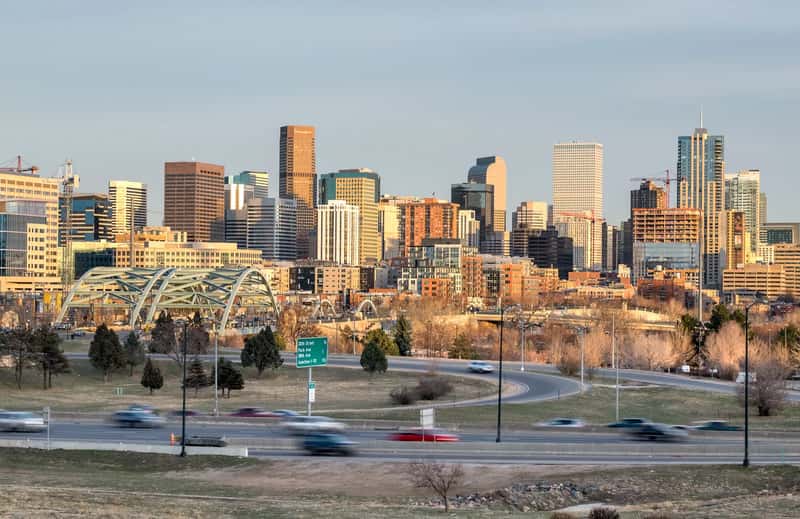
Denver has emerged as one of the more surprising entries on the list of cooling rental markets, given how expensive it became during the pandemic boom. Denver’s asking rents fell 1.2% year over year to $1,858, producing annual savings of $3,002 for the typical renter household, the third-largest figure in the country. Other trackers found an even sharper drop, with rent falling roughly 5% in the metro according to Apartment List data.
What makes Denver notable is that the relief goes beyond just the sticker price. For long-term residents who absorbed repeated annual cost hikes, the current environment of lower asking prices, widespread concessions, and income gains outpacing housing costs represents a real shift in financial standing. The broader Front Range region has followed a similar pattern, as Colorado is the runner-up with five cities on a list of affordable rental markets, all in the Denver metro, where enough new construction combined with a slight cooling in demand has moderated the market.
San Antonio, Texas: Riding the Texas Supply Wave
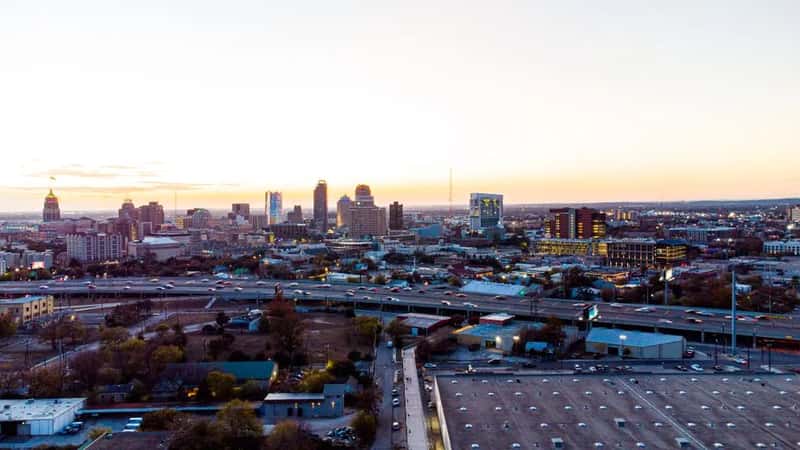
San Antonio has ridden the same wave of Texas overbuilding that hit Austin, and the results show up clearly in the numbers. Rent fell roughly 5% in San Antonio, according to data from Apartment List. Separate figures confirm the trend, with rent also decreasing this year in San Antonio by 1.7%.
Analysts point to a regional pattern rather than a one-off event. San Antonio’s decline mirrors broader trends playing out across Texas, where several major metros simultaneously built new supply during the pandemic and are now working through that inventory. That shift has changed the balance of power between landlords and tenants, since the city’s rent trajectory positions it as a market where renters hold significant leverage, and tenants who negotiate actively are likely to find landlords responding in ways they did not when demand was at its peak.
Phoenix, Arizona: Cooling After a Sun Belt Boom
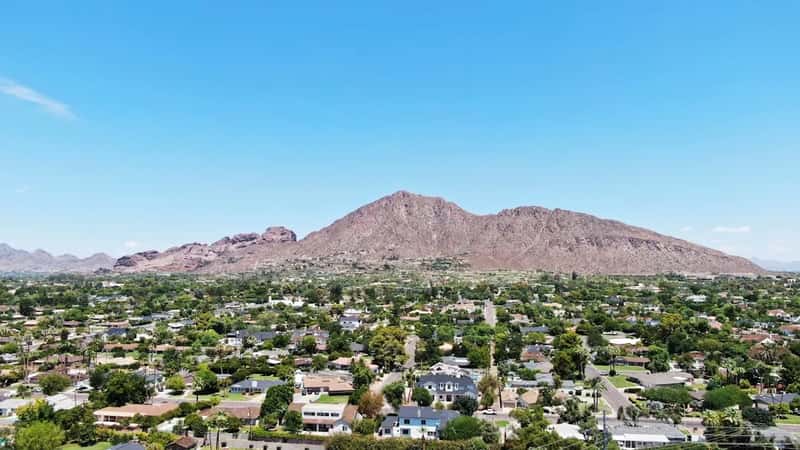
Phoenix spent much of the early 2020s as one of the hottest rental markets in the country, fueled by rapid migration from pricier coastal cities. That growth has now reversed course. Phoenix posted a decline of about 4% year over year, according to Apartment List data. Other sources put the figure similarly, with Phoenix, including Mesa and Chandler, seeing median asking rent fall about 4.0% year over year in 2026 rent data.
The mechanics behind Phoenix’s slowdown mirror what happened across much of the Sun Belt. Phoenix was one of the fast-growing Sun Belt metros that added a large amount of rental inventory during the pandemic-era growth surge, and as demand cooled and more apartments became available, landlords had less room to raise prices. That combination of oversupply and softer population growth has given renters far more negotiating power than they had just a few years ago.
San Francisco, California: Back on Top for All the Wrong Reasons
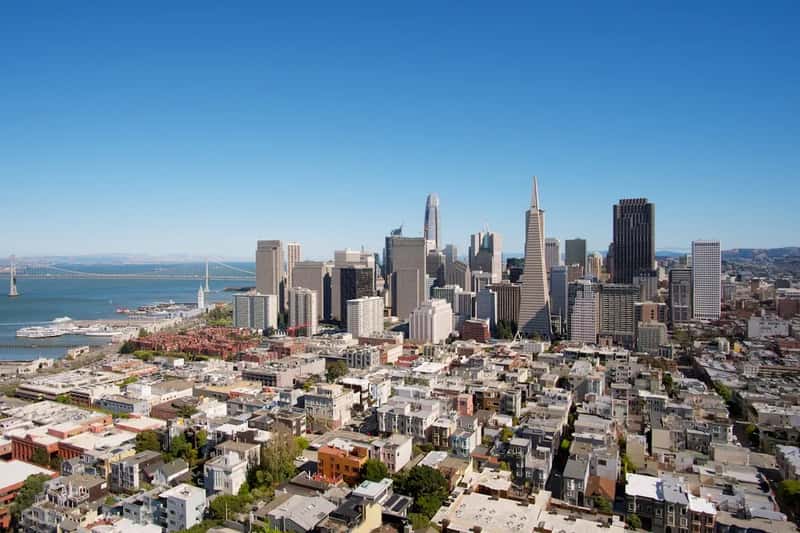
San Francisco has reclaimed a title nobody wants: the fastest-rising major rental market in the country. San Francisco saw a 14% increase in rent this year, earning the title of highest rent increase by a wide margin, as the typical rent jumped from $3,362 in 2025 to $3,830 in 2026. That single-year jump was so large it reshuffled the entire national ranking of expensive cities.
The scale of the increase is hard to overstate. This boost makes San Francisco the most expensive rent studywide, overtaking New York, with a cumulative five-year change in rent prices of 35.1%. Renewed demand from the tech sector, combined with persistently tight housing supply in the Bay Area, appears to be pushing prices back toward their earlier peak levels even as much of the rest of the country cools off.
Chicago, Illinois: A Midwest Market Bucking the National Trend
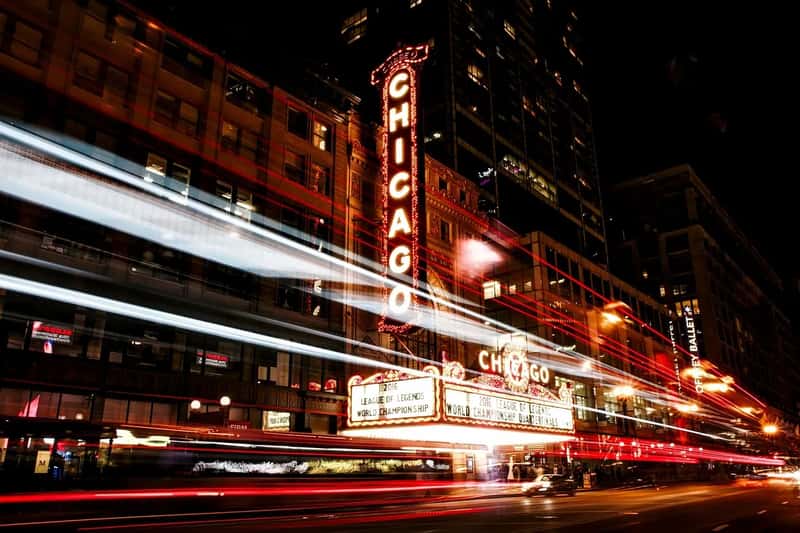
While coastal cities often dominate headlines about expensive rent, Chicago has quietly become one of the fastest-climbing markets in the nation. Chicago saw a 6.5% increase in the typical rent this year, a pace far above the national average. Separate index data confirms the trend, showing Chicago recording apartment rent growth of 4.4%, among the strongest performances in the country relative to a declining national market.
Chicago’s house rental segment has been even more dramatic. Chicago stood far above the national trend, with house rents rising 9.7%, increasing from $2,048 to $2,247, more than 30 times the national increase, making it a clear outlier among major U.S. markets. Analysts tie the surge to renewed demand alongside supply constraints that haven’t kept pace, a combination that stands in sharp contrast to the building booms cooling rents elsewhere in the Midwest and South.
New York City: Regulation Meets a Building Slowdown
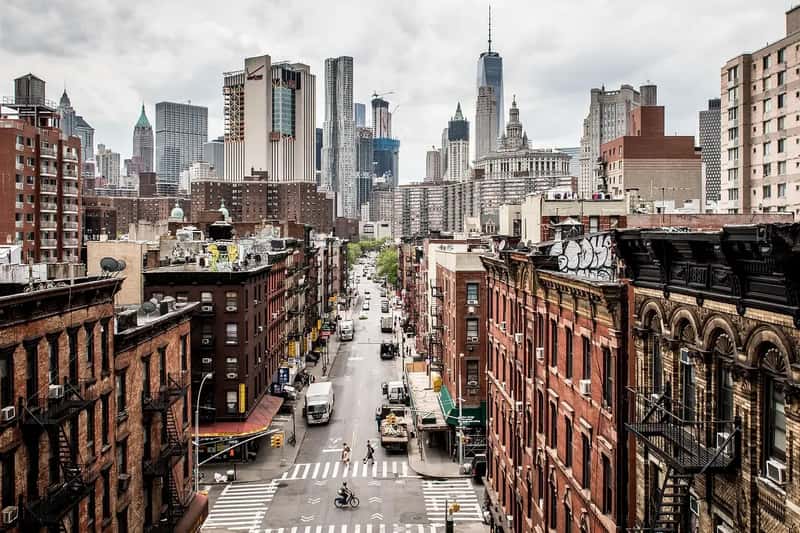
New York’s rental market tells a complicated story where policy and construction trends collide. New York City saw a 5.4% increase in typical rent this year, and over a longer horizon the picture looks even steeper, with New York City having the second highest five-year increase at 49.8%. Part of the issue traces back to how little new housing has been added to the market in recent years.
Construction data helps explain why relief has been so hard to come by. New York and Boston, both grappling with high-profile rent control fights this year, are building at their slowest pace since 2019, with New York permitting just 1.6 new multifamily units per 1,000 residents in 2025, down from 2.3 in 2019. Efforts to manage affordability through regulation have continued, since New York City’s Rent Guidelines Board approved a rent freeze this year, but with construction lagging so far behind demand, that policy tool alone has not been enough to bring overall rent growth to a halt.
Reno, Nevada: A Smaller Market With an Outsized Jump
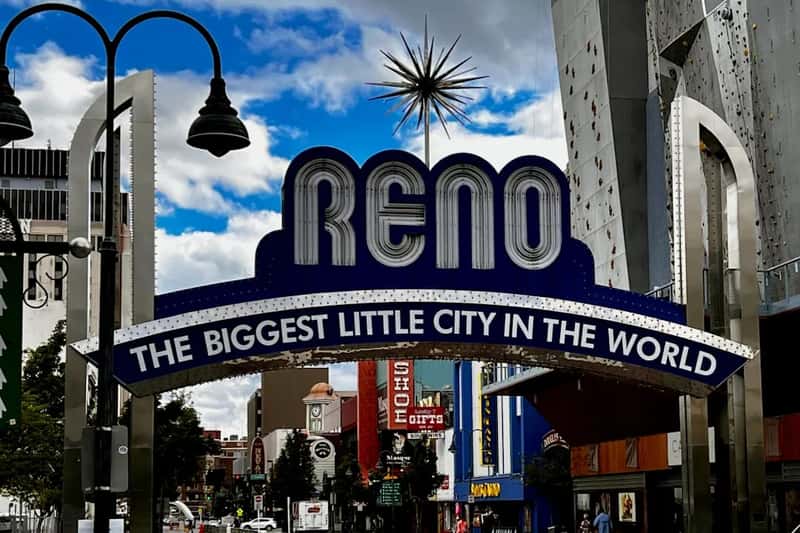
Reno might not carry the name recognition of San Francisco or New York, but its rent growth has been just as striking. Reno, Nevada, saw a 6.5% increase in the typical rent this year, tying it with Chicago for one of the steepest single-year jumps among the cities tracked. For a mid-sized market, that kind of surge represents a meaningful shift in local affordability.
Much of Reno’s rent pressure appears tied to migration patterns and its proximity to more expensive California markets, where residents priced out of the Bay Area have increasingly looked toward nearby Nevada cities for relatively lower costs. Even so, as demand has flowed in faster than new housing supply, rents in Reno have climbed at a pace that outstrips most of the rest of the country, leaving local renters facing budget pressure that mirrors what tenants are experiencing in far larger, more expensive metros.
Put these eight cities side by side and the lesson is fairly clear: markets that built aggressively during the pandemic years are now giving renters room to breathe, while markets that didn’t build enough, or that face renewed demand pressure, are still pushing costs higher. Whether that pattern holds through the rest of 2026 will likely come down to a simple question in each city: is new housing supply catching up to demand, or falling further behind it?