Palawan, Philippines – The death of biologist Sabine Schoppe in October 2026 marks the end of a career dedicated to protecting one of the region’s most threatened species. Her efforts began in earnest after a major enforcement action in 2015 and continued through years of research and habitat work at institutions across the province. ([1])
The 2015 Confiscation That Exposed a Smuggling Operation
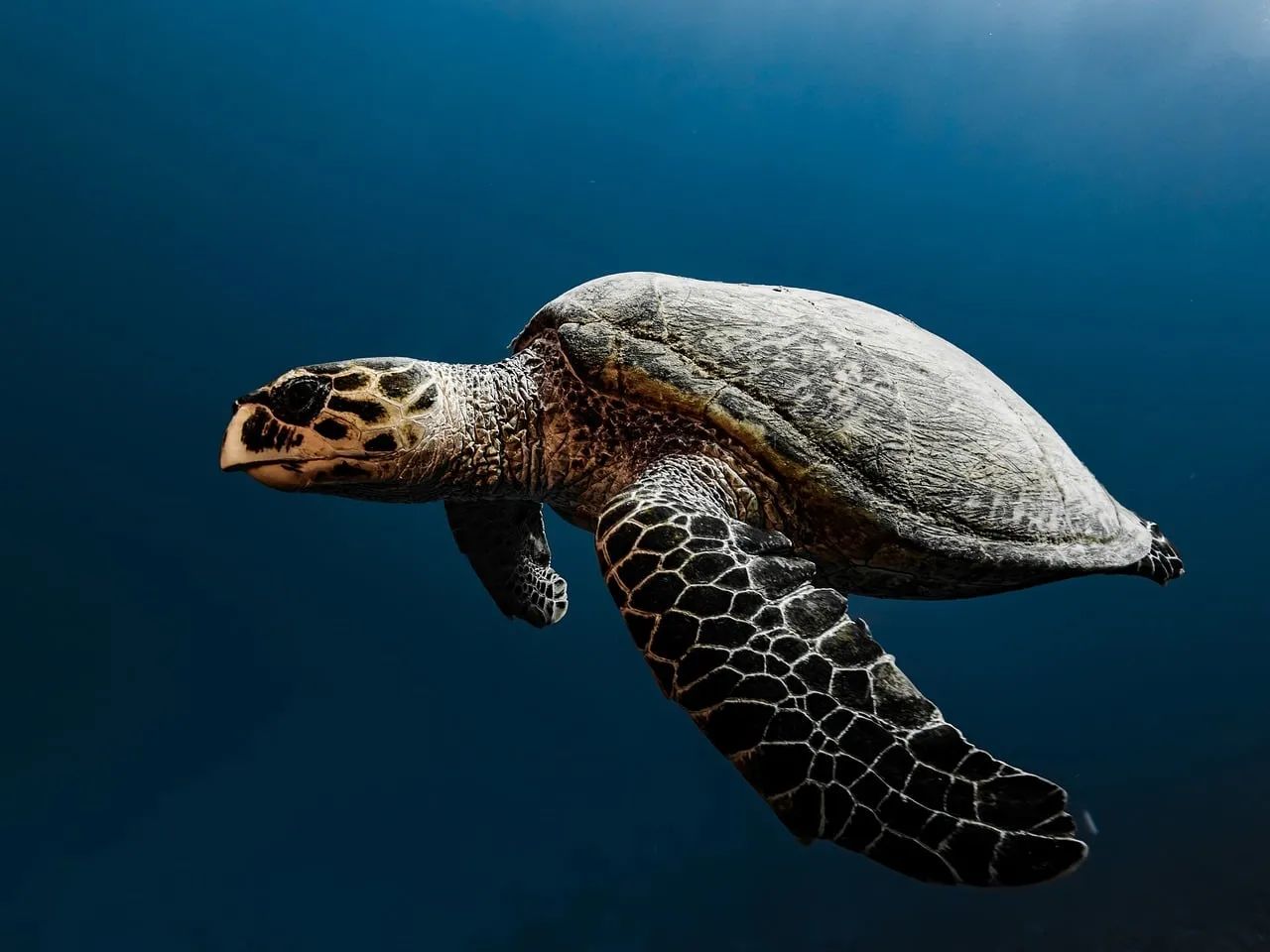
On June 17, 2015, authorities seized more than 3,800 Palawan forest turtles from a warehouse on the island. The animals, known locally as bakoko, had been stacked as many as a dozen deep in cement tanks while awaiting illegal export. Many showed signs of injury, including shell ulcers, foot wounds, and bites from overcrowding.
The seizure highlighted the scale of wildlife trafficking targeting this species. Officials had no dedicated facility prepared for such a large number of turtles, which forced an immediate, improvised response. The event drew international attention to the vulnerability of the Palawan forest turtle, whose scientific history had long been clouded by lost specimens from World War II.
Schoppe’s Rapid Mobilization of Resources
Schoppe coordinated the emergency care for the confiscated animals. Students constructed shade structures and temporary shelters, while a former crocodile enclosure was converted into a holding pond. Veterinarians and turtle specialists arrived from abroad to assist, allowing round-the-clock monitoring of the stressed reptiles.
She documented the shift in mood once support arrived, noting the move from sadness and heavy labor to renewed hope. The operation demonstrated how local networks and outside expertise could combine under pressure to stabilize a large group of endangered animals. Without these steps, many of the turtles would likely not have survived the initial days after the raid.
Her Academic Path and Long-Term Presence in the Philippines
Schoppe moved to the Philippines from Germany in 1995 after earning a doctorate in biology. She started with bird surveys and coastal resource management projects in the Visayas region before settling in Palawan. There she served as a guest professor of aquatic and marine biology at what is now Western Philippines University and later became an associate editor of The Palawan Scientist.
Her academic roles gave her sustained access to field sites and local knowledge that proved essential during the 2015 crisis. Colleagues and students benefited from her experience in both research and practical conservation, which helped bridge gaps between university programs and on-the-ground wildlife protection. The combination of teaching and applied work shaped the refuge that emerged from the seizure.
The Refuge and the Broader Conservation Context
The facility Schoppe helped establish provided a permanent base for caring for rescued turtles and studying their needs. It addressed immediate welfare concerns while supporting longer-term efforts to understand the species’ distribution and requirements in the wild. Stakeholders ranging from university staff to international specialists contributed to its development.
Her passing comes at a time when enforcement actions against wildlife trafficking continue in the region. The timeline from the 2015 seizure through the creation of the refuge illustrates how one individual’s organizational skills and scientific background can influence outcomes for an entire population of animals. The work she began remains a reference point for ongoing protection measures in Palawan.