When world leaders meet to discuss global economics, debt levels often dominate the conversation. What’s fascinating is how dramatically different countries handle their financial obligations. While some nations maintain remarkably healthy balance sheets, others struggle under crushing debt burdens that threaten their economic stability.
Estonia: Europe’s Financial Success Story
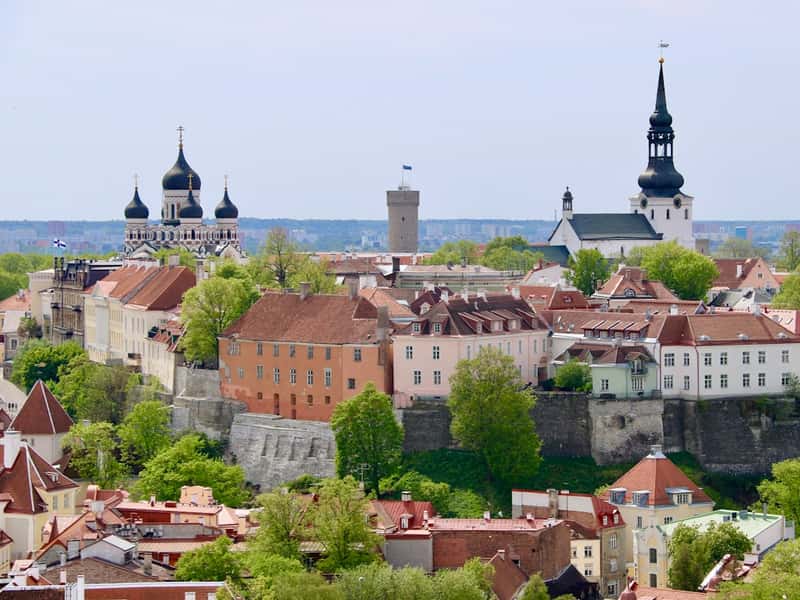
Estonia stands out as a remarkable example of fiscal discipline with one of the lowest debt-to-GDP ratios in Europe at approximately 18-19%. This Baltic nation has transformed from Soviet occupation to becoming a digital economy powerhouse. The country maintains strong finances and has plenty of room to borrow if needed. Estonia’s approach centers around strict fiscal rules and a commitment to balanced budgets that has served the country well through various economic cycles.
Brunei: Oil Wealth Equals Debt Freedom

Brunei Darussalam in Southeast Asia is the country with the lowest public debt rate worldwide. The nation’s massive oil and gas reserves provide substantial government revenues, allowing it to avoid borrowing for most public expenditures. Countries like Brunei maintain very low debt ratios, particularly those rich in natural resources like Kuwait and Brunei, which enjoy very low debt levels. The sultanate’s financial position gives it unprecedented flexibility in economic planning without the constraints of debt service obligations.
Kuwait: Strategic Resource Management

Kuwait was among the countries following Brunei in having the lowest public debt rates worldwide. Similar to Brunei, Kuwait’s oil wealth provides a massive financial cushion that eliminates the need for significant government borrowing. Countries like Brunei and Kuwait maintain very low ratios, particularly those rich in natural resources like Kuwait and Brunei, enjoying very low debt levels. The country’s sovereign wealth fund serves as an additional buffer, ensuring long-term financial stability even during oil price fluctuations.
Luxembourg: Small But Mighty

Luxembourg has a debt-to-GDP ratio of 24.6% to 26.3%. Despite being small, the country has a high income per capita and strong public and external balance sheets, maintaining a strong fiscal position while its financial assets exceed debt stock by a huge margin. The nation’s role as a European financial hub generates substantial tax revenues while keeping government expenditures relatively controlled compared to its economic output.
Sudan: A Nation in Crisis

Sudan faces severe debt challenges with public debt reaching approximately 180-200% of GDP, driven by prolonged conflict and severe economic challenges. Sudan’s staggering debt-to-GDP ratio reflects deep-seated economic and political challenges, with decades of internal conflict, international sanctions, and the loss of oil revenue following the secession of South Sudan crippling its economy, leaving the government unable to generate sufficient revenue to cover its expenses.
Japan: The Developed World’s Debt Champion

Japan holds a staggering debt-to-GDP ratio of approximately 260%, reflecting decades of fiscal stimulus and aging demographics. Japan remains the most indebted country in the world, with debt levels exceeding 260% of GDP, stemming from decades of low economic growth, deflationary pressures, and an ageing population requiring high government spending on pensions and healthcare, though Japan’s debt is largely domestically held, limiting immediate risk to global financial markets. This unique situation allows Japan to maintain relatively stable borrowing costs despite astronomical debt levels.
Italy: Eurozone’s Persistent Challenge
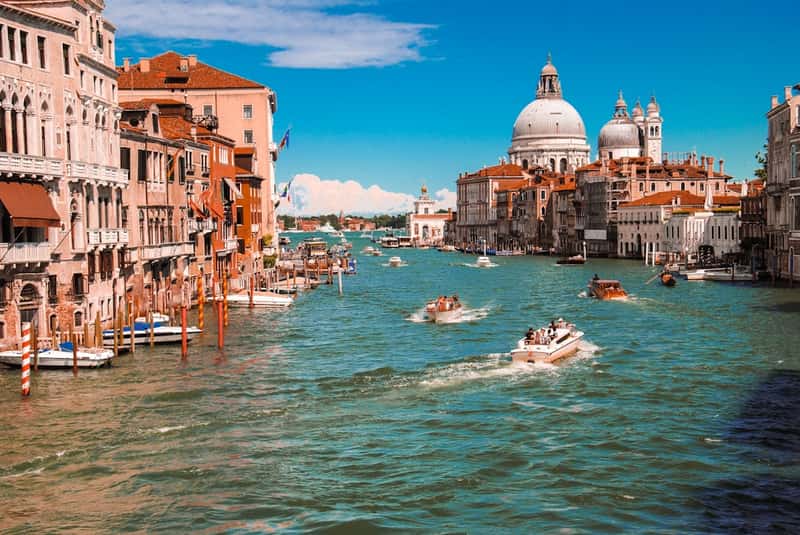
Italy maintains one of the highest debt burdens among advanced economies at approximately 144% of GDP. Italy’s debt burden reflects decades of sluggish economic growth and high public spending, and although Italy remains one of Europe’s largest economies, its aging population and slow reforms make debt reduction a persistent challenge. Italy’s debt-to-GDP ratio is one of the highest in the Eurozone due to high tax evasion entrenched in the psyche of the rich and poor fiscal management, including debt-fueled spending on things like pensions and healthcare to win votes.
The stark contrasts between these nations reveal how natural resources, fiscal discipline, and economic policies shape national debt trajectories. While oil-rich countries like Brunei and Kuwait enjoy financial freedom, conflict-torn Sudan struggles under an impossible debt burden that perpetuates its economic crisis.