There’s a pattern showing up in travel forums and airline booking receipts this year that a lot of people haven’t quite clocked yet. Small fees, sometimes just a few euros or a couple thousand yen, keep sneaking onto bills in places that used to feel almost free to wander through. None of these changes made huge global headlines on their own, but taken together they signal something real: governments are done pretending that unlimited visitor growth is only good news.
The reasoning behind these increases is rarely subtle once you look closely, even if the rollout has been low key. Overcrowded historic centers, strained water systems, and residents who can no longer afford rent in their own neighborhoods have pushed four countries in particular to tighten the financial screws on visitors. Here’s where it’s happening and what it actually costs travelers in 2026.
Italy: Venice expands its day-tripper fee and toughens enforcement
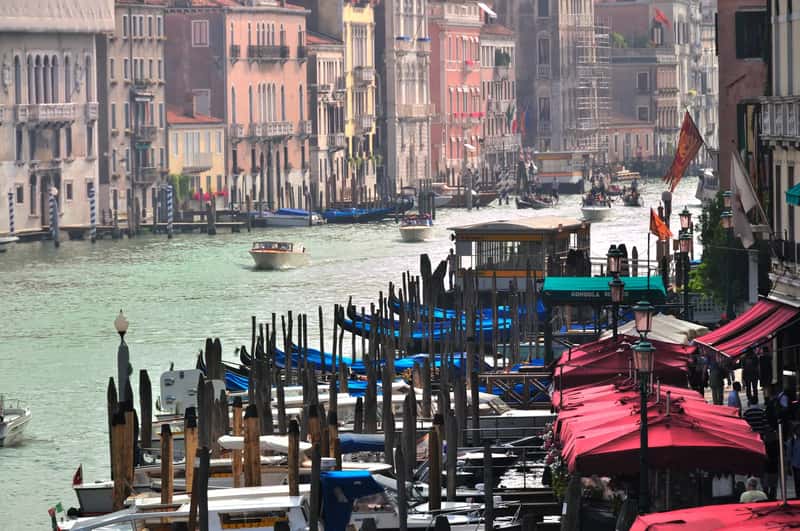
Venice first tested its access fee back in 2024, and by 2026 the experiment has grown rather than faded away. The city now charges day-trippers 5 euros if they pay before the fourth day of arrival, with the rate rising to 10 euros after that[1]. What used to be a short pilot has turned into a fixture of the Venetian calendar, with the fee now expanded to cover 60 days between April and July, up from 54 days the previous year[2].
The target isn’t tourism broadly but a specific kind of visit that locals have grown tired of. The fee is designed in part to deter day-trippers, including cruise passengers, who locals view as having a negative impact on infrastructure and crowding without supporting the local economy through accommodation spending[3]. Enforcement has gotten more serious too, with checks carried out at seven access points across the city, including the main train station, with fines ranging from 50 to 300 euros for those who fail to register or pay[4]. Whether the fee is actually changing behavior is still debated, since visitor numbers dropped only slightly over the summer, from an average of 16,676 per day in 2024 to 13,046 in 2025[5].
Japan: Kyoto’s hotel tax jumps as much as tenfold

Kyoto has quietly been building toward one of the steepest tourist tax hikes anywhere in the world, and as of March 2026 it’s official. The city has increased its accommodation tax by up to 900 percent, from 1,000 yen to 10,000 yen per person per night for the top category of hotels[6]. That top rate only kicks in for the priciest rooms, since guests staying in accommodations that cost 100,000 yen or more per night now face a tax of 10,000 yen per night, ten times the previous rate[7].
Budget travelers are largely shielded from the shock. Budget hotels under 6,000 yen per night keep a tax of 200 yen per person per night, while mid-range stays between 6,000 and 19,999 yen see the tax rise from 200 to 400 yen[6]. City officials expect the change to roughly double their tourism-related revenue, since officials estimate the yearly revenue generated from the taxes will increase from 5.91 billion yen to 12.6 billion yen[8]. Japan hasn’t stopped there either. On the national level, Japan tripled its international departure tax on 1 July 2026, from 1,000 yen to 3,000 yen, applied to everyone leaving the country regardless of nationality[9], adding yet another quiet cost to any trip through the country.
Spain: Barcelona and Catalonia double down on nightly charges
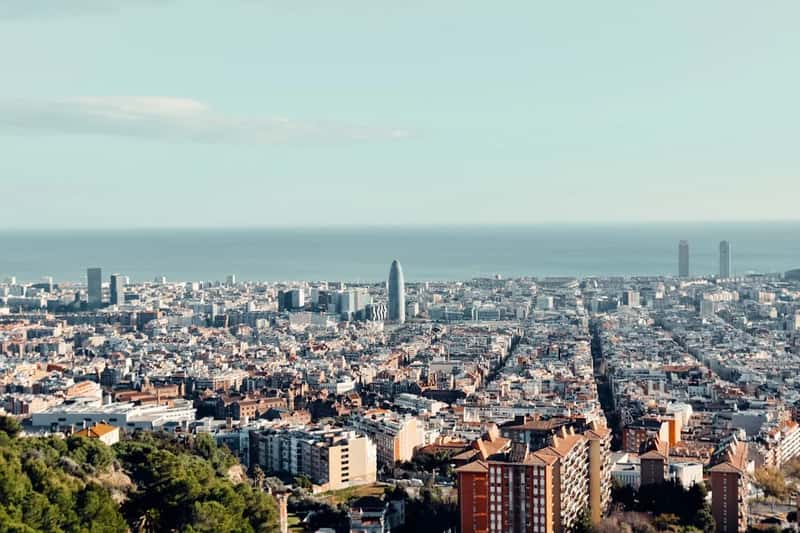
Spain’s approach has been less about a single national policy and more about regional and city governments independently deciding enough is enough. Barcelona has been at the center of this, with reports confirming that Barcelona doubled its tourist tax[10] as part of a broader response to housing pressure. The city’s rate now sits close to the top of the European scale, with Barcelona roughly doubling its city surcharge, taking the combined nightly charge to about 15 euros[11].
This isn’t limited to the city itself. Catalonia raised its per-night hotel charge in 2026 and extended it to short-term vacation rentals across more municipalities[12], closing a loophole that previously let apartment rentals slide under the radar. The money isn’t just disappearing into general budgets either, since revenue is legally earmarked for environmental and social projects with published annual reports documenting outcomes[12]. The bigger context matters here too, because the increase is part of Barcelona’s wider response to overtourism and housing pressure, including its plan to phase out short-term tourist apartments by 2028[13], which suggests the fee hikes are one piece of a much larger housing strategy rather than a standalone tourism policy.
Netherlands: Amsterdam pushes its hotel tax to the top of Europe
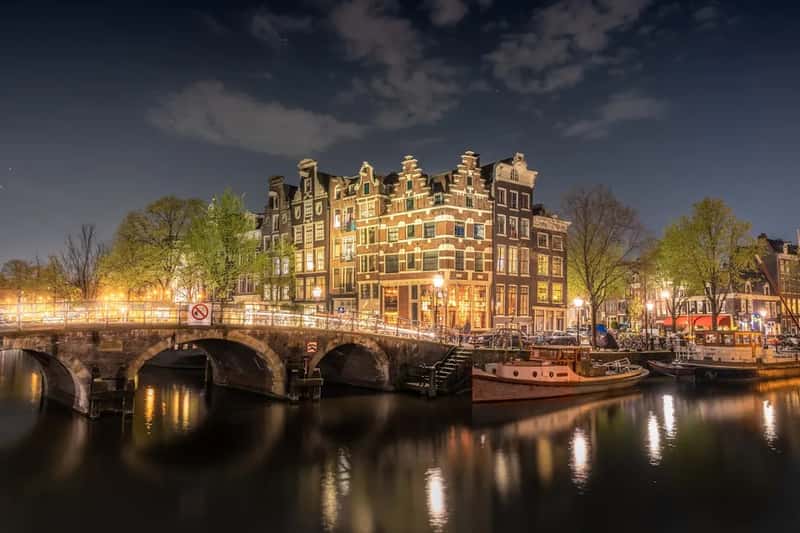
Amsterdam didn’t just raise its tourist tax, it recalibrated the whole system so that visitors now pay noticeably more than almost anywhere else on the continent. As of 2026, Amsterdam has Europe’s steepest tourist tax at 12.5 percent of the room price, working out to roughly 18 euros per person per night[11]. That’s a substantial jump from where the city started, since the tax was raised from 7% to 12.5% of accommodation costs[14] in a fairly short span.
The math compounds quickly once other taxes are factored in. The Dutch government also raised the VAT on accommodations from 9 percent to 21 percent at the start of 2026, meaning the combined tax burden on a hotel night reaches approximately 33.5 percent of the room cost[15]. In practical terms, a 200 euro per night stay now incurs roughly 67 euros in taxes[15]. City officials have been fairly candid about the intent behind the numbers, with reports noting that officials explicitly stated the goal is reducing tourist volume, not just raising revenue[12].
Taken together, these four countries show a shift that’s been building for a couple of years but has only recently become impossible to ignore. Fees that once looked like small administrative add-ons are now functioning as deliberate tools to slow foot traffic, protect housing markets, and fund the infrastructure that mass tourism wears down. None of these charges are large enough to stop a determined traveler from booking a trip, but they add up, and they add friction, which seems to be exactly the point.