The world of remote work has fundamentally changed how we think about living and working, opening doors to opportunities that seemed impossible just a few years ago. Digital nomad visas have emerged as a game-changer for remote workers seeking new experiences while maintaining their careers. These specialized visas represent a new era of global mobility, designed specifically for location-independent professionals who want to live abroad without the traditional barriers of complex immigration processes.
Imagine being able to legally work from a sun-soaked Mediterranean coast or a bustling Asian metropolis, all while keeping your current job and enjoying tax benefits in many cases. The rise of these programs reflects a broader shift in how countries view remote workers. Rather than seeing them as temporary tourists, nations now recognize digital nomads as valuable economic contributors who bring skills, spending power, and innovation to their borders.
Portugal: The European Gateway for Remote Workers

Portugal offers its D8 Digital Nomad Visa, a national type D visa that allows remote workers to reside in the country for at least one year, specifically designed for freelancers and remote workers with a monthly income requirement of at least €3,040. Applicants must have citizenship in non-Swiss and non-EU/EEA countries, provide a contract showing they work completely remotely (including freelancers), and prove a monthly income of at least €3,040. The application fee is approximately €75 to €90, varying by embassy.
As of 2025, over 2,600 visas have been issued to digital nomads moving to Portugal, with Americans receiving the most visas, followed by Brazilian and British remote workers, with the most popular destinations being Lisbon, Madeira, and Porto. Portugal stands out for its clear pathway to permanent residency and eventual citizenship after five years of legal residence.
Croatia: The Balkans’ Tax-Free Paradise
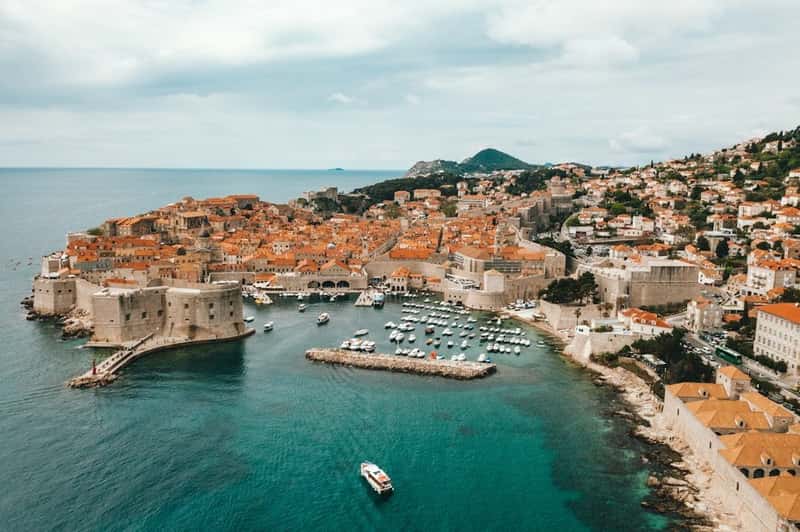
Croatia offers its Digital Nomad Visa for up to 12 months, offering a unique combination of affordability, lifestyle, and simplicity, with one of the most distinctive features being that digital nomads are exempt from paying local income tax during their stay. To qualify, applicants must work for a company not registered in Croatia or provide services to clients outside Croatia, and show a monthly income of at least €2,870, which increases by 10% for each additional family member. Croatian visas for remote workers are granted for up to a year and cannot be extended, with foreigners able to apply for a new one 6 months after the expiration of the previous one.
The appeal of Croatia extends beyond its tax benefits. The country has a growing digital nomad community in cities like Split, Zadar, and Zagreb, with coworking spaces, events, and co-living options. This creates an ecosystem where remote workers can easily connect with like-minded professionals while enjoying the stunning Adriatic coastline.
Italy: The Mediterranean Remote Work Revolution

Italy launched its Remote Worker Visa, also known as the Italy Digital Nomad Visa, in March 2024, granting digital nomads a residence permit for one year, which is extendable, plus the ability to travel freely in the Schengen Area and benefit from special tax incentives. To obtain visa approval, applicants must work for a company not registered in Italy and meet a minimum annual income requirement of €31,000, which increases to €34,087 if adding a spouse and €1,150 per child. The program is targeted toward freelancers, remote employees, and self-employed individuals who are citizens of countries outside the European Union.
Italy’s digital nomad visa represents a significant opportunity for remote workers seeking the classic European experience with reasonable requirements for higher earners. Applications can be submitted online, making the process more accessible, though the income requirements position it as a program for established professionals rather than entry-level remote workers.
Thailand: The Asian Hub for Long-Term Remote Work

Thailand offers a digital nomad visa under its Long-Term Resident (LTR) Visa program, called the Work-From-Thailand Professional category, which allows remote workers and freelancers to live and work in Thailand for an extended period. To qualify, applicants must maintain a bank balance of at least 500,000 THB (about USD 14,400) for three months before applying, and once obtained, the visa is valid for 10 years. Digital nomads in Thailand do not pay Thai taxes on foreign income if they stay less than 180 days in a calendar year, and even if they stay 180 days or more and become tax residents, foreign income is only taxed if brought into Thailand in the same year it’s earned.
Thailand’s program stands out for its exceptional validity period and favorable tax treatment. The visa is officially called the “Destination Thailand” visa and is a multiple-entry visa valid for five years. This makes Thailand particularly attractive for nomads who want to establish a long-term base in Southeast Asia while maintaining flexibility in their travel and work arrangements.
The Growing Digital Nomad Movement

More countries introduced or refined visas specifically for digital nomads and remote workers in 2024, including Portugal’s simplified D8 visa application process, Greece’s extended digital nomad residence permit to 3 years, Indonesia’s long-anticipated second home visa, Montenegro’s competitive digital nomad program with tax incentives, Malta’s revised Nomad Residence Permit, and Malaysia’s DE Rantau Nomad Pass with streamlined applications, with these specialized visas typically offering stays ranging from 6 months to 2 years, often with renewal options. In recent years, more than 60 countries offering digital nomad visas have launched programs to attract location-independent professionals, with over 66 countries offering Digital Nomad Visas in 2025.
These four countries represent different approaches to attracting remote workers, each with unique advantages. Portugal offers a clear path to European residency, Croatia provides exceptional tax benefits, Italy delivers the classic Mediterranean experience, and Thailand presents unparalleled visa validity and Asian lifestyle opportunities. The minimal requirements compared to traditional work visas make these programs accessible to a broad range of remote professionals, from freelancers to corporate employees seeking location independence.