Walk into a kitchen in Seoul and you’ll likely find a small fridge dedicated entirely to one food. Walk into a kitchen in London and you’d be hard pressed to find anything similar. Fermentation, it turns out, is one of those culinary habits that some cultures embraced centuries ago and never let go of, while others quietly built their food traditions around freshness instead. The split isn’t random. It tends to follow climate, history, and what happened to be growing (or swimming) nearby thousands of years ago.
What’s interesting in 2026 is how visible this divide has become again, thanks to gut health trends pushing kimchi and kefir into supermarkets everywhere. Yet the countries that never needed convincing are still the ones doing it best, and the ones that skipped fermentation largely still do.
South Korea: kimchi as a way of life
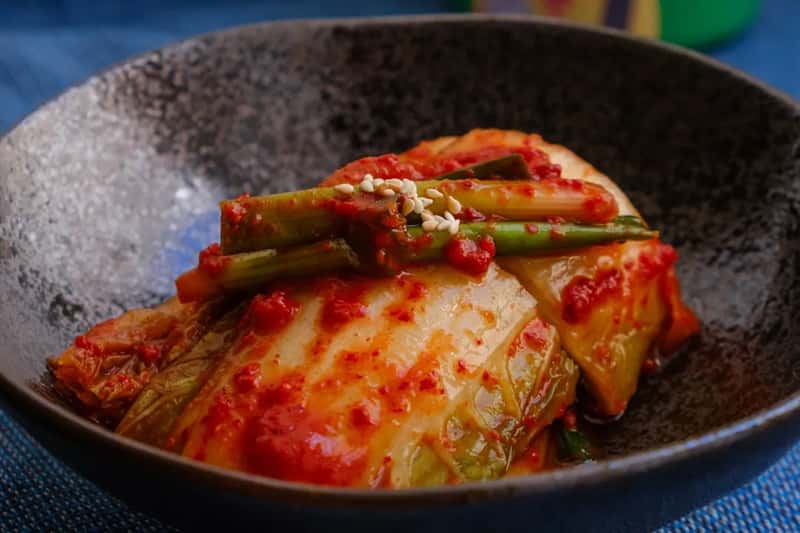
No country on earth treats fermentation as more central to daily identity than South Korea. In Korea, the making of kimchi, called “kimjang,” is an important cultural tradition, symbolizing family bonds and the preservation of Korean heritage. This isn’t a hobby practiced by a niche group of enthusiasts. It’s a communal ritual passed down through generations, often involving extended family gathering to prepare enough kimchi to last the winter.
The roots go back a remarkably long way. Written records of kimchi in Korea date back almost a thousand years to 1145 A.D., and Korea’s harsh winters necessitated ways to preserve food, so people opted to use fermentation by packing salted vegetables in earthen pots and burying them underground. Beyond kimchi, Korean pantries also lean on other fermented staples. Different types of fermented foods such as chongkukjang, doenjang, ganjang, gochujang, and kimchi are plentifully available and widely consumed in Korea. Fermentation here isn’t a side interest. It’s the backbone of the cuisine.
Japan: umami built on centuries of patience
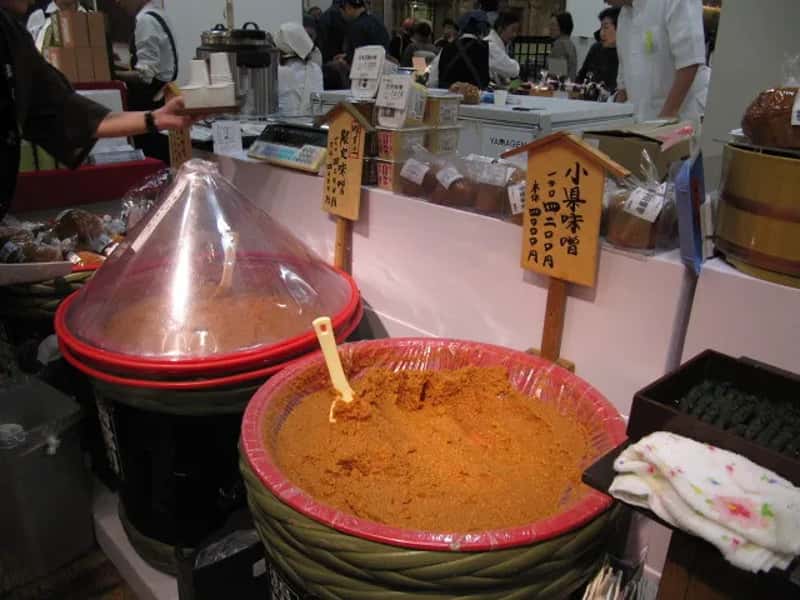
Japan’s relationship with fermented food runs just as deep, though it shows up differently on the plate. Miso, a fermented soybean paste, is a cornerstone of Japanese cuisine. It appears in soups, marinades, and glazes, quietly shaping the flavor of meals that might not look fermented at first glance.
Then there’s natto, the polarizing but beloved fermented soybean dish. Natto is a staple probiotic food in traditional Japanese cuisine. Add soy sauce, sake, and pickled plums to the list, and it becomes clear that fermentation touches nearly every meal in Japan, from breakfast rice topped with natto to a late night bowl of miso soup. Few cuisines integrate fermented ingredients this seamlessly into everyday cooking.
Germany: the original home of sour cabbage
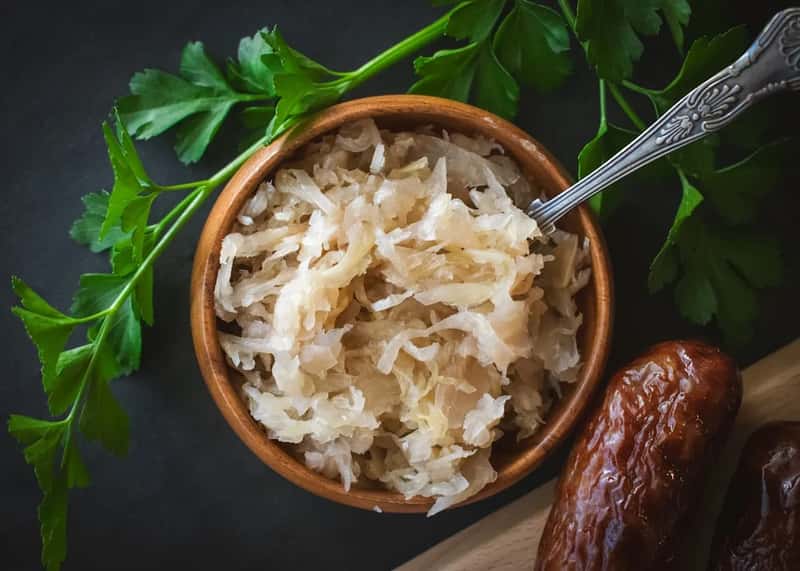
Germany’s fermentation story is a little more complicated than the stereotype suggests, but the affection for it is real. In Germany and other parts of Eastern Europe, sauerkraut has been a dietary staple for centuries, especially during winter months when fresh vegetables were scarce. The process is simple and old fashioned. Traditionally, sauerkraut was made through dry fermentation using just shredded cabbage and salt, where the salt draws out moisture from the cabbage and the vegetable is left to ferment in its own juices, with natural sugars acting as the fermentation agent.
Interestingly, historians note the dish likely didn’t originate in Germany at all. Sauerkraut has a harder history to trace, but the version enjoyed today appears to have originated in China, not Germany or Eastern Europe. Regardless of where it started, Germany turned it into a national fixture, and the wider region kept the tradition going strong. Countries across Eastern Europe, including Poland, Ukraine, Russia, and the Balkan states, have long relied on fermentation as a household and artisanal practice, with sauerkraut, kefir, kvass, and pickled vegetables remaining staples consumed daily by millions of people.
India: fermentation hiding in plain sight
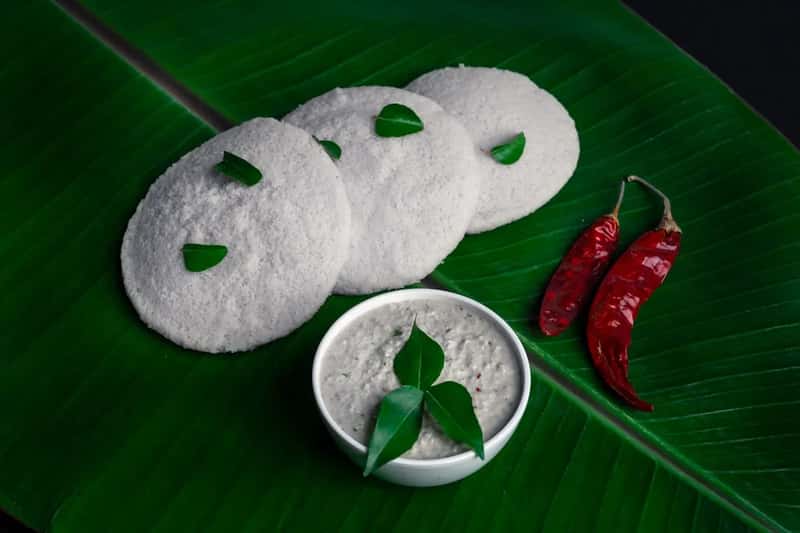
India rarely gets mentioned in the same breath as Korea or Japan when fermentation comes up, yet the tradition is woven into nearly every regional cuisine. Every region of India has its own fermented food tradition, from kanji and kanjika in the north to idli, dosa, appam, and neer dosa in the south, panta bhat and handia in the east, and dhokla and ambali in the west. Breakfast alone in much of the country runs on fermented rice and lentil batters.
The science behind it is well documented, too. Fermentation in these foods is a natural microbial process where beneficial bacteria and yeasts break down carbohydrates in the batter, producing lactic acid that lowers the pH and creates a characteristic tangy flavor while acting as a natural preservative. Add daily yogurt consumption to the mix, and it’s clear fermentation isn’t a special occasion food in India. It’s just breakfast, lunch, and dinner.
The United Kingdom: a cuisine that skipped the ferment

Britain presents a genuinely puzzling case among European nations, and food writers have noticed it themselves. It has often struck observers as odd that Britain possesses no distinct tradition of fermenting food, using yeasts for beer and bread and letting cheese quietly age, but lacking anything resembling kimchi, choucroute, sauerkraut, miso, or natto. Compared to its continental neighbors, the gap is noticeable.
Even when fermented dishes from other cultures arrive in Britain, they tend to get simplified rather than embraced in their original form. When traditionally fermented foods are assimilated into British cuisine, it is often that fermented element which is the first to go, with the reassuring tang of sweetened vinegar replacing the complex vegetal aromas of controlled decay. Pickles exist, certainly, but the deep, funky fermentation culture found elsewhere in Europe never quite took root on the island.
The United States: convenience over cultivation

American food culture developed along a very different path than most of Europe or Asia. Rapid industrialization, refrigeration, and a strong emphasis on speed and convenience meant that fermentation, a slow and patient process by nature, never became a defining pillar of the national diet the way it did in Korea or Germany. Regional pockets of fermentation exist, from sourdough bread in San Francisco to dill pickles in Jewish deli culture, but these are exceptions rather than the everyday norm across most American households.
Much of this comes down to how the country’s food system evolved. Mass production favored shelf stable, quickly manufactured goods over the weeks or months that proper fermentation requires. The result is a cuisine where fermented foods are often treated as a trendy health addition, something to sprinkle into a bowl for probiotics, rather than a foundational technique passed down through generations at home.
Australia: a young food culture built on freshness
Australia’s culinary identity leans heavily toward grilling, fresh seafood, and produce eaten close to harvest, which leaves little cultural space for the slow patience of fermentation. Indigenous Australian food traditions historically centered on foraging, hunting, and immediate preparation rather than long term preservation through fermentation, and the waves of colonial and immigrant cuisines that followed didn’t fill that gap in a major way either.
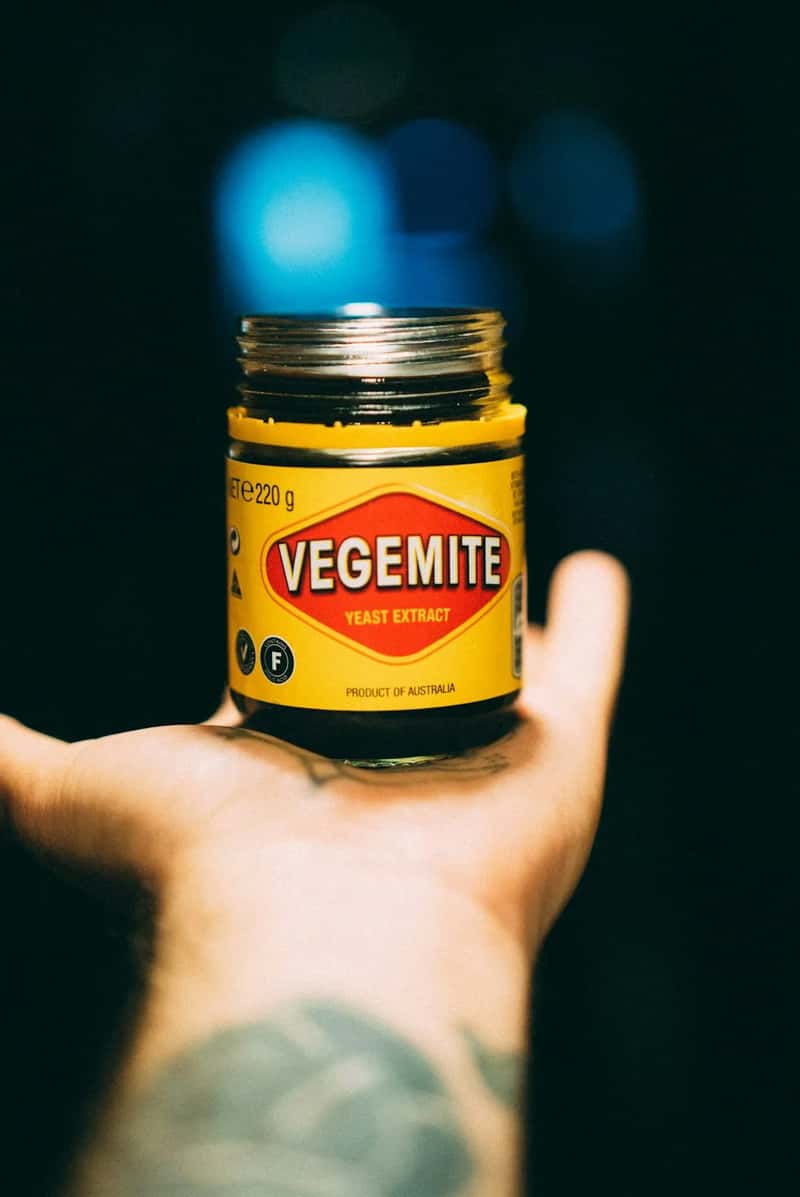
There’s one famous exception worth mentioning, and it’s a bit of an irony. Vegemite, the country’s most iconic spread, is technically a fermented byproduct of beer brewing, yet most Australians think of it simply as a savory paste rather than a fermented food in the way kimchi or miso are understood. It’s a reminder that fermentation can hide in a national pantry without ever becoming a defining feature of the cuisine.
New Zealand: fresh, simple, and largely unfermented
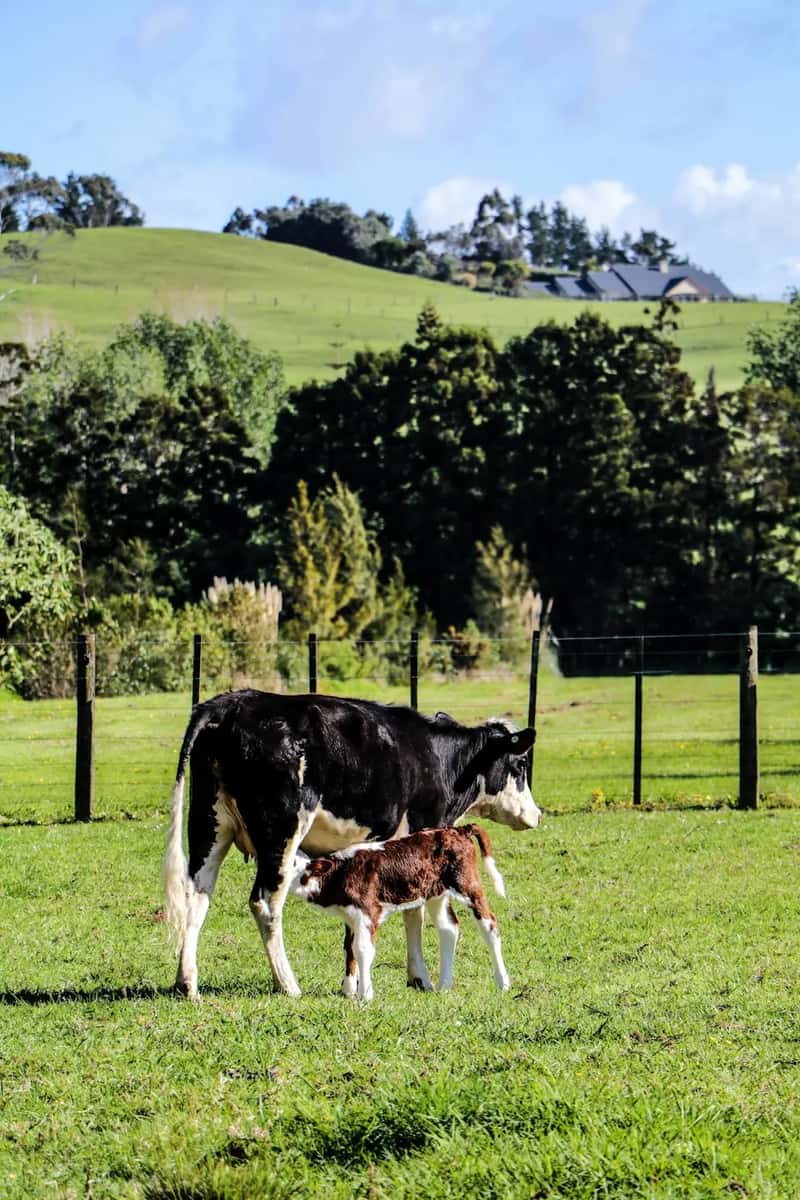
New Zealand shares a similar story to its neighbor across the Tasman Sea. The country’s food culture draws from British, Pacific, and Maori influences, none of which historically centered fermentation as a core preservation or flavoring method. Maori hangi cooking, for instance, relies on earth ovens and slow roasting rather than fermentation, favoring immediate, communal meals over foods left to develop over weeks.
Modern New Zealand cuisine has absorbed international trends, including a small wave of interest in kombucha and kimchi imported from Asian food culture, but these remain niche rather than woven into the everyday diet. Dairy, unsurprisingly given the country’s pastoral economy, shows up constantly on New Zealand tables, yet even there the emphasis tends to fall on fresh milk, cream, and butter rather than fermented dairy staples like kefir or aged cheese traditions found elsewhere.
Saudi Arabia: a cuisine built on freshness and spice, not fermentation
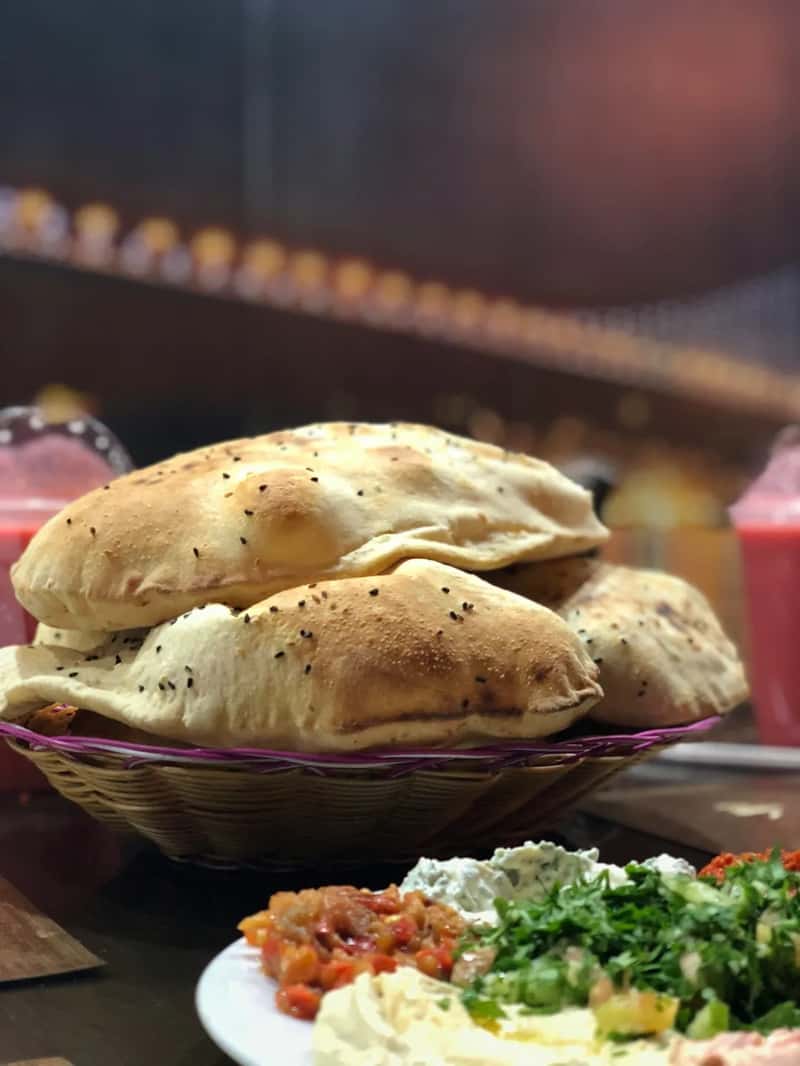
Saudi Arabian food culture developed around very different priorities than the fermentation heavy cuisines of East Asia or Eastern Europe. Saudi spice is about fragrance and warmth rather than heat, with cardamom, cinnamon, and saffron doing most of the heavy lifting. There is an emphasis on the freshness of ingredients, with herbs like mint and parsley adding a refreshing touch, grains such as rice and wheat forming the foundation of meals, and lamb and chicken typically slow cooked or grilled to let natural flavors shine.
Fermentation does exist, but only in a minor, supporting role. Laban, a fermented milk drink, is available at most convenience stores and restaurants, and the fermentation process makes it easier to digest than regular milk. Sobia, a cold drink made from a light fermented mixture of barley or brown bread, date palm sap, herbs, and spices, is popular especially during Ramadan. Even so, these fermented items sit on the margins of a cuisine that is fundamentally built around freshly grilled meat, fragrant rice, and dates rather than aged or cultured ingredients.
Looking at these two lists side by side says something about how differently cultures have solved the same basic problem: how to make food last, and how to make it taste good along the way. South Korea, Japan, Germany, and India leaned into microbes centuries ago and never looked back, turning preservation into an art form that still shapes daily meals today. The United Kingdom, the United States, Australia, New Zealand, and Saudi Arabia took a different route, favoring freshness, refrigeration, or fast preparation over the patience fermentation demands.
Neither approach is better or worse. They’re simply different answers shaped by climate, history, and what happened to be on hand when these food cultures were forming. What’s worth remembering is that fermentation never fully disappears anywhere, even in the countries that seem to avoid it. It just waits quietly in the background, in a slice of sourdough or a glass of laban, until someone notices it’s been there the whole time.