Millions of travelers book their dream trips each year, expecting adventure, culture, and relaxation. What many don’t anticipate is becoming a crime statistic. Tourists are lucrative targets, since they typically carry large sums of money and other valuables, and they are more vulnerable because they are more likely to be relaxed and off guard while on vacation. Here are four destinations where the data tells a sobering story that no travel brochure will.
1. Barcelona, Spain – Europe’s Pickpocket Capital Under Pressure

Barcelona has seen a dramatic surge in tourist-targeted theft, with the city’s police reporting a 25% increase in pickpocketing incidents during the first half of 2024 compared to the previous year, according to data from the Mossos d’Esquadra. Even amid targeted improvements, theft still accounts for about 6 in 10 crimes in the city, with a large share occurring on streets and public transport, according to the Catalan Interior Ministry in 2024. The Las Ramblas district and the Sagrada Familia area have become notorious hunting grounds for organized theft rings that specifically target distracted visitors taking photos, and many incidents now involve sophisticated gangs working in coordinated teams, with some even using children as decoys.
The La Barceloneta Beach Metro Station has experienced a concerning 47% jump in theft reports, underscoring a worrying trend of rising crime in Barcelona. Figures from the Spanish Ministry of the Interior, analyzed by Private Investigations UK, show that while Ibiza, Mallorca, and Barcelona remain magnets for millions of travelers, they also top the list for crime rates, with theft, scams, and nightlife-related offences pushing the Balearic Islands and Catalonia to the highest levels of reported incidents. According to the 2024 Tourist Crime Index, the Balearics recorded over 5,000 crimes per 100,000 residents, while Barcelona and Girona also scored above 4,500. The city’s dependence on tourism – Barcelona welcomed over 12 million visitors in 2024 and similar numbers in 2026 – makes it an attractive target for organized theft rings. The Mossos established specialized units focusing on tourist areas, increasing both uniformed and plainclothes presence, particularly during peak seasons, yet the perception among visitors that Barcelona carries higher-than-average risks for theft remained stubbornly persistent.
2. Rio de Janeiro, Brazil – Beach Robberies and Armed Gangs

Rio de Janeiro’s stunning beaches have become increasingly dangerous for tourists, with violent crime rates in popular areas like Copacabana and Ipanema reaching levels that have prompted multiple travel warnings. Brazilian news outlet O Globo reported in December 2024 that armed robberies on Copacabana Beach increased by 40% during the peak tourist season compared to the previous year, with thieves often working in organized groups called “arrastões” that sweep through beach areas targeting visitors. The situation escalated to the point where Rio’s state government implemented a controversial new security protocol in January 2025, deploying military police with visible weaponry along the beachfront. Tourists have reported being robbed at gunpoint even in broad daylight, with criminals specifically targeting those wearing jewelry or carrying expensive cameras, and the proximity of favelas to tourist zones means escape routes for criminals are quick and numerous.
The 2024 crime data reveal a worrying pattern of territorial concentration and criminal adaptation in Rio de Janeiro. While the overall sense of insecurity remains high across the city, certain neighborhoods – especially those within a short radius between the South and North Zones – are experiencing sharp and simultaneous increases in multiple types of urban crime. The Centro neighborhood recorded 1,622 cell phone robberies in 2024, a 55.5% increase from the previous year – the highest figure in the city and the largest ever recorded in the downtown area since the tracking tool launched in 2020. Brazil scored 59 on the Travel Danger Scale, with a high crime index of 65.6, according to a comprehensive study by Everly Life that examined safety indicators across the 50 most visited countries worldwide.
3. Paris, France – Violent Crime Around Iconic Landmarks

The City of Light is dealing with a darker reality as violent crime against tourists has escalated significantly around its most famous sites. French police statistics from late 2024 show that armed robberies targeting tourists near the Eiffel Tower and Champs-Élysées increased by roughly one-third compared to 2022 figures. These are not just bag snatchings – travelers have reported being threatened with weapons, particularly in the metro stations serving major tourist destinations. The Prefecture of Police Paris confirmed in a January 2025 statement that they have assigned additional plainclothes officers to tourist zones, but many visitors still report feeling unsafe, especially after dark, near popular monuments where groups of criminals operate with alarming boldness.
The European Pickpocketing Index 2024, compiled by Quotezone, shows that by mentions of pickpocketing per million visitors, Italy leads with 478, followed by France with 251, placing Paris in a particularly worrying position among European capitals. Extra vigilance was advised during and after the 2024 Olympics, with the Eiffel Tower, Arc de Triomphe, Notre-Dame, the Louvre, and the metro lines serving them flagged as key risk points. The growing affordability and accessibility of travel, combined with the rise of global tourism and the influence of social media, has led to a surge in visitors to popular destinations – often beyond the limits of what they can handle. This phenomenon, known as overtourism, not only strains local infrastructure but also creates opportunities for criminal activity, increasing the risk of victimization for both tourists and residents.
4. Cancun and Mexico’s Resort Coast – Cartel Violence Creeping Closer
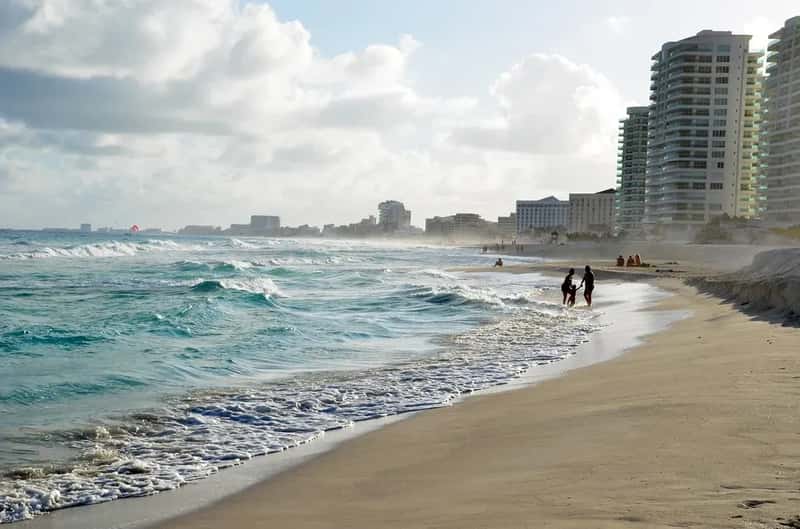
Cancun’s tourism sector faces an unprecedented challenge as drug cartel-related violence has crept closer to resort zones throughout 2025 and into early 2026. While hotel zones remain relatively safer than downtown areas, the Mexican government deployed additional National Guard troops to tourist corridors in December 2025, a clear acknowledgment that the situation has deteriorated beyond what local police can handle.
Tulum logged a shocking homicide rate of 83.9 per 100,000 residents between September 2024 and August 2025, with 46 murders recorded, while Acapulco, formerly known as Hollywood’s playground, witnessed 560 homicides in that same timeframe. Drug cartel conflicts have bled into tourist zones, making even beachfront resorts feel less like vacation spots and more like danger zones. Authorities urge extreme caution for anyone still booking trips to the most affected areas. As international travel volumes continue to surge, a troubling trend is emerging: a rise in crimes committed by organized networks, often fueled by the pressures and consequences of overtourism, creating new challenges for local authorities and travel assistance providers alike.