Checking into a hotel should feel like a relief, especially after a long journey. You drop your bags, kick off your shoes, and finally exhale. What most travelers never think to do, though, is inspect the room before settling in. That instinct to relax right away can actually be a costly one. These days, you can’t always assume that when you check in, your room will be clean and secure. Beneath a seemingly clean surface could lurk some unpleasant surprises. Experts across the hospitality, pest control, and public health industries are increasingly vocal about specific warning signs travelers should never ignore – signs serious enough that leaving immediately may be the smartest decision you can make.
1. Visible Bed Bugs or Their Telltale Traces
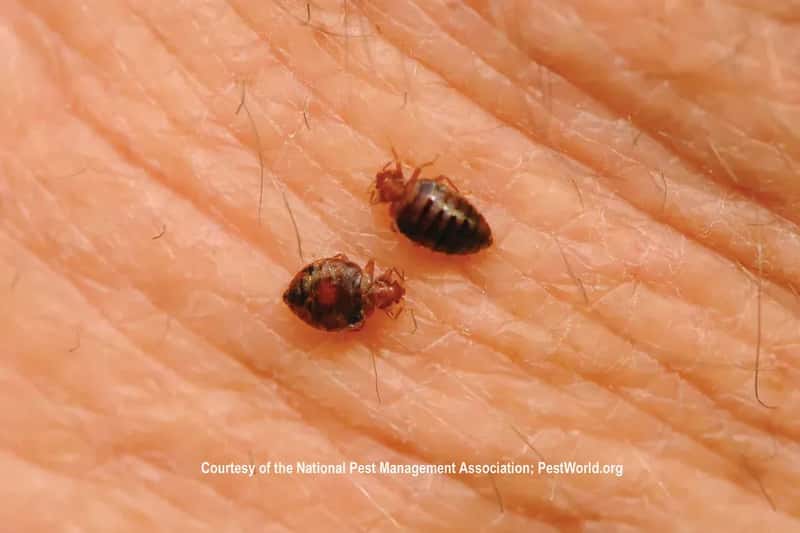
According to a survey from the Sleep Doctor, roughly 14 percent of Americans reported bed bug encounters in hotels and other living accommodations in a recent survey, shedding light on the extent of this issue and how it impacts travelers. That is not a small number. The top three places where pest professionals report finding bed bugs are single-family homes, apartments and condominiums, and hotels and motels – with hotels accounting for 68 percent of professional treatment sites. For a problem this widespread, knowing what to look for the moment you walk into a room is essential.
Experts recommend surveying the hotel room carefully for signs of an infestation, being on the lookout for tiny ink-colored stains on mattress seams, in soft furniture, and behind headboards – and lifting and looking in bed bug hiding spots such as the mattress, box spring, and other furniture, as well as behind baseboards, pictures, and even torn wallpaper. The consequences of ignoring these signs are significant. The majority of travelers who encountered bed bugs say it impacted their sleep for days, and 99 percent say the experience had an impact on the way they travel. Now, 73 percent say they will always check for bed bugs, 63 percent will spend more money to stay at nicer accommodations, and 55 percent will avoid certain accommodation companies or chains. Worse still, just 28 percent of Americans check their hotel rooms for bed bugs before staying overnight – a habit experts say every traveler should adopt without exception.
2. A Musty Smell or Visible Mold Growth
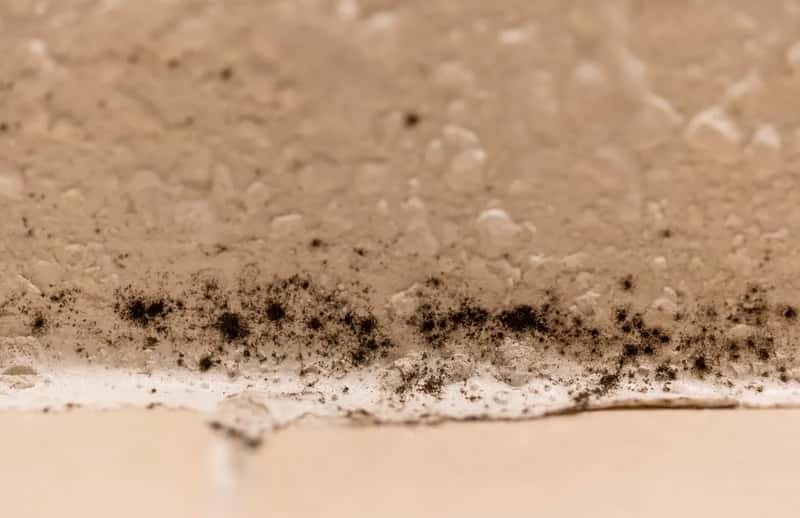
If you ever walk into a room that smells like an old, damp basement, that is the unmistakable scent of mold and mildew. If your hotel room smells like this, it is a sign of poor maintenance and possibly even health hazards. Breathing in mold spores is definitely not part of your vacation plans. The health implications are real and well-documented. Exposure to mold for short periods can cause mild allergic reactions such as nasal congestion, cough, irritation of the throat, eyes, and skin. In some more sensitive individuals, mold can cause asthma attacks and increase the risk of other respiratory symptoms.
In hotels, mold is typically found under carpet in damp areas, behind wallpaper in rooms that have experienced some form of flooding, and within pipes and air conditioning systems that have gone unnoticed. Since hotel rooms see a high flow of people and incidents inside the room are hard to track, mold might grow in areas unnoticed for several months before it becomes visible to the naked eye, while guests are constantly exposed to it. What makes this especially dangerous is how many forms it takes. The most obvious sign of mold damage is visible mold growth. Mold can appear in various colors, including black, green, white, and gray, and may look fuzzy or slimy. If you are traveling with children, elderly family members, or anyone with respiratory sensitivities, do not try to tough it out in a room that smells musty or shows visible growth. Short stays in damp rooms can trigger symptoms fast in sensitive individuals. Move first and debate later.
3. A Damaged or Tampered Door Lock
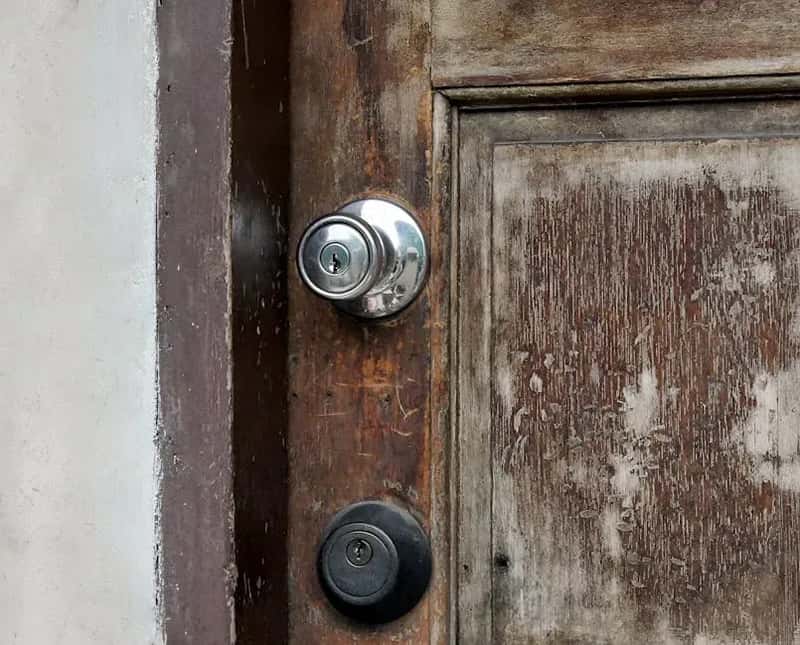
Always inspect your hotel room door. If the deadbolt shows any visible signs of damage or tampering, ask for a different room or find a safer hotel. This is not paranoia – it is basic security awareness that too many guests overlook in their haste to settle in. The threat to hotel room door security has only grown more complex in recent years. Researchers found a vulnerability in the Saflok brand of hotel guestroom door locks. The hack opens several models of the Saflok RFID-based keycard door locks, and there are more than 3 million doors that use these locks in 13,000 hotels across 131 countries.
Researchers discovered that hackers can use an RFID read-write device to essentially rewire a door lock and create a master hotel room keycard to open any door using a Saflok. Even without high-tech attacks, physical tampering remains a constant concern. Examining the door frame and hinges for any signs of damage or tampering is critical, as a compromised frame can be a security risk. Large gaps between the door and the floor or frame can be points of vulnerability. The security latch or chain should be intact and work correctly – it should not be loose or damaged. If any of these features appear compromised when you first enter the room, request a room change immediately and alert the front desk about what you observed.
4. Overwhelming Chemical or Artificial Fragrance
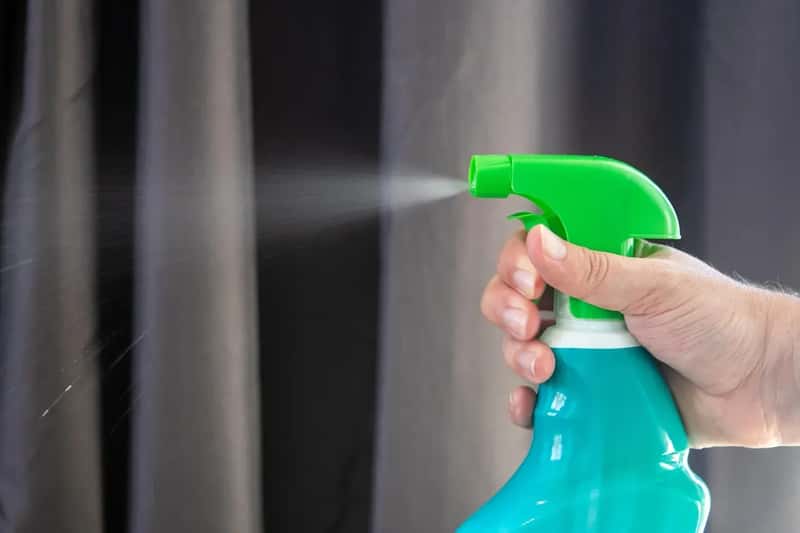
When you walk into a room and it smells like a can of Lysol exploded, it is likely the hotel is trying to cover up something way nastier than just last night’s takeout. Think mold, sewage, or the permanent smell of old cigarettes. This kind of aggressive masking odor is one of the most underrated red flags travelers encounter. A genuinely clean room should smell fresh and neutral, not like it has been doused in synthetic fragrance to conceal something worse underneath.
A surprising number of guests say they feel worse when they wake up in a hotel room. The typical symptoms, as described by Christine Oliver, an environmental physician at Harvard Medical School who specializes in treating patients with mold allergies and chemical sensitivities, include sore throat, headaches, and burning eyes. Spending one night in a hotel obviously isn’t a matter of life or death, but it’s the kind of thing that can make you miserable that night. Beyond mold, even though all air is screened through filters, everything from common molds to bacteria can seep or stay in, hiding behind wallpaper or in cooling systems. There are also volatile organic compounds, a broad category including everything from room cleaning solvents to fumes from new carpets and furniture. When a room’s smell feels wrong – either musty and damp or aggressively perfumed – trust that instinct. When you enter a room, look for stains and whether the carpet has been vacuumed. The bathroom is key. Check the shower curtain or the glass shower panel, which should be spotless. If it isn’t, you can either request a new room or request a housekeeper come to the room and correct the problem.