Not every travel restriction comes with a press conference. Some islands are simply tightening the valve, a permit system here, a hard visitor number there, until the crowds that once defined them start to thin out. The changes rarely make front page news outside the region affected, yet together they mark one of the more significant shifts in how popular destinations are managing their own popularity.
Four islands in particular have moved from talking about overtourism to actually doing something concrete about it in 2026. Each has taken a different approach, shaped by its own geography, economy, and patience level with crowds. Here is a closer look at what is actually changing on the ground.
Boracay, Philippines
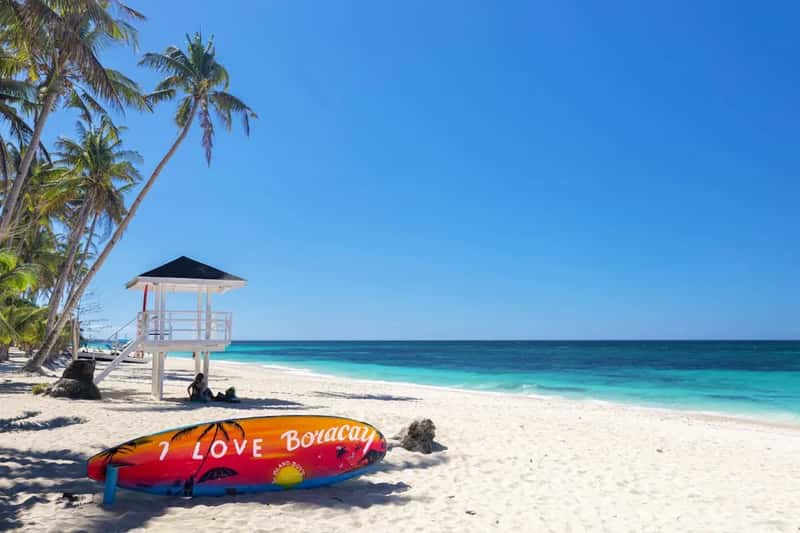
Boracay has spent years rebuilding its reputation after a dramatic six month closure back in 2018, and the lessons from that shutdown are still shaping policy. The island’s regulations are designed to maintain its ecological carrying capacity, which is currently capped at 19,215 persons at any given time. That figure is not a rough estimate either. The daily cap of 19,215 is tracked carefully as part of a broader effort to scale tourism sustainably.
Entry and stay on the island are governed by a multi layered framework involving the national government, the Provincial Government of Aklan, and the Municipal Government of Malay, with 2026 updates outlining mandatory legal requirements for all visitors, enforced through Aklan provincial ordinances and Department of Tourism administrative orders. The result is an island that still welcomes plenty of visitors, but under a ceiling that cannot simply be exceeded during peak weeks. Anyone arriving without accounting for this cap during high season, particularly around the Labor Day celebrations in May, may find themselves turned away or rerouted, a quiet but firm reminder that Boracay is no longer chasing volume for its own sake.
Capri, Italy
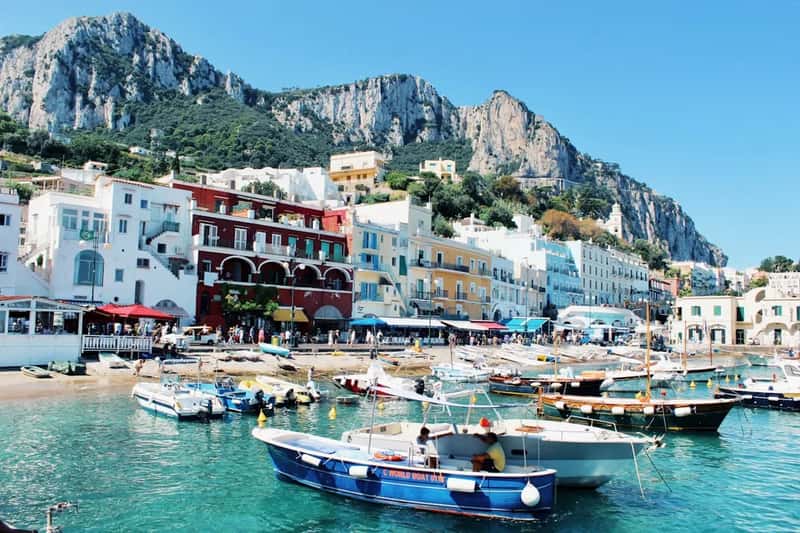
Capri has long carried an odd contradiction: a resident population barely reaching into the tens of thousands, yet a daily flood of visitors that can dwarf it many times over. The island, with a resident population of around 13,000 to 15,000, can host up to 50,000 daily visitors during peak summer months. That imbalance finally prompted municipal action. Municipal authorities approved new rules to curb overtourism ahead of the 2026 summer season, adopted in early February, setting a maximum of 40 people per organized group and introducing additional restrictions on tour guides to reduce congestion in the island’s narrow streets.
The details go beyond a simple headcount. For groups larger than 20, guides must use wireless earpiece systems instead of megaphones, and the use of umbrellas, flags, or other visible markers to coordinate groups is prohibited. The regulations take effect in the 2026 high season, meaning the sprawling tour groups that once clogged the Piazzetta and the paths to Faraglioni are, at least on paper, a thing of the past. It is a modest sounding rule, yet on an island where every alley is narrow and every viewpoint is finite, capping group size at 40 changes the entire rhythm of a summer afternoon.
Komodo National Park, Indonesia
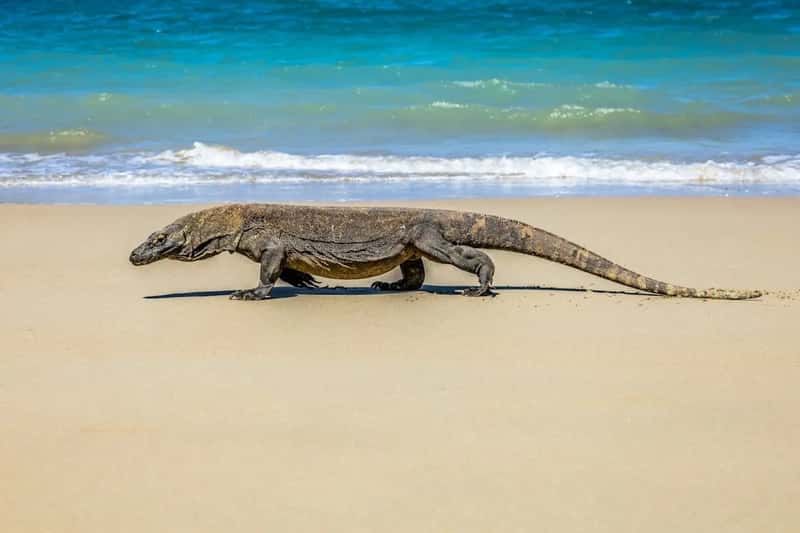
Home to the Komodo dragon and some of the most photographed pink sand beaches on earth, this Indonesian park has been dealing with a visitor surge that outpaced its conservation capacity. Tourist numbers exceeded 300,000 in 2024, prompting authorities to introduce a daily visitor quota of 1,000 starting in April 2026. The reasoning behind the cap is explicit rather than vague. Officials have pointed to an increase in visitors leading to potential threats of degradation to both terrestrial and marine ecosystems, as well as discomfort during tourist activities.
The rollout has been methodical rather than abrupt. The daily cap is divided into three visiting sessions, each accommodating around 300 to 330 people, and will be implemented gradually through the SiOra mobile application, which handles visitor registration and distribution. The quota covers the park’s most iconic stops. It applies to Padar Island, Rinca Island, and Komodo Island, as well as 23 surrounding dive sites, effective from April 1, 2026, and caps annual visits at around 365,000. Travelers hoping for a spontaneous, last minute boat trip out to see the dragons will need to rethink that plan; booking ahead is no longer optional, it is the only way in.
Santorini, Greece
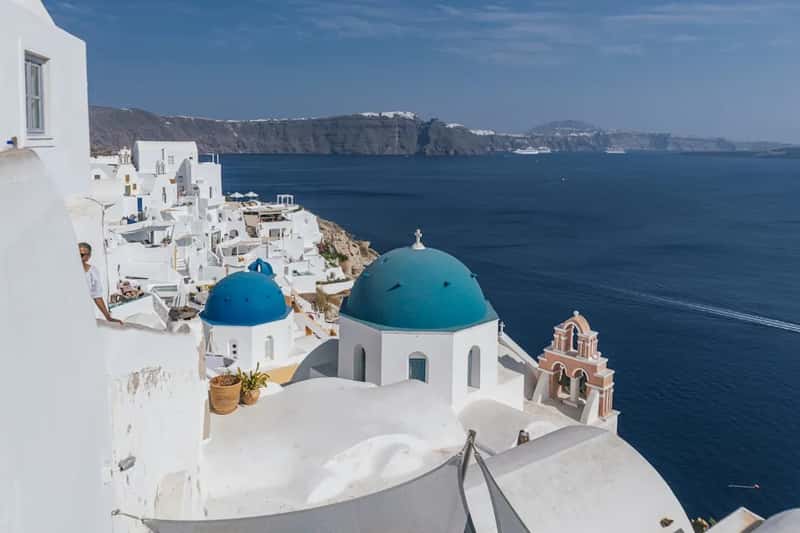
Few images capture Mediterranean overtourism quite like Santorini’s caldera rim on a cruise ship day, thousands of visitors funneling through the same narrow cliffside paths within a few hours of each other. That picture is finally being redrawn. For the 2026 season, the island enforces a daily cap of 8,000 cruise visitors, run by the Municipal Port Fund of Thira through a berth allocation system that ranks and schedules ship calls long in advance.
What makes the 2026 version of this cap notably stricter is a change in how ships are counted against it. Passenger loads are now counted at 100 percent of a ship’s capacity, not the 80 percent assumption used in 2025, so a 3,000 berth ship now counts as 3,000 against the limit. That single accounting shift closes a loophole that had effectively allowed more people onto the island than the cap intended. Combined with the Balearic style sustainability taxes seen elsewhere in the Mediterranean, Santorini’s cruise limit signals that Greece’s most photographed island is no longer willing to let arrival numbers grow unchecked simply because demand exists.
What ties these four cases together is not coordination, since none of these governments worked from a shared playbook. It is convergence. Islands with fragile ecosystems, narrow infrastructure, or resident populations dwarfed by summer crowds have each independently concluded that unlimited access is no longer sustainable, whether that means a hard visitor number, a group size limit, or a stricter counting method for cruise arrivals. For travelers, the practical takeaway is simple: booking ahead, checking quotas, and building flexibility into itineraries is becoming less of a suggestion and more of a requirement.