Geography plays strange tricks with the calendar. While much of the world cycles through four distinct seasons, a handful of nations sit so close to the equator that summer simply never leaves. At the same time, a different group of countries, most of them wedged up near the Arctic Circle, spend chunks of the winter in near total darkness, only to flip into months of endless daylight once summer arrives. Both extremes reveal just how much latitude, not the calendar, dictates daily life.
This gallery-style look pairs four places where summer weather never really breaks with six that barely see the sun during the darkest stretch of the year. The contrast is a reminder that “seasons” mean something entirely different depending on where you happen to be standing on the planet.
1. Singapore: The City-State With No Winter On The Calendar
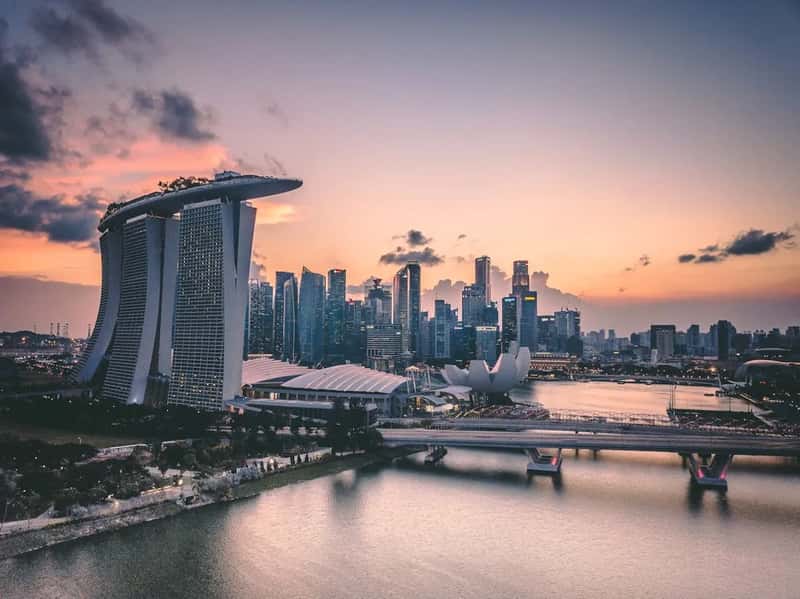
Singapore sits just over a hundred kilometers north of the equator, and its climate reflects that positioning almost perfectly. Located only about 140 kilometers north of the equator, Singapore offers a typical tropical rainforest climate characterized by high humidity and consistent temperatures. Average year-round maximum temperatures range between 30 and 33 degrees Celsius and average minimum temperatures between 24 and 26 degrees Celsius. There is no winter, no spring, no autumn in the traditional sense, just warmth that barely wavers from January through December.
What does change in Singapore is rainfall rather than temperature. There are two distinct monsoon seasons in the city-state: the northeast monsoon, which lasts from December to March, brings slightly cooler temperatures and occasional precipitation, while the southwest monsoon, from June to September, is generally hotter and wetter, with more frequent thunderstorms. Even so, Singapore does not have traditional seasons like summer, autumn, winter, and spring, and daylight itself is remarkably steady too. Sunlight in Singapore averages 12 hours and 7 minutes a day, and the shortest days of the year in mid December have 12 hours and 3 minutes of daylight. For a place this close to the equator, the sun essentially keeps banker’s hours all year long.
2. The Maldives: Turquoise Water And Warmth That Never Fades
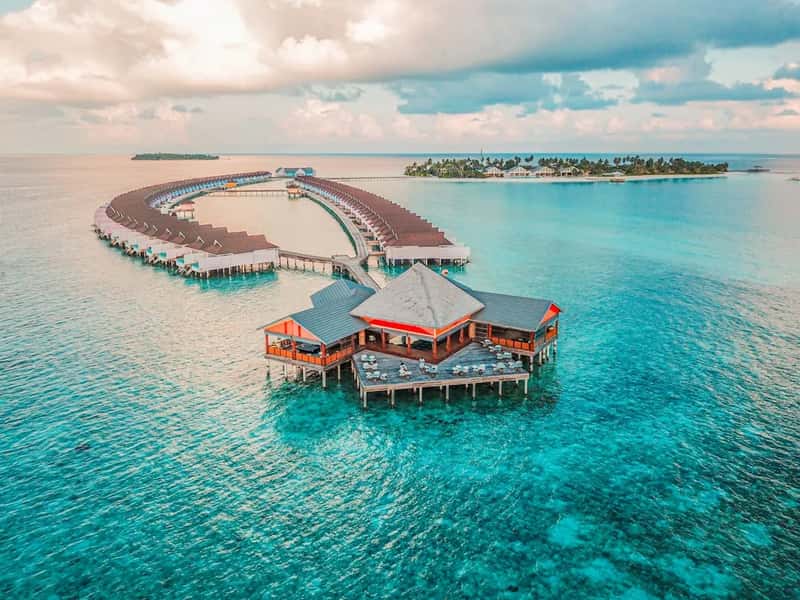
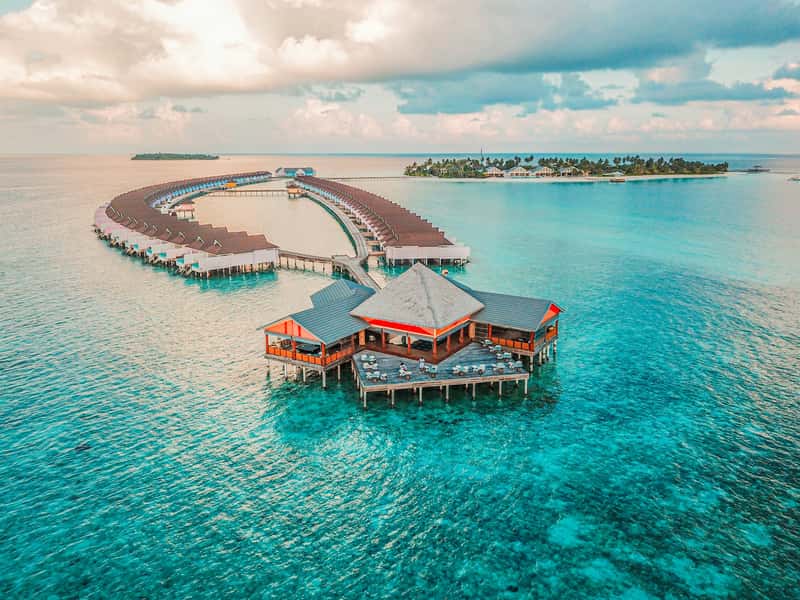
Scattered across the Indian Ocean southwest of India, the Maldives is a nation built almost entirely around its climate. The islands have a tropical climate, hot all year round and influenced by the monsoons. There is a wetter season and a drier one, but the temperature swing between them is negligible. Winter is essentially non-existent in the Maldives, with the lowest temperature sitting at a balmy 24 degrees Celsius.
Sunshine here is abundant rather than occasional. The sun in the Maldives shines for more than 2,700 hours a year, and there is no season when the sun disappears, although there may be periods of a few days when the sky is often cloudy, especially during the southwest monsoon. Sea temperatures barely move either, staying warm enough for swimming regardless of the month, which is part of why the islands market themselves as a year-round escape rather than a seasonal one.
3. Kiribati: A Pacific Nation Where The Thermometer Never Moves
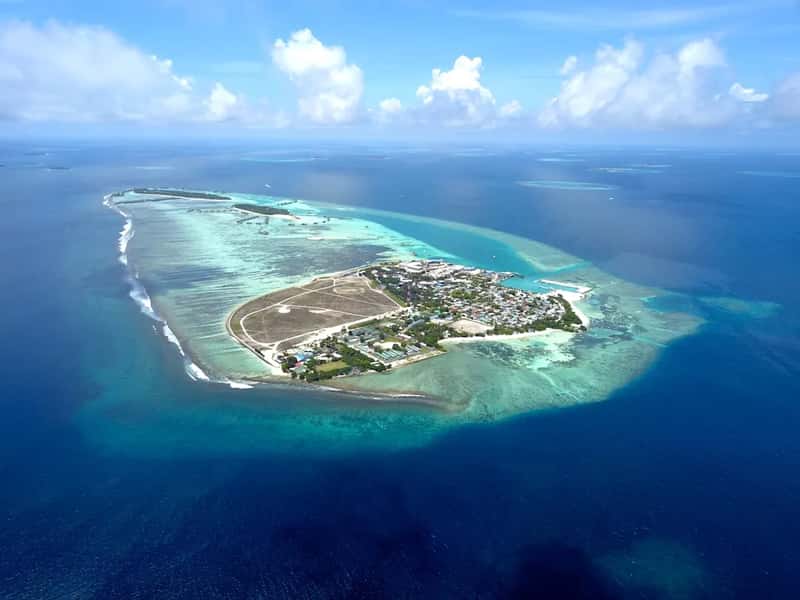
Kiribati, spread across three island groups in the central Pacific, might be the most climatically stable country on Earth. Its climate is tropical, hot all year round, with stable temperatures throughout the year. The numbers back that up in a striking way. On average, there is less than 1% variation between the cool and hot months, but daily temperatures range between 25°C and 32°C.
Local meteorological data confirms just how flat the seasonal curve really is. Across Kiribati, the average temperature is relatively constant year round, with changes from season to season no more than about 1 degree Celsius. Rainfall is the only variable that shifts meaningfully, driven largely by El Niño and La Niña cycles rather than by any conventional seasonal pattern. And unlike many tropical nations, Kiribati rarely worries about cyclones, since its proximity to the equator means the islands do not suffer from typhoons.
4. Nauru: The World’s Smallest Island Republic, Locked In Endless Heat
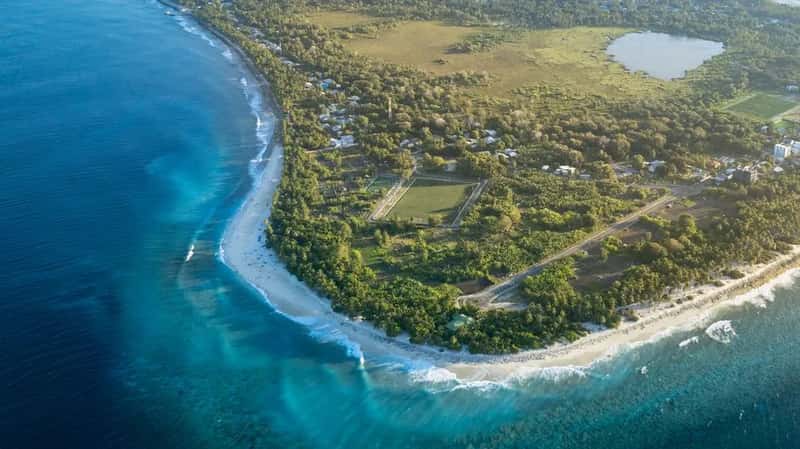
Just south of the equator in the central Pacific, Nauru is one of the smallest and least visited countries on the planet, but its climate follows the same equatorial script as its island neighbors. Days are hot and humid year round, with only a wet and dry season separating one month from the next rather than anything resembling a real winter. Trade winds occasionally cool the air, but the underlying warmth never really disappears the way it does in higher latitudes.
Life on Nauru revolves around this consistency. Fishing, gathering, and daily routines follow the rhythm of rainfall rather than temperature, since heat is simply a constant backdrop rather than a seasonal event. Like Kiribati and the Maldives, Nauru’s location keeps it largely outside the paths of major tropical cyclones, adding a layer of predictability to a climate that already leaves little room for surprises.
5. Norway: Where The Sun Disappears For Weeks At A Time
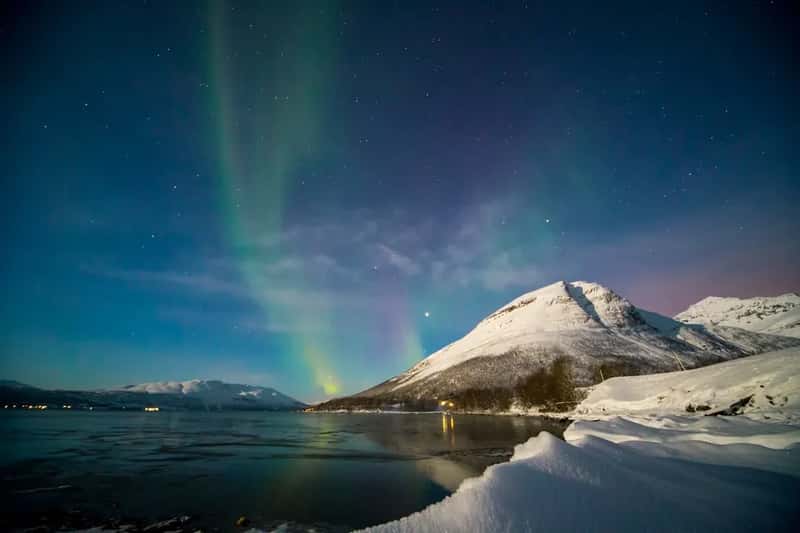
At the opposite extreme sits Norway, a country whose northern reaches trade summer’s midnight sun for winter’s total darkness. In Tromsø, one of the Arctic’s most visited cities, true polar night runs from around late November to mid January, during which the sun doesn’t rise at all, though a bluish twilight casts an eerie glow during the middle of the day. Locals still go to work, walk their dogs, and keep restaurants open through it all, but the absence of a proper sunrise for weeks on end is impossible to ignore.
Farther north, the darkness stretches even longer. On the North Cape, the sun remains under the horizon for more than two months, while in Tromsø the phenomenon lasts for six weeks or so. Svalbard, Norway’s Arctic archipelago, has it worst of all, since the sun disappears completely for almost four months there. Come summer, the pattern flips entirely, and the same towns bask in continuous daylight, proof that in this part of the world, light and dark arrive in extremes rather than gentle gradients.
6. Iceland: Four Hours Of Daylight In The Dead Of Winter
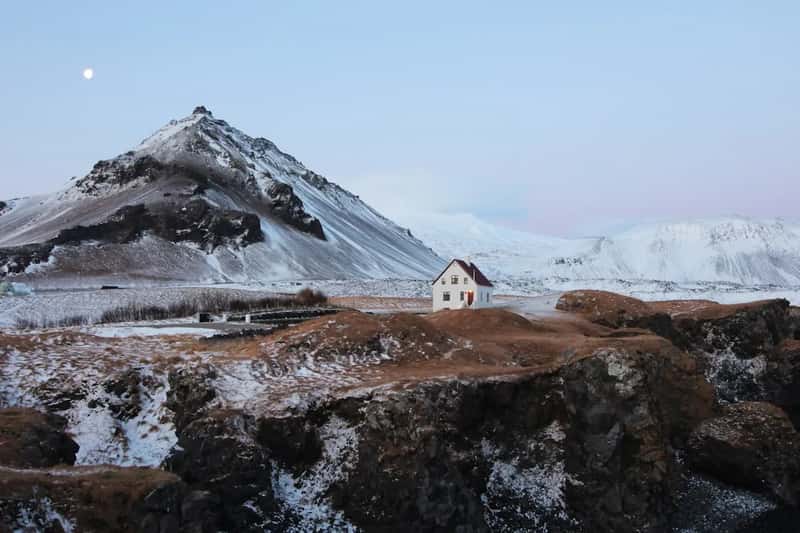
Iceland doesn’t sit quite far enough north to experience a true polar night, but its winters still feel remarkably dim. Around the winter solstice on or near 21 December, Reykjavík gets only about 4 to 5 hours of daylight, with the sun rising late, close to 11:20 in the capital, and setting again by around 15:30. Locals lean into the long dark stretch by chasing the Northern Lights, since the extended darkness happens to make aurora season especially reliable.
The swing between seasons here is about as dramatic as it gets outside the Arctic Circle proper. The result is a swing of roughly seventeen hours between the longest and shortest days of the year in Reykjavík, with around 21 hours of daylight in late June dropping to barely four by late December. Even so, Iceland never plunges into the complete, weeks-long polar night that places inside the Arctic Circle endure, and even on the darkest day, the sun does clear the horizon, it just doesn’t climb very high.
7. Finland: Kaamos And The Long Lapland Winter
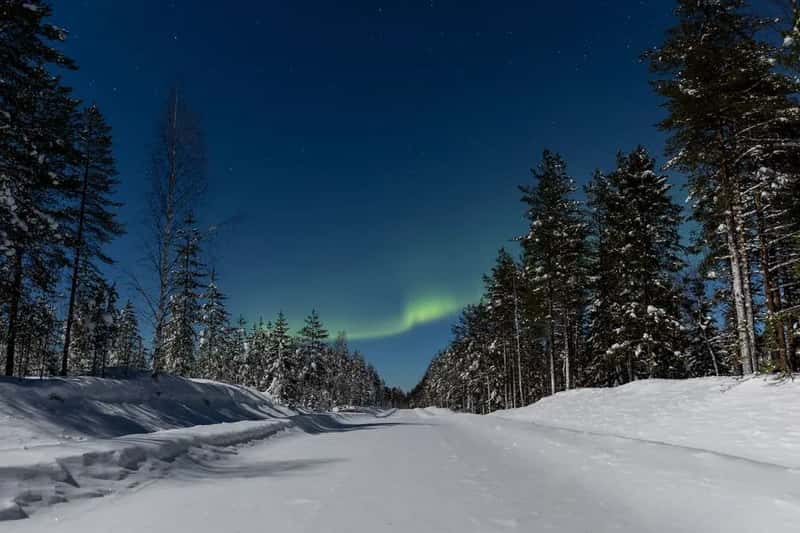
Finland has a word for its own version of this darkness: kaamos, the polar night that settles over Finnish Lapland each winter. In towns like Utsjoki, situated above the Arctic Circle in the country’s far north, the sun fails to rise for several weeks around the winter solstice, leaving only a dim blue-grey twilight at midday. Farther south, cities like Helsinki don’t experience true polar night, but daylight still shrinks to just a handful of hours in December.
Finns have built an entire cultural rhythm around coping with kaamos, from candle-lit gatherings to widespread use of light therapy lamps meant to counter the mood dip that comes with so little sun. The flip side arrives in summer, when the same northern regions enjoy the nightless nights of the midnight sun, turning the extreme darkness of winter into an equally extreme abundance of light just six months later.
8. Sweden: Kiruna’s Weeks Without A Sunrise
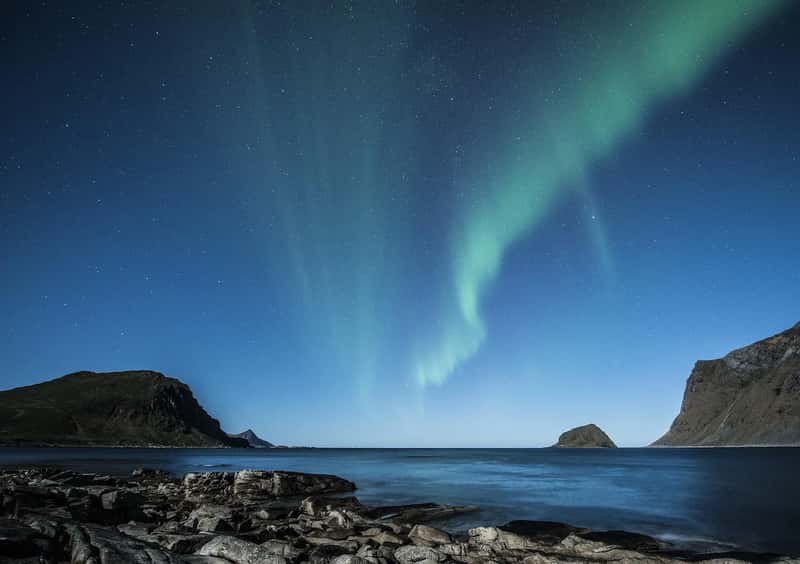
In Sweden’s far north, the mining town of Kiruna sits well above the Arctic Circle and shares the same polar night phenomenon as its Norwegian and Finnish neighbors. For roughly a month around the winter solstice, the sun doesn’t climb above the horizon there at all, leaving residents to rely on a few hours of pale twilight before darkness sets back in. Stockholm, much farther south, escapes true polar night but still sees daylight shrink dramatically by December.
Swedish life in these northern reaches has adapted around the darkness rather than fighting it. Illuminated ski trails, community bonfires, and a strong cultural embrace of coziness, often described using the concept of mys, help make the darkest months feel less oppressive. As with the rest of Scandinavia’s Arctic fringe, summer brings the complete reversal, with the sun barely dipping below the horizon for weeks on end.
9. Russia: Murmansk And The World’s Northernmost Big City
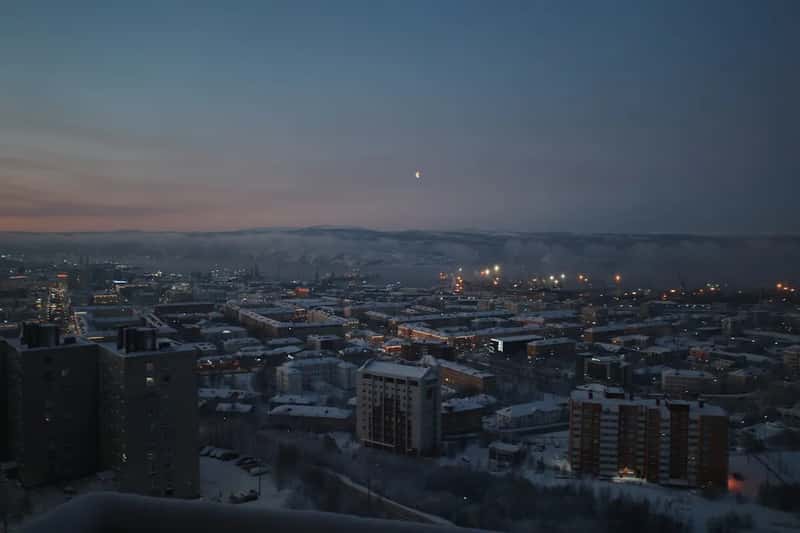
Murmansk, in Russia’s far northwest, holds the distinction of being one of the largest cities anywhere north of the Arctic Circle, and it pays for that location with a genuine polar night each winter. For roughly a month, the sun stays below the horizon entirely, and residents navigate short days lit mostly by streetlights and the soft glow of twilight rather than direct sunshine. Farther east, remote settlements across Russia’s Arctic coastline experience similarly extended darkness, some lasting even longer depending on latitude.
Despite the darkness, Murmansk remains a fully functioning port city, home to fishing fleets, naval facilities, and a population that has adapted its daily rhythms around artificial light. Come summer, the region swings hard in the opposite direction, with the sun refusing to set for weeks, a reminder that in Russia’s Arctic reaches, there is no such thing as a moderate season.
10. Canada: Nunavut’s Long Winter Blackout
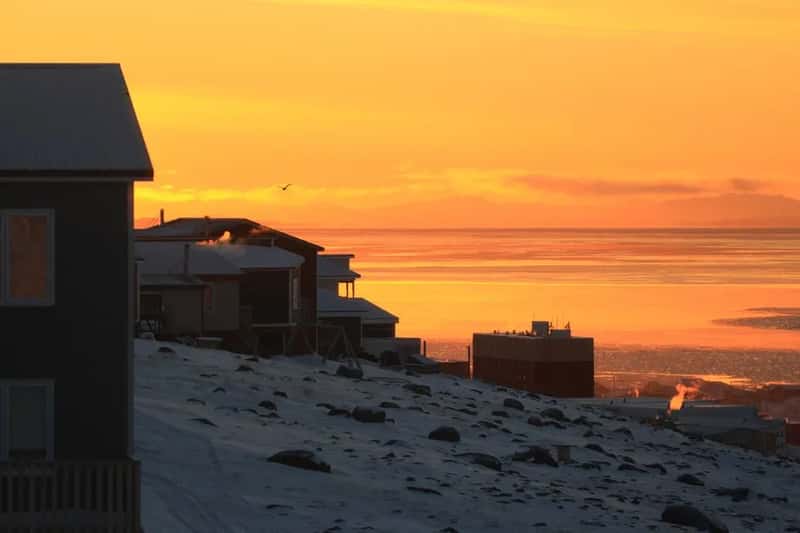
Canada’s Arctic territories, particularly Nunavut and parts of the Northwest Territories, sit far enough north that several communities lose the sun entirely for stretches of the winter. Towns like Resolute and Grise Fiord, among the northernmost permanent settlements in the country, go weeks without a sunrise once the darkest part of the year sets in, relying on twilight and moonlight to get through the day. Further south, even major northern hubs like Iqaluit see daylight shrink to just a few hours by the December solstice.
Indigenous communities across these regions have lived with this rhythm for generations, building traditions and seasonal practices around the extended darkness long before electricity arrived. As with the rest of the Arctic world, summer flips the script completely, and the same towns that saw no sun in December enjoy weeks of continuous daylight by June, a yearly reversal that shapes everything from hunting schedules to sleep patterns.
Taken together, these ten nations show just how wide the range of human experience with sunlight really is. For the four equatorial countries, summer is not a season at all but a permanent condition, one that locals have built entire economies and lifestyles around. For the six northern nations, darkness and light arrive in extremes rather than gentle shifts, forcing a different kind of adaptation built on twilight, artificial lighting, and cultural rituals that make the darkest months bearable. Neither extreme is better or worse, just a different answer to the same basic question of how a place learns to live with its own latitude.