Travel has always been a trade of sorts. Visitors bring money and curiosity, and in exchange they expect open doors, cheap flights, and a warm welcome. But that exchange has grown lopsided in some corners of the world, where residents feel like they’re paying the price for someone else’s vacation. In other places, the opposite is happening: governments are rolling out red carpets, cutting visa fees, and building new airports just to get more travelers through the gate.
The split isn’t random. It tends to follow a pattern tied to housing costs, infrastructure strain, and how much a local economy actually needs tourist dollars to function. Below is a closer look at four destinations where frustration has spilled into the streets, followed by five that are doing everything they can to keep the visitors coming.
Barcelona, Spain
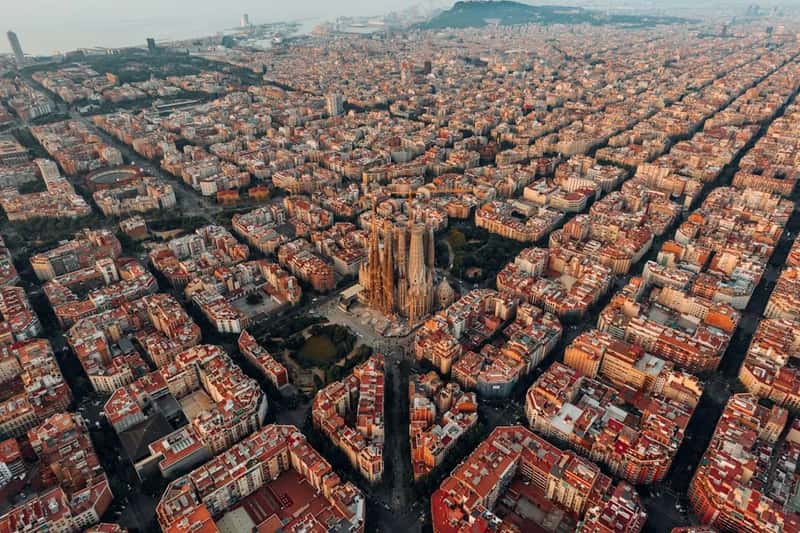
Barcelona has become something of a symbol for the entire anti-tourism movement in Europe. Demonstrators marched to demand a rethink of an economic model they believe is fueling a housing crunch and erasing the character of their hometowns, with one protester telling reporters that Barcelona has been handed to the tourists and that this is a fight to give it back to its residents.[1] The protests weren’t limited to chanting and signs, either. Protesters blew whistles and held up homemade signs saying “One more tourist, one less resident,” and stuck stickers reading “Citizen Self-Defense” and “Tourist Go Home” on hotel and hostel doors.[2]
Water guns became the unlikely mascot of the movement, first showing up in the summer of 2024 and returning again in 2025. Thousands of protesters marched through Barcelona to express anger at mass tourism, and bystanders dining in the popular La Barceloneta neighborhood were soaked when protesters sprayed them.[3] The city has since responded with policy, not just crowd control. The tourist tax in Barcelona has doubled as part of a broader European reckoning with overtourism.[4]
Mallorca and the Balearic Islands
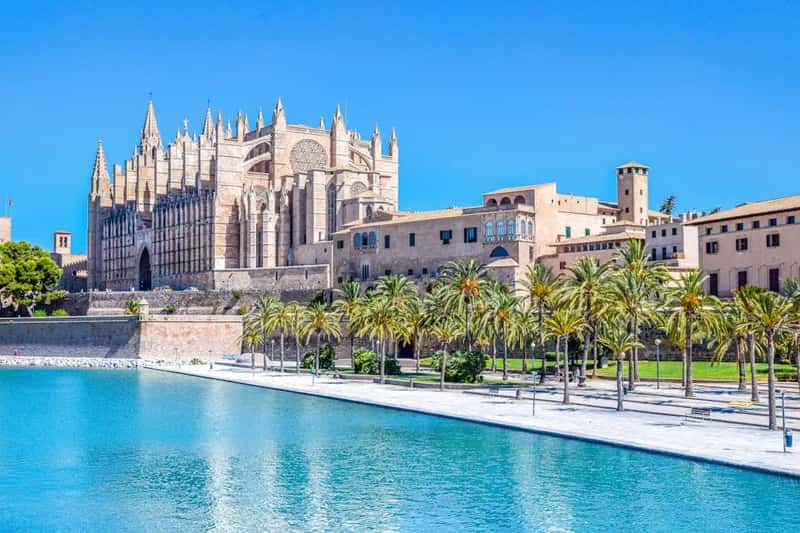
If Barcelona is the movement’s headline city, Mallorca is where the crowds have been largest. Around 5,000 people gathered in Palma, the capital of Mallorca, chanting “Everywhere you look, all you see are tourists,” on an island that’s long been a favorite for British and German sun-seekers and has seen housing costs skyrocket as homes shift to short-term rentals.[1] The scale of that single gathering made it the biggest turnout of the coordinated protest day in 2025.
The core complaint on the islands isn’t really about tourists as people, it’s about what their presence does to rent. The campaigners’ main complaint focused on the limited availability of housing for local residents, with rents soaring in many communities.[5] Spanish authorities have taken note at a national level too, since Spain has removed around 65,000 non-compliant Airbnb listings and Barcelona plans to phase out short-term tourist rentals by 2028.[6] Whether that eases pressure on Mallorca’s rental market remains to be seen, but it signals the protests achieved more than headlines.
The Canary Islands
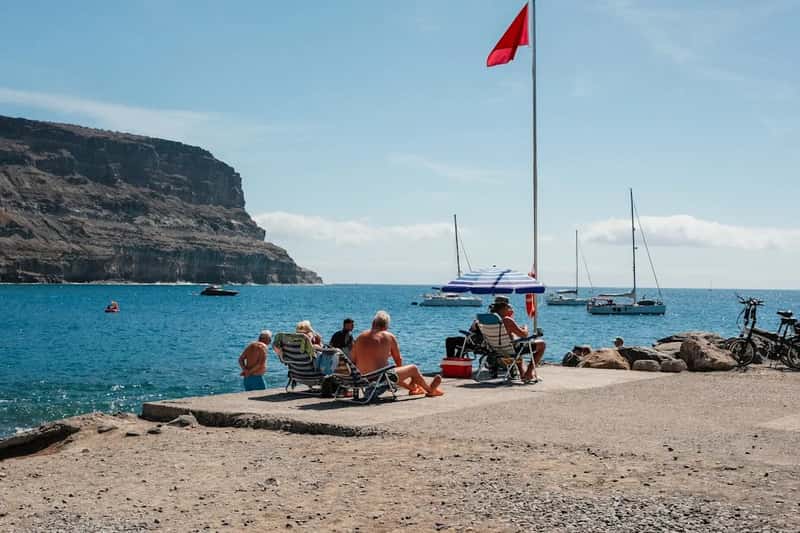
The Canary Islands have arguably become the most vocal front in this fight. The archipelago has become ground zero for the movement after receiving 7.8 million visitors in the first half of 2025 alone while being home to just 2.2 million residents, and under the banner “Canarias tiene un limite,” thousands protested across all seven islands.[4] That ratio of visitors to residents, roughly three and a half tourists for every local in just six months, explains a lot about why patience has worn thin.
The numbers only got starker as protests continued. Official data states that the islands see more than one million foreign tourists visit each month, with the main protest taking place in Santa Cruz, the capital of Tenerife.[5] Demonstrators there weren’t simply venting, they were pushing for concrete limits. Thousands of protesters urged officials to limit the number of visitors, holding banners that said “Canaries have a limit” while marching against soaring housing costs and overstretched services.[5]
Venice, Italy
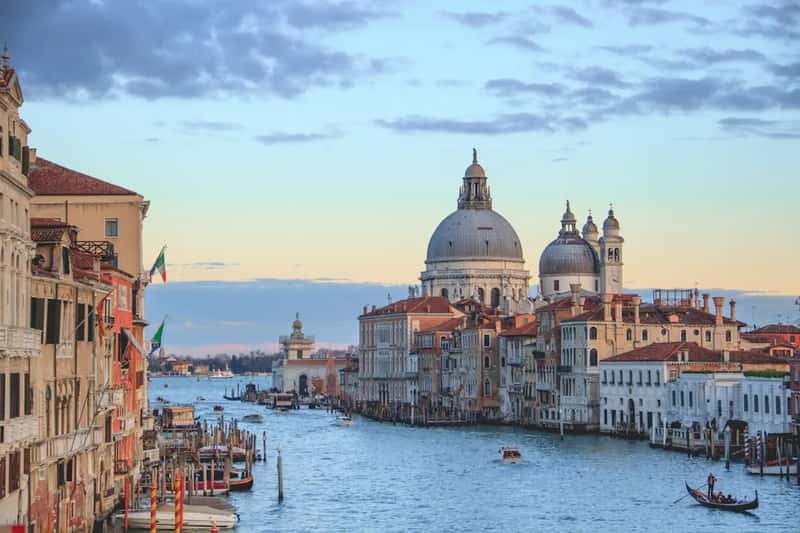
Venice’s problem is a little different from Spain’s, since housing pressure competes with the sheer physical fragility of a city built on water. Still, the frustration has translated into similar street action. Hundreds gathered in Venice, Italy, as part of the coordinated protests against overtourism that swept southern Europe in 2025.[2] City officials have leaned on fees rather than marches to manage the crowds, though that hasn’t fully calmed things down.
The entry fee experiment has produced mixed results so far. Venice’s 2025 pilot collected 5.42 million euros from over 720,000 payers, but crowd levels on fee days weren’t dramatically lower than on free days.[4] Even so, the city pressed ahead. Venice now charges up to 10 euros just to enter on peak dates, expanding the day-tripper fee for 2026.[4] It’s a pragmatic approach, charge for access rather than ban it outright, but it hasn’t quieted local resentment about what mass tourism has done to daily life in the lagoon.
Vietnam
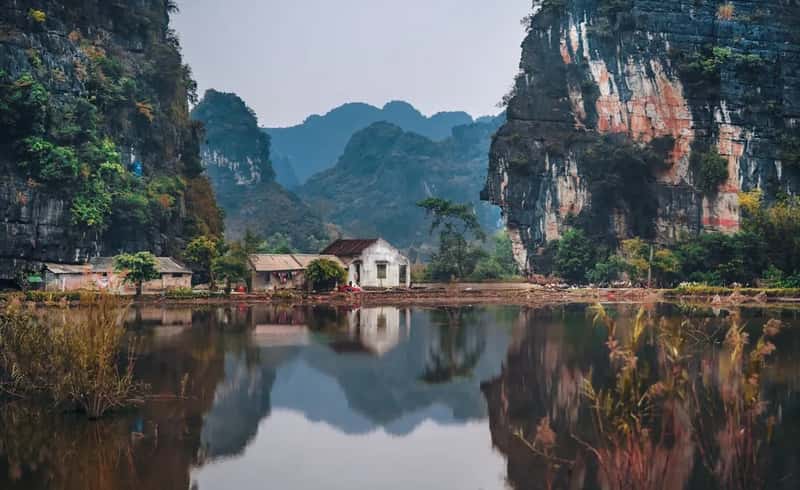
While parts of southern Europe are debating caps and surcharges, Vietnam is doing the opposite, and the results have been dramatic. Vietnam continued its tourism surge in 2025, receiving more than 21 million international visitors, a record for the country.[7] That growth wasn’t accidental, it followed a deliberate policy shift. Officials attribute a 20% increase partly to expanded visa exemptions for travelers from several European countries including the UK, Germany and France, with arrivals from Europe rising nearly 39% following the change.[7]
Vietnam has also made getting there easier on the paperwork side. All nationalities can get a 90-day e-visa for $25, or $50 for multiple entries, with a pre-arrival form available online.[8] The country isn’t just chasing volume for its own sake anymore, either. Vietnam is shifting tourism growth from attracting more visitors to generating greater value from each trip, with nearly 13.92 million foreign tourists arriving in the first seven months of 2026, up 13.8% year on year.[9] The country is clearly betting that welcoming visitors pays off more than restricting them.
Qatar
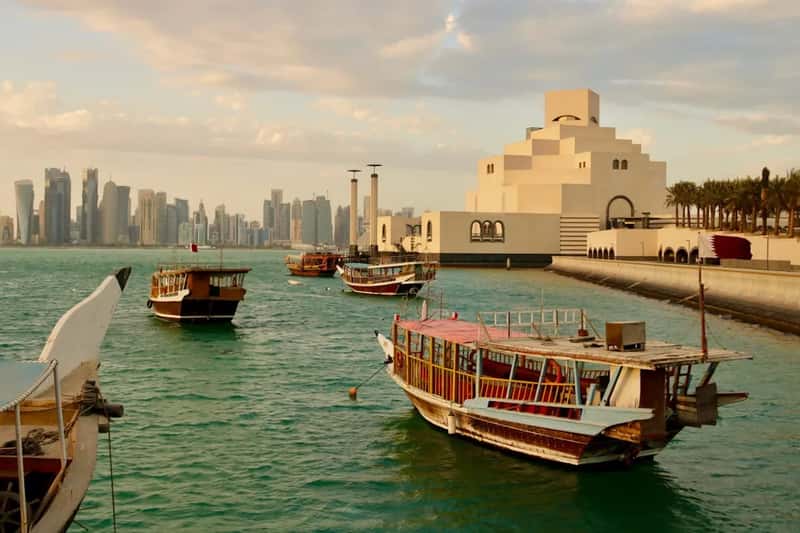
Qatar’s approach to tourism has been quieter than the Gulf’s flashier neighbors, but the numbers suggest it’s working. Qatar’s tourism sector has shown remarkable resilience, with the Gulf nation welcoming 5.1 million international visitors in 2025, an increase of 3.7% from the previous year.[10] That growth showed up in hotel bookings too. Hotel occupancy rose to 71%, with more than 10.8 million room nights booked.[10]
Doha has also gotten creative about who it’s targeting. The government is spearheading the 2026 “Hala Summer” campaign, offering children under twelve free accommodation, meals, and activities when accompanied by a paying adult.[10] It’s a small gesture, but one clearly designed to make families feel wanted rather than tolerated. These strategic incentives are designed to enhance Qatar’s appeal as a family-friendly destination.[10]
Japan
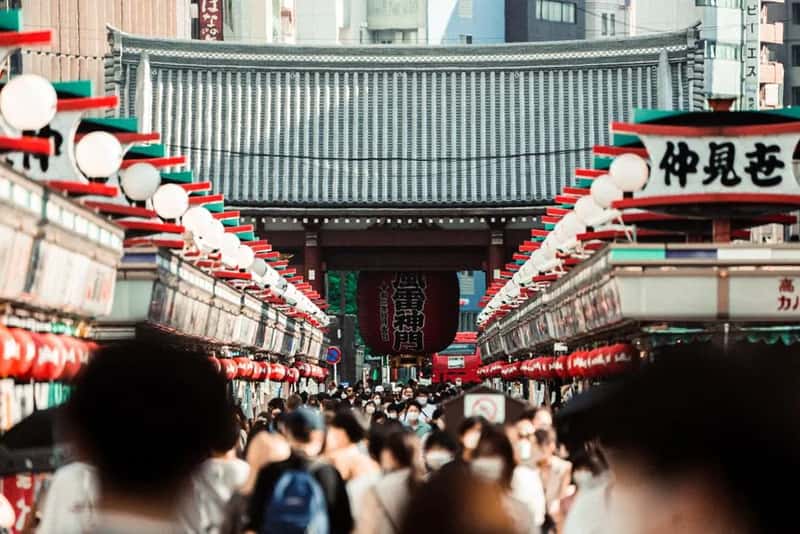
Japan has managed something tricky, staying popular without triggering the kind of backlash seen in Barcelona or Venice, at least so far at a national level. Japan welcomed 3.69 million visitors in April 2026, nearly matching the previous year’s figure, and recorded 14.38 million arrivals from January to April 2026.[10] The growth is spread across a wide range of source markets rather than concentrated in one or two countries. Strong growth from South Korea, Taiwan, Thailand, Singapore, Malaysia, and India highlights Japan’s appeal across key markets.[10]
Part of the reason Japan handles volume without as much friction comes down to infrastructure investment. Enhanced airport infrastructure, multilingual signage, digital payments, and simplified visa processes contribute to a smooth tourist experience.[10] The country has also positioned itself well for corporate and incentive travel, not just leisure trips. Japan continues to gain momentum as a premier incentive destination, with Tokyo delivering a fast-paced urban atmosphere supported by world-class dining and entertainment.[11]
The United Arab Emirates
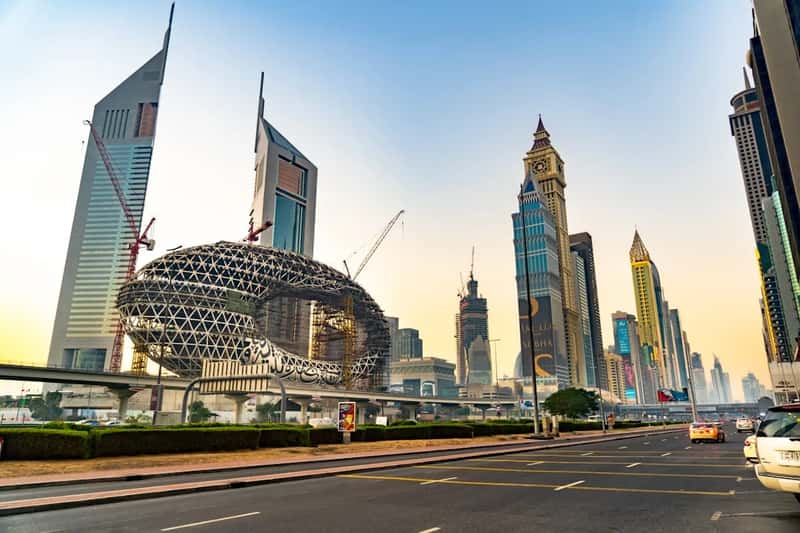
Dubai in particular has turned tourism into a numbers game it keeps winning. The UAE has become one of the world’s fastest-growing travel destinations, with Dubai recording 19.59 million international visitors in 2025, setting a tourism record for the third time.[12] The government hasn’t just watched this happen, it’s actively engineered it. To support this rising demand, the UAE government has introduced longer visit visas, launched new visa categories, and is allowing travel on a single visa to visit all six GCC countries.[12]
The pricing on that regional access is deliberately modest. Through a single digital application, visitors would be able to travel to all six GCC countries, the UAE, Saudi Arabia, Qatar, Bahrain, Kuwait, and Oman, with an expected fee of around 100 to 150 US dollars for the entire regional visa.[12] That’s a strikingly different philosophy from Venice charging ten euros just to walk through the historic center for a day.
Cambodia

Cambodia’s strategy leans heavily on one specific market, and it’s paying off quickly. Visas will be waived for Chinese nationals from June 15 to October 15, 2026, under the new “Visit Cambodia in the Green Season” campaign.[13] The target is modest compared to giants like France or Spain, but meaningful for a country of Cambodia’s size. Cambodia’s visa exemption for Chinese tourists aims to draw 500,000 visitors in 2026, boosting tourism and hospitality growth.[13]
The government is framing this as more than a short-term bump. Cambodia is leveraging visa liberalization to stimulate the broader tourism economy, increase hospitality sector performance, and position itself as a safe, accessible, and high-value destination.[13] Whether that translates into the kind of long-term, diversified tourism economy that Vietnam or Thailand have built is still an open question, but the early bet is clear: fewer barriers, more visitors, more revenue flowing into hotels and restaurants that need it.
The contrast between these two lists says less about tourists themselves and more about capacity and dependency. Barcelona, Mallorca, the Canary Islands, and Venice are all dealing with housing markets and infrastructure that simply weren’t built for the volume for they’re absorbing now, and residents are the ones footing the bill in rent and daily friction. Vietnam, Qatar, Japan, the UAE, and Cambodia, by contrast, are either still building out their tourism capacity or leaning on it as a core pillar of national income, which makes an extra planeload of visitors look like an opportunity rather than a burden.
None of this is fixed in stone. A destination that welcomes tourists with open arms today can hit its own breaking point in a few years if growth outpaces housing and infrastructure, just as Barcelona once did before the water guns came out. For travelers, the practical takeaway is simple: read the room, follow local guidance on peak season etiquette, and expect the ground rules in popular destinations to keep shifting as governments and residents work out where the balance actually sits.