America’s food scene is famous for burgers, barbecue, and deep-dish pizza, the kind of dishes that travel well and rarely scare anyone. Yet beneath that familiar surface sits a whole other menu, one built from frontier necessity, hard winters, and the old habit of wasting nothing on the farm. These regional specialties rarely make it onto the postcards, and when European visitors do stumble across them at a county fair or a diner counter, the reaction is often a polite step backward. Here are four dishes that keep tripping up even the most adventurous travelers from across the Atlantic.
1. Rocky Mountain Oysters (Colorado and the Mountain West)
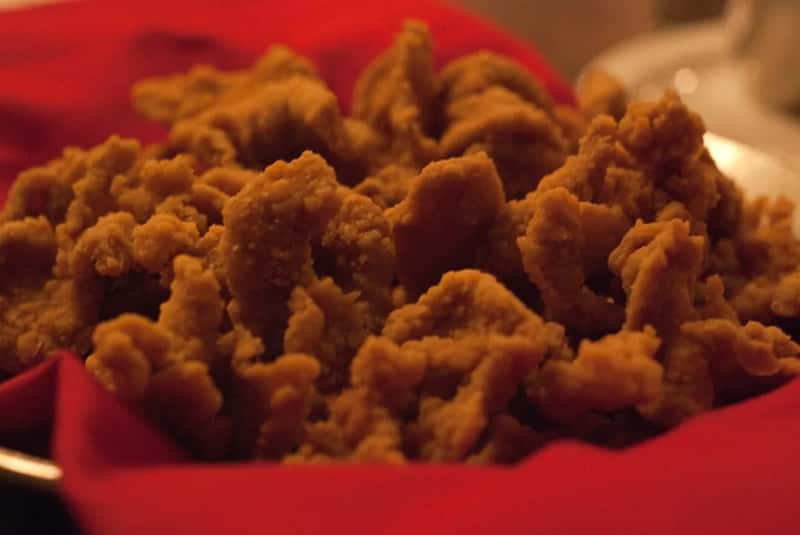
Despite the name, there is nothing aquatic about this Western classic. Rocky Mountain oysters, also known as mountain oysters or prairie balls, are a dish made of bull testicles.[1] The organs are often deep-fried after being skinned, coated in flour, pepper and salt, and sometimes pounded flat.[1] The dish traces back to ranching life on the frontier, where their popularity was born of necessity back when the West was a harsh frontier, and ranchers and farmers had to make do with what they had, waste not, want not.[2]
For a European visitor scanning a Colorado menu, the confusion is often the first hurdle. As one local food writer put it, newcomers might wonder aloud whether Colorado has “specialty seafood dishes here in Colorado”[3] before realizing the truth. Those who push past the shock generally describe the texture as similar to fried seafood, since served fried, Rocky Mountain oysters have a texture a bit like calamari, but of course, they taste like chicken with a slight gamey undertone.[2] The dish still shows up at dedicated festivals, including the Rocky Mountain Oyster Fry in Virginia City, Nevada, the Rocky Mountain Oyster Feed in Eagle, Colorado, and the Denver Rocky Mountain Oyster Fest in Thornton, Colorado.[2]
2. Scrapple (Pennsylvania Dutch Country)
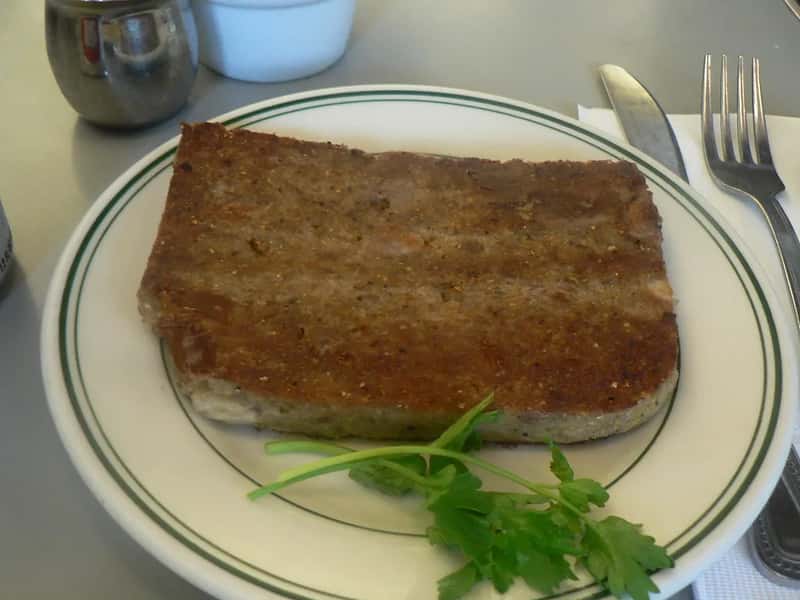
Along the Mid-Atlantic breakfast table, scrapple holds a beloved but polarizing spot. At its core, scrapple is a savory loaf made from pork scraps, cornmeal, wheat flour, and buckwheat flour, often seasoned with spices.[4] The dish descends directly from German settlers, since scrapple is a traditional Pennsylvania Dutch sausage loaf made from pork, cornmeal, and spices[5] with roots tracing back to German panhas. It is typically pan fried into crisp slices and served alongside eggs, and one modern brand’s ingredient list gives a sense of just how thoroughly the pig is used, listing pork stock, pork, pork skins, corn meal, wheat flour, pork hearts, pork livers, pork tongue, salt, and spices.[5]
For visitors unfamiliar with organ meat loaves, the texture and appearance can be off-putting well before the first bite, since one description frames it plainly as one of the kings of offal[6] in American cooking. Yet its regional loyalty runs deep. A longtime observer once wrote that Scrapple is to Philadelphia as the peanut is to Plains, Georgia, except that the love of Scrapple doesn’t go far beyond the stomachs of southeastern Pennsylvanians[7], which explains why so few tourists have ever heard of it before their first encounter with a diner menu near Philadelphia or Baltimore.
3. Chitlins (The American South)
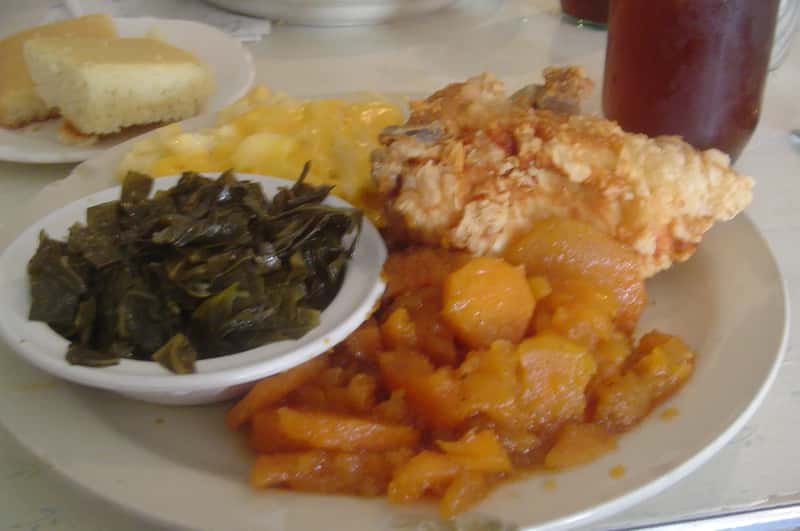
Chitlins, more formally chitterlings, present a challenge that starts with the ingredient itself. The dish is straightforward in description: chitlins are boiled or fried pig intestines cooked with onions and seasonings, and served with hot sauce and apple cider vinegar.[8] Their place in Southern cooking is tied to a difficult history, since the place of chitlins in Southern soul food likely began in the pre-Civil War era, when slave owners would have first pick of the better cuts of the pig, before the scraps, including the pig feet and intestines, were given to enslaved people to cook and eat for themselves.[8] Over time the dish became a proud cultural touchstone rather than a mark of hardship alone.
What scares off most first timers, European or otherwise, is less the flavor and more the preparation and smell. As one culinary history notes, chitlins are not for the faint of palate or smell, which is why traditionally they were cooked outdoors at backyard hog killings in winter, and they take a lot of time and effort to clean.[9] Despite the intimidation factor, chitlins have never been an exclusively American oddity, since versions of intestine cookery appear across the globe, including in France where andouillette was treated as a delicacy[8] in its own right. Today the dish is mostly reserved for special occasions, appearing on holidays and other large family gatherings as a special treat[8] rather than everyday fare, which makes it even less likely a visiting tourist will stumble across it outside the South’s soul food restaurants.
4. Fried Rattlesnake (Texas and the Southwest)
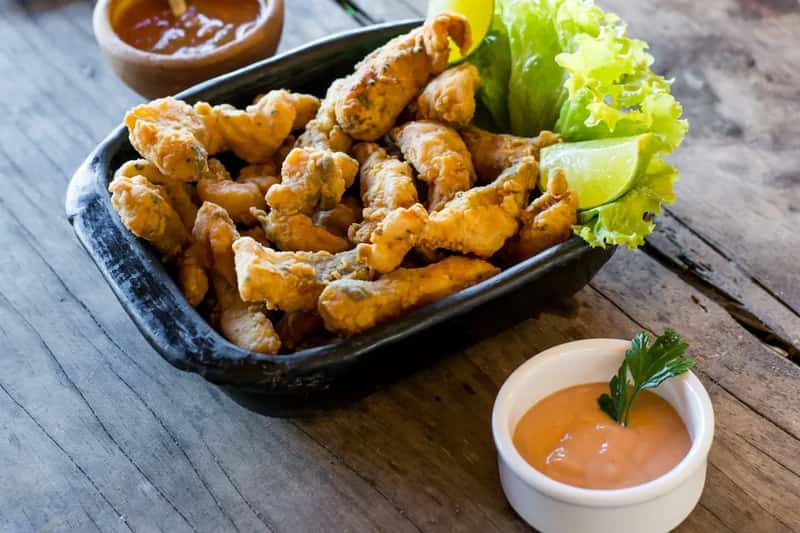
Few regional foods come with a built in horror movie soundtrack quite like fried rattlesnake, best known through West Texas’s rattlesnake roundups. The largest of these gatherings, in Sweetwater, has been running for decades since the event began in 1958 when area farmers and ranchers organized an effort to reduce rattlesnake populations affecting livestock and has since grown into a major local festival.[10] Modern editions draw serious crowds, with organizers noting the event draws over 25,000 visitors and generates approximately 8.3 million dollars for local businesses, hotels, and vendors.[11] Alongside the snake handling shows and venom milking demonstrations, food vendors serve fried rattlesnake meat[10] to anyone brave enough to try it.
European visitors are not immune to the spectacle’s intensity, and a recent photograph from a Texas Capitol promotional event captured the mood well, showing a young visitor from Ecuador reacting to a live rattlesnake by burying her face in the arm of her mother[10] rather than getting anywhere near the snake pit. Those who do sample the fried version are usually pleasantly surprised, since the flavor is often described as crunchy, surprisingly mild, and something between frog legs and chicken with an earthy twist.[12] Even so, the idea of eating a venomous reptile fresh from a live wrangling pit tends to keep most first time European tourists firmly on the sidelines, cameras out, forks put away.
None of these four dishes were built to impress outsiders. They were built to survive winters, stretch a butchered hog, or make use of an animal that ranchers had no intention of wasting. That history is exactly what makes them worth trying, even for a nervous first timer. A bite of scrapple in a Pennsylvania diner or a plate of fried rattlesnake at a West Texas fairground offers something a chain restaurant never can, a genuine taste of the regional story behind it. The fear is real, but so is the reward for those willing to push past it.