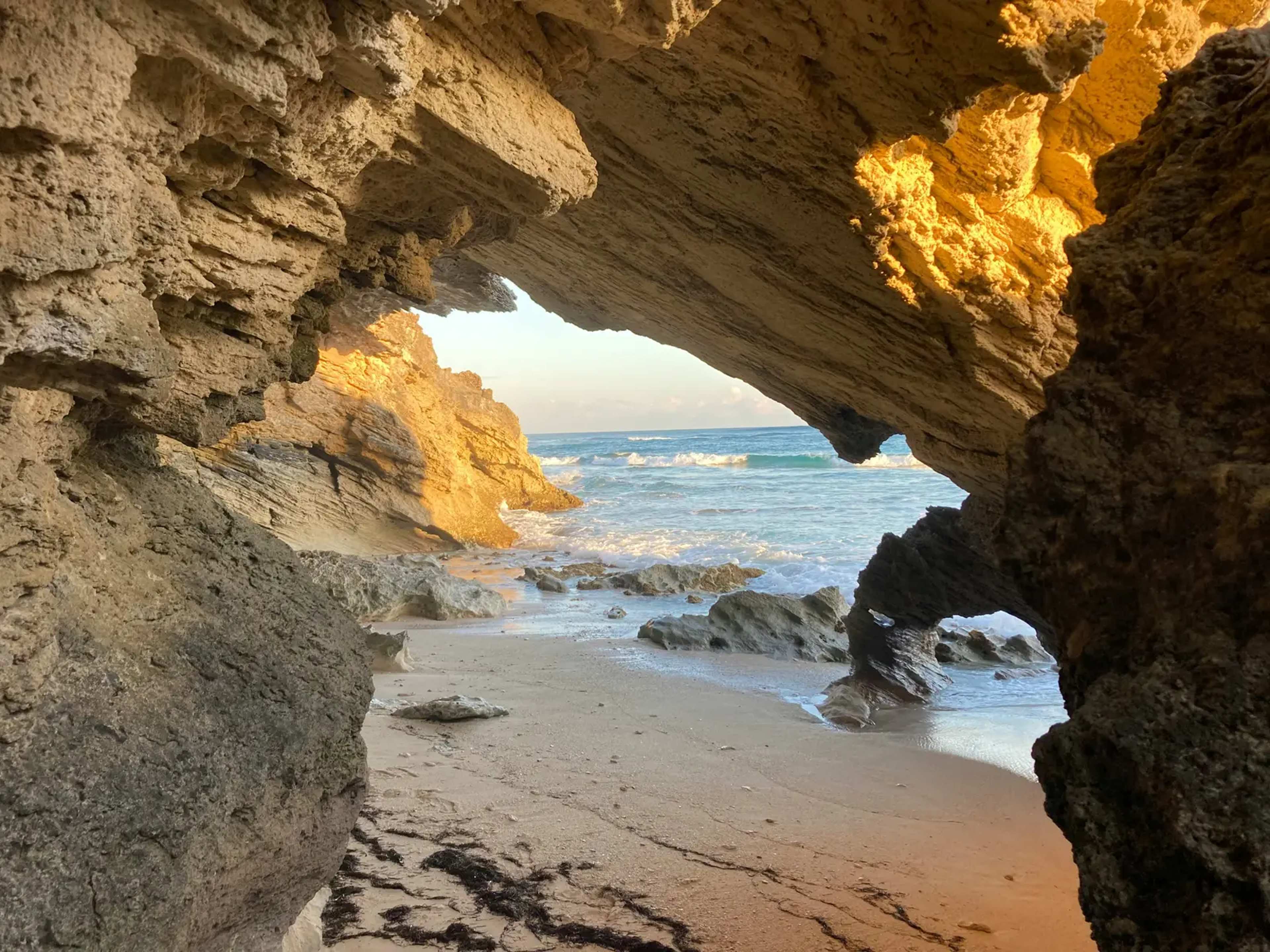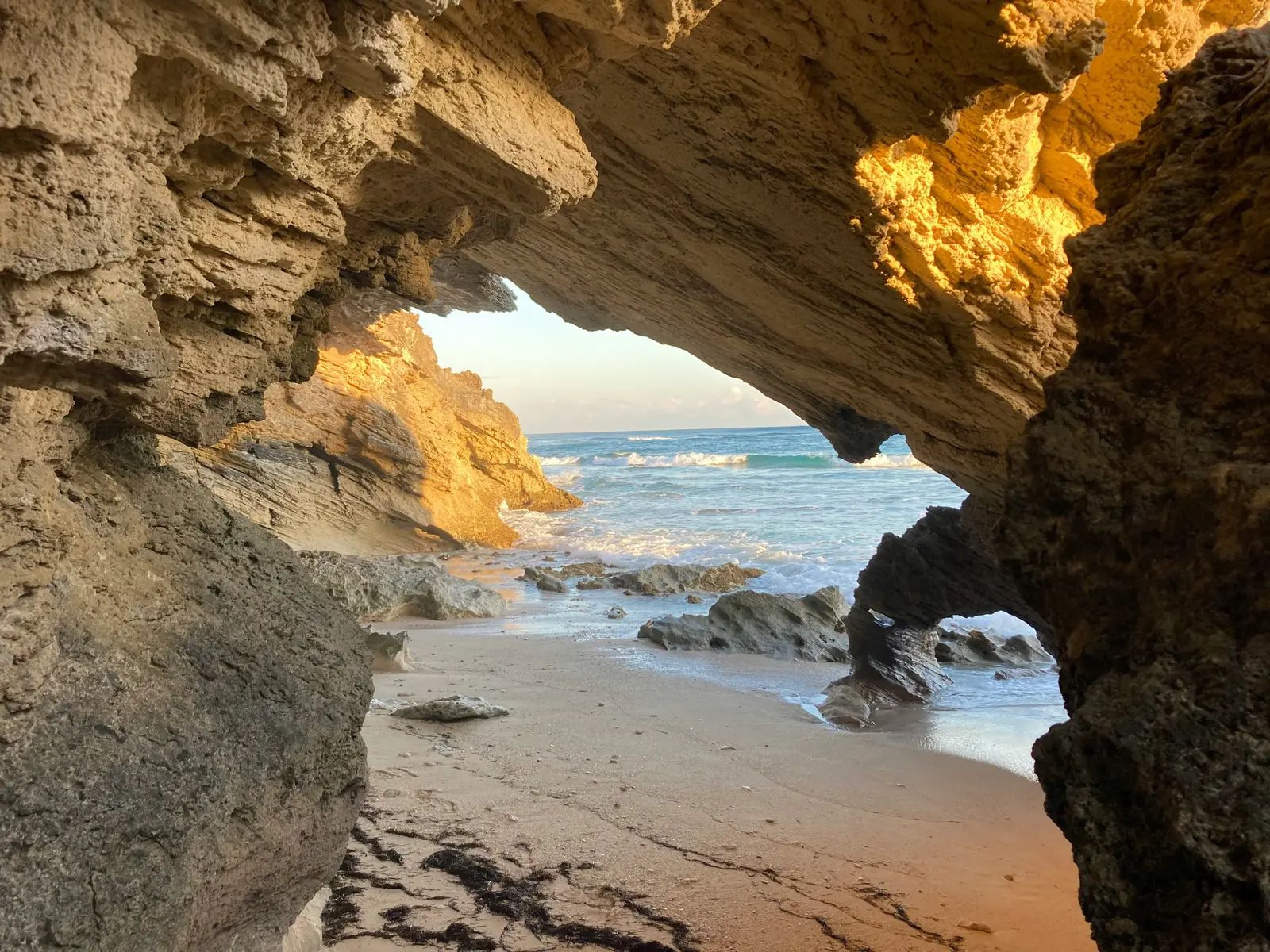
Elbow Cay sits among the Abaco Islands in the northern Bahamas, offering visitors a compact slice of Caribbean life centered on a historic harbor settlement and surrounding waters. The island draws travelers seeking a quieter alternative to busier Bahamian spots, with its narrow streets, protected cays, and easy boat access from the main island of Great Abaco. Planning a visit involves straightforward ferry connections and a focus on slow-paced exploration rather than packed itineraries. ([1])
The Draw of Limited Traffic and Island Pace
Elbow Cay maintains a deliberately low-key character that sets it apart from more developed Caribbean destinations. Golf carts serve as the primary transport, keeping speeds low and noise minimal across the small landmass. This setup encourages visitors to linger at viewpoints or beaches without the pressure of constant movement. The result is an environment where daily rhythms follow local customs rather than rigid schedules. Residents and guests alike move at a measured tempo that highlights the surrounding turquoise waters and colorful architecture. Such conditions appeal especially to those who value observation over checklists during their time away.
Practical Steps for Arrival and Movement
Most travelers reach Elbow Cay by first flying into Leonard M. Thompson International Airport in Marsh Harbour. From there, a short taxi ride leads to the ferry dock for the crossing over the Sea of Abaco. Scheduled passenger ferries operate multiple times daily without advance reservations in most cases, though checking current timetables remains advisable. Once on the island, golf cart rentals provide the main means of getting around outside the historic core of Hope Town. Walking works well within the settlement itself, where narrow lanes limit larger vehicles. Visitors should note that driving occurs on the left side of the road, consistent with Bahamian practice, and that weather can influence ferry reliability on any given day.
Key Sites and Daily Activities
The red-and-white striped Elbow Reef Lighthouse stands as the island’s most recognizable landmark and a focal point for many arrivals. Reaching its observation deck requires a short boat hop across the harbor followed by a climb of 101 steps. Panoramic views of the harbor and neighboring cays reward the effort. Beyond the lighthouse, the settlement of Hope Town features colonial-style cottages and waterfront spots suited to unhurried strolls. Beaches along both the Atlantic and Sea of Abaco sides offer contrasting conditions for relaxation or swimming. Nearby excursions by boat can include reef snorkeling or visits to adjacent cays when conditions allow. – Plan lighthouse visits with time for a harbor crossing and return.
– Reserve golf carts in advance during busier periods.
– Carry cash for smaller vendors and ferry-related fees.
– Pack reef-safe sunscreen and a dry bag for water outings.
– Allow flexibility for weather-related changes to boat plans.
Places to Stay and Dine
Accommodations range from properties inside Hope Town to quieter beachfront options a short cart ride away. Many feature ocean or harbor views and simple, comfortable rooms or cottages that align with the island’s scale. Choosing a base near White Sound can provide easy access to both sides of the cay for varied coastal experiences. Dining centers on fresh seafood and casual waterfront settings. Several establishments serve local catches alongside standard island fare, often with views that extend the meal itself. Establishments may adjust hours seasonally, so confirming details upon arrival helps avoid surprises.
Timing and Preparation Notes
November through April generally brings drier conditions favorable for outdoor plans, though occasional fronts can affect water activities. Shoulder months like May offer warmer seas with potentially fewer visitors. Hurricane season spans June into November, when flexibility in scheduling becomes especially useful. A valid passport is required for U.S. citizens, and U.S. dollars circulate alongside the local currency. Reef-safe products and basic supplies for sun and water exposure support both comfort and environmental care during a stay. These elements combine to support a measured visit focused on the island’s natural and historic features.