Walk through any international arrivals hall and you will notice the rhythm of it. Bags roll past on carousels, officers glance at declaration forms, and every so often someone gets pulled aside for a closer look. Most travelers assume customs officers are hunting for drugs or weapons, and sometimes they are, but the truth is far less dramatic and far more routine.
The vast majority of what gets flagged at ports of entry falls into a handful of predictable categories. These are not exotic contraband items smuggled by criminals. They are everyday things that ordinary travelers pack without thinking twice, and officers see them so often that spotting them has become second nature.
1. Fresh food, meat, and plant material tucked into carry-ons

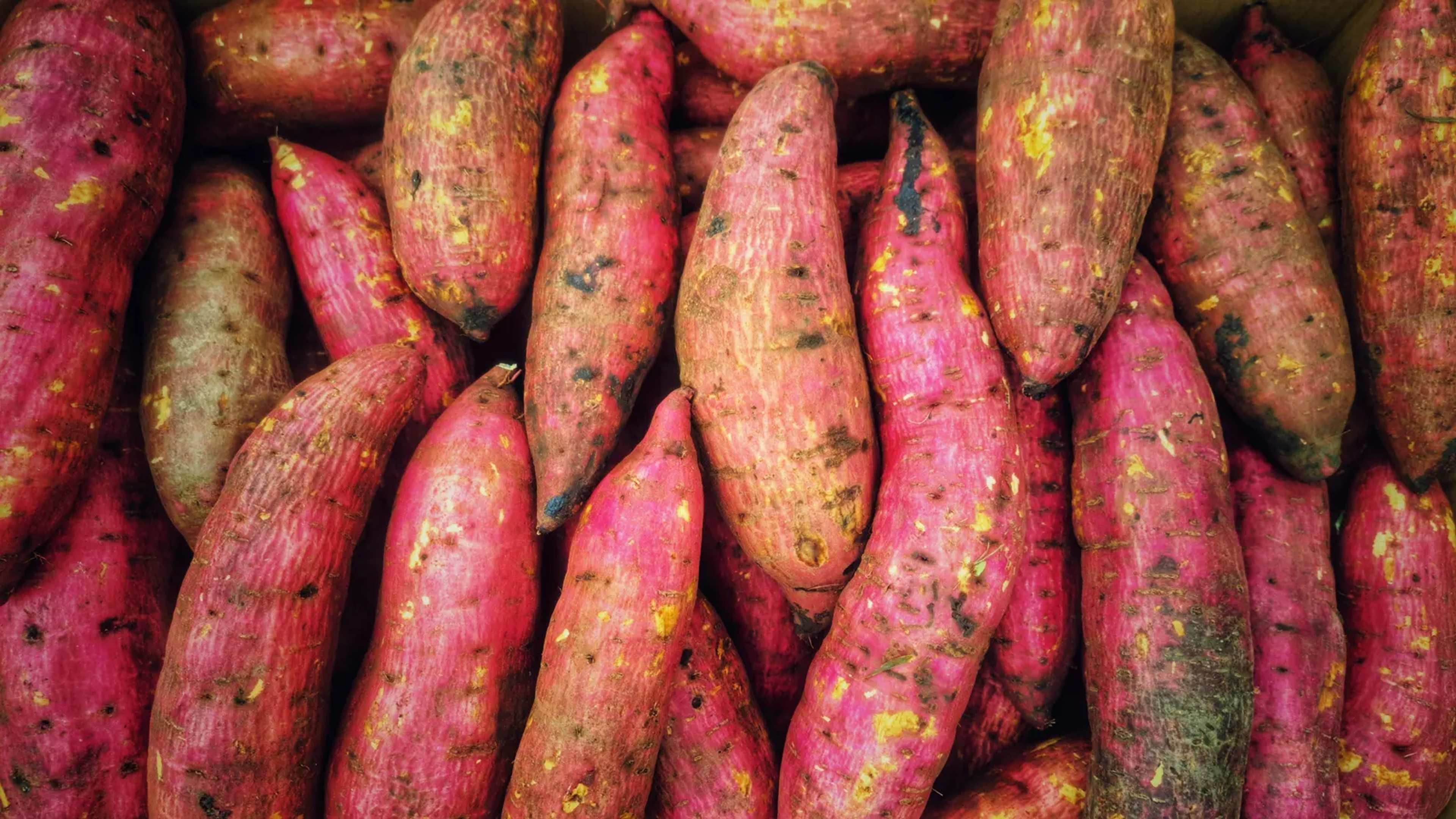
Agriculture is one of the quiet giants of customs enforcement, and it shows up in almost every bag that gets a second look. CBP agriculture specialists encounter more than 3,200 items every day that are subject to agriculture quarantine, which gives a sense of just how common this category is. Fruits, cured meats, cheeses, seeds, and even soil clinging to a pair of hiking boots all fall under rules that most travelers never bother to read.
The reasoning behind this scrutiny is not about taste or customs, it is about biology. As CBP explains, millions of pounds of fresh fruits, vegetables, animal products, and other items enter the United States from other countries every year, and although these items appear to be harmless, there could be hidden threats in that baggage capable of harming domestic agriculture. Officers are trained to notice the shape of a mango on an X-ray screen or the smell of dried sausage the moment a bag is opened, and undeclared items in this category get confiscated far more often than travelers expect.
2. Alcohol and tobacco that exceed the duty-free limit
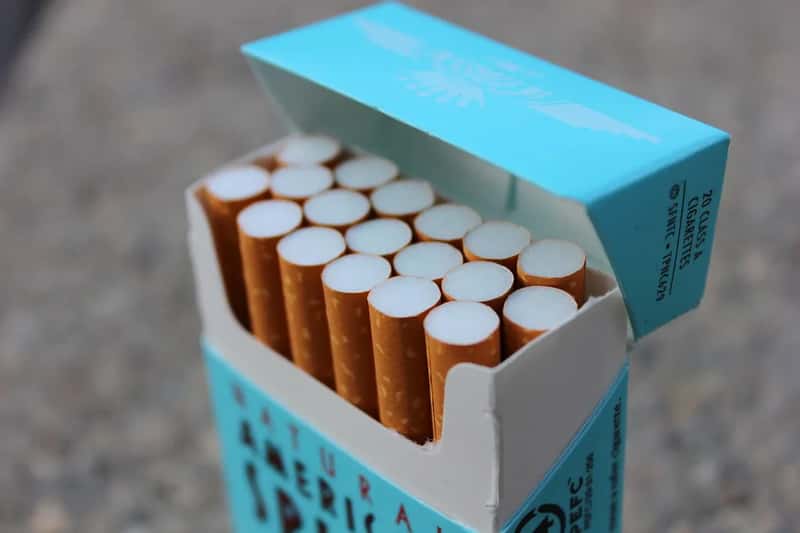
Nearly every traveler comes home with a bottle of something, whether it is wine from a vineyard tour or a box of cigars picked up on a whim. The trouble is that most people have no idea how small the duty-free allowance actually is. Under federal regulation, travelers are permitted not exceeding 1 liter of alcoholic beverages along with a modest tobacco allowance before duties start applying, and 200 cigarettes and 100 cigars mark the outer edge of what passes duty free.
Officers spot this constantly because the math rarely works in the traveler’s favor. Someone returning with two bottles of duty-free liquor from the airport shop plus a few more purchased at their destination has already gone over the limit without realizing it. It is rarely treated as smuggling. It just means paying a small duty on the overage, but agents catch it in nearly every bag that contains alcohol or tobacco because the limits are so easy to miss.
3. Cash that was never mentioned on the declaration form

Money hidden in socks or tucked into a jacket lining sounds like something out of a movie, yet unreported currency is one of the most consistently discovered items at ports of entry. There is no limit on how much cash a person can carry into or out of the United States, but any amount over ten thousand dollars must be declared, and officers ask about it almost every time a bag or wallet looks unusually full. The scale of this enforcement is significant. CBP officers and agents seized an average of $152,418 in unreported or illicit currency every day along our nation’s borders during fiscal year 2024.
What makes this category so common is not criminal intent, it is simple oversight or misplaced caution. A recent case at Dulles International Airport showed this pattern clearly, where CBP officers seized $20,800 from an Uzbekistan national traveling to Turkey, $17,655 from a Chinese national who arrived from Sweden, $18,700 from a Bangladesh national who arrived from Bangladesh, and $62,023 from a naturalized U.S. citizen traveling to Ghana, all within the same two week window. In several of those cases the travelers had verbally reported far less than what was actually found once officers looked closer.
4. Counterfeit goods and knockoff souvenirs

The fourth item on this list is easy to overlook because it often looks completely innocent. A fake designer handbag from a street market, a pair of knockoff sneakers, or a watch that looks suspiciously like a luxury brand for a fraction of the price are all things officers are trained to catch. According to CBP, counterfeit or trademark infringed items are some of the most popular banned items it confiscates, and the scale of this enforcement has only grown. In a single month in early 2026, CBP seized 2,190 shipments containing counterfeit goods valued at over $355.7 million.
Travelers are sometimes surprised to learn there is a narrow exception here. CBP policy allows an arriving passenger to keep one personal item bearing a counterfeit or restricted trademark, but the rule is strict about quantity. As the agency notes, an arriving person who has three purses, whether each bears a different infringing trademark, or whether all three bear the same infringing trademark, is permitted only one purse. Anything beyond that single item is subject to seizure, which is why agents flag counterfeit goods in bags almost as routinely as they flag fruit or cheese.
None of these four categories involve anything sinister. They involve ordinary habits, a piece of fruit saved for the flight, a duty-free bottle bought as a gift, cash carried out of caution rather than convenience, or a souvenir that turned out to be a little too convincing a copy. Knowing where the lines actually sit makes the walk through customs considerably less stressful, and it is often the simplest declarations that save travelers the most trouble.