A hotel room gets made up in roughly twenty minutes, sometimes less, and in that narrow window a housekeeper is expected to strip beds, scrub a bathroom, restock supplies, and somehow also read the mind of whoever is staying there. Most guests never think about what happens on the other side of that door once they leave for breakfast. Yet the small choices travelers make, a sign left on a handle, a note scrawled for extra pillows, a room littered with clothes, shape how smoothly a request actually gets fulfilled.
Housekeeping staff rarely get the chance to explain their side of things directly to guests. What follows are five patterns that come up again and again when people who clean hotel rooms for a living talk about what they wish travelers understood.
1. A “Do Not Disturb” sign left up all day creates more work, not less
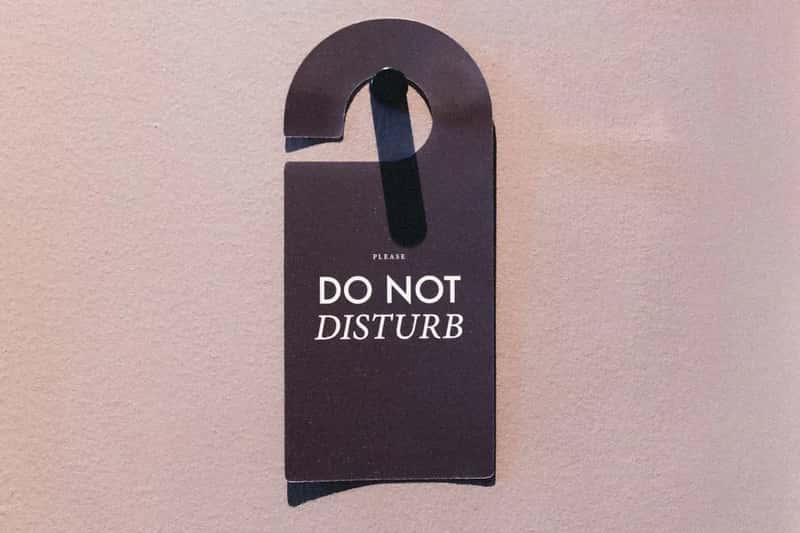
Many travelers assume that hanging the sign for an entire stay is a courtesy to the cleaning staff, a way of saying “skip us, we’re fine.” In reality, the opposite is often true. One housekeeper from a W Hotel told HuffPost she would never leave the sign up for a whole stay, noting that guests might think it makes the job easier, but a room left uncleaned for two or three days becomes very dirty.[1]
That buildup forces a rushed, harder clean later, and it can even affect how much work is available for staff, since the backlog increases injury risk during the eventual cleaning and a lack of demand for housekeeping services can put staff out of work entirely.[1] Hotels generally do still respect the sign though there are limits. Do-Not-Disturb signs should be honored to the extent feasible, but once checkout time passes on the departure date, the guest’s right of privacy ceases and hotel personnel may enter the room.[2] A better approach is flipping the sign off for at least a short window each day, even just long enough for a quick tidy.
2. Tipping shapes service more than most guests realize
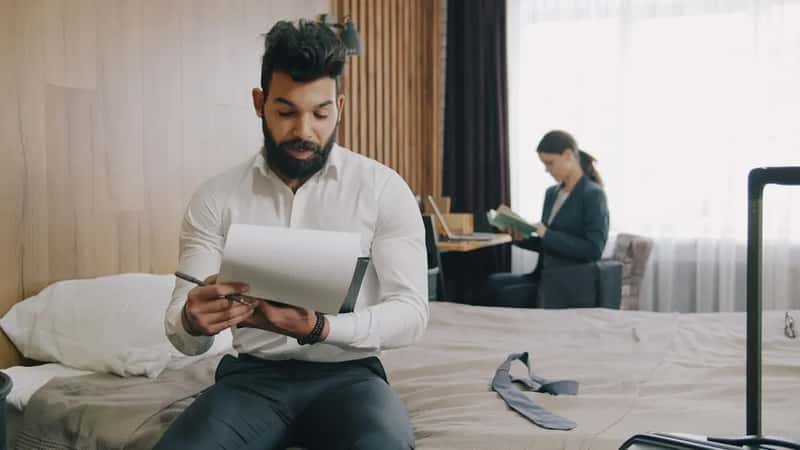
Housekeeping tipping has never been as automatic as tipping a server or a bellhop, largely because the interaction is invisible. Unlike a restaurant server or valet, hotel housekeepers usually work sight unseen, which may be why a Cornell University study found respondents don’t feel obligated to tip them compared to bartenders or hotel bell staff.[4] That disconnect has real consequences for staff income and, indirectly, for how requests get prioritized when a room is already on a housekeeper’s radar as a generous tipper.
The numbers back up how inconsistent this has become. Roughly a quarter of Americans say they always tip housekeeping according to Bankrate’s 2025 survey, up slightly from the year before but still well below pre-pandemic norms.[5] Age plays a noticeable role too, since roughly twenty six percent of guests aged eighteen to twenty nine tip housekeeping, compared with more than half of guests over sixty.[5] For guests who do want to reward good service, the American Hotel and Lodging Association recommends one to five dollars per night, with two to five dollars at upscale properties.[5]
3. Special requests during “Do Not Disturb” hours still need to go through the front desk
Guests sometimes assume that because they don’t want their room entered, any request they make will simply be handled discreetly and automatically. Hotels do try to accommodate this, but it requires a specific kind of coordination that starts at the front desk rather than with housekeeping directly. If a guest requests services during a DND period, staff are expected to handle it discreetly without disturbing the guest unnecessarily, often by offering alternatives like leaving fresh linens outside the door rather than entering the room.[6]
This kind of “service at the door” option only works smoothly when a guest actually calls down and asks for it, rather than expecting housekeeping to somehow intuit the need through a closed door. It also depends on accurate records. Hotel staff are trained to note a guest’s preferences clearly in the guest profile or reservation system so that requests during quiet periods get routed correctly.[6] Skipping that step, and just hoping a sign communicates everything, tends to lead to missed or delayed requests.
5. A cluttered room makes it nearly impossible to fulfill any request properly
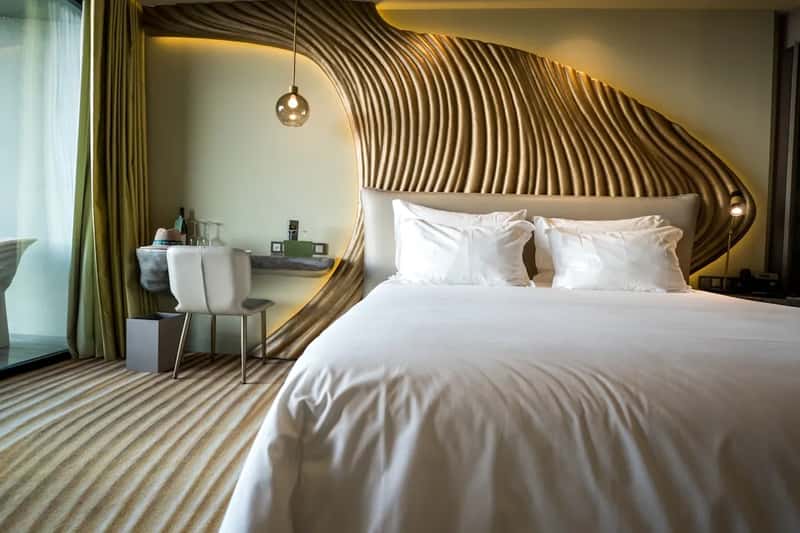
It’s a small detail that changes everything about how a room request gets executed. If clothes, papers, chargers, and luggage cover every surface, a housekeeper physically cannot deliver fresh towels, swap linens, or restock the minibar without disturbing a guest’s belongings, something most staff are trained to avoid doing. This sometimes backfires in unexpected ways too. In one documented case, a guest left a Do Not Disturb sign up along with clear instructions not to move a spread of paperwork, only to return and find the room hadn’t been cleaned at all because of the clutter.[7]
Clearing even a small patch of counter space or tucking loose items into a drawer before heading out gives housekeeping room to work and makes fulfilling any specific request, extra hangers, a different comforter, replacement toiletries, dramatically easier. It sounds minor, but staff consistently point to it as one of the simplest ways guests can help their own requests get met faster and more thoroughly.
Room requests in a hotel are never just a transaction between a guest and an anonymous staff member behind a cart. They depend on timing, clarity, and a bit of basic coordination that most travelers never think to consider. Understanding how housekeeping actually operates, what a sign really communicates, how tipping factors into service, and why a tidy surface matters more than it seems, tends to make requests land the way guests actually intended them to.