
Every major American city experiences growth and change, but some transformations run so deep they leave longtime residents feeling like strangers in their own neighborhoods. Over the past few years, certain cities have undergone such dramatic shifts that locals barely recognize the places they once called home. These changes often bring a complex mix of progress and loss, opportunity and displacement.
From soaring housing costs to completely altered neighborhood dynamics, these urban transformations tell the story of modern America’s growing pains. Let’s explore 4 cities where locals say the changes have been nothing short of extraordinary.
Austin, Texas: The Tech Boom’s Double-Edged Impact
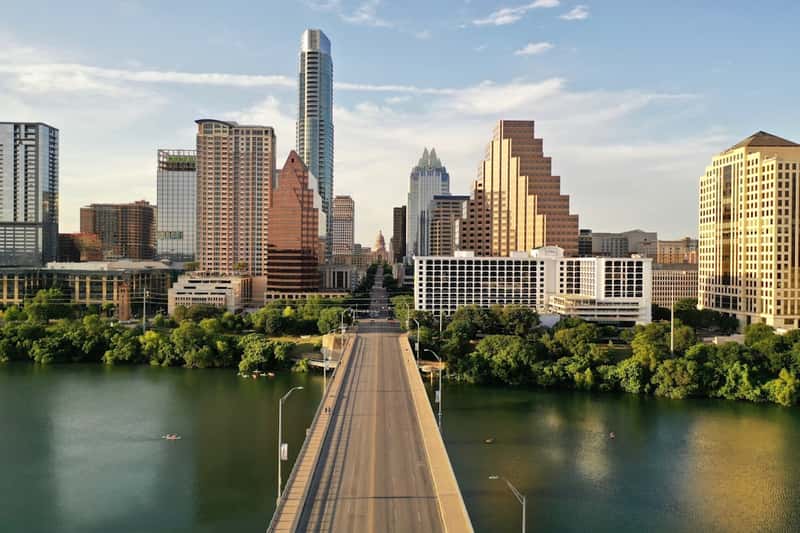
Austin has experienced one of the most dramatic transformations in recent American history. Recent reports suggest the median home sale price in the city reached approximately $536,000, a substantial increase from previous years. The city’s explosive growth has fundamentally altered entire neighborhoods, with East Austin bearing the brunt of these changes.
The city government has attempted to address the crisis through sweeping housing reforms. The Austin City Council voted Friday to dramatically reduce the amount of land the city requires single-family homes to sit on. The vote came after a two-day hearing that included passionate and often rowdy testimony from advocates pushing for greater housing density and opponents who believe the policy will accelerate gentrification and displacement. These changes represent some of the most significant housing policy shifts in decades.
Community organizers remain deeply concerned about the future. The group’s leaders worry that the ability to build three homes on lots that previously held one home will attract developers and speculators looking to capitalize on the popularity of the Austin housing market. Whether the new housing is used for permanent homes for new residents or as short-term rental units, the group said existing affordable housing is at risk, along with large swaths of East Austin.
Miami, Florida: Climate Gentrification Creates New Pressures

Miami faces a unique form of transformation driven by what researchers call “climate gentrification.” More than half of the 2.6 million residents in the Miami area will experience “climate gentrification” and pressure to relocate if sea levels rise by 40 inches, according to a study published Monday. Rising oceans will push many coastal residents inland, where they will force an increase in housing costs that could displace as many as 56 percent of households in Miami-Dade County, according to the study published in the journal Environmental Research Letters.
The effects are already visible in neighborhoods like Little Haiti. Surrounded by gentrifying neighborhoods like Wynwood, the Design District, and the upscale Upper East Side, the centrally located Little Haiti has become a magnet for real estate investors, business owners, and speculators looking for opportunities with a low cost of entry and a potentially big upside. Neighborhood leaders say the rising rent and land values in the neighborhood present an existential threat to the neighborhood.
Seattle, Washington: Tech’s Transformative Power
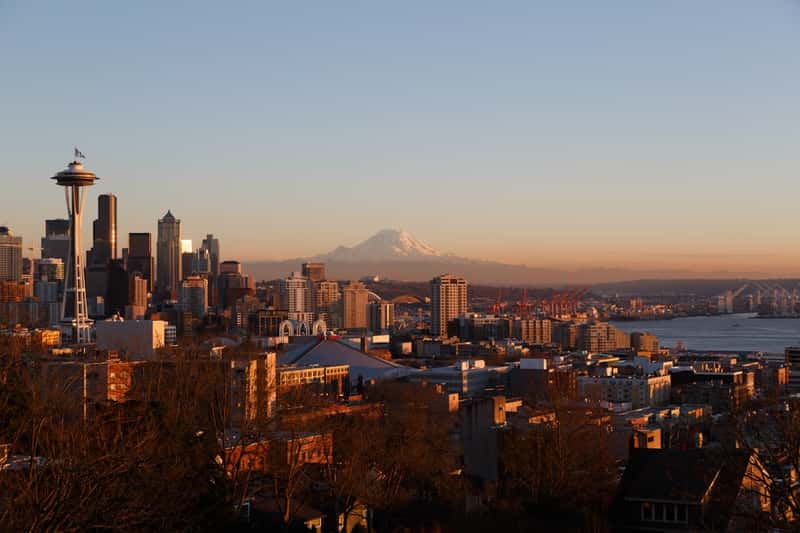
Seattle’s transformation has been largely driven by its booming tech industry, but recent changes have added new complexity to the housing crisis. According to a report by GeekWire, between 2019 and 2024, the Seattle region added 48,300 new tech jobs, driven in part by the success of local megacorporations like Amazon. These highly paid employees could afford to pay a premium in rents, displacing less competitive, working-class tenants.
Dallas-Fort Worth, Texas: Financial Hub Transformation
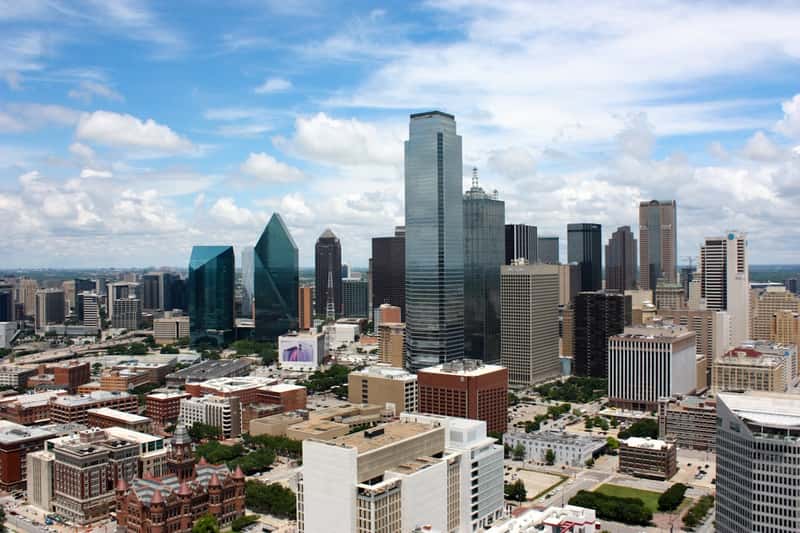
The Dallas-Fort Worth metroplex has emerged as a major financial center, earning the nickname “Y’all Street” among locals. Beyond the glam, investors track fundamentals: Dallas–Fort Worth reportedly added approximately 59,000 jobs since March 2024 – second only to New York – and finance payrolls keep swelling on what locals now call “Y’all Street” (validated by ranking Top 5 in our overall Prosperity index). This rapid economic transformation has reshaped the region’s identity and attracted massive corporate investment.
These 4 cities represent different facets of America’s urban transformation, from climate-driven changes to tech industry impacts to post-pandemic adjustments. Each story reflects broader national trends while highlighting the unique challenges facing different regions. For longtime residents, these changes often feel overwhelming, as familiar neighborhoods become unrecognizable and longtime communities face displacement pressures.
The scale and speed of these transformations suggest that urban change in America has accelerated beyond what many communities can easily absorb. What do you think drives the most significant changes in your own city?