Roughly half of Americans report being concerned about safety, yet that single statistic hides a complex reality. The fear of violence doesn’t spread evenly across the nation. Geography matters more than you might think when it comes to how people perceive their own safety.
Violent crimes and gun violence are among the greatest concerns, with younger adults and women reporting the most concern. Yet the picture changes dramatically depending on where residents actually live. Some states feel secure and calm, while others grapple with persistent anxiety that seeps into daily life.
New Mexico: Where Fear Runs Deepest

New Mexico residents feel the least safe, with only 28% reporting they feel secure in their state. That’s startling when you consider how much lower that number stands compared to the national average. The Land of Enchantment struggles with a reputation that doesn’t match its scenic beauty.
New Mexico has the highest assault offense rate of 1979.7 per 100,000, with high rates extending to homicide at 15 per 100,000 and motor vehicle theft at 569.1 per 100,000. These aren’t just numbers on a spreadsheet. They represent real people experiencing real fear. Property crime, tied with package theft, causes the most concern among residents in some safer states, but in New Mexico, the anxiety goes much deeper into violent crime territory.
The gap between how unsafe New Mexico residents feel versus safer states creates a stark contrast in daily experience.
Oklahoma: Persistent Anxiety in the Heartland
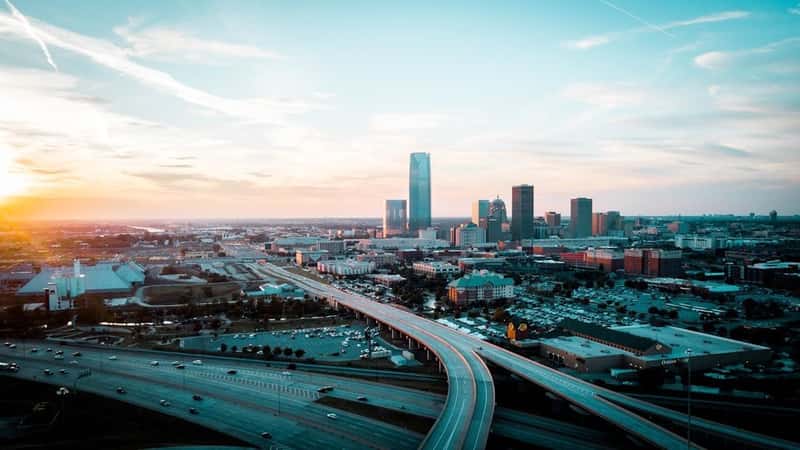
Oklahoma ranks second-lowest in safety perception, with only 29% of residents feeling secure. It’s honestly surprising how low that figure sits for a state that doesn’t always dominate national crime headlines. Yet the people living there tell a different story through their survey responses.
Oklahoma has the third-highest share of uninsured people at 14.3%, and the state’s overall crime rate is 3,277.08 per 100,000 people. When residents lack health insurance and face elevated crime rates simultaneously, the compounding effect creates heightened fear. People aren’t just worried about becoming victims – they’re worried about what happens afterward if they can’t afford medical care.
The intersection of economic vulnerability and crime statistics fuels a cycle of anxiety that shows up clearly in how residents rate their own safety.
Oregon: Unexpected Worry in the Pacific Northwest

Oregon residents rank third-lowest in feeling safe, with only 34% reporting they feel secure in their state. This one catches people off guard. Oregon typically conjures images of forests, coastlines, and progressive cities – not a place where two-thirds of residents feel unsafe.
New Mexico and Alaska recorded the nation’s highest violent crime rates, while states like Maine and New Hampshire had the lowest. Oregon doesn’t top the violent crime charts nationally, yet the disconnect between actual crime rates and perceived safety reveals something important. Perception doesn’t always follow data perfectly.
Maybe it’s the visible homelessness in Portland. Maybe it’s property crime rates that frustrate residents, even when violent crime stays relatively moderate. Whatever the reason, Oregonians express worry levels that rival states with far worse statistical realities.
Missouri: Crime Concentrated, Fear Widespread
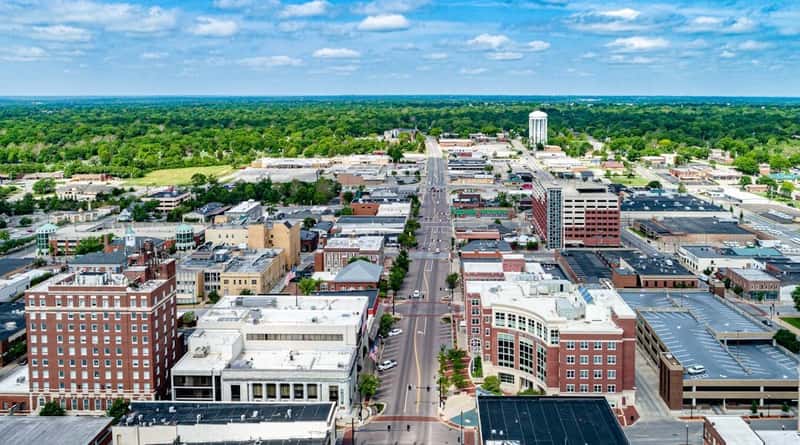
Missouri ranks at the fourth-lowest in safety perception, with 35% of residents feeling secure. The Show Me State has cities that dominate worst-case crime rankings, creating ripple effects across the entire state’s collective anxiety.
St. Louis has been labeled as one of the most violent cities in the US, with one of the highest murder rates per capita. When one or two cities within a state become synonymous with danger, it shapes how everyone in that state thinks about their own safety – even residents living hundreds of miles away in quiet towns.
Crime rates in some states are driven up by high concentrations of violence in specific cities, with metropolitan areas showing violent crime rates far higher than the national average. Missouri exemplifies this pattern perfectly. Still, the fear spreads beyond city limits, affecting how the entire state population evaluates their security.
The Safety Divide
The contrast with states where residents feel safest couldn’t be sharper. Nebraska leads with 71% feeling safe, followed by Idaho at 70%. That’s more than double the safety perception in New Mexico. These aren’t minor differences – they represent fundamentally different lived experiences.
When asked to identify their three most worrying issues, 43% of respondents listed political extremism and polarization, while only about one-quarter ranked crime or gun violence. Interestingly, Americans overall worry more about political division than traditional crime. Yet in these four states, the ground-level fear of violence remains pronounced.