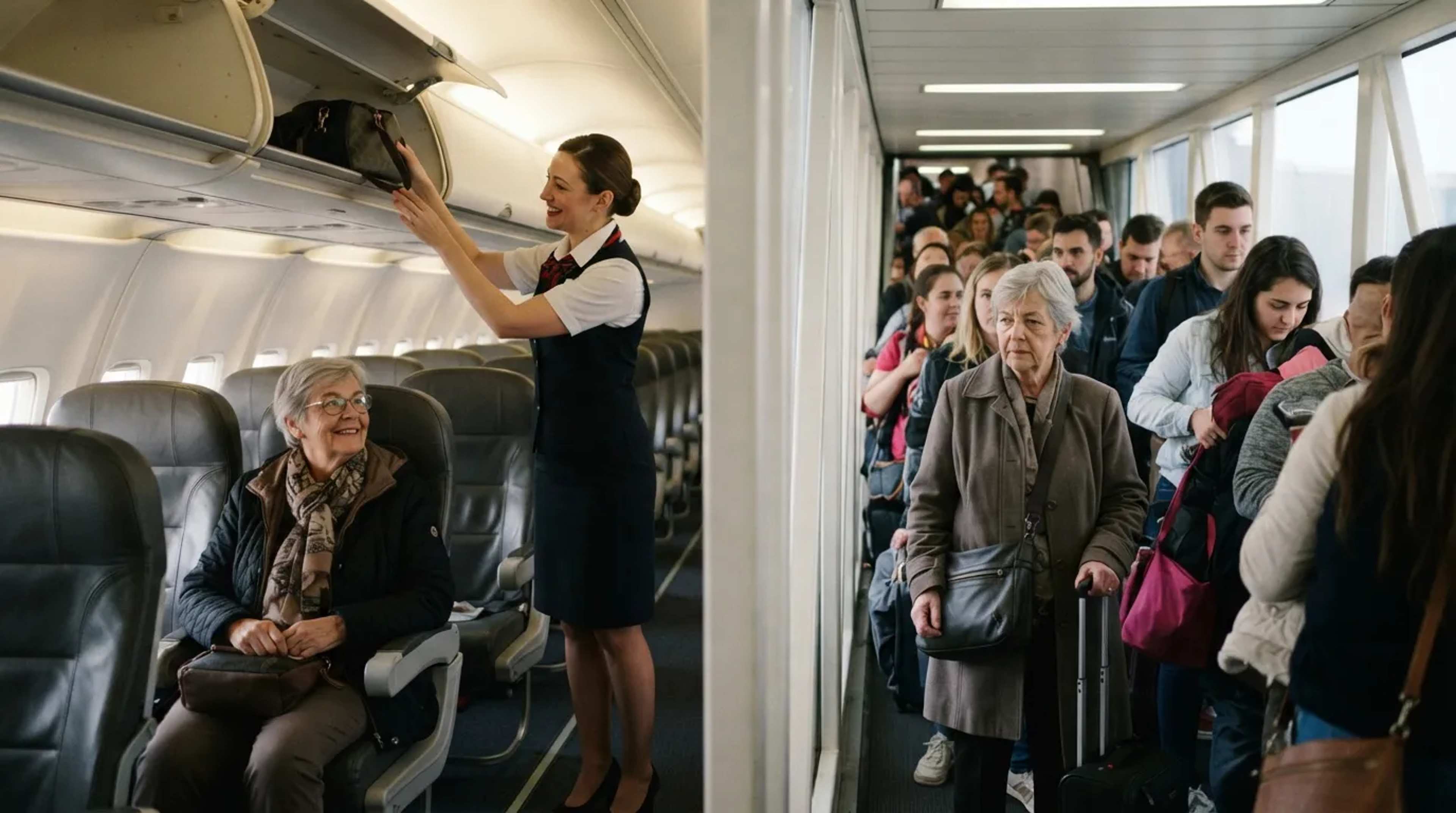
Flying used to come with a handful of small comforts that felt like they were simply part of the deal. A seat you picked in advance, a bag you could carry on without a second thought, a lounge you could duck into with a friend. Those days are quietly fading, and the shift has accelerated noticeably through 2025 and into 2026.
Airlines and the credit card companies tied to their loyalty programs have spent the last year and a half unbundling almost everything that once came free with a ticket or a rewards card. The changes are not always loudly announced, but travelers are feeling them at the gate, at check in, and increasingly at the lounge door.
1. Advance seat selection
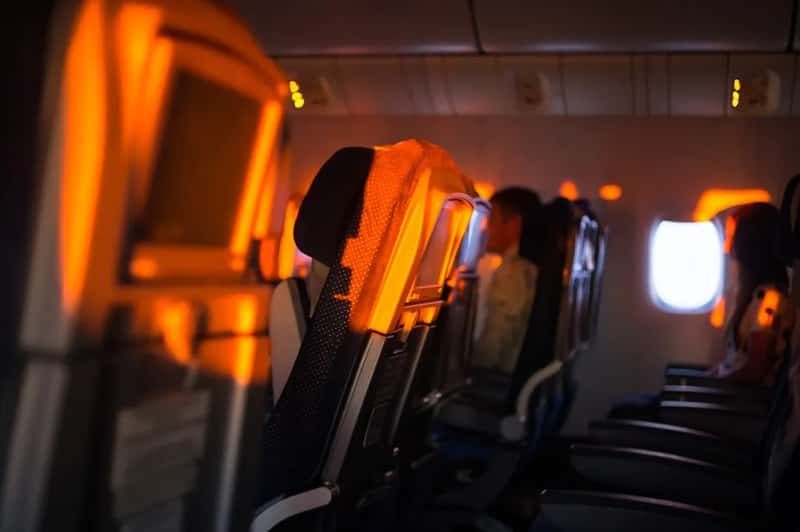
For years, picking your seat ahead of time was one of those small conveniences that most travelers assumed would always be there, especially if you held elite status. That assumption ended on American Airlines in 2026. As of May 2026, elite members no longer receive complimentary advance seat assignments, meaning passengers who previously selected preferred or Main Cabin Extra seats for free must now either pay additional fees or accept random seat assignments during check in.[1]
The fees involved are not trivial either. Depending on the route and seat type, those fees can range from approximately $15 to $75 per segment.[1] American is not alone in tightening the rules around basic fares. American Airlines announced that basic economy tickets purchased on or after that date will no longer include complimentary seat selection for any passenger, regardless of loyalty status,[2] a policy that puts pressure on anyone hoping to sit next to a travel companion without paying extra.
2. Free carry-on bags on the cheapest fares
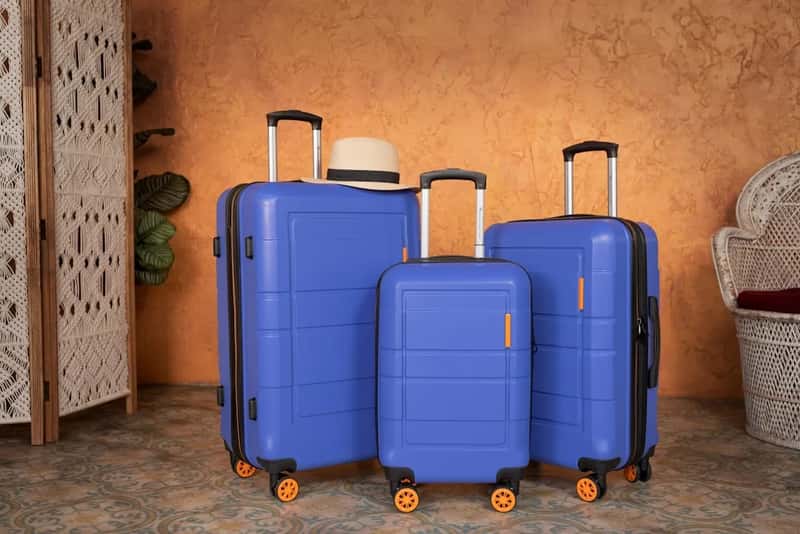
A carry-on bag once felt like a given no matter which fare you booked. That is no longer a safe bet, particularly on the lowest priced tickets. Travelers should no longer assume a free carry-on bag is automatically within their luggage allowance if they’re purchasing a basic economy ticket, since basic economy is a discounted fare category that usually only covers the cost of transportation and some form of small bag on the flight.[3]
The pattern varies by airline, which makes it easy to get caught off guard while booking. Several other airlines, including United and Delta, have already implemented charges for carry-on bags in their Basic Economy offerings.[4] Not every carrier has moved the same direction, though. JetBlue actually reversed course, and all JetBlue passengers, even Blue Basic customers, can now bring a free carry-on bag on top of a personal item,[5] a reminder that these policies shift in both directions depending on the airline.
3. Free checked bags on basic economy
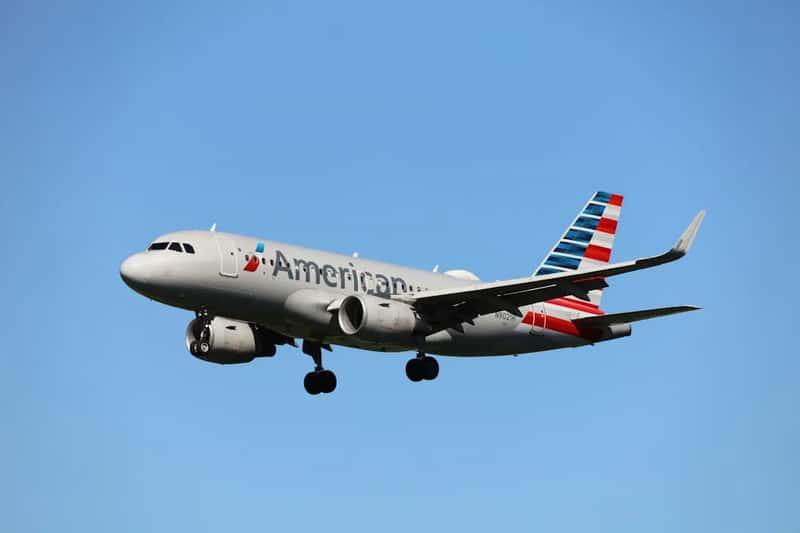
Checked bags have carried a fee for most travelers for well over a decade, but the gap between basic economy and standard fares is widening fast. American Airlines drew a clear line in the sand this spring. Customers traveling on a domestic Basic Economy ticket will be charged $55 for their first checked bag and $65 for their second checked bag for tickets purchased on May 18 and beyond.[6]
That is a meaningful jump from standard economy pricing, and it makes American the first major US carrier to charge basic economy flyers more than everyone else for the same bag. Neither Delta nor United charges more for bags on basic economy than on standard economy, making American the first major carrier to explicitly penalize basic economy passengers at the bag counter, creating an additional financial incentive to book up.[2] International routes sting even more. For trips to South America, basic economy baggage fees rise to $70[7] for the first checked item, a fee that used to feel more like an outlier than a standard.
4. Frequent flyer miles and elite status progress on cheap tickets
Loyalty programs used to reward almost any ticket you bought, even the bargain ones. That is changing in a way that hits budget conscious travelers especially hard. The first wave arrived in December 2025, when American Airlines eliminated mileage earning entirely on Basic Economy tickets, meaning passengers booking those fares now receive zero redeemable AAdvantage miles, zero Loyalty Points, and no progress toward elite qualification.[1]
This is not just an American Airlines story. Both airlines also eliminated mileage earning on basic economy before American followed suit in December 2025,[2] referring to Delta and United, which had already moved in that direction. Business travelers are not immune either. On some of the newer stripped down premium fares, a detailed breakdown from Travel Weekly reveals these tickets earn merely two SkyMiles per dollar spent, compared against 5 miles on Classic fares or seven on Extra fares,[8] making it far slower to reach elite status even while paying a business class price.
5. Airport lounge access, especially with a guest
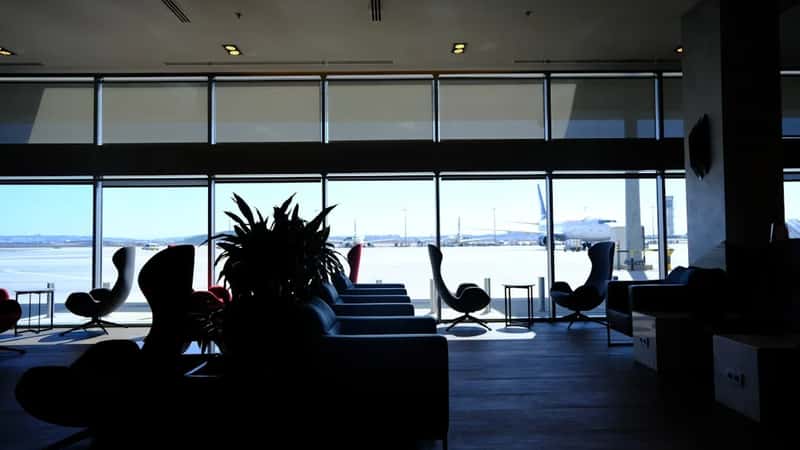
Lounge access has long been one of the most coveted travel card perks, but 2026 has brought a wave of restrictions aimed squarely at guests and authorized users. Starting January 15, 2026, unlimited guests for no additional cost will no longer be included, and instead cardholders will be allowed to bring up to 2 guests per visit, with additional guests charged the standard Priority Pass fee.[9]
American Express made a similarly notable change to its Centurion Lounges. Amex Centurion Lounges, starting July 8, 2026, now require guests to be traveling on the same flight as the cardholder.[10] Capital One went further still, ending a benefit that once made its card a favorite among couples and families. Prior to 2026, the Capital One Venture X was widely recommended to couples and families because it allowed up to two free guests per visit to Capital One’s own lounges, but that benefit is gone, and bringing your spouse to a Capital One Lounge now costs $45.[11] Authorized users have not escaped the tightening either, since authorized users no longer receive automatic lounge access, and a $125 annual fee per authorized user is required to unlock Capital One Lounge, Landing, and Priority Pass access.[11]
None of this means flying has become impossible to enjoy without spending extra at every turn. It does mean the free perks that used to come bundled into a ticket or a credit card now require more attention to fine print, more comparison shopping between fare classes, and in some cases a willingness to pay a little more upfront for the comfort that used to be automatic.