Travel forums and social media are full of confident recommendations, but every so often a thread pops up asking the opposite question: which famous destinations just did not live up to the hype? Asia draws hundreds of millions of visitors a year, and with that kind of volume comes a mix of glowing reviews and quieter, more skeptical takes. Some of the region’s most photographed cities are now facing pushback not because they lack charm, but because crowding, cost, and commercialization have started to change the experience travelers expected.
Bangkok
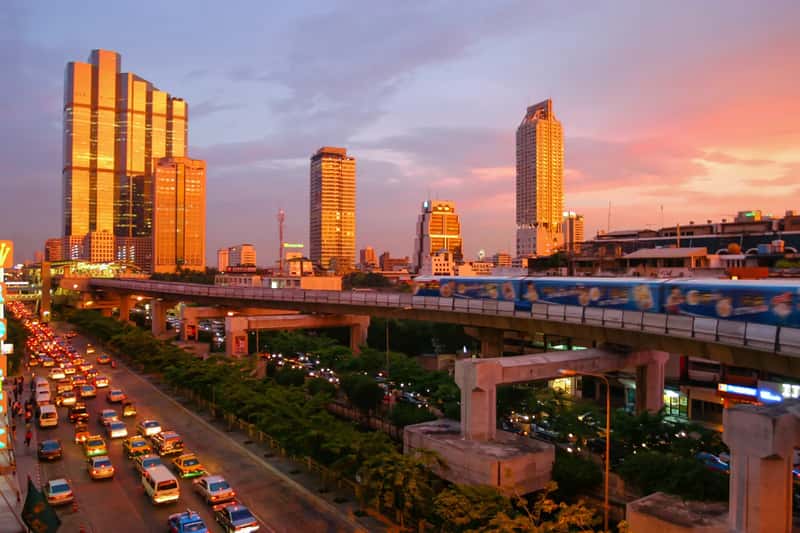
Bangkok holds the title of the world’s most visited city, drawing an estimated 30.3 million international arrivals in 2025, ahead of Hong Kong, London, Macao, and Istanbul[1]. That kind of volume sounds impressive on a tourism board report, but it creates real friction on the ground. Traffic, noise, and a growing sense that certain neighborhoods exist purely for foreign visitors have left some travelers feeling like the city’s soul got buried under souvenir stalls and rooftop bar menus written entirely in English.
The environmental side of the story adds another layer to the complaints. Bangkok’s air quality has deteriorated, with PM2.5 levels frequently exceeding safe limits, and in early 2025 the city ranked among the most polluted globally, prompting school closures and health advisories.[2] Add in gridlocked streets and a tourism economy so dependent on visitor numbers that easing congestion is genuinely difficult, and it is easy to see why some travelers walk away thinking the city is more spectacle than substance.
Kyoto
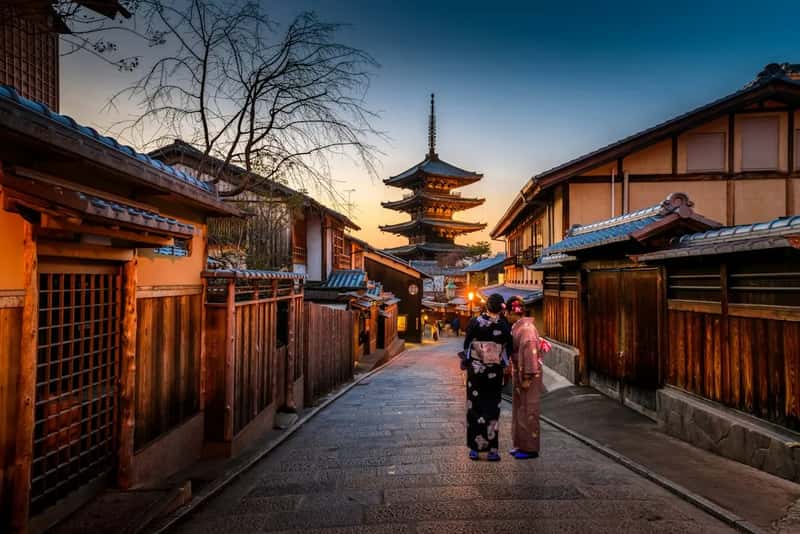
Kyoto’s reputation as Japan’s serene cultural capital has taken a hit simply because too many people know about it. The city logged a record 42.68 million visitors in 2025, with an increase in scheduled international flights pushing tourist spending to 9.5 trillion yen[3]. Iconic spots like the bamboo groves of Arashiyama or the approach to Kinkaku-ji can feel less like quiet reflection and more like a slow shuffle through a crowd, which is not exactly the postcard image most visitors had in mind.
City officials have responded with measures that themselves signal how serious the problem has become. Kyoto is planning to double bus fares for visitors as it grapples with overtourism, with the mayor announcing that municipal bus fares in the city center will be differentiated between residents and non-residents[4]. A city survey found that the top complaint among citizens was the overcrowding of city buses, which locals rely on for commuting and schooling[5], a detail that says a lot about how lived-in daily life and mass tourism are now colliding in Kyoto’s narrow streets.
Singapore
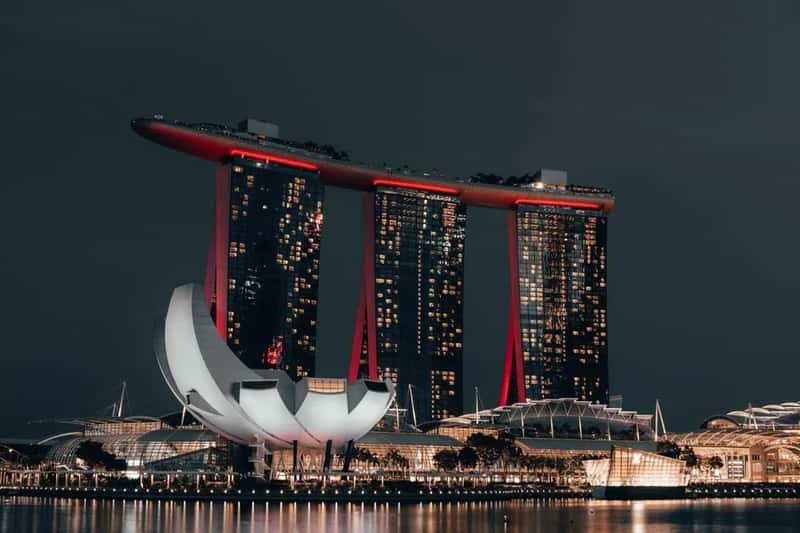
Singapore’s skyline, gardens, and spotless streets get plenty of praise, but a recurring criticism is that the city feels engineered rather than experienced. One travel blog bluntly summed up the sentiment by describing Singapore as “where perfection meets overpriced”[6], arguing that the polish can come across as more theme park than authentic destination. Even popular viewpoints draw skepticism, with critics noting that the Marina Bay Sands SkyPark charges a steep entrance fee while the view is not much different from other free vantage points around the city, such as Gardens by the Bay or Mount Faber[7].
Cost is the complaint that surfaces most often. A widely discussed video showed a tourist reacting to paying several dollars for fast food fries and twenty dollars for a short rideshare trip, prompting locals to point out that visitors should not expect Southeast Asian prices just because Singapore is geographically in Southeast Asia[8]. Even Orchard Road, marketed as a shopping showcase, draws shrugs from travelers who find it similar to other global shopping districts without offering anything particularly unique or local[9].
Hong Kong
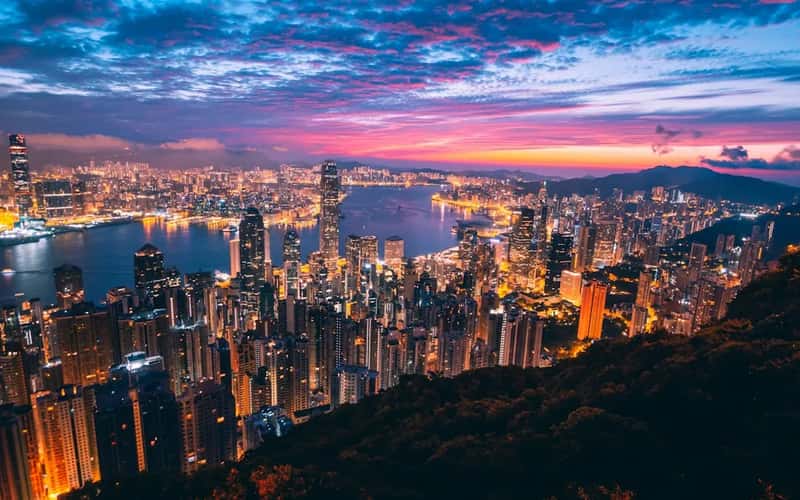
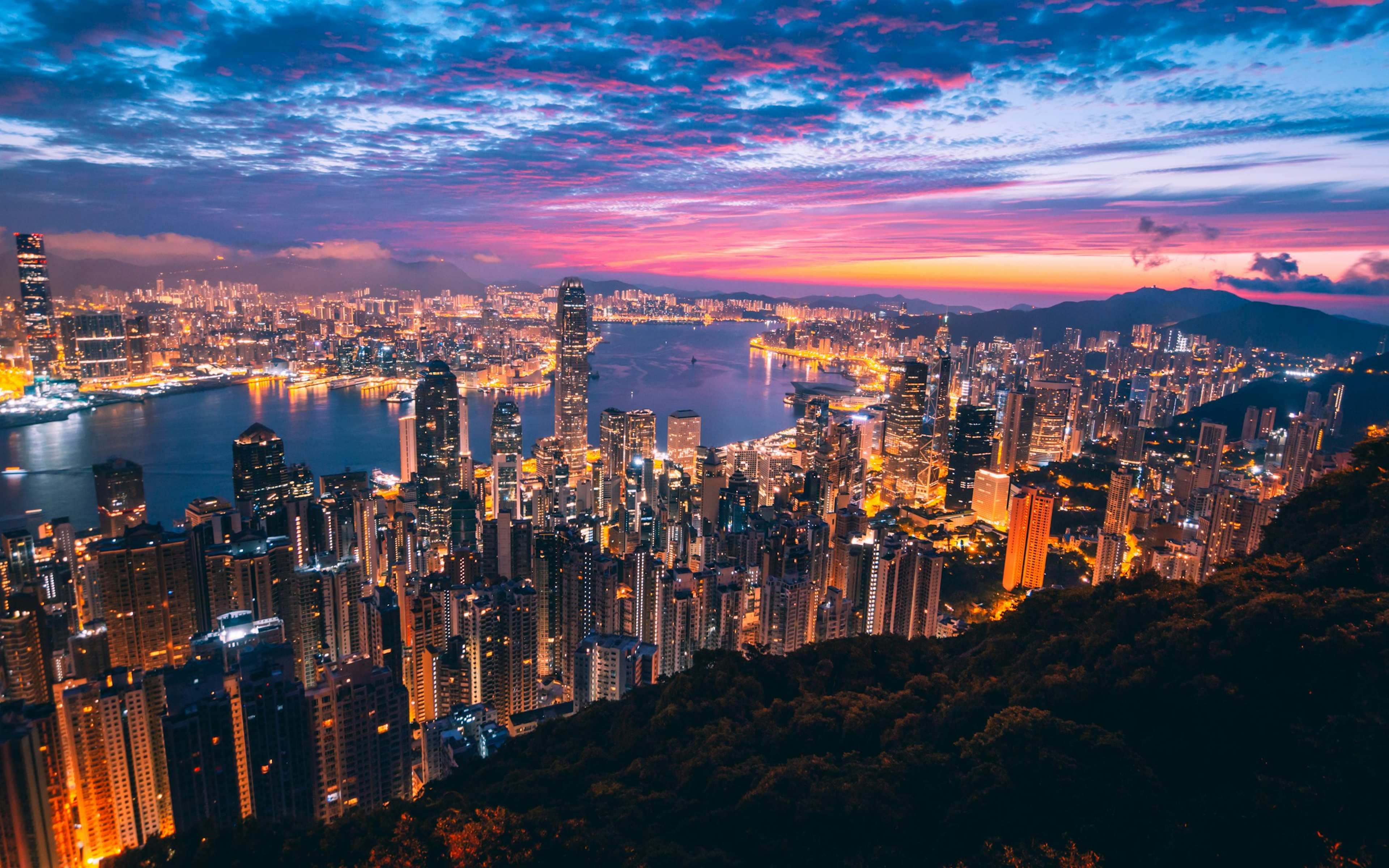
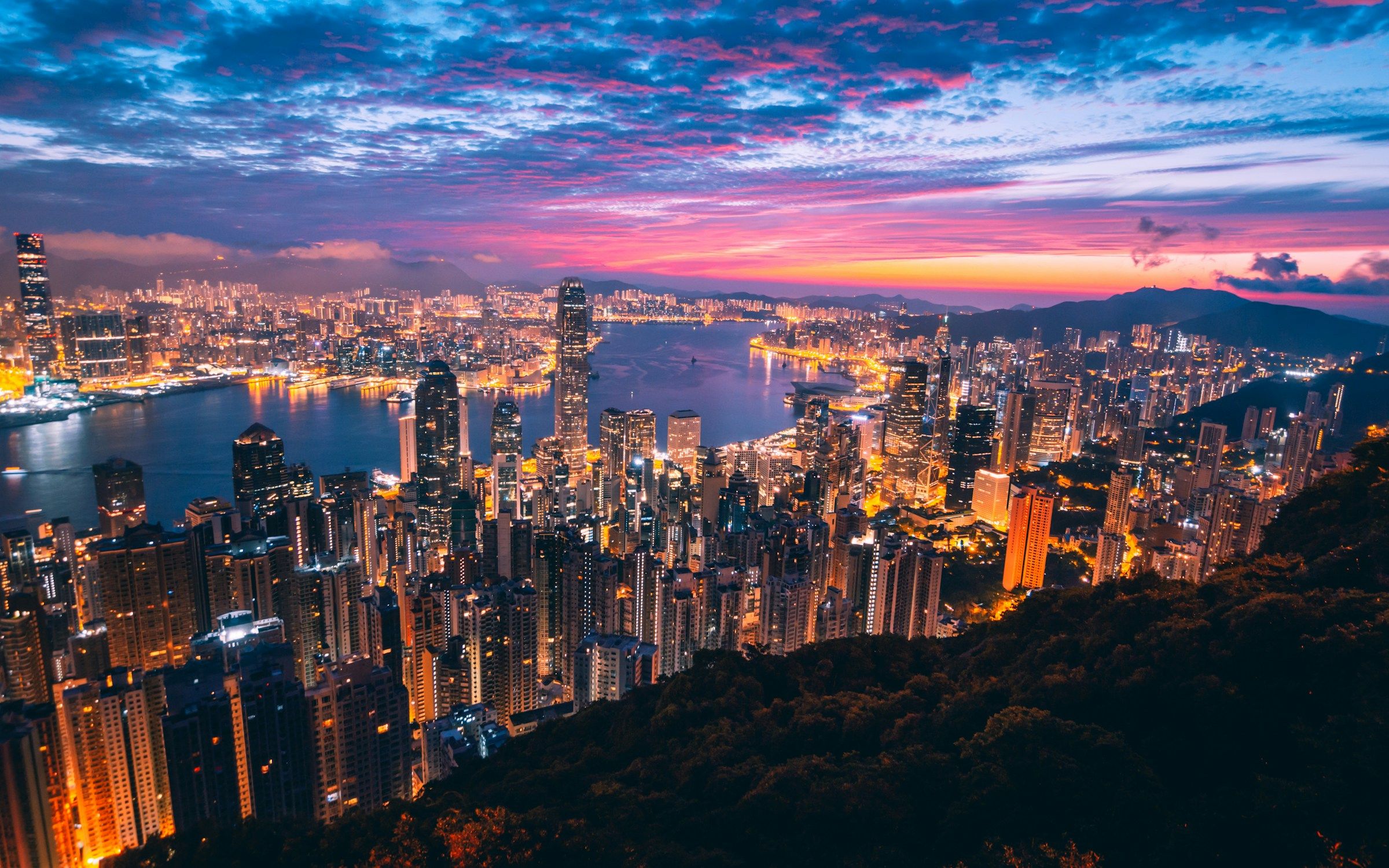
Hong Kong’s tourism numbers look strong on paper, with the city recording roughly 50 million arrivals in 2025 and 14.31 million visitors in the first quarter of 2026 alone, up 17 percent year on year[10]. Yet raw arrival figures do not always translate into glowing traveler sentiment, and the city’s dependence on a single source market has become a point of vulnerability. In 2026, arrivals from Mainland China fell by 6.2 percent even as visitors from non-Mainland markets increased by 5.6 percent[11], showing a split in how different travelers are responding to the destination.
Spending patterns tell a similar story of a city still finding its footing after the pandemic years. Tourists spent HK 195.0 billion during their visits in FY2024, which represented growth from the prior year but was still 23.8 percent below 2019 levels[12]. For travelers expecting the electric, round-the-clock energy Hong Kong was famous for pre-pandemic, the current mix of high hotel costs and a tourism sector still rebuilding itself can feel like a slightly dimmer version of the city’s old reputation.
Phuket
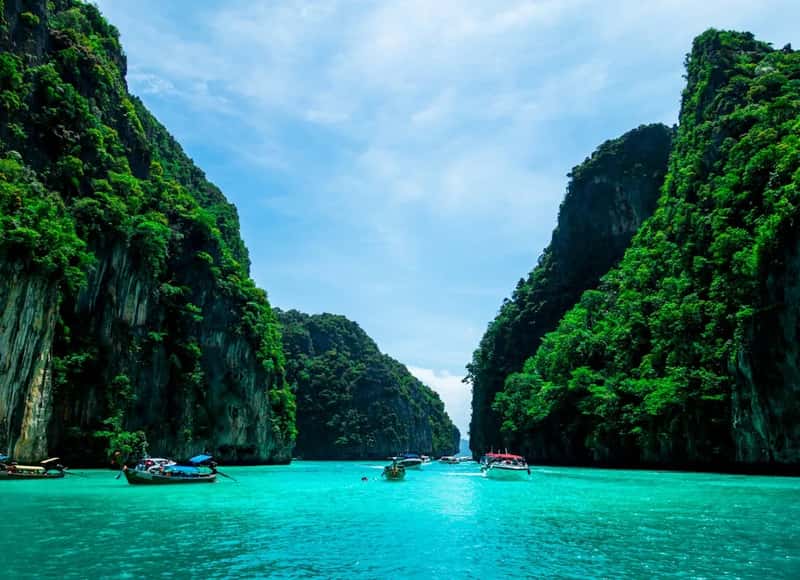
Phuket built its reputation on beaches and nightlife, but the same qualities that made it famous are now straining the island’s infrastructure. Thai tourism officials have warned that with a projection of 40 million tourists nationwide, major destinations like Phuket, Samui and Pattaya are on the verge of facing overtourism[13]. During peak season, the effects are already visible on the ground.
Officials have pointed out that during the high season, Phuket had already witnessed traffic congestion and water shortages, while its international airport ran out of available slots for airlines[13]. For a destination sold on relaxed island time, gridlocked roads and stretched utilities are the opposite of what most visitors are chasing, and it is exactly why some travelers now steer toward Thailand’s quieter coastal towns instead.
None of this means these cities are without merit. Millions of travelers still visit each year and come away with stories worth telling, and reputations built over decades rarely collapse overnight. What has changed is the volume of honest, mixed reviews sitting alongside the highlight reels, a reminder that even the most photographed places can feel different once you are standing in the crowd yourself.