Canadian cities are experiencing a tourism renaissance like never before. With domestic travel surging and international visitors returning in record numbers, what should be a celebration of recovery has become a double-edged sword.
The statistics tell the story clearly: nearly four million people visited Banff in 2024 alone, while cottage country, national parks, and cultural festivals are all experiencing record attendance this season. Yet this boom comes with a price that locals are paying daily.
Banff: The Mountain Paradise Overwhelmed

Nearly four million people visited Banff in 2024 alone, and overtourism is a growing concern for Parks Canada. The town that once offered peaceful mountain escapes now struggles with parking shortages and traffic jams that stretch for kilometers during peak season.
Communities that once offered peaceful escapes from city life now face crowding, traffic, and stretched local services. Local residents find themselves unable to access their own amenities, from grocery stores to healthcare facilities, during busy summer months.
Local residents face rising housing costs, packed restaurants, and access issues during peak seasons. The housing crisis has become so severe that service workers often commute hours from cheaper towns just to serve tourists who can afford accommodation they can no longer access.
Vancouver: The West Coast Hotel Crisis

Vancouver is having a boom year for tourism in 2025, and domestic travelers are on the rise, despite lingering travel restrictions and simmering tensions between Canada and the U.S. The city with its beautiful scenery and booming cultural scene has experienced an explosion of tourists, driven almost exclusively by Canadians who have chosen to stay near home for vacation.
Hotels in Vancouver are already more than 80% full for July, a number that has risen consistently over the past few months. Such high demand has fueled fears that costs of lodging will skyrocket, putting the squeeze on visitors who already have to pay premium prices for hotel rooms and rental homes.
One of the biggest hot buttons for the city has been the lack of hotel inventory, particularly when you consider that the number of hotel rooms in Vancouver has been roughly stable since 2002. Meanwhile, Vancouver International Airport is experiencing record-breaking passenger volumes, while hotels in Vancouver have reported occupancy rates nearing capacity, particularly during peak summer months.
Whistler: Olympic Legacy Turned Burden

Whistler became a global name after the 2010 Olympics, but its popularity now strains the community. Winter brings crowds of skiers, while summer sees mountain bikers and hikers fill the trails. The village that was designed for Olympic-scale events now faces that level of demand year-round.
Soaring housing prices have forced many local workers to live far outside the town. Traffic on the Sea-to-Sky Highway is frequently backed up, especially during weekends and holidays. Emergency services struggle to respond effectively when the main access road becomes a parking lot.
The irony isn’t lost on longtime residents who remember when Whistler was a quiet ski hill. Now, Vancouver and Whistler drove international arrivals, particularly from China and Japan, blending urban sophistication with natural beauty and year-round outdoor activities.
Tofino: Small Town, Massive Crowds

Tofino’s stunning beaches and relaxed vibe have gone viral, drawing far more tourists than its size can handle. The town of about 2,500 residents hosts hundreds of thousands of visitors each summer. The math simply doesn’t work when your visitor-to-resident ratio approaches 100 to 1.
Roads get backed up, beaches become crowded, and small-town services feel the strain. Longtime residents worry the town’s unique coastal identity is being diluted by rising development. Local businesses report being unable to serve community members during peak hours as tourists flood restaurants and shops.
The surf culture that made Tofino famous now competes with Instagram culture, where every sunset spot becomes a photo opportunity rather than a moment of coastal tranquility. The transformation has been swift and jarring for those who chose Tofino for its remote charm.
Mont-Tremblant: Quebec’s Alpine Overload
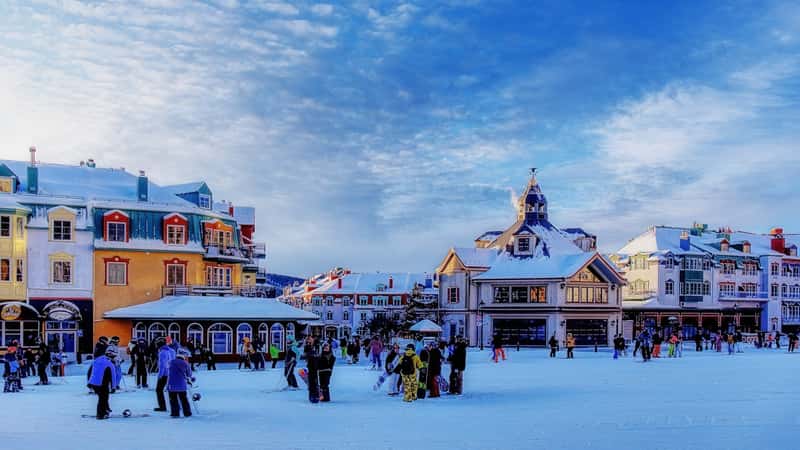
Mont-Tremblant is now a year-round resort town drawing tourists for skiing, hiking, and lake activities. Its pedestrian village often feels packed, limiting access to community space for locals. The carefully designed European-style village was built to handle tourists, but not at current volumes.
Seasonal workers struggle with housing as accommodation prices climb beyond reach. What was once a peaceful Laurentian getaway is now a high-traffic destination with busy roads and full parking lots. Local families find themselves priced out of their own community amenities.
The transformation reflects infrastructure strain where popular destinations are facing overcrowding, transportation bottlenecks, and environmental stress. Rural and wilderness areas are particularly vulnerable to overtourism. Mont-Tremblant exemplifies how quickly a mountain retreat can become a victim of its own scenic success.
The Bigger Picture: When Tourism Success Backfires
Recent surveys suggest that a majority of Canadian travellers are concerned about the growing negative impact of overtourism on local communities, with many saying that popular hotspots are too busy to enjoy. Even tourists are recognizing the problem they’re contributing to.
While tourism supports local economies, many towns are trying to balance visitor demand with protecting their community character. The challenge is growing as more travelers look beyond big cities for authentic Canadian experiences. The quest for authenticity ironically destroys the very authenticity people seek.
These five cities represent a broader Canadian struggle with tourism success. To maintain its trajectory, Canada’s tourism sector will need to prioritise sustainable growth strategies – balancing visitor volume with quality, accessibility, and environmental protection.
What strikes you most about these overwhelmed destinations? Have you witnessed the transformation of your own community from hidden gem to tourist hotspot?