Most first-time visitors to Canada build their itineraries around the same few names: Toronto, Vancouver, Montreal, and maybe Banff. Those places earn their reputations, but they aren’t the whole story. Some of the country’s most rewarding stops sit just off the usual route, and they tend to be easier to navigate and less crowded.
The five cities below aren’t obscure, but they’re often treated as an afterthought. Each one has a specific, checkable reason to deserve a few days on your calendar. Here’s what makes them worth the detour.
Winnipeg, Manitoba
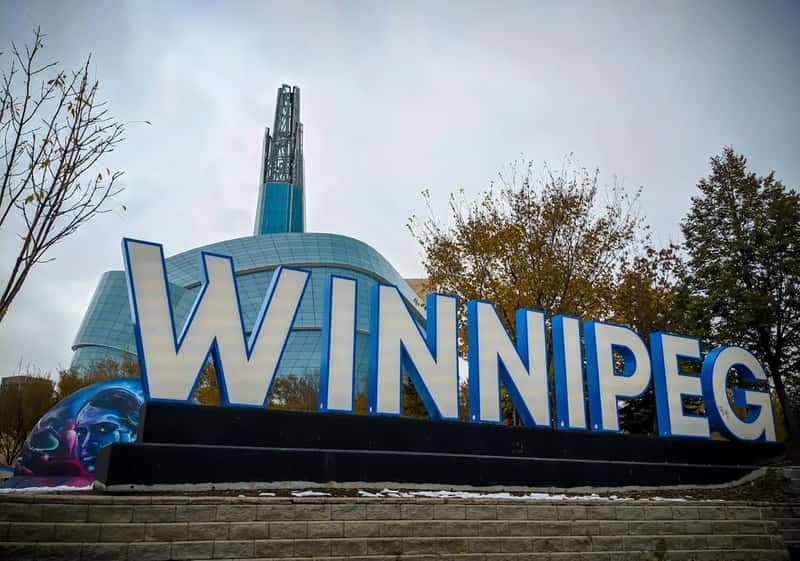
Winnipeg’s main draw is the Canadian Museum for Human Rights. It opened officially on September 20, 2014, as the first museum in the world solely dedicated to human rights.[1] It’s also the first national museum in Canada built outside the National Capital Region.[2] The building is a landmark in its own right, with alabaster ramps lit by LEDs that add up to nearly a kilometre in length.[3]
The museum sits beside The Forks, where the Red and Assiniboine Rivers converge.[2] It’s a central gathering place with a long history of both Indigenous and settler activity.[2] Before you leave, ride up the Israel Asper Tower of Hope. It rises over 100 metres, and its indoor observation platform looks over downtown, St. Boniface and both rivers.[3] Some of the content is heavy, so give yourself time to take it in.
Halifax, Nova Scotia
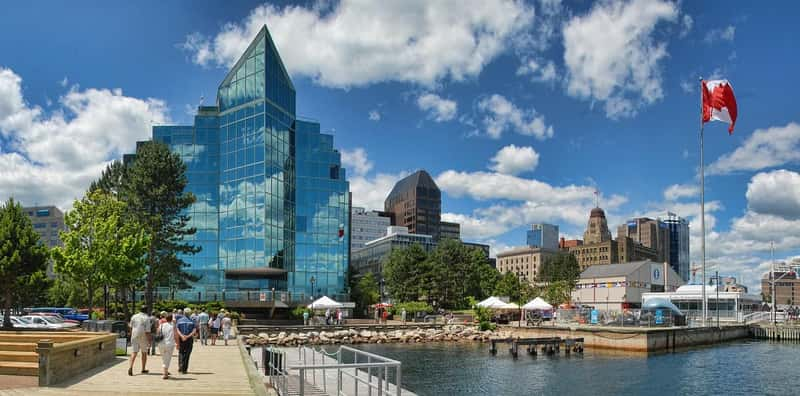
Halifax gets treated as a cruise-ship stop or a launch pad for Peggy’s Cove, which undersells it. The city is compact, with a downtown core of roughly 440,000 people where the boardwalk, the Citadel and the Maritime Museum of the Atlantic are all within a 15-minute walk of each other.[4] The waterfront boardwalk stretches nearly four kilometres and is one of the longest urban boardwalks in the world.[5] Tourism Nova Scotia says most visitors need two to four days in Halifax.[6]
History is the real hook here. At Pier 21, around one million immigrants came through those doors between 1928 and 1971.[7] The Maritime Museum is known for its Titanic artifacts, and the Dartmouth ferry is a cheap way to see the skyline. The 15-minute crossing is the oldest saltwater ferry service in North America.[4]
Kingston, Ontario
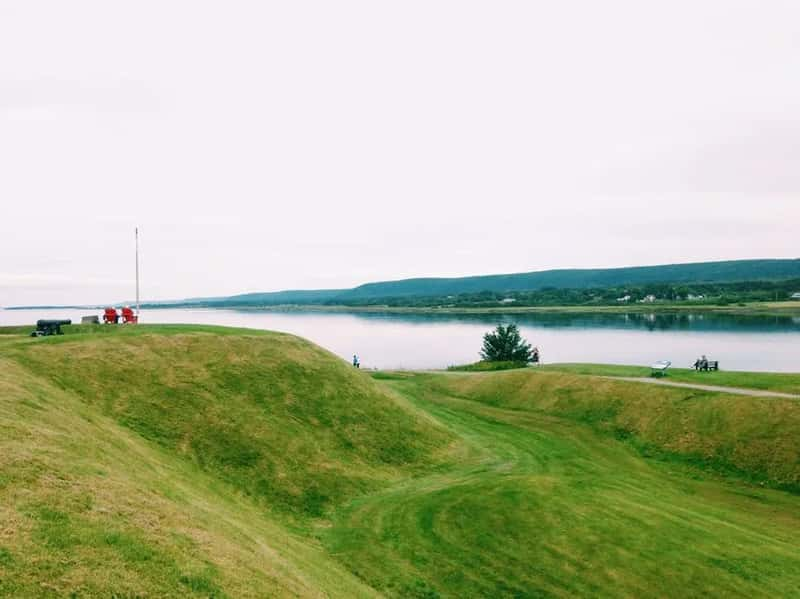
Kingston sits between Toronto and Montreal, so plenty of travelers drive straight past it. That’s a shame. The city is about 2.5 hours from Toronto[8] and goes by the nickname “Limestone City” for its heritage buildings.[9] Its City Hall was completed in 1844, when Kingston was the capital of Canada.[10]
There’s a lot of UNESCO-recognized history here, too. The Rideau Canal was UNESCO-listed in 2007 as the best-preserved slackwater canal in North America.[11] It runs 202 kilometres from Kingston to Ottawa through 47 lock stations.[8] Fort Henry is part of the same World Heritage listing, and in July and August the Fort Henry Guard performs weekly Sunset Ceremonies.[12] If you have time, a boat cruise is the easy way to see the Thousand Islands, a collection of more than 1,800 islands along the St. Lawrence River.[12]
Saskatoon, Saskatchewan
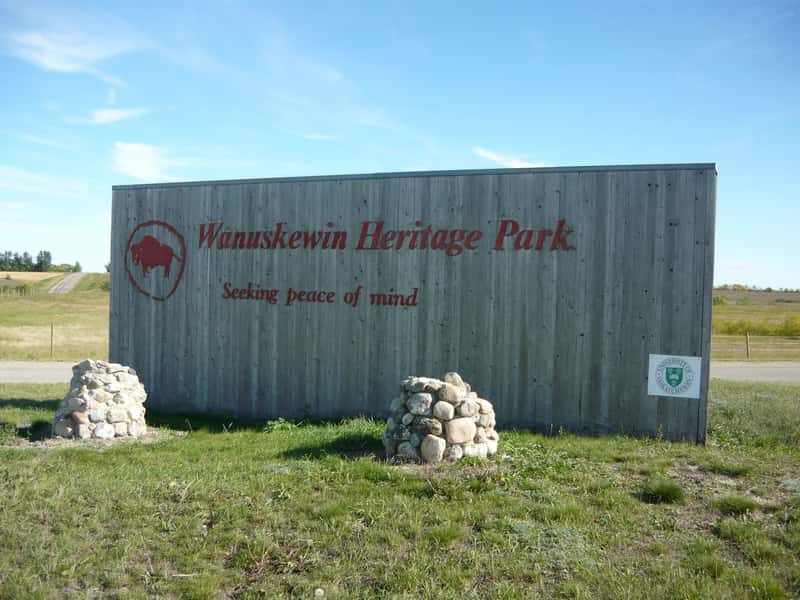
Saskatoon rarely makes a first-timer’s shortlist, but it has two strong cultural anchors. The first is Wanuskewin Heritage Park, minutes north of downtown, a sacred Indigenous gathering place more than 6,400 years old.[13] The park is built around the archaeological discovery of 19 Northern Plains peoples’ pre-contact sites.[14] It’s also still home to the longest-running archeological dig in Canada.[13]
Wanuskewin’s story keeps developing. In 2019 it partnered with Parks Canada and welcomed bison back to the property.[13] Back downtown, the Remai Modern art museum has 11 gallery spaces and runs films, workshops and talks.[15] It sits in River Landing, near the South Saskatchewan River, so one day can pair art with a riverside walk.
Edmonton, Alberta
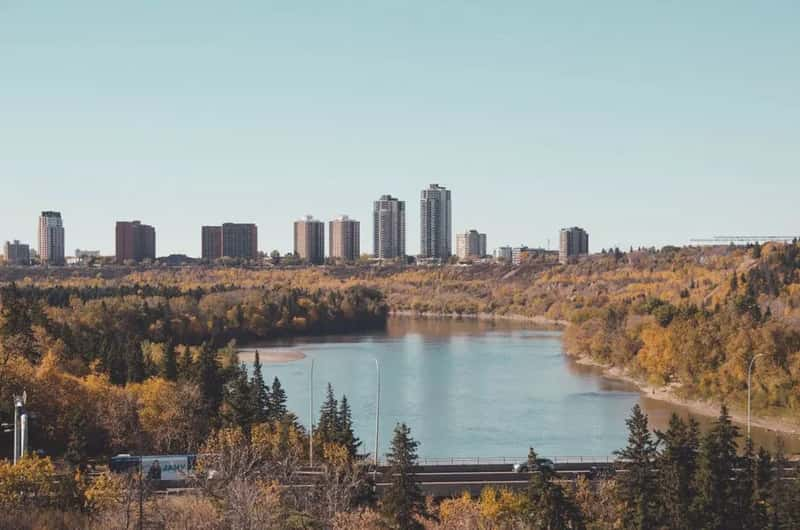
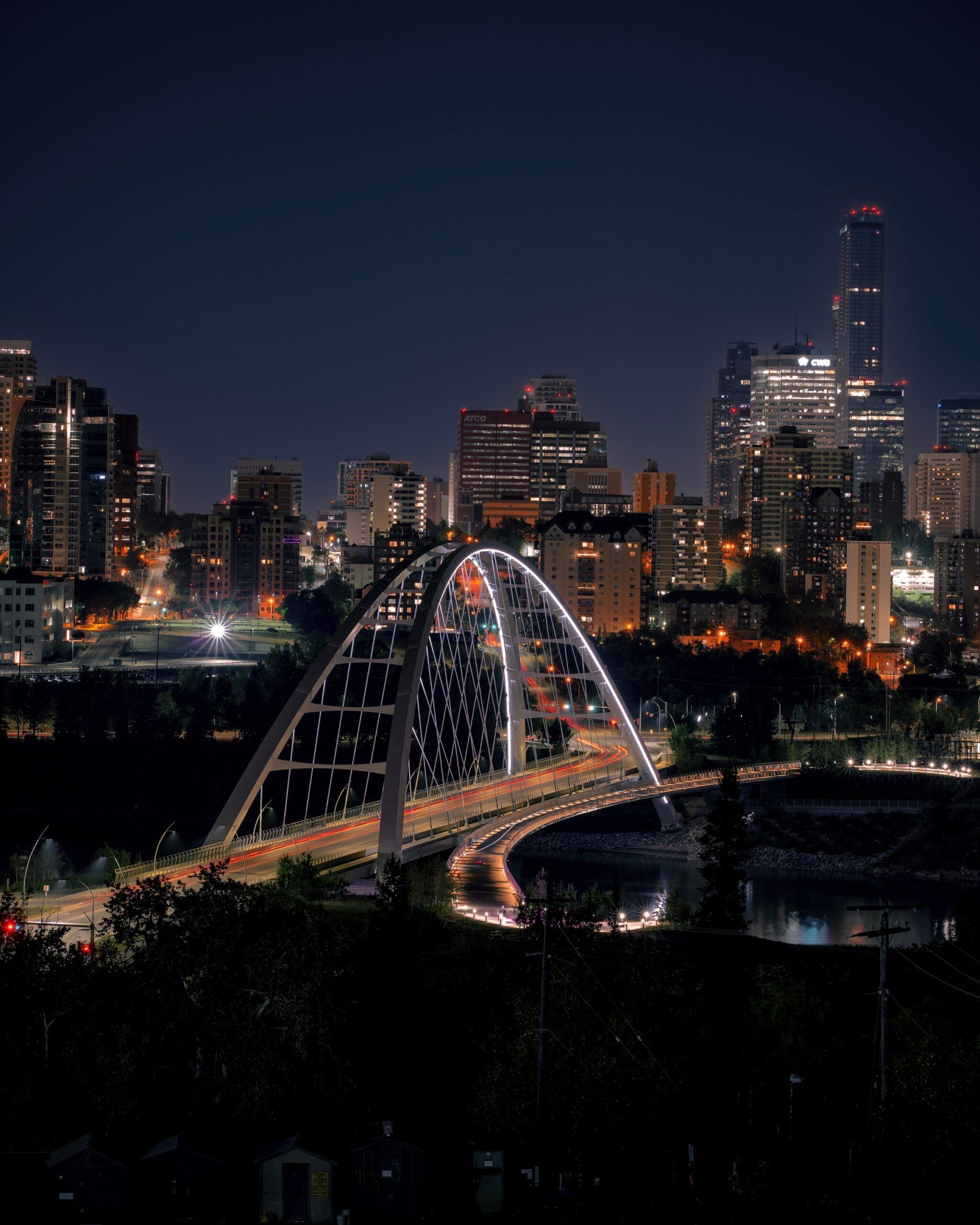
Edmonton often gets reduced to a stopover on the way to the Rockies. Many people know it for West Edmonton Mall and little else. In fact, the city has a strong festival reputation, and its International Fringe Festival, which began in 1982, is generally regarded as the oldest and largest of its kind in North America. Check the current dates before you book, since festival schedules shift from year to year.
The North Saskatchewan River valley cuts through the middle of the city and is commonly described as one of the largest stretches of urban parkland on the continent. That means trails, cycling and green space are close to downtown. If Jasper is on your list, Edmonton is also the logical gateway, roughly a four-hour drive away. Spending a night or two there on either end of the trip costs little and adds a lot.
None of these five cities will replace the headline destinations on a first trip to Canada, and they don’t need to. What they offer is context: immigration history in Halifax, human rights in Winnipeg, fortifications in Kingston, Indigenous heritage in Saskatoon, and a festival and river-valley culture in Edmonton. Even one of them can change how the rest of the country feels.
If your schedule is tight, choose by interest rather than distance. Pick the place whose story matches what you care about, and give it at least two full days. Canada tends to reward travelers who linger a little longer than the guidebook suggests.