When people talk about countries shutting the door on tourists, they usually mean overtourism. In 2026, Spain, Italy, Greece, Japan and Indonesia are tightening tourism rules with entry fees, cruise limits, rental crackdowns and visitor caps.[1] Those are limits on crowds, not a full stop.
The sharper version of a tourism halt is happening for a different reason. It comes from diplomacy, and it targets travelers from one country rather than from everywhere. The five countries below are the clearest examples of that approach, either because they have already acted or because they are watched as possible next steps.
Chad: The First to Say No
Chad was on the original list of twelve countries the United States fully restricted in June 2025. Chad’s president responded that month by instructing his government to suspend visas for United States citizens, citing reciprocity.[2] That made Chad the earliest country in this group to act.
In practice, the picture is a little murky. A visa is still required, but Chad is not routinely issuing visas to U.S. citizens.[3] One outlet describes Chad as having imposed limited entry[4], so the exact wording of the restriction varies by source. Chadian officials had expressed dismay that Washington did not recognize the country’s progress on terrorism related issues.[2]
Niger: A Ban Announced Before the Deadline
Niger was added to the United States full restriction list in a December 2025 proclamation that took effect on January 1, 2026. Niger was the first to retaliate after that proclamation, and Burkina Faso and Mali quickly followed.[2] Reports say the move came the week before the other two countries acted.[5]
Legal analysts at Fragomen reported that Niger banned the issuance of all visas to U.S. citizens and indefinitely barred their entry.[6] There is one practical wrinkle. Niger’s embassy in Washington suspended ordinary visa issuance, but Americans may apply through Nigerien missions outside the United States.[3]
Mali: Visas Suspended From the First Day of 2026
Mali’s suspension is one of the more clearly documented. Mali suspended visa issuance to U.S. citizens effective January 1, 2026, with limited exceptions.[3] The foreign ministry framed it as a mirror image, saying Mali would apply the same conditions to U.S. nationals that Malian citizens face.[7]
The ministry said exceptions would be made for diplomats, athletes and U.S. citizens who are permanent residents of Mali.[2] Tourists were not on that list. Americans will miss out on under the radar destinations like Timbuktu.[2] The State Department tells Americans to confirm current requirements with Mali’s embassy before making plans.[3]
Burkina Faso: A Matching Response in Late December
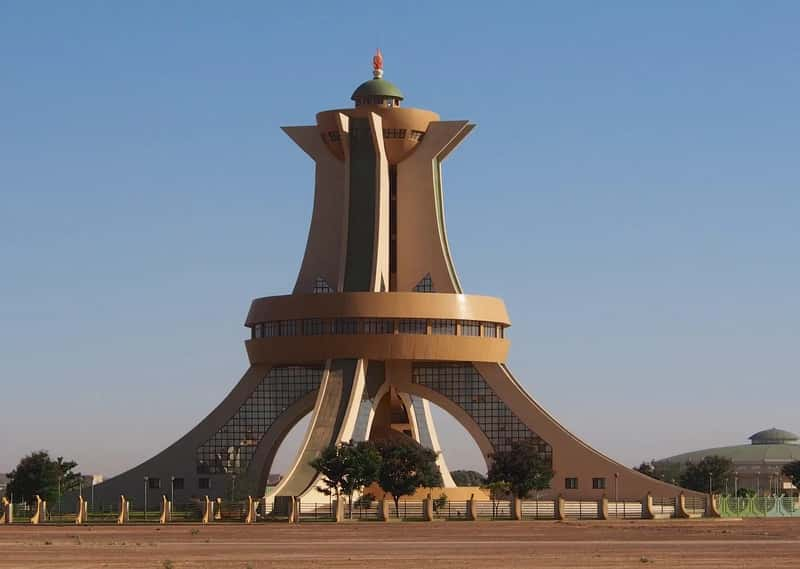
Burkina Faso announced its measure on the same day as Mali. Both countries said they would apply reciprocal visa bans to U.S. citizens, weeks after the United States put them on an expanded travel ban list.[8] The statement was signed by Foreign Minister Karamoko Jean-Marie Traoré.[7]
The wider backdrop is tense. Mali, Burkina Faso and Niger are run by juntas and have formed a breakaway association from the regional bloc ECOWAS.[7] The White House cited persistent attacks by armed groups as one reason for its travel ban.[7] Burkina Faso has suspended visas to Americans, with limited exceptions.[3]
Somalia: The Name on the Watch List
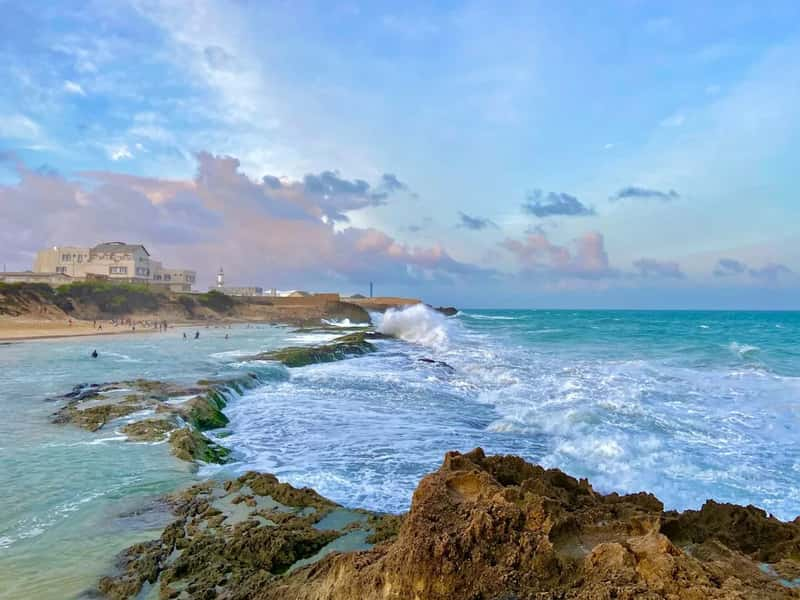
Somalia has not announced a halt on American visitors. It does, however, appear in analysis of who might. Somalia has been on the United States full visa suspension list since mid 2025, and the December proclamation reaffirmed it.[9] Washington’s reasoning centers on Somalia’s history of refusing to take back removable nationals.[9]
One analysis suggests retaliation would be harder here than in the Sahel. Somalia’s federal government has limited authority over parts of its own territory, which makes coordinated retaliation harder to organize.[9] After the first proclamation, Somalia scrambled to appease the U.S.[2] As of September 2026, no countries besides Mali, Burkina Faso, Niger and Chad have announced such reciprocal bans.[2]