You know that feeling when you see colorful crowds flooding the streets, music blaring from every corner, and complete strangers dancing like nobody’s watching? Some corners of the world have figured out how to bottle that energy year round, while others have barely touched it at all. If you’ve ever wondered where the party truly never stops or where festivals seem like a foreign concept, you’re about to find out.
Let’s be real. Festival culture isn’t evenly distributed across our planet. There are places where one celebration seamlessly rolls into another, making the calendar look like an endless party schedule. Meanwhile, certain locations remain virtually untouched by the festival phenomenon, whether due to cultural norms, geographical challenges, or simply different priorities.
Brazil: Carnival That Bleeds Into Everything Else
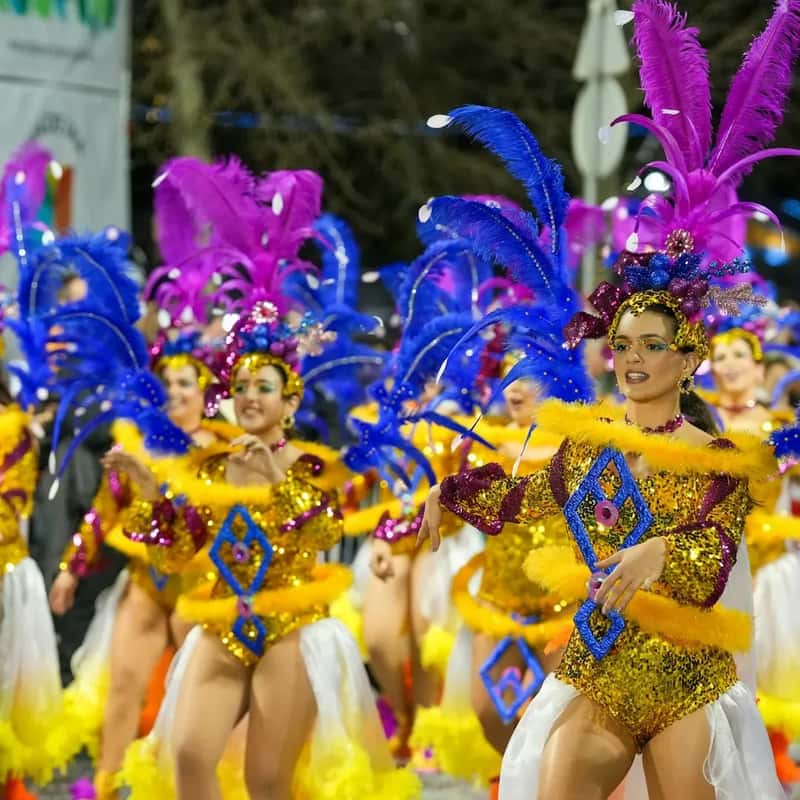
The country essentially unifies completely for almost a week during Carnival, with Rio de Janeiro’s carnival alone drawing 6 million people in 2018, including 1.5 million travelers from both inside and outside Brazil. Here’s the thing that surprises most visitors though. The festive atmosphere doesn’t actually end when Ash Wednesday arrives.
Preparations and festivities usually begin weeks earlier and continue in some places well beyond the official end, with Rio celebrations beginning weeks in advance and block parties raging on long after the festival has closed. Throughout the year, regional celebrations like June festivals, music events, and local patron saint celebrations keep the party spirit alive in different pockets of this massive South American nation.
Rio’s carnival is the largest single carnival parade in the world according to Guinness World Records, while São Paulo’s carnival holds the record for the largest street carnival celebration by number of participants. The samba schools prepare all year, the street blocos organize constantly, and honestly, it seems like Brazilians have perfected the art of finding reasons to celebrate no matter what month it is.
Spain: A Festival Calendar That Never Quits
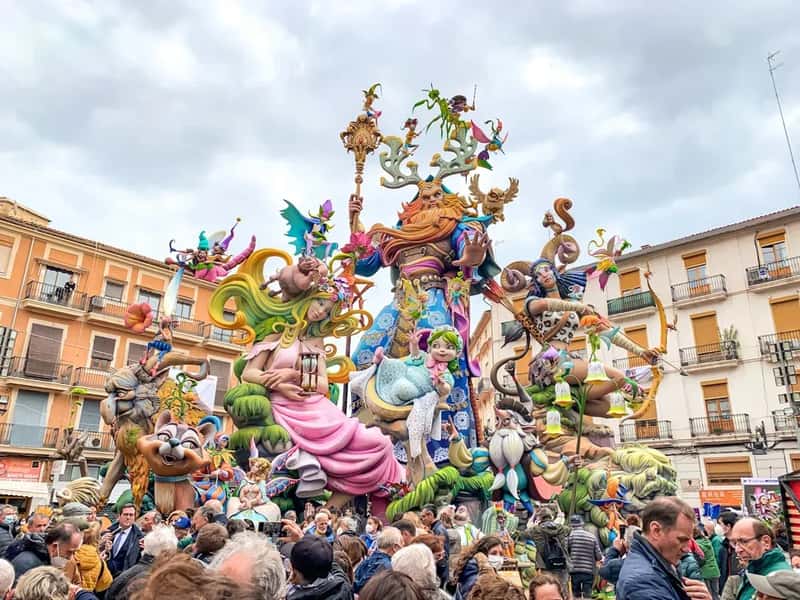
In 2021, the number of festivals held in Spain reached 874, and that number keeps climbing. Spain operates on a totally different rhythm when it comes to celebrations. Every single village and town has its own patron saint festival, plus regional holidays that stack on top of national ones.
Spain is the nation of “Fiesta” with Spanish festivals all over the country in every city, town and village. From January’s Tamborrada drumming festival in San Sebastián through February’s wild Carnivals, March’s explosive Fallas in Valencia, April’s Semana Santa processions, to July’s Running of the Bulls in Pamplona and August’s La Tomatina tomato fight, the Spanish calendar is essentially packed. September brings grape harvest celebrations, October has regional fairs, and even winter months feature Christmas traditions and Three Kings parades.
Whether you embark on them during winter, spring, summer or fall, your travels in Spain are sure to coincide with at least one of the many festivals in the country’s jam-packed cultural calendar. Spaniards have essentially turned celebrating into a lifestyle rather than an occasional event, creating what feels like a perpetual festival season.
India: Where Every Religion Means Another Festival
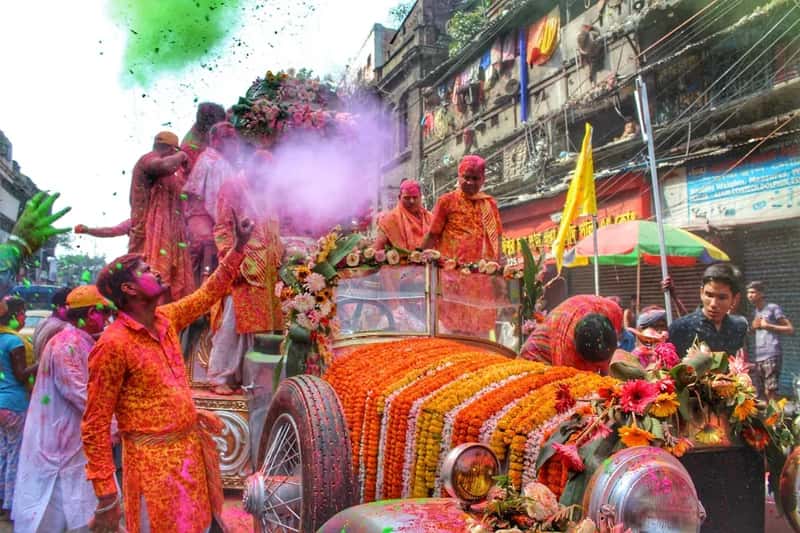
India’s diversity creates an almost overwhelming festival landscape. Diwali is one of the most important festivals celebrated in India, yet it’s merely one among literally hundreds. Holi splashes color across the nation in spring, Diwali lights up autumn, Durga Puja energizes Bengal, Ganesh Chaturthi animates Maharashtra, Eid celebrations happen twice yearly, Christmas is massive in certain regions, Pongal marks harvest in the south, and that’s honestly just scratching the surface.
The religious diversity means that practically every month features major celebrations somewhere. Add to this the countless regional folk festivals, music gatherings like Goa’s Sunburn Festival, and cultural events, and you’ve got a country where the festival calendar never truly takes a break. Different states observe different holidays, creating a rolling wave of celebrations across the subcontinent throughout the entire year.
Edinburgh: The City That Turned Itself Into a Festival Venue
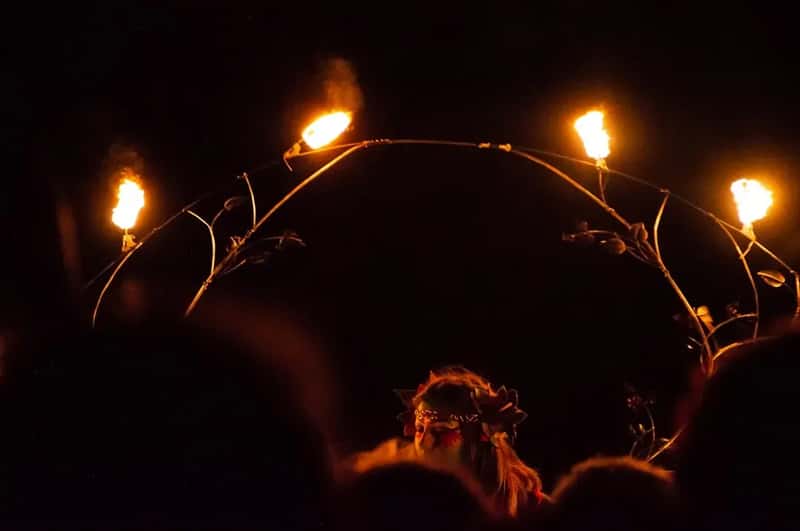
Edinburgh has essentially become a city-sized festival venue that never truly closes, from the International Festival in August to Hogmanay celebrations that last for days, from the Science Festival in spring to the Book Festival. The Scottish capital has somehow managed to transform nearly every season into festival season.
There’s literally always something happening with jazz festivals, film festivals, storytelling festivals, comedy festivals, and countless smaller events that fill the gaps between major celebrations. The Edinburgh Fringe Festival taking place over 3 weeks is the largest of its kind in the world, and every August Edinburgh becomes alive with vibrant colours and electric performances from a variety of acts. The city has basically written the playbook on continuous cultural celebration.
United States: The Festival Machine Never Stops
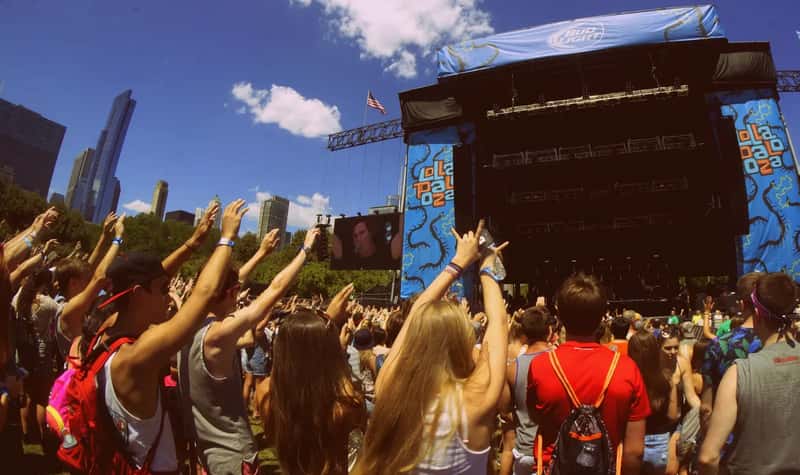
With 1,168 festivals, the U.S. once again is the top country in the database, surpassing 2019’s 1,140 festivals total and 1,120 in 2023. From coast to coast, America’s sheer size and diversity create endless festival opportunities. California alone hosted 146 festivals in 2024, with Florida, New York, Illinois and Texas rounding out the top festival states.
Coachella kicks off spring in the desert, SXSW transforms Austin into music and tech heaven, Burning Man creates temporary cities in Nevada, Lollapalooza takes over Chicago, countless state fairs run through summer, and Mardi Gras in New Orleans rivals anything happening globally. Add in countless genre-specific events, from country to electronic to jazz, plus cultural celebrations representing every immigrant community, and the American festival calendar essentially runs nonstop. In 2024, the database records 2,840 music festivals worldwide, with the scene continuing to thrive beyond pre-pandemic levels.
Antarctica: Where Festivals Simply Don’t Exist
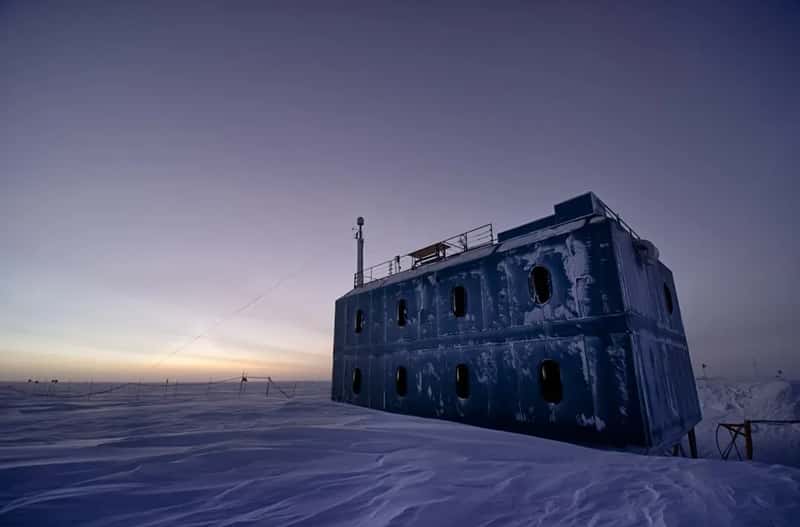
Antarctica presents the most extreme case of festival absence. With no permanent human population beyond rotating research station staff, traditional festival culture never developed here. The continent’s brutal environment makes large gatherings essentially impossible for most of the year.
Research stations occasionally celebrate holidays like Christmas or national days from their home countries, yet these remain tiny, private affairs among small groups of scientists. There are no public festivals, no cultural traditions passed down through generations, and certainly no tourism-driven events. The closest thing to a celebration might be someone’s birthday party in a heated research facility while temperatures outside plummet to deadly levels. It’s hard to maintain festival traditions when your entire population turns over every few months.
North Korea: Festivals Exist, But Not As You Know Them
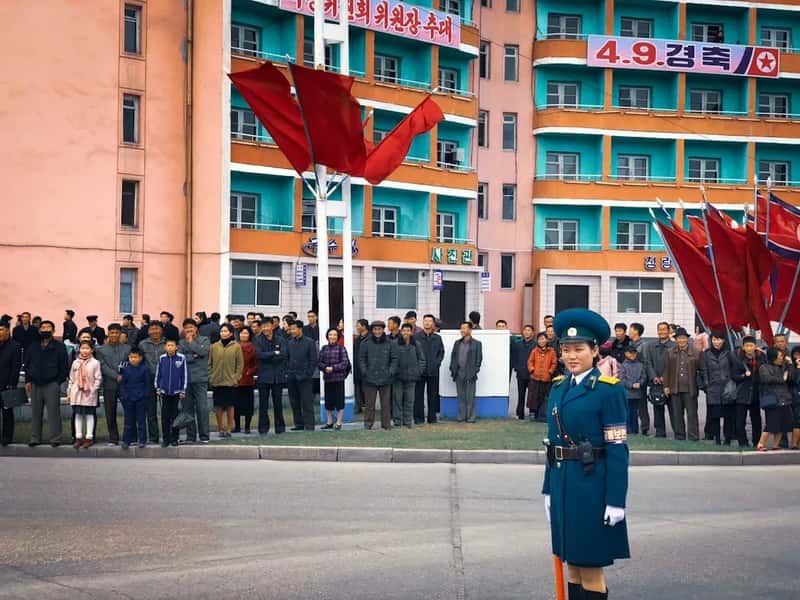
North Korea technically has festivals, yet calling them festivals in the traditional sense feels misleading. State-organized celebrations marking political anniversaries or national holidays happen with strict choreography and mandatory participation. The Mass Games, for instance, feature thousands of performers in synchronized displays, yet these events serve propaganda purposes rather than spontaneous cultural celebration.
The spontaneity, diversity, and grassroots energy that define festivals elsewhere simply don’t exist in the DPRK. Citizens can’t organize their own music festivals, art gatherings, or cultural celebrations without government approval and oversight. International festival culture remains blocked by the country’s isolation. What passes for festivals here are carefully controlled state spectacles rather than the organic community celebrations found elsewhere.
Vatican City: Sacred But Silent on Festival Culture
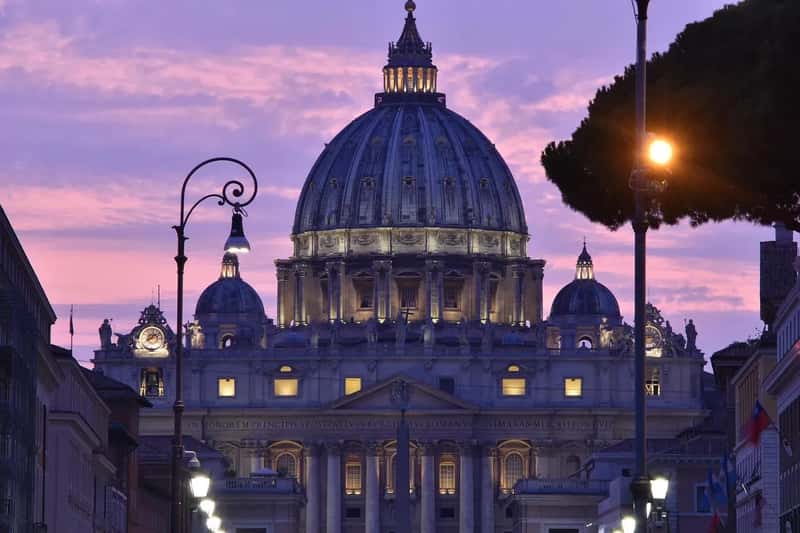
Vatican City observes religious feast days and liturgical celebrations with great solemnity, yet it lacks the festive atmosphere associated with traditional festivals. The tiny city-state functions primarily as the administrative center of the Catholic Church rather than a community that gathers for cultural celebrations.
Religious ceremonies happen regularly, drawing international pilgrims, yet these remain formal church services rather than festivals with music, dancing, food stalls, and street parties. The Vatican doesn’t host music festivals, cultural gatherings, or the kind of secular celebrations that characterize festival culture globally. Its population consists mainly of clergy and workers who commute from Rome. While important religious events draw crowds, the participatory, joyful chaos of festivals never really materializes within these ancient walls.
Bhutan: Deliberate Distance From Festival Tourism
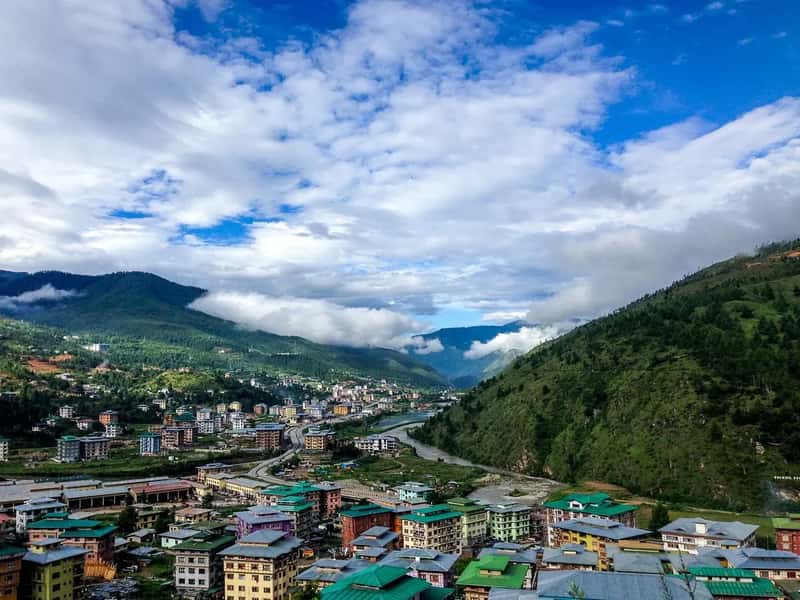
Bhutan takes an interesting position. The Buddhist kingdom hosts traditional Tshechu festivals featuring masked dances and religious ceremonies throughout the year. However, the government’s strict tourism policies intentionally limit the development of large-scale festival culture as understood elsewhere.
High daily tourist fees and controlled visitor numbers prevent the kind of international festival tourism seen in places like Thailand or India. There are no mega music festivals, no Burning Man-style gatherings, no international arts events drawing global crowds. Bhutan has consciously chosen to preserve traditional celebrations while avoiding the commercialization and mass tourism that often accompany modern festival culture. Their festivals remain primarily for locals, rooted in centuries-old Buddhist traditions rather than contemporary global festival trends.
Somalia: Where Insecurity Silenced Celebrations
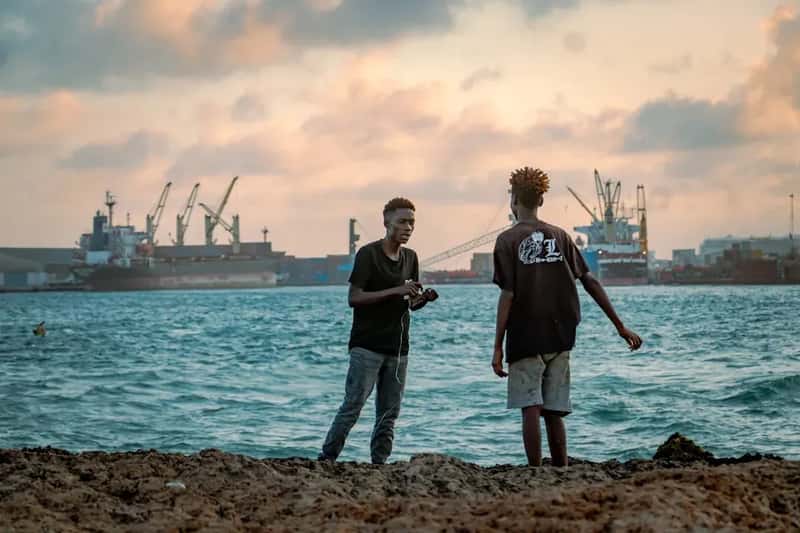
Somalia’s decades of conflict have essentially eliminated public festival culture in most regions. While traditional celebrations existed historically and some areas still observe Islamic holidays privately, large public festivals with music, dancing, and mass gatherings remain extremely rare or nonexistent in much of the country.
Security concerns make organizing public events incredibly difficult. Areas controlled by militant groups often ban music and prohibit gatherings that don’t align with their strict interpretations. Even in relatively stable regions, the infrastructure and resources needed for festivals simply aren’t available. Cultural celebrations that did exist have been suppressed, pushed underground, or abandoned entirely. The combination of ongoing instability, poverty, and restrictive ideologies has created an environment where festival culture struggles to survive, let alone thrive.
So there you have it. Some parts of our planet have essentially made celebrating a full-time job, while others remain quiet for reasons ranging from geography to politics to deliberate choices about development. Festival culture reveals so much about a place, how its people connect, what they value, and whether they even get the chance to gather freely. Makes you appreciate that random street festival you stumbled into last summer, doesn’t it? What’s your take on this? Would you rather live somewhere with constant celebrations or somewhere quieter?