Housing is usually the single biggest line item in any budget, whether you’re a local resident or a relocating expat. In most Western countries, paying under $1,000 a month for a decent apartment is practically a fantasy. Yet in several corners of the world, a livable, furnished home can be secured for well under $200 a month. Some nations have a very low cost of living, which can make them attractive destinations for expats, retirees, and others interested in reducing their expenses. The five countries featured here aren’t obscure outposts – they are real, livable destinations where housing costs remain remarkably low, according to current data from Numbeo, LivingCost.org, and other global indices.
1. Pakistan – The World’s Most Affordable Housing Market
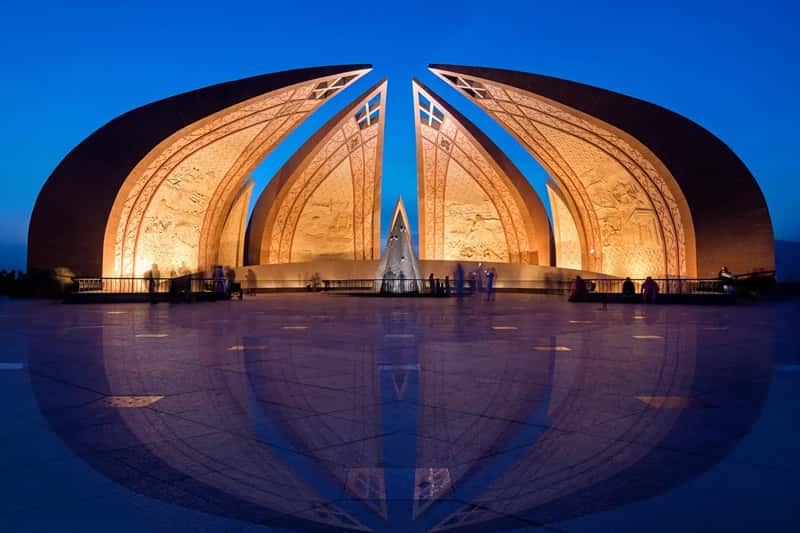
Pakistan is ranked first as the country with the lowest living cost, with a living cost index score of 18.5, meaning each individual spends around US$321.5 monthly, not including rent. That’s an extraordinary figure, and when you factor in housing, the numbers remain just as striking. Pakistan leads the list of the most affordable countries with a property price of just $655 per square meter, with a 90-square-meter apartment costing around $58,950. Prices vary by city: Islamabad at $581 per square meter, Karachi at $592 per square meter, and Lahore at $613 per square meter.
For renters, the situation is equally favorable. A one-bedroom apartment in the city center of Karachi runs between PKR 40,000 and 70,000 per month, while a one-bedroom outside the city center can be found for PKR 25,000 to 50,000 per month. At current exchange rates, that puts basic housing well within or around the $150–$200 range in many areas. Rent in Karachi is, on average, 90.5% lower than in Berlin. That contrast alone tells the story clearly.
2. Nepal – Budget Living Beneath the Himalayas
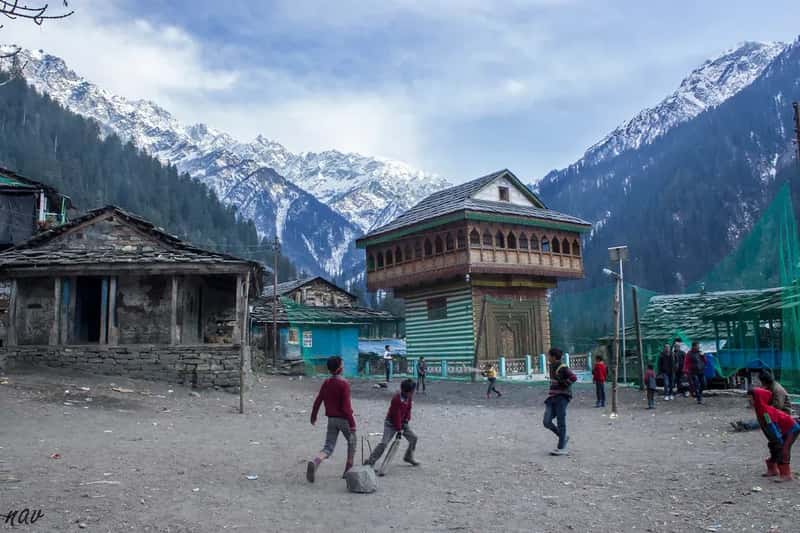
The average cost of living in Nepal is $371 per month, which is more than three times less expensive than the world’s average. Nepal ranks 197th out of 197 countries by cost of living. For anyone seeking an extremely low-cost life surrounded by stunning mountain landscapes and rich cultural heritage, Nepal is hard to beat. Outside of peak tourist zones and certain upgraded neighborhoods in Kathmandu, basic apartments and local housing options regularly come in at or below the $200 mark per month.
Egypt, Pakistan, Libya, Bangladesh, India, Nepal, and Tunisia all appear on both LivingCost’s and Numbeo’s lists of the least expensive countries to live in. Nepal’s consistent appearance on both major indices confirms this isn’t a fluke – it reflects structural economic conditions. Data from sources like Numbeo’s Cost of Living Index and Expatistan’s Price Index provide valuable insights into just how systematically affordable Nepal remains for housing compared to the global norm.
3. Bangladesh – South Asia’s Quietly Affordable Option

The average cost of living in Bangladesh is $422 per month, which is nearly three times less expensive than the world’s average. Bangladesh ranks 192nd out of 197 countries by cost of living. That overall budget includes food, transport, and utilities alongside housing – meaning housing alone, particularly in smaller cities and suburban areas, can easily fit inside the $150–$200 range. Bangladesh has a living cost index score of 24.9 in 2025, with each person spending at least US$368.4 per month for daily activities, excluding rent.
The country’s rental market is shaped by a large population and a growing urban workforce, but that hasn’t priced out budget seekers in secondary cities. India and comparable South Asian neighbors offer low rental and grocery costs, with monthly living expenses for a single person averaging $200–$400. Bangladesh sits even lower than that baseline, particularly for those willing to rent outside of Dhaka’s most central districts. The combination of low purchase prices and deeply affordable rents makes Bangladesh one of the most underappreciated housing markets globally.
4. India – A Vast Country With Pockets of Extreme Affordability
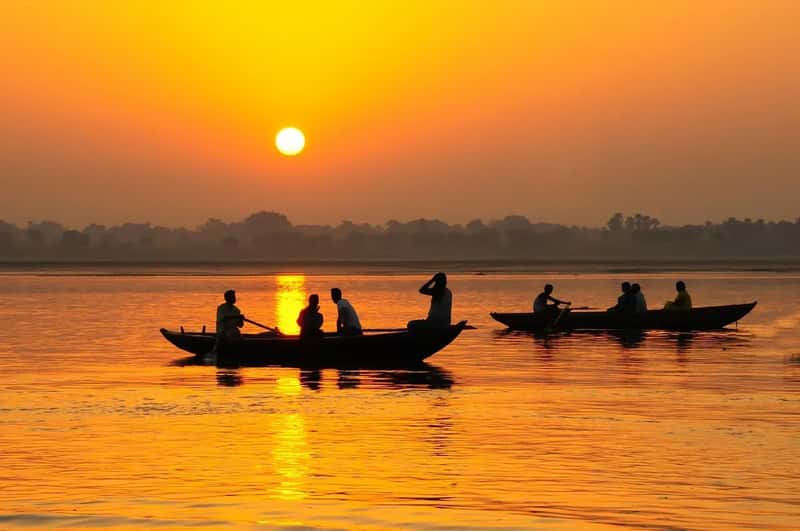
India is frequently ranked as one of the most budget-friendly nations, with an average monthly living cost of around $300 to $500 depending on the city. However, averages can be misleading in a country this large. In tier-two and tier-three cities – places like Jaipur, Bhopal, Mysore, or Coimbatore – rental costs for a basic one-bedroom can still fall well below $200 per month. With affordable housing and inexpensive groceries, India offers an average monthly living cost of $300–$500 in most cities, excluding luxury expenses.
It’s worth noting that India’s rental market has been rising. The rental market in India has seen a significant surge over the past five years, with the average rent for a standard two-bedroom house in major cities surging by up to 64% since 2019. Still, despite significant rent increases, the rate of rent growth has begun to slow in many cities, with rental growth in key micro-markets slowing to 2–4% in the second quarter of FY24. For budget-focused residents, affordable neighborhoods in smaller Indian cities continue to offer genuine sub-$200 monthly housing costs.
5. Egypt – Affordable Living Along the Nile
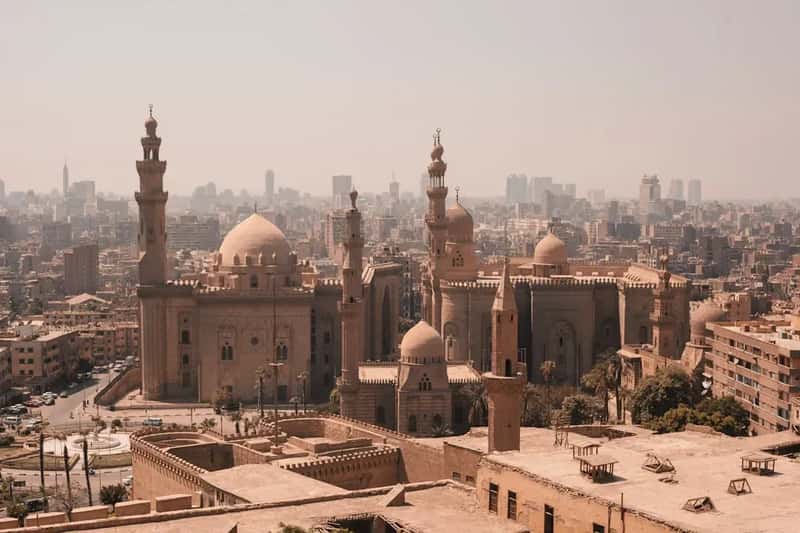
Egypt consistently ranks among the cheapest countries, with very low costs for local goods, food, and public transport compared to international standards. For housing specifically, Egypt’s combination of a devalued local currency and a large domestic housing stock has kept rental costs extraordinarily low in most cities outside of central Cairo and Alexandria’s premium districts. Egypt allows expats and residents to live comfortably with costs as low as $400–$600 monthly for all expenses combined. Within that budget, housing itself often accounts for only a fraction, with basic furnished apartments available for $150–$200 in secondary cities like Aswan, Luxor, and Mansoura.
Egypt appears on both LivingCost’s and Numbeo’s lists of the least expensive countries to live in, which reflects how consistently affordable it is across metrics. The country’s housing market is particularly attractive because some nations have a very low cost of living that can make them attractive destinations for expats, retirees, and others interested in reducing their expenses, and Egypt fits that description well. With a rich historical backdrop and a warm Mediterranean and desert climate, it offers genuine quality of life at a price point that few other countries in the world can match.