A smile feels like the most harmless gesture in the world. In much of the English-speaking world, it works as a kind of social shorthand, a small signal that says you mean no harm. Travel far enough, though, and that same expression can land very differently, sometimes read as odd, insincere, or even a little suspicious.
The reasons behind this have less to do with rudeness and more to do with history, climate, and how different societies decide when an emotion is worth showing in public. Here are five places where an easy grin at a stranger might get a puzzled look back instead of one in return.
1. Russia

Russia is probably the most cited example of this phenomenon, and for good reason. It is common for Russian people to perceive the smiles of Westerners as artificial and insincere.[1] There is even a well known saying that gets repeated by researchers and travel writers alike, one that essentially states that “Smiling with no reason is a sign of stupidity.”[2]
The roots of this run deeper than simple bluntness. The reason could stem from the difference of Russia’s history when compared to that of Western Europe, as well as in the specific restrictions in Russian Orthodox Christianity and the traditions of laughter in Russia.[1] Because of this, a smile to a stranger could be considered as a sign of special favour to the addressee or willingness to switch to a more personal relationship.[1] When it does happen, it tends to mean something rather than functioning as background politeness.
2. Japan
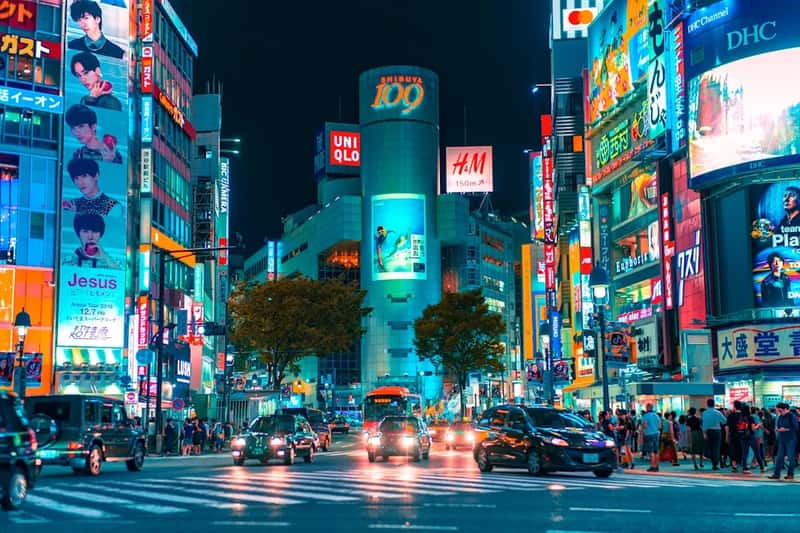
In Japan, smiling at someone you have never met is not exactly forbidden, but it can come across as strange or out of place. Smiling at strangers in Japan isn’t necessarily rude, but it can come off as awkward and unexpected, and a local on the receiving end of a quick smile might view it as disingenuous or flirtatious.[3] That reaction connects to a broader cultural habit of reading social situations before acting.
Part of this comes down to the concept of kuuki wo yomu, or reading the room. This stems partly from the concept of kuuki wo yomu (reading the room), in which respecting someone’s personal space is more important than making eye contact, so instead of a casual smile on the street, a polite nod or slight bow is usually the norm in Japan.[3] There is also a layered quality to Japanese facial expression more generally. Japanese culture is generally less openly expressive with emotions, and smiling is more nuanced than in many Western contexts, so smiles are still common, but they often carry layered meanings beyond simple happiness.[4]
3. Finland
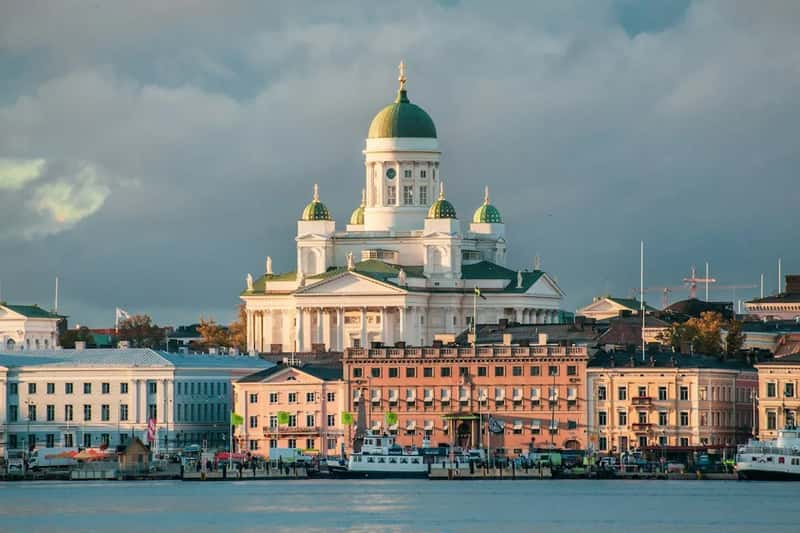
Finland regularly tops global happiness rankings, which makes its relationship with smiling feel almost paradoxical. They may live in the happiest country in the world, but you’re unlikely to see Finns going around smiling about it.[3] The disconnect between reported wellbeing and public expression is one of the more interesting quirks of Finnish social life.
For Finns, warmth is something built over time rather than performed on the spot. For many, smiling without reason can come across as insincere, and trust and warmth are fostered over time through real connections, not casual gestures, so a quick smile may be met with a baffled look, and it’s not uncommon for acquaintances in Finland to pass each other on the street without making contact.[3] A Finnish commenter on this exact topic put it plainly, noting that people there simply “don’t smile or say hi to strangers,”[5] adding that it’s mostly a matter of manners rather than coldness.
4. Germany
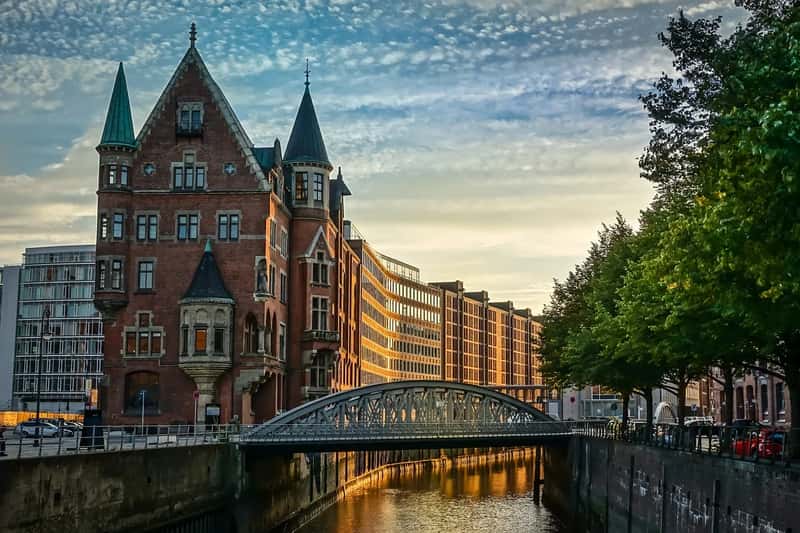
Germany often surprises visitors coming from more expressive cultures, since a friendly grin on the street does not always get matched. While there’s plenty to make you smile in Germany, locals aren’t likely to exchange pleasantries in return.[3] This is not personal, it is simply a different default setting for public interaction.
The underlying logic mirrors much of continental Europe’s approach to emotional display. Like locals in several other European cultures, Germans tend to smile when they genuinely feel happy.[3] A stranger’s smile without an obvious trigger, whether a shared joke or an actual reason to be pleased, can leave a German passerby wondering what exactly prompted it, which is a pretty reasonable reaction once you think about it from their side.
5. South Korea

South Korea sits in an interesting middle ground. Smiling is not avoided the way it might be in Russia, but it is carefully calibrated to the setting and relationship involved. In South Korea, smiling is generally appropriate among friends and family but more reserved in formal or unfamiliar settings.[4] A stranger on a subway platform is, by definition, an unfamiliar setting.
This reflects a wider East Asian pattern where facial expressions carry layered social information rather than a single obvious meaning. In several East Asian cultures, smiling carries a complex set of social meanings.[4] A casual smile aimed at someone you do not know can come across as confusing precisely because it lacks the context that would normally explain it, whether that is a shared history, a formal introduction, or simply enough familiarity to justify the gesture.
None of this means smiling is somehow wrong in these places, or that people there are unfriendly. It simply reflects different rules about when an expression counts as sincere versus when it starts to look performative or confusing. Understanding that difference tends to make travel a little smoother, and a little less awkward, the next time a smile does not get returned the way it would back home.