Nobody publishes a perfect league table of where travelers get sick. Illness rates depend on the season, the itinerary, how a trip is spent and who is counted. What the evidence does show is that some destinations come up again and again in travel medicine research. Travelers’ diarrhea is the most predictable travel-related illness, with attack rates from 30% to 70% of travelers over a 2-week period, depending on destination and season.[1]
The five countries below aren’t an official ranking. They’re places where CDC guidance, surveillance data or traveler studies point to an elevated risk, and each section ends with steps that make sense for that destination. Treat it as a planning aid, and not as a reason to cancel a trip.
India: Where Travel Style Changes Your Odds

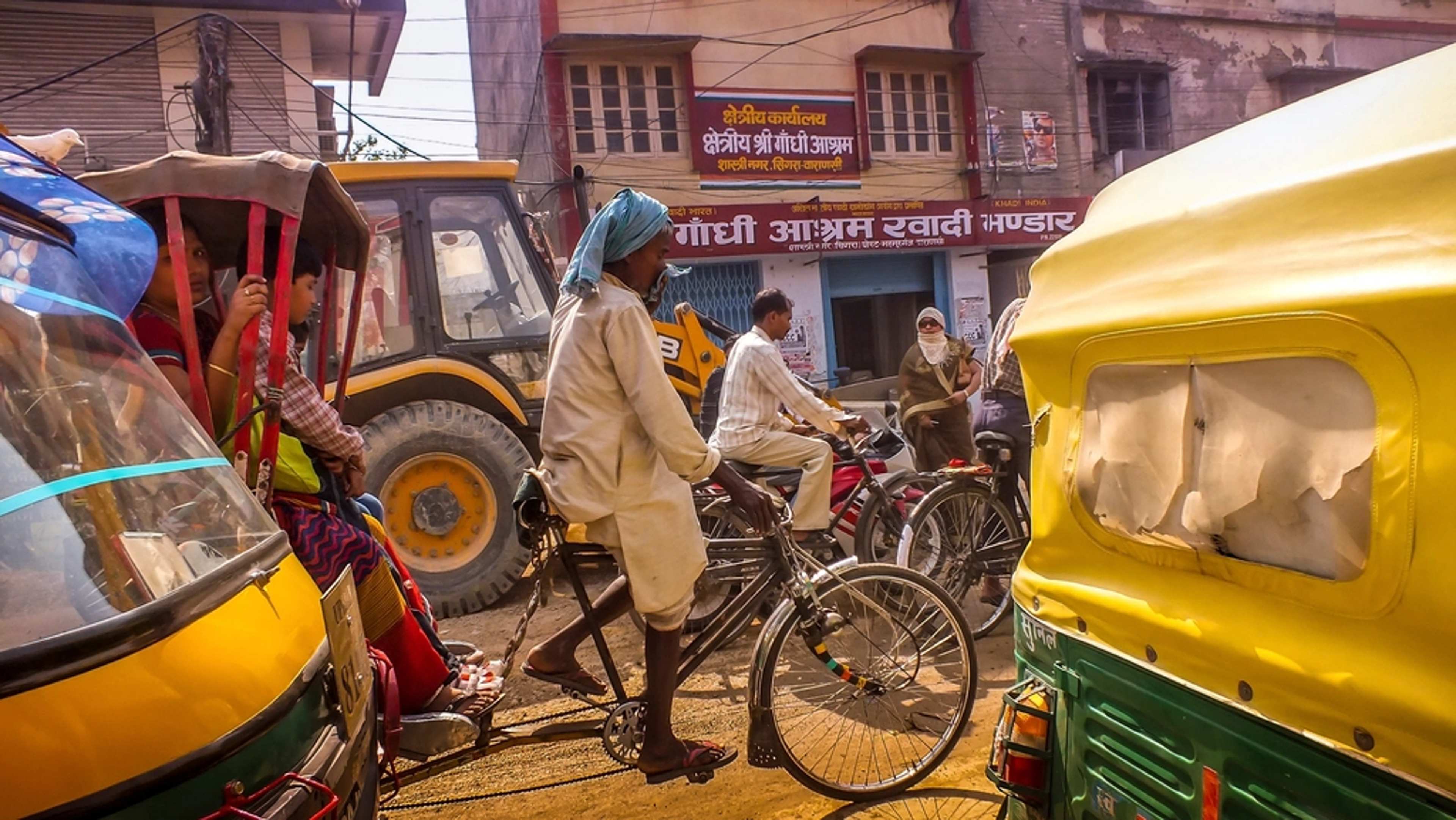
India is one of the most studied destinations for travel illness. A prospective cohort study found that attack rates for travelers’ diarrhea were higher in backpackers (62%) than in luxury or middle-class travelers (30%)[2]. That is roughly six in ten against three in ten, so how you travel matters almost as much as where. One review noted that India accounts for nearly 60% of typhoid among international tourists returning to the US.[3]
Season plays a part too. In South Asia, much higher attack rates are reported during the hot months before the monsoon.[1] Practical steps include choosing busy restaurants with freshly cooked food and drinking only sealed or treated water. Ask a travel clinic about typhoid and hepatitis A vaccines. Keep in mind that studies have found people who follow the classic food rules can still become ill[1], so pack oral rehydration salts as well.
Nepal: Trekking, Typhoid and Seasonal Swings

The CDC Yellow Book is blunt about Nepal. Travelers there are at high risk for enteric diseases[4], and typhoid and paratyphoid risk among visitors is among the highest in the world[4]. The risk of travelers’ diarrhea in the spring trekking season (March to May) is double that of the fall season (October to November).[4] Resident numbers show how intense exposure can be, since expatriates living in Kathmandu averaged 3.2 episodes of diarrhea per person in their first year[1].
Cyclospora is another concern, because its risk is highly geographic and seasonal, with Nepal among the best known locations[1]. Vaccination matters here: the Yellow Book calls hepatitis A and typhoid vaccines the two most important pretravel immunizations[4]. Trekkers should plan for self-treatment, because many visitors head to remote areas without available medical care[4]. Also note that extensive resistance to fluoroquinolone antibiotics has been documented among bacterial diarrhea pathogens in Nepal[4], so ask your clinician which antibiotic is appropriate.
Peru: Cyclospora, Altitude Itineraries and Street Food
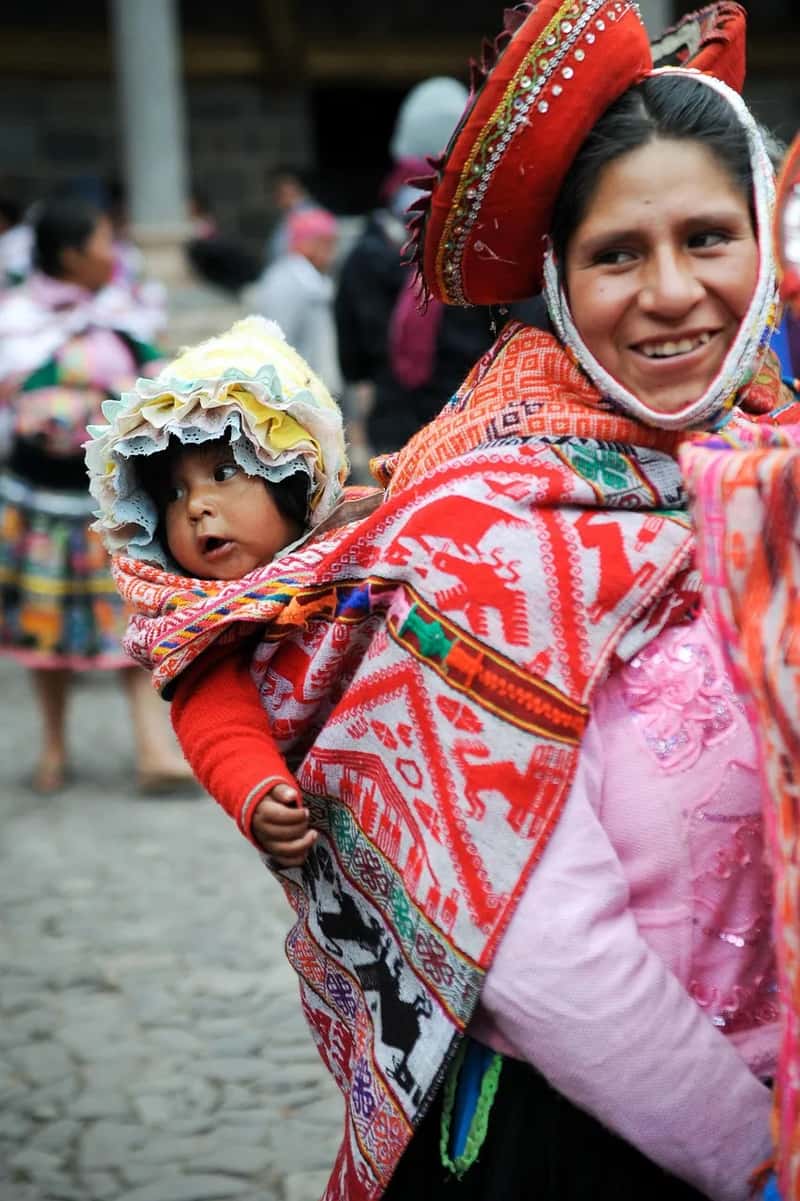
Peru draws huge numbers of visitors to Machu Picchu and the Amazon, and illness shows up in the data. In a CDC-hosted survey of travelers, those going to India, Tanzania, Peru and Thailand reported health problems more often than travelers to six other common destinations.[5] Peru is also listed among the best known locations for Cyclospora risk.[1] In a 2018 to 2023 study of US military and adult travelers, E. coli was the most common pathogen identified in Peru (67%)[6], though the Peru sample was small, only 15 people.
Wash or peel raw produce yourself, avoid ice of unknown origin and be cautious with salads, since these have likely been exposed to local tap water[7]. Because Cyclospora is seasonal, check current advice for your travel dates. Clinicians suggest packing oral rehydration solution, loperamide and an antibiotic such as azithromycin for higher-risk trips[7], but talk to a doctor about what suits you. Persistent symptoms deserve testing, because protozoal diarrhea can last weeks to months without treatment[1].
Mexico: Familiar Destination, Real Stomach Risk
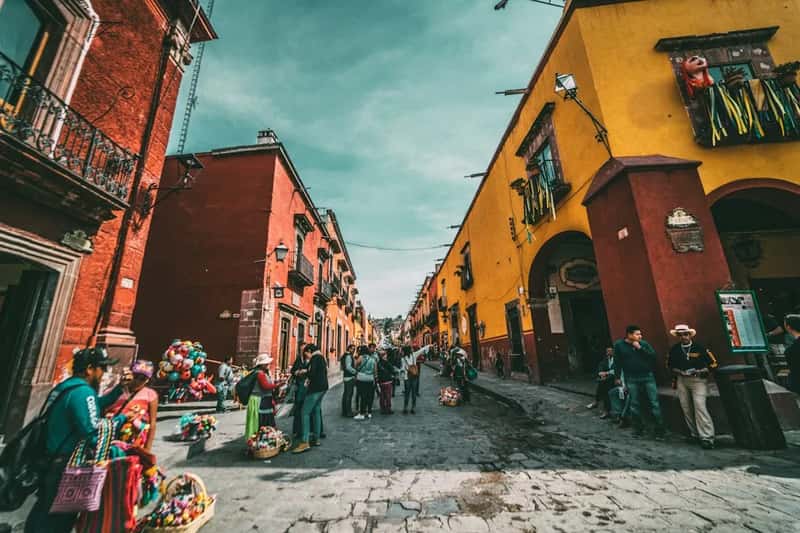
Mexico is easy to underestimate because it feels so familiar. It is the country most often visited by U.S. tourists.[8] The CDC notes that travelers’ diarrhea frequently affects visitors to Mexico and typically follows contaminated food or water[8]. Typhoid is endemic there, and vaccination is recommended, especially for visits to smaller cities or rural areas with poor sanitation.[8]
Earlier Yellow Book guidance reminds travelers that tap water in Mexico is not potable, and that unpasteurized dairy, raw meat or fish, leafy greens and raw vegetables are best avoided[9]. Some research also supports a medicine option: studies from Mexico found bismuth subsalicylate reduces the incidence of travelers’ diarrhea by roughly 50%[1]. If symptoms don’t improve with usual antibiotics, Giardia, other protozoa or viruses may be responsible[8], which is a good reason to see a doctor.
Tanzania: Safaris, Sub-Saharan Africa and Mosquito Season
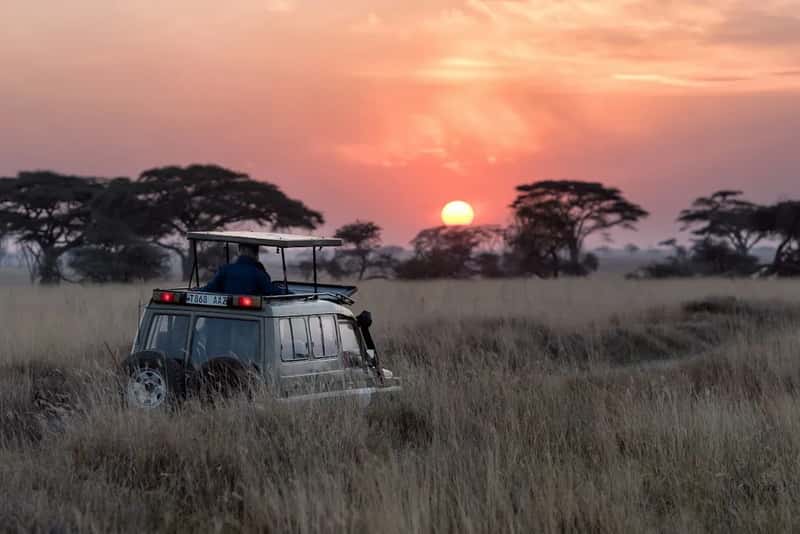
Tanzania’s safari and Zanzibar trade makes it a major destination, and it appears in travel health studies. The CDC-hosted survey mentioned above found that travelers to Tanzania, along with India, Peru and Thailand, reported health problems more often than travelers to six other common destinations[5]. The survey is limited, so it’s a signal and not proof. Broader surveillance agrees on the region, since sub-Saharan Africa (26%) was the most common destination among ill returned travelers in one 2000 to 2010 analysis[10]. That analysis covers many kinds of illness, including malaria.
Food and water precautions apply here as they do elsewhere, but Tanzania adds mosquito-borne risks. Malaria is the best known, so see a travel clinic well before departure about prevention and use repellent. The Yellow Book’s country-specific malaria and yellow fever pages are a good starting point for your appointment. Fever after returning home should always prompt a medical visit, because most common travel-associated infections have short incubation periods, so most acutely ill travelers seek care within a month of returning[11].
The pattern across all five is clear: the biggest risks come from food, water and sanitation, and that’s something you can plan around. Vaccines, careful eating, safe water, a small medical kit and a pre-trip clinic visit remove a lot of risk. For most travelers, the risks of prophylactic antibiotics, including side effects and resistant bacteria, outweigh the benefits[1], so don’t take them just in case.
Good preparation won’t make you immune, but it keeps a bad day from becoming a ruined trip. Book the clinic visit early, pack the rehydration salts, and enjoy the food.