

The number of people living outside their country of birth has steadily climbed, reaching somewhere between 300 and 304 million by mid-2024, representing roughly three and a half percent of the entire world population. That scale is hard to picture. It means that nearly one in every thirty people on Earth has made a home somewhere they were not born. Some of them chose adventure. Many followed work. Others chased a lower cost of living or simply a different kind of life.
The world does not welcome everyone equally, though. Some countries have built systems that practically invite you to unpack your bags and stay for decades. Others will employ you, take your taxes, and still make permanent belonging feel completely out of reach. The gap between those two realities is sharper than most people realize – and it shapes where hundreds of millions of people actually end up.
1. United States – The World’s Single Largest Destination

The United States continues to stand apart as the world’s most popular destination, hosting 52.4 million migrants, which is more than the next four destination countries combined. That figure alone tells you something about the gravitational pull this country still exerts on the rest of the world. From Silicon Valley engineers to Caribbean retirees, the sheer diversity of people arriving is staggering.
Other major recipients include Germany, Saudi Arabia, and the United Kingdom, underscoring how advanced economies and energy-rich states rely heavily on foreign-born workers to sustain growth, fill labor shortages, and offset aging populations. The U.S. specifically draws people through a combination of economic opportunity, world-class universities, and a comparatively accessible legal immigration framework that, while famously complicated, does offer genuine pathways to permanent residence and citizenship.
2. Germany – Europe’s Undisputed Immigration Hub

Since 2012, more than one million people have relocated to Germany annually, with the number exceeding two million in both 2015 and 2022. As of 2024, around 17.4 million people living in Germany, or roughly a fifth of the population, are first-generation immigrants, while the population with a migrant background in the wider sense stood at approximately 25.2 million. Those are numbers that reshape culture, cuisine, language, and politics all at once.
According to the United Nations, Germany is home to more immigrants than any country in the world other than the United States. This is partly due to Germany’s willingness to take in political refugees from countries such as Turkey and Afghanistan, but it is also due to Germany’s thriving economy and low unemployment rates. Countries with labor shortages, such as Germany, Canada, and Australia, actively recruit skilled foreign workers, and Germany’s job market has proved consistently attractive to professionals from across Asia, the Middle East, and Eastern Europe.
3. United Arab Emirates – Where Expats Are the Majority
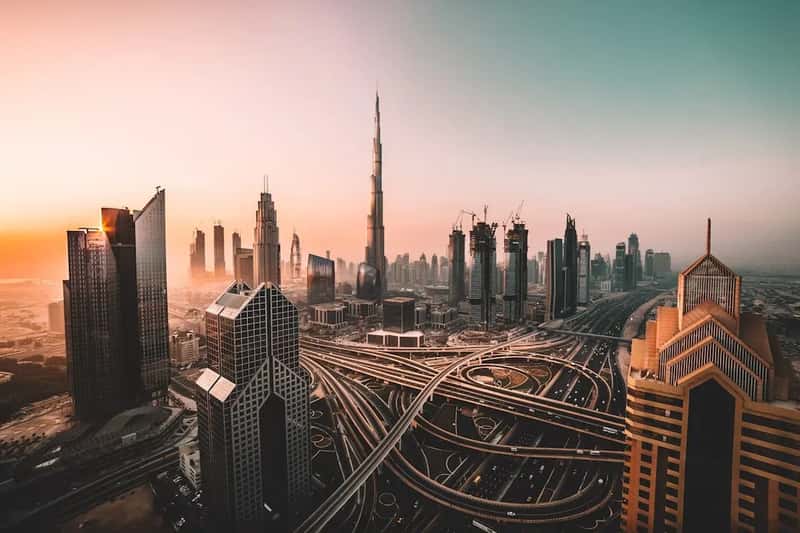
Here is a fact that still surprises people: the UAE is not a country primarily made up of its own citizens. Expatriates in the United Arab Emirates represent about 89 percent of the population, while Emiratis constitute roughly 11 percent of the total, making the UAE home to the world’s highest percentage of expatriates after Vatican City. The country is, in practical terms, built and run by people who came from somewhere else.
The UAE experienced a significant population increase in recent years as a result of major economic growth, which led to an influx of workers from diverse cultural and religious backgrounds, increasing the population from 4 million in 2004 to roughly 11.35 million in 2024. The UAE continues to attract expats with zero income tax and high salaries, which remain among the most powerful magnets in global labor migration. Dubai in particular has evolved into one of the most cosmopolitan cities on the planet.
4. United Kingdom – A Long-Standing Global Crossroads
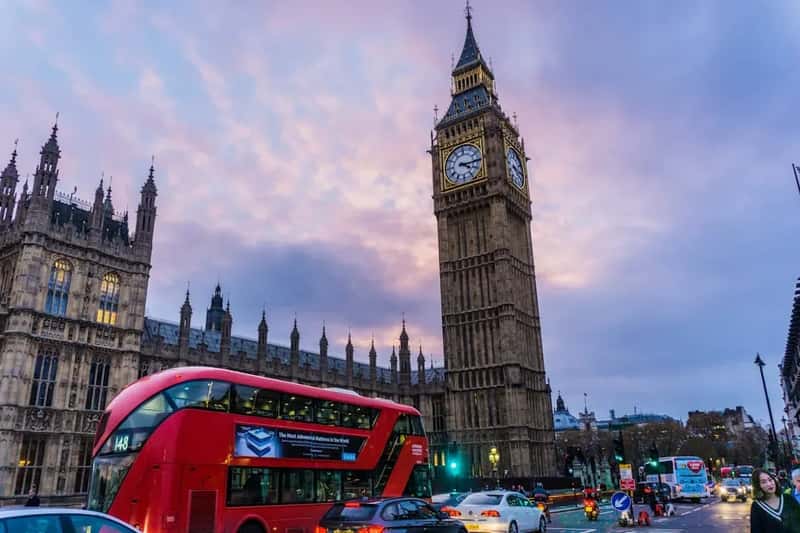
According to the United Nations, in 2024 the United States, Germany, Saudi Arabia, France, and the United Kingdom had the largest numbers of immigrants of any country. The UK’s position on this list is deeply rooted in history – centuries of empire, trade networks, and cultural export created ties that still draw people from South Asia, West Africa, the Caribbean, and beyond. London alone is home to speakers of well over 300 languages.
In 2024, the United Kingdom hosted approximately 243,570 American expats, while Germany reached 152,501. Several European countries have experienced substantial growth in their American expat populations over the past decade. The UK draws expats from every direction simultaneously, functioning both as a gateway to Europe and as a destination in its own right, with well-established expat communities in London, Edinburgh, Manchester, and beyond.
5. Mexico – The World’s Top Choice for Quality of Life
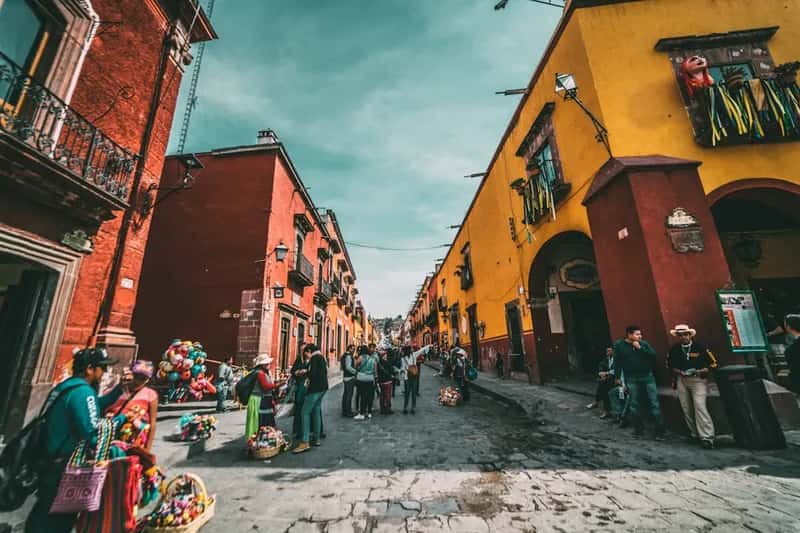
Mexico continues to host the world’s largest population of American expats by a wide margin. In 2024, approximately 823,502 Americans lived in Mexico, representing nearly 26 percent of all U.S. expats in the dataset. Mexico has become especially popular among retirees, remote workers, and Americans seeking lower living costs, while Canada continues to attract professionals, dual citizens, and families with cross-border connections.
Mexico is the number one expat destination for happiness, with nine out of ten expats satisfied with their quality of life. The combination of warm weather, affordable living, excellent food culture, and relatively straightforward residency options creates something genuinely hard to replicate. Mexico does not offer a digital nomad visa, but those considering a permanent move can look into a Temporary Resident Visa, which allows you to remain in the country for up to four years, while retirees can apply for a Permanent Resident Visa.
1. Qatar – 25 Years and Still No Guarantee
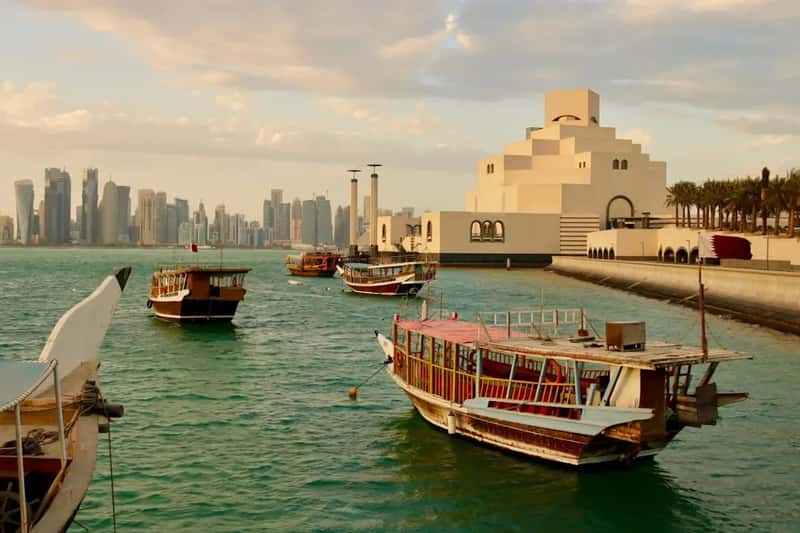
Qatar ranks as the world’s most difficult country for obtaining citizenship, requiring 25 consecutive years of legal residence before applying. Applicants must demonstrate legitimate income sources, maintain good conduct with no criminal convictions, and many sources indicate conversion to Islam is expected. Renouncing previous nationality becomes mandatory upon approval.
Only about 100 permanent residency permits are issued annually from Qatar’s Ministry of Interior. In a country that hosts hundreds of thousands of foreign workers who literally built its infrastructure, stadiums, and skyline, that number is almost incomprehensibly small. You can spend a working lifetime there and still be sent home without a second thought.
2. Kuwait – Citizenship You Can Actually Lose
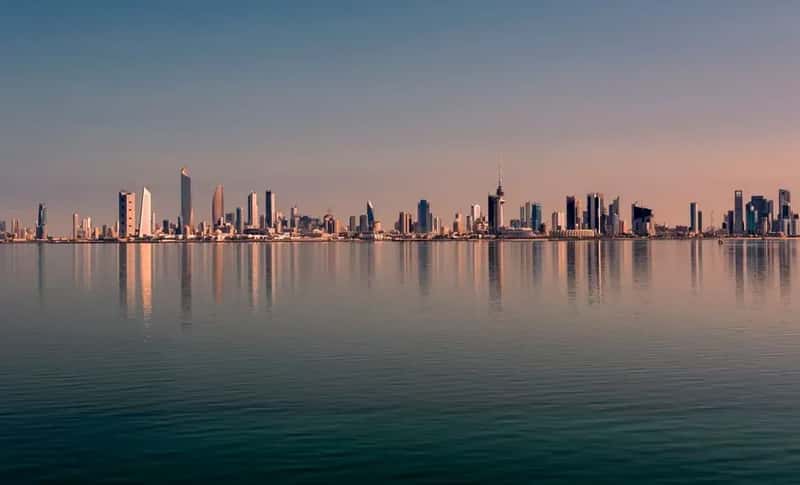
Kuwait tightened its rules further through December 2024 amendments, which eliminated the marriage pathway for foreign women and ended automatic eligibility for wives of naturalized citizens. Most dramatically, Kuwait revoked over 42,000 citizenships between 2024 and 2025 in a massive denaturalization campaign reversing earlier political naturalizations from the 1980s.
The standard requirements remain daunting: 20 years for non-Arabs versus 15 years for Arab nationals, with mandatory Arabic proficiency and Islamic faith. Uniquely, naturalized citizens cannot vote for 30 years after obtaining citizenship, and apostasy from Islam results in automatic citizenship loss. Kuwait is not just hard to get into permanently. It is a place where citizenship, once granted, still comes with conditions that never expire.
3. Saudi Arabia – Faith, Language, and Full Surrender of Your Old Passport
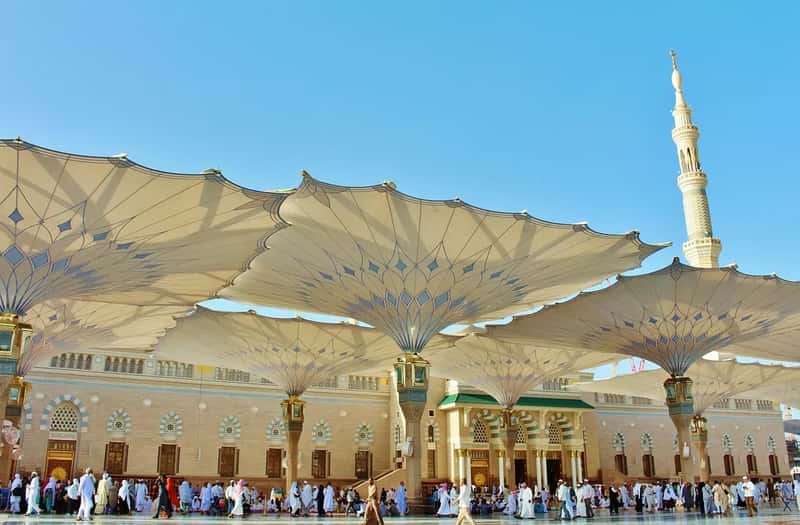
Saudi Arabia is considered one of the toughest countries in the world to obtain citizenship. The country does not allow dual citizenship and requires all citizens to be Muslim. In addition, Saudi Arabia has strict requirements for foreigners who wish to become citizens, including a minimum age of 21 and a residency requirement.
Saudi Arabia mandates at least 10 years of continuous residence, Arabic language proficiency, and impeccable character references before citizenship consideration. Applicants must renounce their previous nationality, and the Ministry of Interior maintains absolute discretion over approval decisions. The kafala sponsorship system, which ties workers to specific employers, has historically made even basic mobility within the country difficult for foreign nationals.
4. Japan – Welcoming Visitors, Reluctant Settlers

Japan’s foreign resident population reached historic highs in 2024 and 2025, approaching four million residents nationwide, but this growth has prompted policymakers to emphasize orderly coexistence, social integration, and sustainability rather than unrestricted expansion. More people are arriving, yet the door to permanent belonging remains only slightly ajar.
Japan’s naturalization system, while more transparent than other Asian nations, maintains significant cultural barriers. The general requirement of five years of continuous residence extends to ten or more years for many applicants, with Japanese language proficiency equivalent to elementary school level required. Despite these requirements, Japan naturalized only 8,800 people in 2023 from 9,836 applications, with most being ethnic Koreans with multi-generational residence. Dual citizenship remains prohibited with mandatory renunciation.
5. China – The World’s Most Exclusive Naturalization Club

Becoming a naturalized citizen is very difficult in China, to the point that according to China’s 2020 census, only 941 people out of more than a billion were naturalized citizens. The Nationality Law enables foreign-born individuals to become naturalized citizens if they have relatives who are Chinese citizens, if they live permanently in China, or if they have some other legitimate reason.
China does not permit dual citizenship and grants naturalization only in extremely limited circumstances, usually to those of Chinese descent, spouses of Chinese citizens, or individuals working in strategic sectors. Applicants must first secure permanent residence, which is itself difficult. The naturalization process is slow, opaque, and approvals are rare. Expats working in China often describe a life of perpetual renewal – cycling through visas and work permits indefinitely, with no real horizon in sight.
6. Switzerland – Beautiful, Expensive, and Bureaucratically Unforgiving

Switzerland is known for its mountainous landscapes and picturesque villages, as well as its stringent immigration policies. Citizenship in Switzerland is difficult to obtain, and the process can be lengthy and expensive. For citizens of EU and EEA countries, moving to Switzerland is relatively manageable, but it is quite difficult for anyone else. To get a long-term visa, you must be either highly qualified or have enough money. Even then, even if you obtain a permanent residence permit, you must wait ten years before applying for citizenship.
High-cost destinations like Switzerland and Hong Kong see more short-term expats due to expensive living costs. The financial bar to maintain Swiss residency is high, and citizenship applications are evaluated partly at the local cantonal level, meaning a neighbor’s opinion can carry genuine weight in your application. It is one of the few wealthy democracies where assimilation is not just encouraged but formally assessed.
7. Liechtenstein – The Smallest Odds in Europe

Liechtenstein follows the strictest immigration rules partly because it is a small country that could easily be overpopulated. Moving and obtaining a residence permit there is one of the most difficult immigration processes in Europe. Residence permits are issued only by lottery, which means a strictly limited number of available permits.
Most foreigners can apply for citizenship only after 30 years of residency, with time spent in the country before the age of 20 counting double. Alternatively, foreigners can avoid the 30-year rule if their residential community votes to accept them as citizens, though the popular vote route is rarely successful. Final approval requires the Liechtenstein Parliament’s consent and the Prince’s personal granting of citizenship. In a country of roughly 40,000 people, that process is as personal as it is political – and almost never goes in the foreigner’s favor.
The contrast between these two lists says something important about how the world actually works. The countries most eager to attract people are often the ones growing fastest, facing labor shortages, or simply confident enough in their national identity to welcome change. The ones drawing the highest walls tend to be protecting something specific: resource wealth, cultural homogeneity, or the value of citizenship itself as a scarce commodity. The years 2024 and 2025 brought significant changes to residency and citizenship programs, and the gap between the open and the closed is likely to keep widening. Choosing where to build a life abroad has never required more careful research.