Anyone who has stepped off a ten-hour flight knows the feeling: puffy face, foggy head, and a stomach that seems to have forgotten what mealtime even means. Most people blame the time zone shift, but a lot of that grogginess actually starts with what you ate and drank in the air. The cabin environment itself works against you, and food choices can either soften the blow or make the whole ordeal worse.
Airplane cabins sit at a pressure equivalent to roughly six to eight thousand feet above sea level, and the air inside is famously dry. That combination quietly drains moisture from your body long before you notice you’re thirsty, which is exactly why the right snacks matter more on a long-haul flight than they do on an ordinary afternoon.
1. Watermelon and other melons
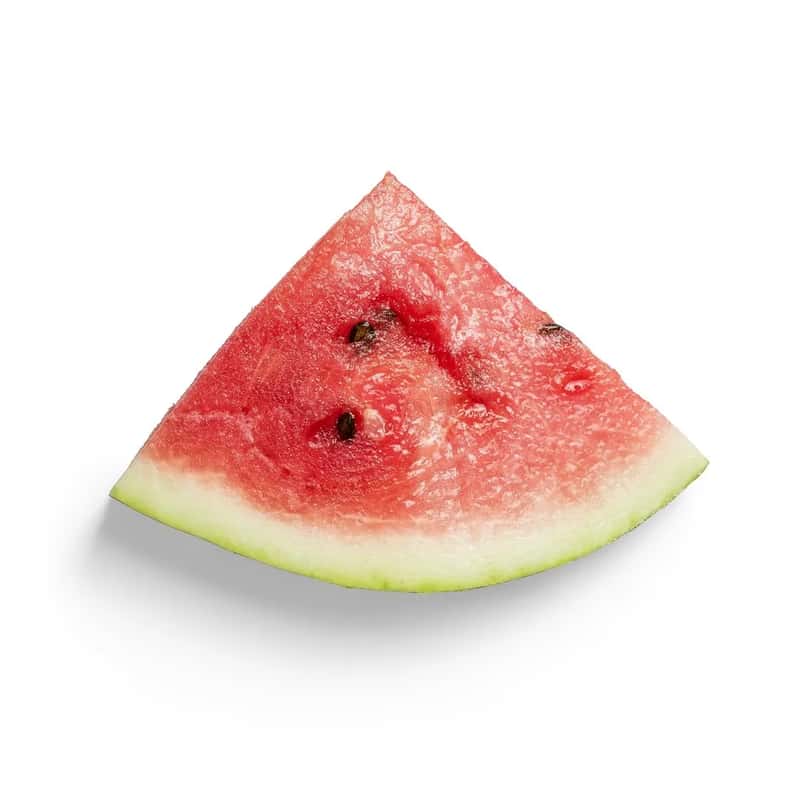
Watermelon shows up on nearly every travel nutritionist’s list for good reason. It is almost entirely water, which matters a great deal in a cabin where commercial aircraft cabins typically have humidity levels between 10 to 20 percent, far lower than most desert environments, and this dry air increases fluid loss through breathing and skin[1]. Registered dietitian Kara Lydon has pointed out that a big contributor to jet lag is dehydration from the warm cabin temperature and low humidity on long flights, and the best way to combat it is to opt for foods with high water content like watermelon, strawberries, cucumber, and celery[2].
Beyond hydration, watermelon brings a bit of extra help. It contains magnesium and potassium, which support nerve function and help regulate your heartbeat, and its natural sugars provide quick energy without the crash of processed sweets[3]. Cantaloupe and honeydew work in a similar way, and all three travel reasonably well in a sealed container if you cut them up before heading to the airport.
2. Bananas
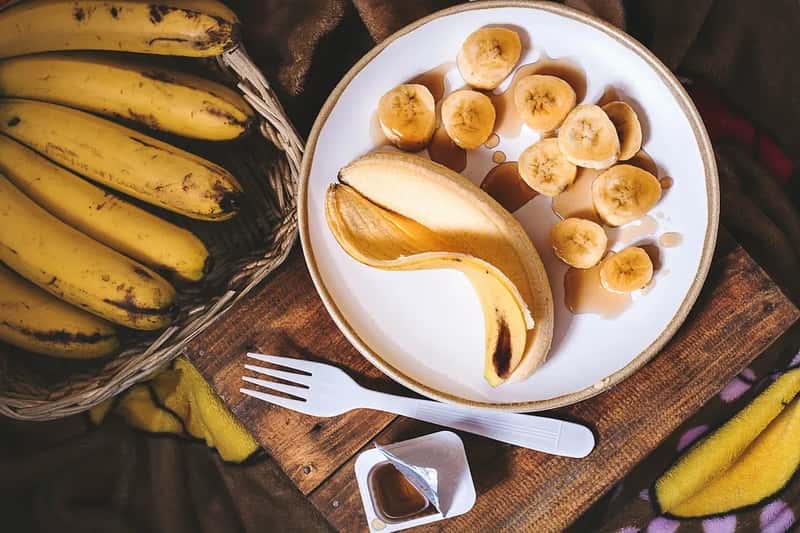
Bananas are the classic travel snack for a reason beyond convenience. They are dense in potassium, an electrolyte that plays a direct role in fluid balance, and easy to digest and packed with potassium, bananas help regulate blood pressure and hydration levels while also helping prevent muscle cramps caused by prolonged sitting[4]. That last point is worth remembering on a flight where you might be wedged into an economy seat for eight or nine hours straight.
There is also a sleep angle here that’s easy to overlook. Bananas contain magnesium and potassium, electrolytes that help your body retain water when you rehydrate, and they promote a healthy night’s sleep[5]. Pair one with a small handful of nuts and you get a snack that hits hydration, energy, and rest support all at once.
3. Cucumber and celery
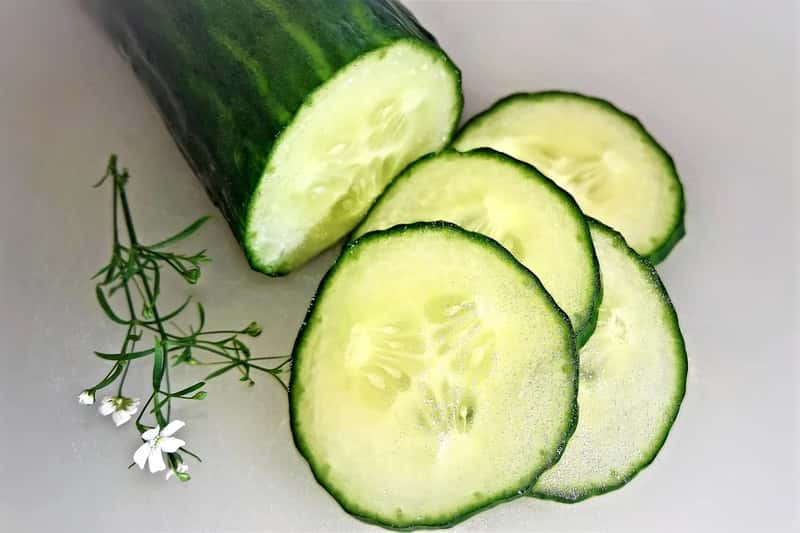
These two vegetables rarely get much attention outside of a salad bar, but they deserve a spot in your carry-on bag. Cucumbers are famously high in water content, and their crunch makes them a satisfying alternative to salty pretzels. Cucumbers are 95 percent water, making them one of the best choices for internal hydration, and beyond water content they contain silica and antioxidants that reduce puffiness and support skin health after long-haul flights[3].
Celery brings a similar benefit and pairs naturally with a protein-rich dip. Nutritionists have specifically recommended combinations like celery or cucumber with hummus, strawberries with yogurt, and watermelon with trail mix[2] as snack pairings that give a hydration and electrolyte boost. The fiber in both vegetables also helps keep digestion moving, which tends to slow down during long stretches of sitting still.
4. Kiwi
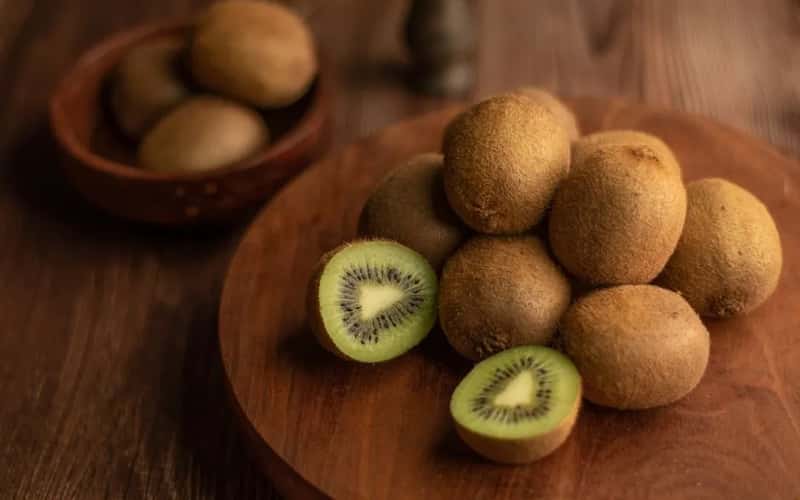
Kiwi is a smaller, less obvious choice, but it has some genuine science behind it when it comes to sleep. A 2011 study published in the Asia Pacific Journal of Clinical Nutrition found that eating one kiwi per day can help you regulate your sleep by increasing your total sleep time and sleep efficiency[5]. That matters enormously on a flight where getting even a few hours of decent rest can make the difference between landing functional and landing exhausted.
Part of the reason seems tied to its natural chemistry. Kiwi is rich in serotonin, which helps improve sleep quality and regulate circadian rhythms, and it also contains vitamin C and potassium that boost immunity and cellular function after travel[3]. It’s small enough to pack a few in a side pocket, and unlike some fruit, it holds up fine without refrigeration for the length of most flights.
5. Nuts and seeds
A small bag of unsalted or lightly salted nuts is one of the more practical snacks you can bring on board, mostly because it solves two problems at once: hunger and mineral loss. Replenishing electrolytes with foods high in potassium and magnesium, like bananas, nuts, and whole grains, can help with dehydration as well[2], according to dietitian Kara Lydon. Magnesium in particular tends to get overlooked, even though it plays a role in muscle relaxation and sleep regulation.
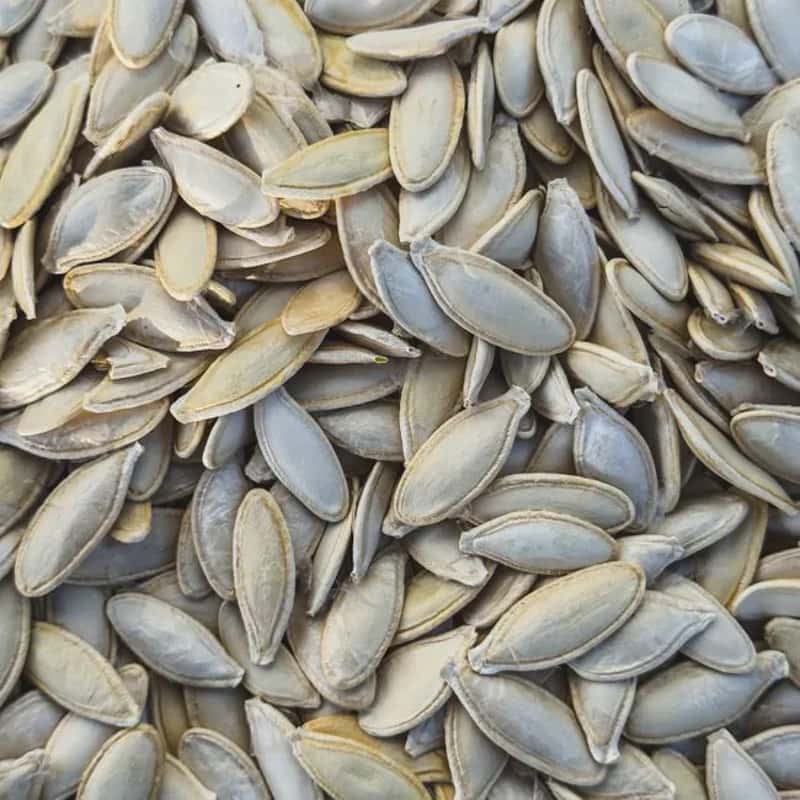
Pumpkin seeds and roasted pepitas show up on several travel nutrition lists for the same reason. Seasoned travelers often reach for whole-grain baked goods like muffins and oat bars, plus filling, high-protein snacks like cheese and roasted pepitas or pumpkin seeds[2]. The trick is sticking to the unsalted versions, since heavily salted trail mix can undo the hydration benefit you’re trying to get.
On the other side of the ledger are three categories of food and drink that tend to make the whole jet lag experience noticeably worse. These aren’t obscure ingredients either. They’re the exact things most people reach for out of habit at the airport or during the flight itself, which is precisely why they’re worth flagging.
1. Salty packaged snacks and airline meals
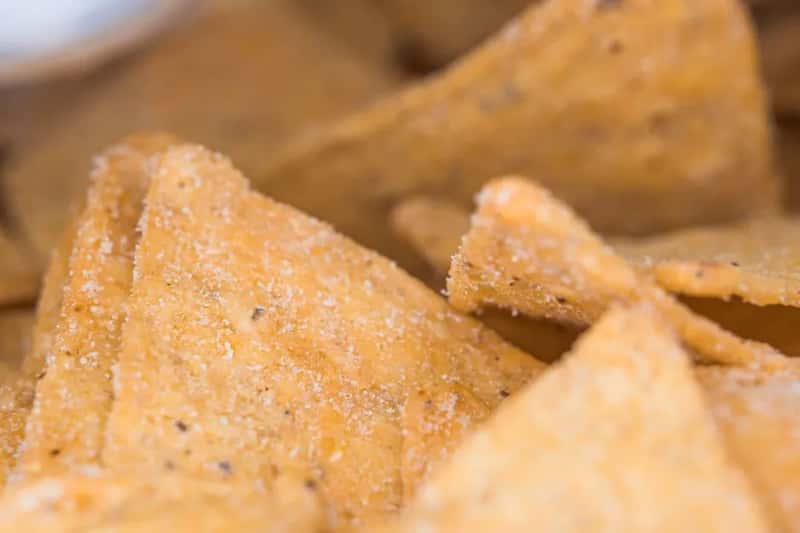
Sodium is the quiet villain of long-haul travel. Airline meals and prepackaged snacks tend to run high in salt, partly because salt survives reheating and freezing better than most seasonings, but the cost is real. As Lydon put it directly, foods that are especially salty can worsen dehydration, so consider packing sandwiches and snacks from home and passing on the meals served on the flight[2].
The mechanism is straightforward. Sodium pulls water toward itself in the body, and in a cabin already stripping moisture from you through dry air and low humidity, that pull becomes a real deficit rather than a minor inconvenience. A salty pretzel bag or a heavily seasoned pasta dish might taste fine in the moment, but it adds to a dehydration problem that’s already working against you at thirty-five thousand feet.
2. Alcohol
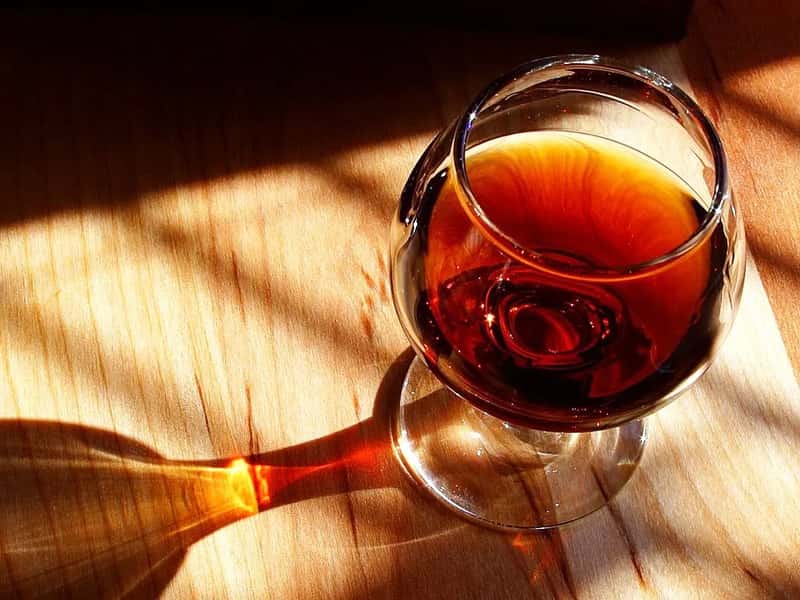
http://pdphoto.org/PictureDetail.php?oldpg=2479, Public domain)
A glass of wine to unwind before a long flight sounds relaxing, and it might even help you doze off faster. The trade-off, though, is significant. Caffeine and alcohol further worsen dehydration, with coffee often used to stay alert at the airport and alcohol used to relax during flights, and both increase fluid loss and interfere with hydration if not balanced properly[1].
Alcohol is also a diuretic, meaning it increases urine output at a time when your body is already losing water faster than usual through breathing and skin evaporation. Combine that with the lower oxygen pressure in the cabin, which already increases breathing rate and fluid loss on its own, and a drink or two can leave you far more depleted on arrival than the same amount would at sea level. Sleep quality tends to suffer too, since alcohol disrupts the deeper stages of rest that actually help reset your body clock.
3. Caffeinated coffee and energy drinks
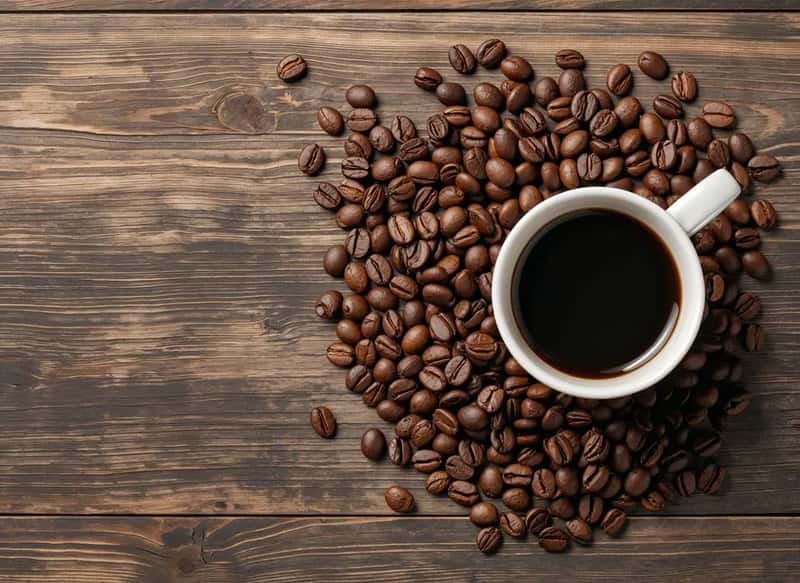
Caffeine feels like the obvious fix for exhaustion on a long flight, but timing matters enormously here. A coffee at the airport or an energy drink mid-flight can interfere with your ability to sleep once you’re airborne, and disrupted in-flight sleep is one of the biggest contributors to feeling wrecked after landing. Disrupted sleep, stress, caffeine, alcohol, and reduced movement combine to make dehydration almost unavoidable on long-haul flights, which is why people often land feeling exhausted, foggy, bloated, or headachy, symptoms frequently blamed on jet lag when dehydration plays a much larger role than most travelers realize[1].
There’s also a hydration cost specific to caffeine itself, layered on top of the cabin’s already dry air. If you genuinely need caffeine to function, the better strategy is timing it early in the flight rather than close to when you’re hoping to sleep, and matching each cup with extra water to offset the diuretic effect.
None of this means airplane food has to be miserable or that a single glass of wine will ruin a trip. It simply means that a bit of planning, a few pieces of fruit, a small bag of nuts, and a refillable water bottle can shift how you feel when the wheels finally touch down. Small choices made at thirty-five thousand feet tend to matter more than most travelers expect.