There is something about pulling off a highway exit and spotting a diner sign that still glows the way it did fifty years ago. For middle-class families cruising the interstates in station wagons, dinner was rarely fancy, but it was always filling, familiar, and made with whatever was on hand. These five dishes defined that era of American eating, and remarkably, you can still order most of them at roadside diners, truck stops, and old-school cafes scattered across the country today.
What makes these meals worth revisiting isn’t nostalgia alone. Each one tells a story about postwar convenience, thrifty home cooking, and a generation of parents trying to stretch a grocery budget while still putting something satisfying on the table. Here are five classics that have quietly survived the decades.
1. Meatloaf with a Sweet Ketchup Glaze
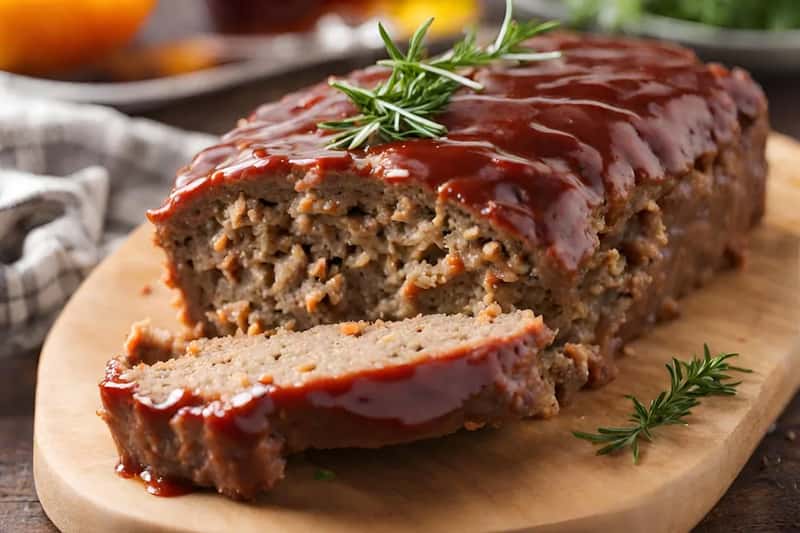
Few dishes capture the spirit of a 1960s dinner table quite like meatloaf. By the 1950s, meatloaf became a symbol of Americana and a key feature of a doting happy housewife, with brands like Betty Crocker selling convenience foods meant to deliver effortless, reliable dinners.[1] The dish leaned on ground beef, breadcrumbs, and onions, stretched further with pantry staples that busy households already had on hand.
Families loved it because it required little effort but delivered a lot of comfort. It was inexpensive, easy to prepare, and could be assembled ahead of time before baking, while busy homemakers appreciated that it required only one mixing bowl and one baking pan.[2] That same glazed, oven-baked loaf still shows up on diner blue plate specials from coast to coast, often served exactly the way it was in 1965, next to mashed potatoes and a scoop of green beans.
2. Salisbury Steak Smothered in Gravy
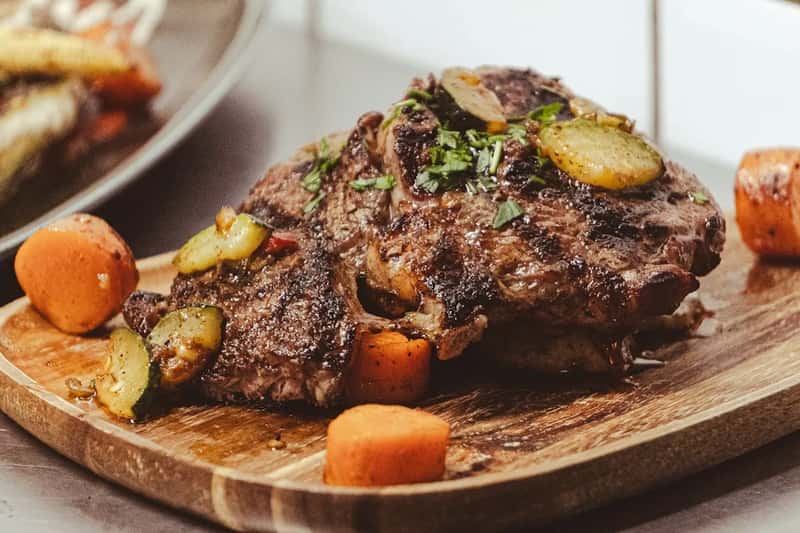
Salisbury steak occupied a strange but beloved spot on midcentury menus. Named after a 19th-century physician, the dish exploded in popularity once frozen food technology caught up with American convenience culture. Swanson launched the TV dinner concept in 1954, selling frozen turkey in a compartmented aluminum tray that sold ten million units in its first year, with early choices centered around turkey, fried chicken, meatloaf, or Salisbury steak.[3]
For diners specifically, the appeal was practical rather than sentimental. Salisbury steak occupied a sweet spot on the diner menu for decades, heartier than a hamburger but cheaper than a real steak, tracing its name to Dr. James Salisbury, a 19th-century physician who championed minced beef as a health food, fitting the diner ethos of filling, inexpensive, and satisfying food during the 1940s through the 1960s.[4] You will still find it, mushroom gravy and all, on the menus of old-fashioned truck stops and family-style restaurants that never bothered updating their comfort food lineup.
3. Chicken Pot Pie
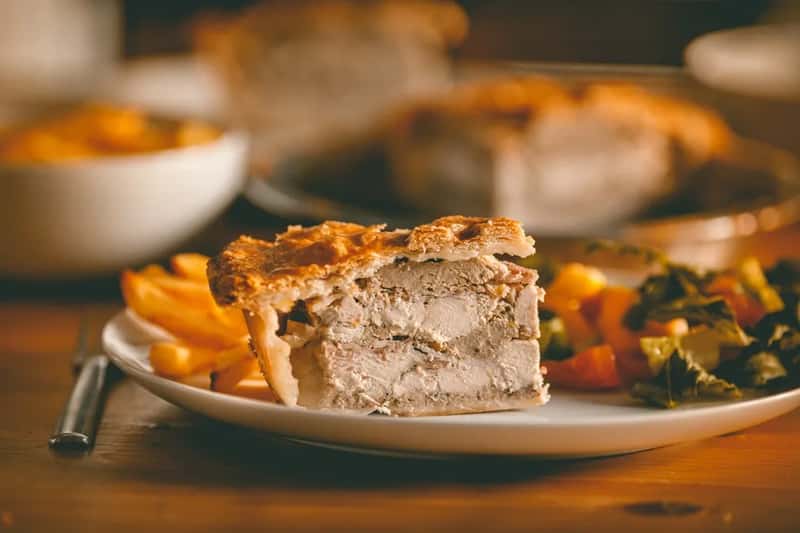
Chicken pot pie carried a certain warmth that made it a fixture at both home dinner tables and sit-down restaurants during the 1960s. It combined humble ingredients, chicken, root vegetables, a simple cream sauce, and pastry, into something that felt like a small celebration even on an ordinary Tuesday. Restaurant menus from that decade prove just how central it was to the American dining scene, appearing right alongside pricier steak dishes at established eateries.
Its staying power is genuinely impressive. Historic restaurant menus reveal that chicken pot pie was popular in 1963 and remains popular now, decades later, at roughly twice the original price.[5] Diners along old highway routes and small-town cafes still bake individual pot pies with flaky crusts, giving road trippers a taste of exactly what a 1960s family might have ordered on a Sunday drive.
4. Cold Fried Chicken for the Road
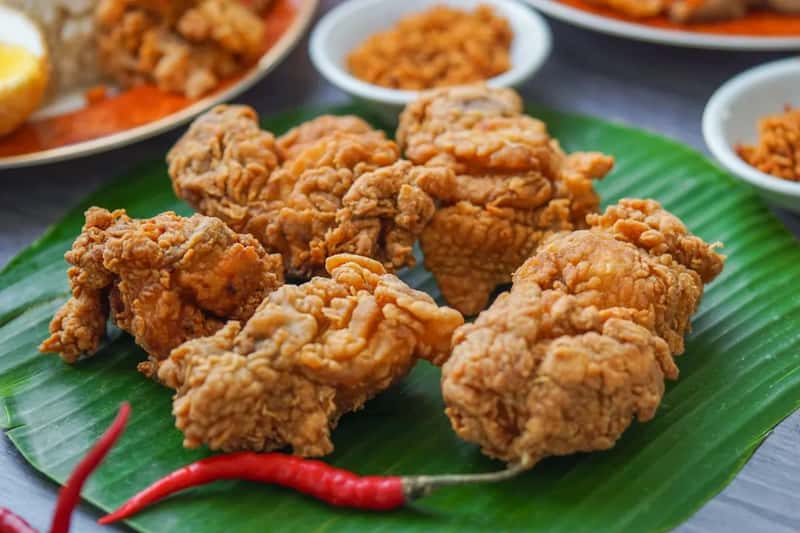
Before fast food chains lined every exit ramp, fried chicken was the ultimate road trip meal, and it wasn’t eaten hot. Families understood that a well-fried chicken, cooked the day before and packed carefully, actually traveled better than almost anything else. Cold fried chicken was a stickler for vintage road trippers, not just leftovers but a culinary strategy, since frying it the day before let the seasoned coating retain its crunch while the meat stayed juicy even cold.[6]
This wasn’t a casual choice either. Road trips in the 1960s and 70s were a cherished and affordable way for middle-class American families to explore, and since fast food chains hadn’t yet taken over the highways, homemade practical meals held center stage during those roadside picnics.[6] Today, plenty of diners, gas station delis, and Southern-style roadside kitchens still sell fried chicken meant to be eaten on the move, a direct descendant of that cooler-packed family tradition.
5. Tuna Noodle Casserole
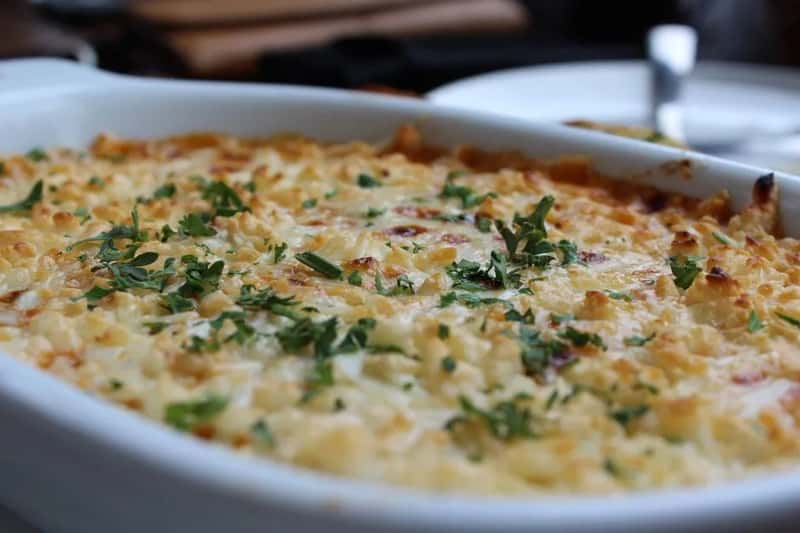
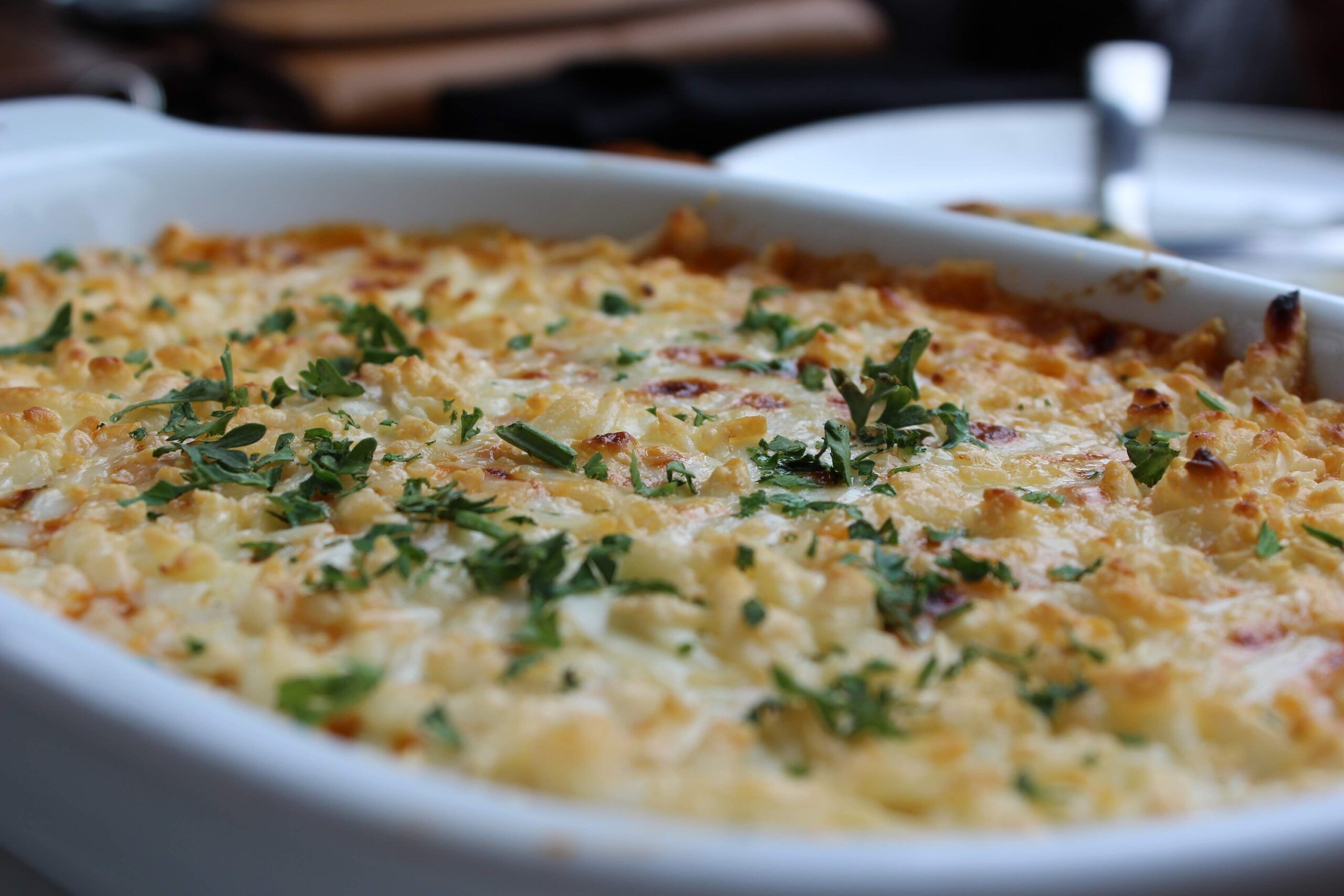
Casseroles ruled 1960s kitchens, and tuna noodle casserole was arguably the king of the category. It required almost no culinary skill, relied on canned goods that every pantry stocked, and fed a family of four or five without much fuss. Tuna casserole was a comforting staple in many households during the 1960s, easy to prepare and packed with flavor, with a creamy base combined with tender noodles and chunks of tuna, often topped with crunchy breadcrumbs for a delightful contrast in textures.[7]
It wasn’t glamorous, but it didn’t need to be. Families cherished the simplicity and how it brought everyone together at the dinner table.[7] Old-school diners and small-town cafeterias that still serve daily “homestyle” specials often rotate a version of this casserole into the weekly lineup, usually on the same day families used to make it at home decades ago.
None of these five dishes required exotic ingredients or complicated techniques, and that’s exactly the point. They were built for real families working real budgets, trying to get a hot, satisfying meal on the table after a long day or a long drive. The fact that meatloaf, Salisbury steak, chicken pot pie, cold fried chicken, and tuna casserole still turn up on diner menus and roadside counters says something about how well these recipes were designed in the first place. Comfort food, it turns out, rarely goes out of style. It just waits patiently along the highway for someone to pull over and order it again.