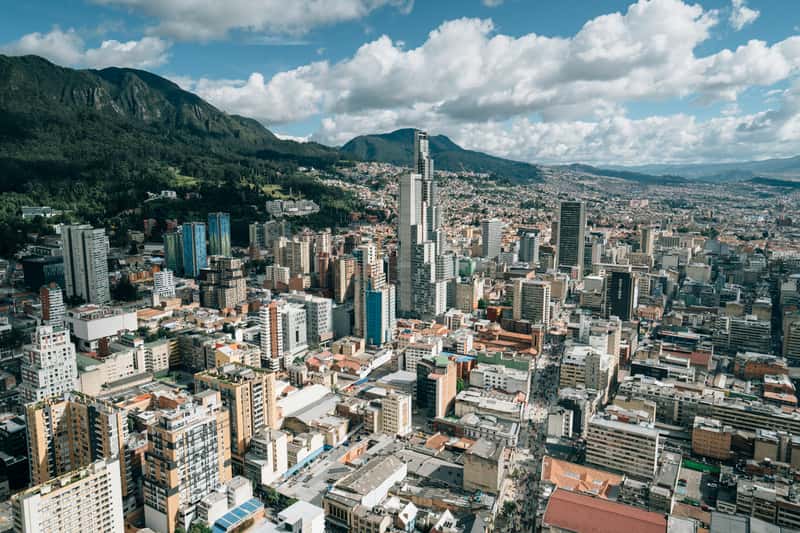
Travel numbers keep climbing worldwide, and so, in a handful of well-known spots, does the risk of becoming a target. It’s not the far-flung conflict zones making headlines this year so much as the beach towns, nightlife districts, and city centers that millions of ordinary vacationers already have on their bucket lists. Below are five destinations where official data, government advisories, and local reporting all point in the same direction: crime aimed at visitors is trending up, not down.
1. Barcelona, Spain

Barcelona has long dealt with pickpockets, but the numbers from the past couple of years suggest the problem has outgrown its old reputation as a minor nuisance. Barcelona has seen a dramatic surge in tourist-targeted theft, with the city’s police reporting a 25% increase in pickpocketing incidents during the first half of 2024 compared to the previous year, according to data from the Mossos d’Esquadra. That’s not a small blip. It’s a quarter more victims in just one year, in a city that was already known for the problem.
The scale becomes clearer when you look at regional comparisons. According to the 2024 Tourist Crime Index, the Balearics recorded over 5,000 crimes per 100,000 residents, while Barcelona and Girona also scored above 4,500. Even amid targeted improvements, theft still accounts for about 6 in 10 crimes in the city, with a large share occurring on streets and public transport, according to the Catalan Interior Ministry in 2024. Police have added plainclothes units and increased patrols in tourist zones, but as one report noted, the perception among visitors that Barcelona carries higher-than-average theft risk has remained stubbornly persistent.
2. Rio de Janeiro, Brazil
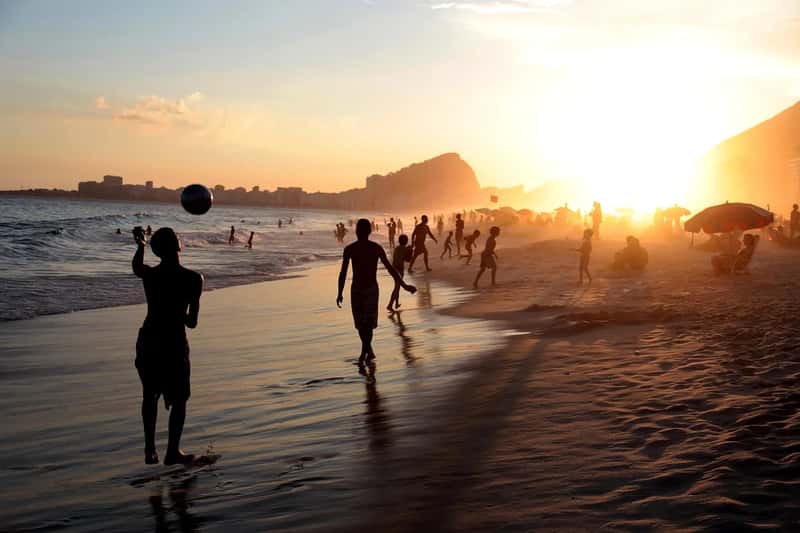
Rio’s beaches are postcard material, but the crime affecting them has become harder to ignore. Rio de Janeiro’s stunning beaches have become increasingly dangerous for tourists, with violent crime rates in popular areas like Copacabana and Ipanema reaching levels that have prompted multiple travel warnings. These aren’t isolated pickpocketing incidents either. Organized groups have made beachfront robbery something close to routine during peak season.
Local reporting backs this up with hard numbers. Brazilian news outlet O Globo reported in December 2024 that armed robberies on Copacabana Beach increased by 40% during the peak tourist season compared to the previous year, with thieves often working in organized groups called “arrastões” that sweep through beach areas targeting visitors. The response has been dramatic in its own right. The situation escalated to the point where Rio’s state government implemented a controversial new security protocol in January 2025, deploying military police with visible weaponry along the beachfront. Reports of daylight robberies at gunpoint, often aimed at tourists wearing jewelry or carrying cameras, have continued into 2026.
3. Cancún and the Riviera Maya, Mexico
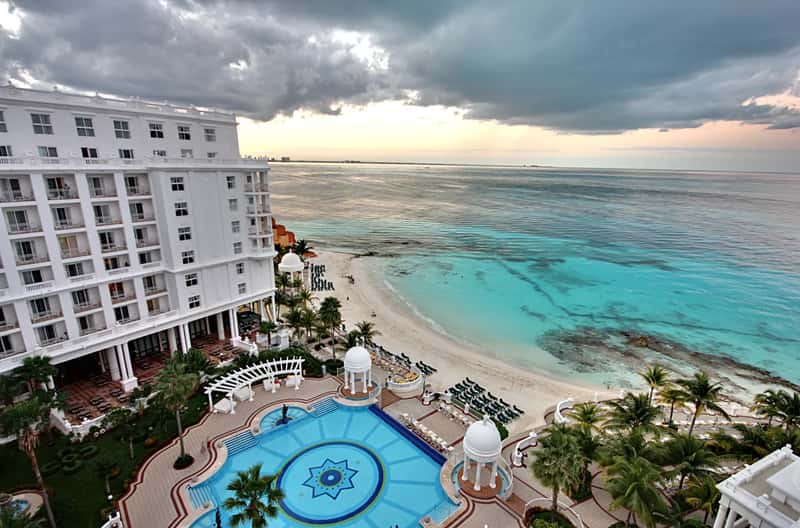
Mexico’s tourist corridors present a strange contradiction: the hotel zones remain popular and largely calm on the surface, while violence tied to cartel conflict has crept steadily closer. Cancun’s tourism sector faces an unprecedented challenge as drug cartel-related violence has crept closer to resort zones throughout 2025 and into early 2026. The government’s response tells its own story. While hotel zones remain relatively safer than downtown areas, the Mexican government deployed additional National Guard troops to tourist corridors in December 2025, a clear acknowledgment that the situation has deteriorated beyond what local police can handle.
The homicide figures for nearby resort towns are stark. Tulum logged a shocking homicide rate of 83.9 per 100,000 residents between September 2024 and August 2025, with 46 murders recorded, while Acapulco, formerly known as Hollywood’s playground, witnessed 560 homicides in that same timeframe. Cancún itself isn’t immune. One report from May 2025 found that the most common crime in Cancún was robbery, which accounted for 20% of crime in the city for that month, and in 2024, Cancún’s homicide rate was about 64 per 100,000 residents. Officials have also flagged the broader region for concern. As of May 29, 2026 the US Department of State advises tourists to “exercise increased caution” in Quintana Roo state due to terrorism and crime.
4. Trinidad and Tobago
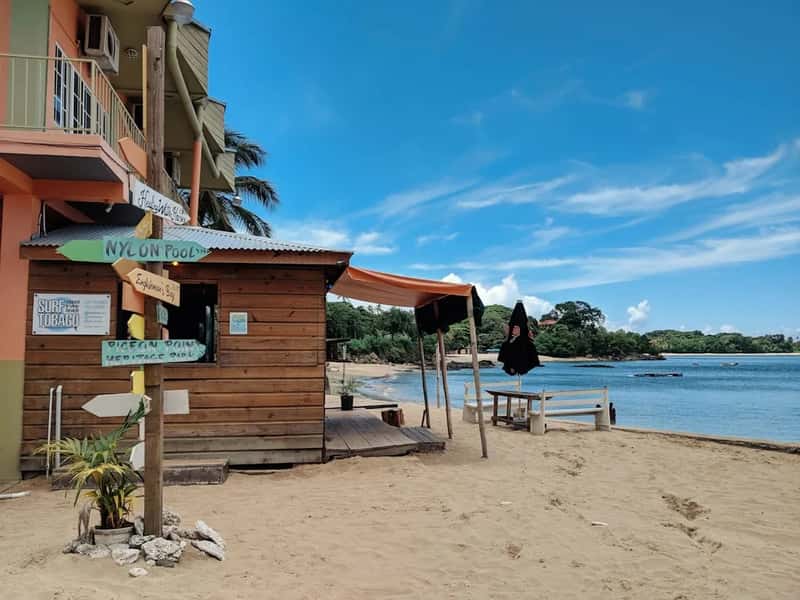
This Caribbean nation, known for Carnival and its laid back beaches, has seen a sharp enough spike in violence that its own government stepped in. This Caribbean nation, a perennial favorite for its Carnival celebrations and natural beauty, is currently under a Level 3 advisory following a nationwide State of Emergency declared in March 2026. A sharp spike in violent crime prompted the government to enact emergency powers. That’s not a routine seasonal warning. It’s a formal recognition that public safety has deteriorated to the point of requiring extraordinary measures.
The advisory has been reinforced rather than walked back in the months since. Reissued on April 13, 2026, this remains a “Reconsider Travel” zone, with a nationwide State of Emergency declared in March due to a spike in violent crime, and the U.S. has designated specific “no-go” areas in Port of Spain, including Laventille and Beetham. For a destination that built its tourism brand on Carnival and beach relaxation, the shift toward named no-go zones and emergency powers marks a genuine change from prior years, not just a temporary scare.
5. Colombia (Bogotá, Medellín, and Cartagena)
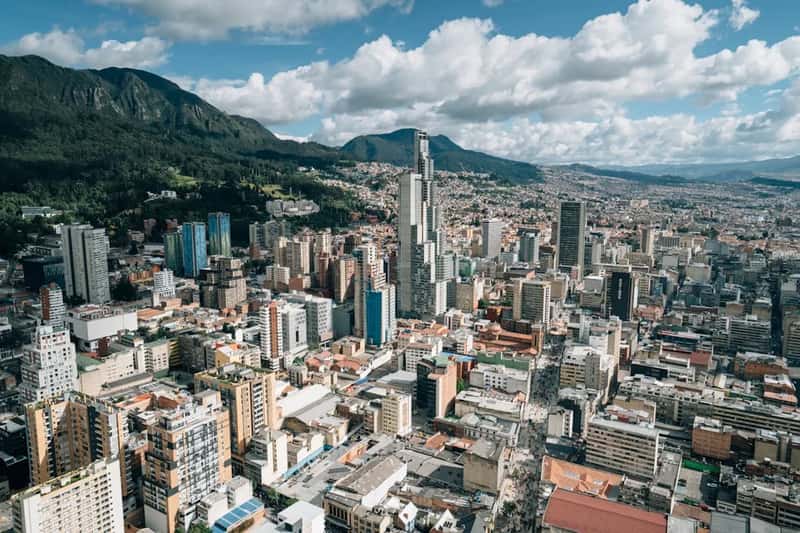
Colombia has spent the last decade rebuilding its reputation as a safer, more accessible destination, which makes this year’s specific warning stand out. Colombia has been a Level 3 destination for some time, but 2026 has brought a new and specific warning that U.S. travelers must know: the State Department has explicitly flagged the use of sedative drugs to incapacitate tourists known locally as “scopolamine” crimes, particularly in bars, nightlife districts, and through dating apps. These aren’t opportunistic street thefts. They’re calculated, and the consequences for victims can be severe.
The outcomes described in official warnings are serious. Victims are robbed, assaulted, or worse while incapacitated, and this threat is concentrated in Bogotá, Medellín, and Cartagena’s nightlife zones. Solo travelers and those using dating apps to meet people locally appear to be particularly exposed. As one advisory summary put it, while Colombia has made genuine strides in safety in recent years, the current environment warrants serious reconsideration, especially for solo travelers.
None of this means these places should be crossed off every itinerary. Millions of people will still visit Barcelona’s museums, Rio’s beaches, Cancún’s resorts, Trinidad’s Carnival, and Colombia’s colonial cities this year without incident. Still, the trend lines in each case are specific enough, and recent enough, that travelers heading to these five destinations in 2026 would do well to check current advisories, stick to well-lit and well-populated areas after dark, and keep a closer eye on belongings and drinks than they might elsewhere.